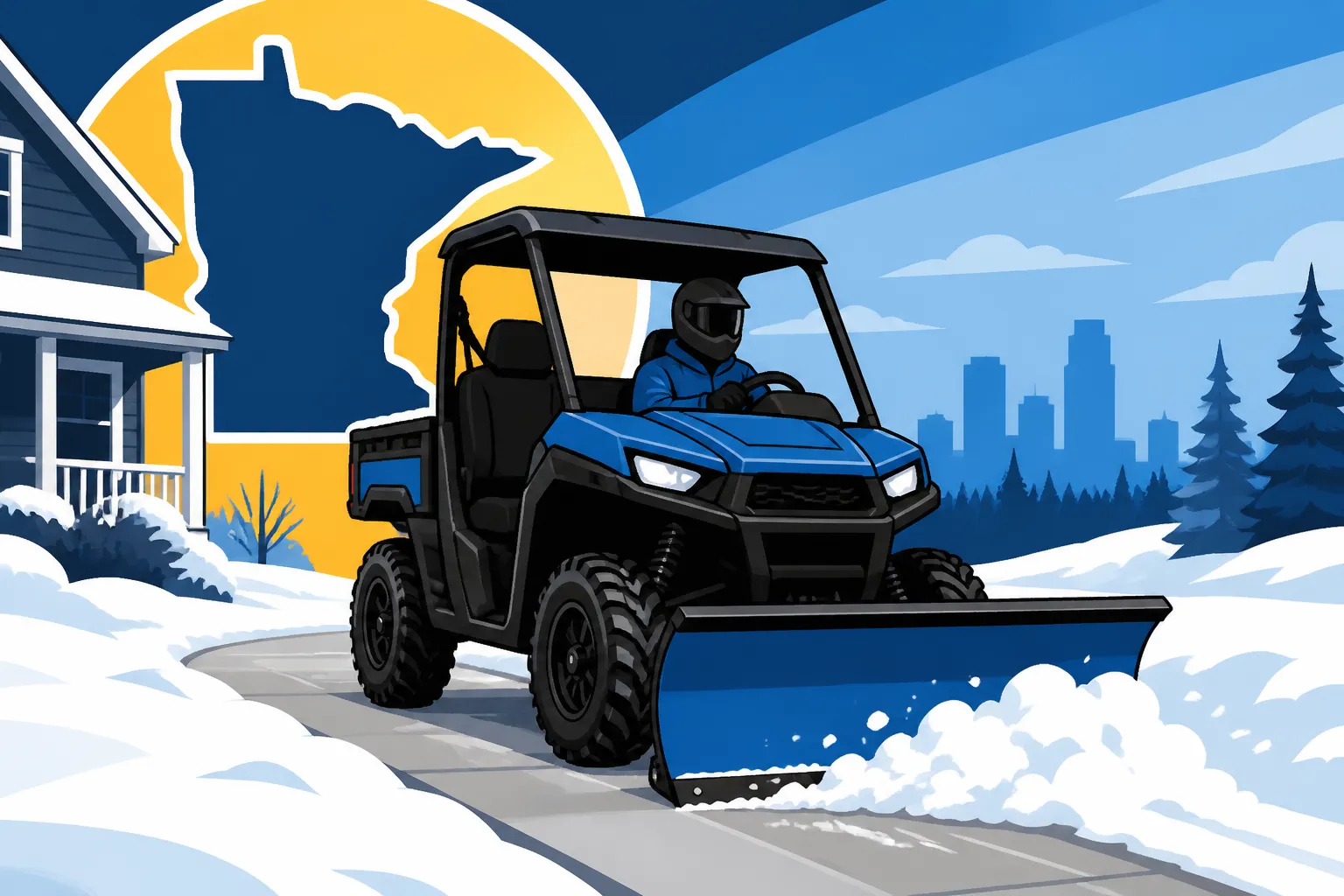
Plowing a Sidewalk With a Machine
The winter wonderland here in Minnesota is breathtaking, no doubt about it. But let's be honest, that beauty often comes hand-in-hand with the back-breaking reality of snow removal. If you've ever stood at the end of your driveway, shovel in hand, staring down a sidewalk buried under a fresh blanket of snow, you've probably thought, "My ATV or UTV would make short work of this!" And you're right, they certainly can. However, before you fire up your machine and mount that plow, there are some really important things you need to understand about plowing sidewalks with your off-highway vehicle (OHV) in Minnesota, especially when it comes to legality and best practices. This guide will walk you through the nuances, helping you stay safe, efficient, and on the right side of the rules.
Navigating Minnesota's Rules for Sidewalk Plowing with an ATV or UTV
It's a common scenario: a heavy snowfall hits, and your sidewalk, or perhaps your neighbor's, becomes an impassable mess. Your trusty ATV or side-by-side is sitting in the garage, perfectly capable of moving mountains of snow with the right attachment. The temptation to put it to work is strong, but Minnesota law, combined with local ordinances, can make this seemingly simple act surprisingly complex. The biggest hurdle often isn't the snow itself, but understanding where you can and cannot operate your machine.
The Fine Line Between Private and Public Property
This is where most of the confusion, and potential problems, arise. When you're plowing your own driveway or a path on your own private land, you're generally in the clear. Your machine is on your property, and as long as you're operating it safely and not creating a nuisance, you have the freedom to use it as you see fit. However, sidewalks are often a different story. Even if the sidewalk runs directly in front of your house, it's typically considered part of the public right-of-way, owned and maintained by the city, county, or state. This distinction is absolutely critical.
Operating an ATV or UTV on public property, even just to plow a sidewalk, usually falls under the same rules as riding it on a road or trail. Many municipalities have strict ordinances prohibiting the operation of ATVs and UTVs on public sidewalks, streets (unless specifically designated), and other public lands. These rules are in place for safety, noise, and infrastructure protection. You might be a good Samaritan trying to clear a path, but without explicit permission or a specific local ordinance allowing it, you could be cited for illegal operation. It's a frustrating reality for many homeowners who just want to keep their community accessible.
City and County Ordinances: The Local Authority
While the Minnesota Department of Natural Resources (DNR) sets broad statewide rules for ATVs and UTVs, individual cities and counties have a lot of leeway to create their own, more restrictive ordinances, especially concerning their streets and sidewalks. What's perfectly fine in one rural township might be strictly forbidden in an urban or suburban area just a few miles away. This patchwork of rules is incredibly frustrating for riders and property owners alike, as it means there's no single, easy answer.
For example, some smaller, more rural communities might have specific allowances for ATVs or UTVs to operate on sidewalks or road shoulders for utility purposes like snow removal. They might even have designated routes that allow for travel between properties for plowing. In contrast, denser cities are almost universally going to prohibit such activity due to traffic, pedestrian safety concerns, and noise complaints. Before you even think about putting blade to snow on a sidewalk, you absolutely must check with your local city hall or county sheriff's department. A quick phone call or a visit to their website to review local ordinances can save you a hefty fine or a confrontation with law enforcement. You wouldn't want to get caught off guard with [Minnesota Penalties for an Unregistered ATV] if you're not legal to operate where you are.
DNR Regulations and Public Roads
Even if a local ordinance does permit ATV or UTV operation for plowing sidewalks, you still need to be mindful of broader DNR regulations, especially if your plowing requires you to cross or briefly operate on a public road to get from one section of sidewalk to another. Generally, ATVs and UTVs are restricted from operating on the paved surfaces of public roads in Minnesota, with very specific exceptions for crossing, ditch riding, or designated routes. Even for utility purposes, riding on the road surface to move between sidewalks is usually not allowed.
This means you need to be very creative and careful about how you access different sections of sidewalk, often relying on private property to navigate. If your sidewalk plowing involves moving along a public ditch, you need to understand [Minnesota's Ditch Riding Rules] to ensure you're compliant. Remember, your machine must be properly registered and your registration sticker visible, regardless of whether you're plowing or riding trails.
Choosing the Right Machine and Plow for Sidewalk Snow
So, you've confirmed that your local rules actually permit you to plow sidewalks with your ATV or UTV – fantastic! Now comes the fun part: equipping your machine to do the job effectively and safely. Not all ATVs or UTVs are created equal for snow removal, and the type of plow you choose makes a huge difference in performance, efficiency, and how much strain it puts on both you and your vehicle.
ATV vs. UTV: Which is Better for Plowing?
Both ATVs and UTVs can be excellent snow-plowing machines, but each has its pros and cons, especially for sidewalk work.
| Feature | ATV (Four-Wheeler) | UTV (Side-by-Side) |
|---|---|---|
| Visibility | Excellent; open seating position, easy to see edges | Generally good, but cab enclosures can create blind spots |
| Maneuverability | Superior; tighter turning radius, nimbler | Good, but larger footprint can be an issue on narrow sidewalks |
| Comfort | Less comfortable for long periods, exposed to elements | More comfortable, often with cabs for weather protection |
| Stability | Can be less stable on uneven surfaces or slopes | Very stable due to wider stance and lower center of gravity |
| Power/Traction | Ample power for most residential snow; 4×4 essential | Often more powerful; heavy-duty 4×4 systems common |
| Weight | Lighter, less likely to damage delicate surfaces | Heavier, can be more prone to rutting lawns or damaging pavers |
| Cost | Generally less expensive to purchase and equip | Higher initial cost, but can offer more utility |
For typical residential sidewalks, an ATV often has an edge in maneuverability. Sidewalks can be narrow, winding, and often have obstacles like mailboxes, fire hydrants, or decorative landscaping. The nimble nature of an ATV allows for precise control, making it easier to navigate these tight spaces and avoid inadvertently damaging property. However, if you're tackling longer, wider, or more open sections of sidewalk, or if you prefer the comfort and protection of a cab, a UTV might be a better fit. UTVs also tend to have more powerful engines and heavier frames, which can be advantageous for pushing heavy, wet snow. Many dedicated plow operators opt for UTVs, as they can also haul salt or sand spreaders, extending their utility beyond just the blade.
Plow Types and Attachments for Sidewalk Duty
Choosing the right plow is just as important as choosing the right machine. There are several types, each with its own advantages.
- Straight Blades: These are the most common and simplest plow type. They're excellent for pushing snow straight ahead or angling it to one side. For sidewalks, a straight blade is generally effective, but you'll need to be mindful of where the snow is being pushed. For example, you don't want to bury someone's driveway entrance or create massive piles that block visibility. Companies like SuperATV offer a range of durable straight blades designed specifically for ATVs and UTVs, often featuring heavy-duty steel and adjustable angles.
- V-Plows: These plows have a "V" shape, allowing them to cut through deep drifts and push snow efficiently to both sides simultaneously. They can also be configured as a straight blade or a scoop. For very deep or hard-packed snow on a sidewalk, a V-plow can be incredibly effective at breaking through the initial layer, making subsequent passes easier. However, their larger footprint and more complex mechanism can make them less agile in very tight or obstacle-ridden sidewalk sections.
- Pusher/Containment Plows: These have side wings that keep the snow contained in front of the blade, allowing you to push larger volumes of snow to a specific drop-off point. While fantastic for parking lots or wide-open areas, they are generally too wide and cumbersome for typical sidewalks. Their bulk would make navigating narrow paths and around obstacles nearly impossible without causing damage.
Beyond the blade itself, you'll need a robust mounting system. This typically involves a plow frame that attaches to your ATV or UTV, often at the front or center of the machine. A winch system is almost universally required to raise and lower the plow blade. Look for electric winches that are powerful enough to handle the weight of your chosen plow, especially when it's covered in wet, heavy snow. A reliable winch from a brand like SuperATV will make your plowing experience much smoother and less strenuous.
Safety First: Essential Practices for Plowing Sidewalks in Minnesota
Plowing snow with an ATV or UTV might seem straightforward, but it comes with its own set of risks. Especially when you're operating near pedestrians, homes, and other property, prioritizing safety is non-negotiable. It's not just about avoiding tickets; it's about protecting yourself, others, and preventing costly damage.
Pre-Plow Inspection and Preparation
Before you even think about starting your machine, a thorough pre-plow inspection is crucial. This isn't just a suggestion; it's a vital step in ensuring both your safety and the longevity of your equipment.
- Check Tire Pressure: Properly inflated tires provide optimal traction and stability, which are paramount when pushing heavy snow. Uneven tire pressure can lead to erratic steering and reduced plowing effectiveness.
- Fluids and Fuel: Ensure your ATV or UTV has adequate fuel, oil, and coolant. Cold weather puts extra strain on engines, so starting with fresh fluids is always a good idea. Consider using fuel stabilizer if your machine sits for extended periods.
- Winch and Mount System: Inspect your winch cable or rope for fraying or damage. Ensure the plow mount is securely fastened to your machine, and all pins and bolts are tight. A loose plow can be dangerous and inefficient.
- Lights and Reflectors: If you're plowing in low light conditions (which is often the case during winter mornings or evenings), make sure all your headlights, taillights, and any auxiliary work lights are functioning properly. Consider adding additional reflectors or an amber beacon for increased visibility, especially if you're operating near public areas. You might find some good options from SuperATV for lighting accessories.
- Clear the Path: Before the first flake falls, or at least before the plow comes out, walk the entire length of the sidewalk you intend to clear. Identify any hidden obstacles like decorative pavers, garden lights, sprinkler heads, curbs, or uneven sections. These can cause serious damage to your plow, your machine, or even lead to an accident. Mark these hazards with reflective stakes so they're visible even under snow.
Safe Operation Techniques
Once you're ready to start plowing, adopt safe operating practices to minimize risks.
- Slow and Steady: Resist the urge to go fast. Plowing snow effectively is about consistent, steady pressure, not speed. Going too fast can cause the plow to dig in, throw snow too far, or worse, lead to a loss of control, especially on icy patches.
- Multiple Passes: Don't try to clear a foot of snow in one pass. Take shallower cuts, especially if the snow is wet and heavy. Multiple passes are much easier on your machine and reduce the risk of getting stuck or damaging your transmission.
- Manage Snow Piles: Plan where you're going to push the snow. Avoid creating massive snow banks that block visibility at intersections, obscure mailboxes, or encroach on private property. Be a good neighbor and try to distribute the snow evenly and thoughtfully.
- Watch for Pedestrians: Sidewalks are for walking! Always be on the lookout for pedestrians, especially children, who might not hear your machine over the sounds of winter. Yield the right-of-way, slow down, and make eye contact. Never assume they see or hear you.
- Beware of Ice: Even after plowing, ice can remain a significant hazard. Be extra cautious on shaded areas or spots where water tends to collect and refreeze. Consider carrying a small bag of sand or ice melt for particularly tricky spots.
- Personal Protective Equipment (PPE): Don't forget about your own safety! Wear warm, waterproof clothing, insulated gloves, and sturdy boots. If your machine doesn't have a cab, consider a helmet for head protection, especially if you're under 18 or if you're operating in areas where rules like [Minnesota Helmet Rules for Riders Under 18] might apply even for utility use. Eye protection is a must to shield against flying snow or debris.
Avoiding Property Damage and Liabilities
Even with the best intentions, accidents can happen. Taking steps to prevent property damage and understand your potential liabilities is critical.
- Be Mindful of Lawns and Landscaping: It's incredibly easy to inadvertently dig up a patch of lawn or snap off a low-hanging shrub with a plow blade. Use plow markers to help you gauge the width of your blade and maintain a safe distance from delicate landscaping. Take it slow when approaching edges.
- Underground Obstacles: Watch out for sprinkler heads, invisible dog fences, or other buried items that can be hidden under snow. If you've walked the path beforehand and marked them, you're ahead of the game.
- Insurance: Does your existing ATV or UTV insurance policy cover property damage or liability when plowing? Many standard policies are geared towards recreational riding. Check with your insurance provider to ensure you have adequate coverage for utility work, especially if you're plowing for neighbors or as part of a volunteer effort. This ties into questions like [Insuring an ATV in Minnesota] and how it applies to different uses.
- Consider a Release/Agreement: If you're plowing for neighbors or friends, even informally, it's wise to have a clear understanding of expectations regarding potential damage. For commercial operations, a formal contract and robust insurance are non-negotiable.
Beyond the Plow: Maintenance and Community Considerations
Owning an ATV or UTV that pulls snow duty is about more than just the immediate task; it's also about maintaining your machine, being a good neighbor, and potentially enhancing your community. Thinking long-term about how you use and care for your equipment, and how your actions impact those around you, will make the experience much more rewarding.
Post-Plowing Machine Care
Your ATV or UTV works hard in harsh winter conditions, and giving it proper attention after each plowing session will significantly extend its lifespan and keep it ready for the next snowfall.
- Clean Off Snow and Ice: Don't just park it and forget it. Use a brush or air compressor to clear snow and ice from the engine, chassis, and plow mechanism. Moisture left on components can lead to rust, corrosion, and frozen parts. Pay special attention to the plow pivot points and winch line.
- Lubrication: Periodically lubricate all moving parts on your plow system, including pivot pins, springs, and the winch cable. This prevents rust and ensures smooth operation.
- Inspect for Damage: While cleaning, take the opportunity to inspect for any damage incurred during plowing. Check the plow blade for excessive wear, bent components, or loose bolts. Look for any new dings or scrapes on your machine that might indicate a harder impact than you realized. Addressing small issues quickly prevents them from becoming major, costly repairs.
- Battery Maintenance: Cold weather is tough on batteries. If your machine isn't used frequently, consider using a battery tender to keep it charged and ready to go. This is especially true for machines that might sit for days or weeks between snow events.
- Storage: When the plowing season is over, or even between storms, store your machine in a dry, protected area. If the plow is removed, store it safely to prevent tripping hazards or damage.
Being a Good Neighbor and Community Member
While your main goal might be to clear snow, remember that operating an ATV or UTV in a residential area, even for a good cause, can attract attention. Being considerate and responsible will help maintain positive relationships within your neighborhood and potentially even pave the way for more understanding if local rules ever need to be adjusted.
- Noise Awareness: ATVs and UTVs, particularly those with aftermarket exhausts, can be quite loud. Be mindful of the time of day you're plowing. Early morning or late-night plowing can disturb neighbors, especially if you're revving the engine frequently. Try to stick to reasonable hours.
- Speed and Dust/Snow Management: As mentioned earlier, slow and steady is key. Not only is it safer, but it also reduces the amount of snow that gets thrown onto other properties or into the street, creating less of a mess for others. In dry conditions, consider how much dust you're kicking up with your machine, though this is less of an issue when actually plowing snow.
- Plowing for Others: If you're plowing for neighbors, communicate clearly about expectations, especially regarding where snow will be piled and any potential risks. Offering to help elderly or infirm neighbors with their sidewalks is a wonderful gesture that builds community goodwill.
- Advocacy for Reasonable Rules: If you find local ordinances to be overly restrictive and believe there's a safe, responsible way for ATVs and UTVs to assist with snow removal, consider getting involved in local government. Attend city council meetings, express your views respectfully, and perhaps even organize with other residents. Showing that you're a responsible operator who cares about community safety can go a long way in discussions about [Minnesota Cities That Allow ATVs on Streets] or other utility uses.
- Trail Access and Permits: If you are using your machine for recreational riding outside of plowing, remember to always have the proper registration and trail passes. Questions around [Minnesota's Non-Resident ATV Trail Pass] or other required permits are essential to keep in mind, as compliant recreational use often correlates with responsible utility use.
Plowing sidewalks with your ATV or UTV can be a highly efficient and rewarding task, turning a back-breaking chore into a much more manageable one. But it absolutely requires a thorough understanding of Minnesota's diverse rules and regulations, careful planning, the right equipment from reputable brands like SuperATV, and a commitment to safety and good neighborly conduct. Stay informed, stay safe, and enjoy the satisfaction of a cleared path this winter!
Disclaimer
This article is for general informational purposes only and does not constitute professional advice. Laws, prices and regulations vary by location and change over time. Consult a qualified professional for guidance on your specific situation.