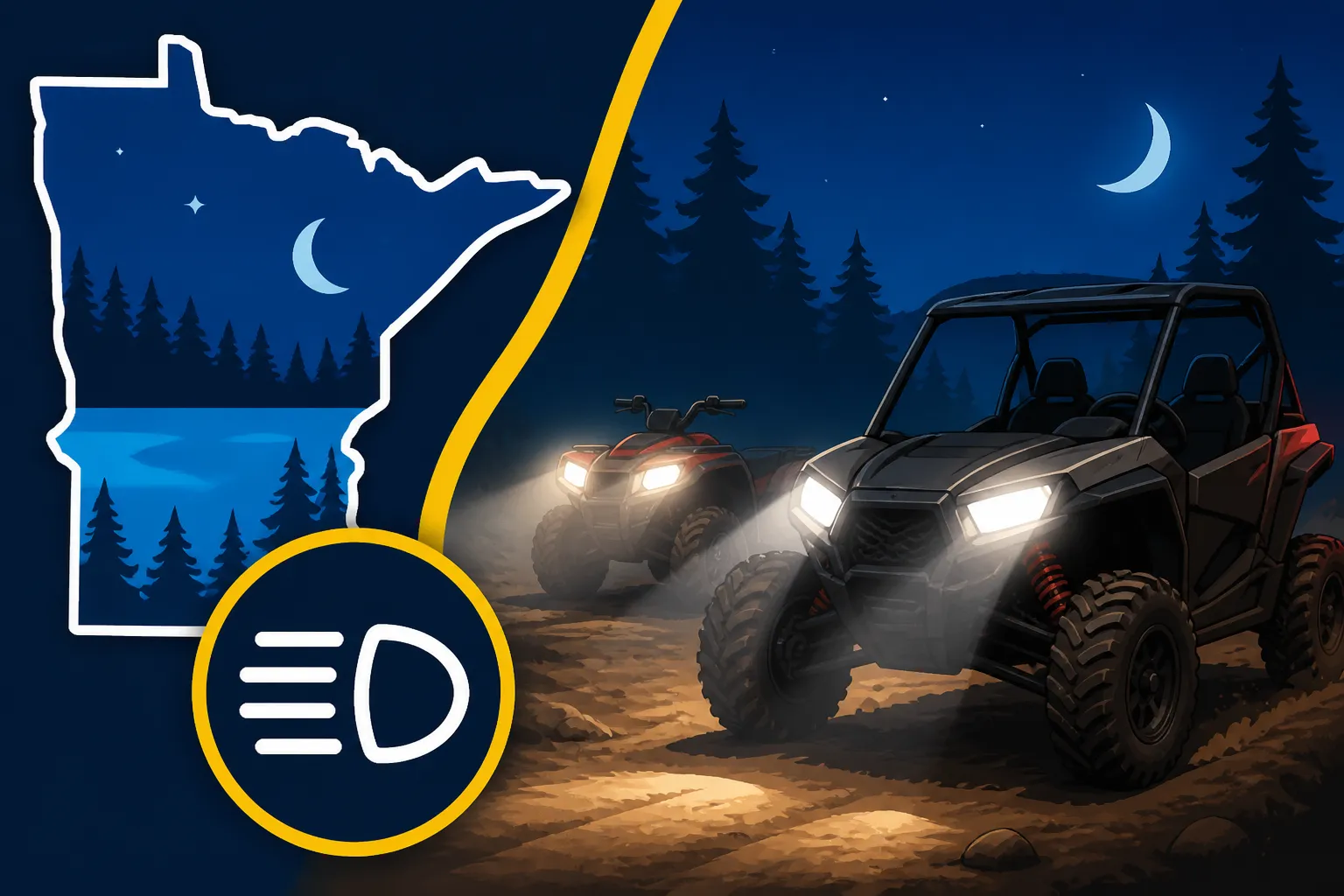
Minnesota Headlight Rules After Dark
Riding your ATV or UTV in Minnesota after the sun goes down can be an incredible experience, offering a whole new perspective on our beautiful landscapes. However, it also comes with a significant responsibility: understanding and adhering to the state's headlight rules. Many riders grapple with confusing regulations, wondering if their machine's factory lights are enough, or if they need extra illumination for a safe and legal journey. This guide is here to untangle those rules, ensuring you're well-equipped and confident when the stars come out.
Understanding Minnesota's General Lighting Requirements for ATVs
Before you even think about hitting a trail or ditch after dark, it's crucial to understand the baseline requirements for your ATV or UTV's lighting system in Minnesota. These aren't just suggestions; they're legal mandates designed to keep you and everyone else safe, whether you're on a designated trail or making a quick hop across a township road. The idea is simple: if you're operating when natural light is diminished, you need to be both seen and able to see.
When Headlights and Taillights Are Required
The core rule in Minnesota is that ATVs and UTVs must have their headlights and taillights on when operating "from sunset to sunrise and at any time when conditions provide insufficient natural light to render clearly visible persons and vehicles at a distance of 500 feet." That's the legal language, but what does it really mean for your evening ride? It means as soon as dusk starts to settle, or if there's fog, heavy rain, or even just dense tree cover that significantly reduces visibility, your lights need to be on. It's not just about what you can see; it's about making sure other riders, pedestrians, or even wildlife can spot you from a safe distance. Think of it as a defensive driving strategy, but for off-road. Many riders just flip their lights on as a matter of habit anytime they start their machine, especially if there's any doubt about light conditions. It's better to be safe than sorry, and it certainly won't hurt to have your lights on even if you think you might not technically need them for another few minutes.
Requirements for Headlight Brightness and Function
Beyond simply being "on," your headlights need to actually function properly and meet certain visibility standards. Minnesota law generally states that your headlights must be capable of illuminating persons and vehicles at least 50 feet ahead. Now, 50 feet might sound like a short distance, but this is a minimum, not a recommendation for optimal night riding. For anyone who's spent time on rough trails or navigating unlit rural ditches, you know that 50 feet of illumination isn't going to cut it for comfortable, safe speeds. Most modern ATVs and UTVs come from the factory with lighting systems that far exceed this minimum, which is great. However, if you're riding an older machine, or if your lights have become dim over time due to wear or a failing electrical system, it's worth checking their output. Sometimes, a simple bulb replacement can make a world of difference. For those serious about night riding, upgrading to brighter LED headlights or adding auxiliary lighting, such as a light bar from a brand like SuperATV, can dramatically improve your visibility and riding confidence after dark. Just be mindful of how you use these super-bright additions, as you don't want to blind oncoming riders. Remember, good [Lighting Rules for Minnesota Night Riding] are paramount for safety.
Specific Headlight Rules for Ditch Riding and Road Crossings
Minnesota's rules around operating ATVs and UTVs on public land and rights-of-way can be a bit of a maze, especially when it comes to night riding. The general lighting requirements we just discussed apply across the board, but when you venture into ditches or cross roads, there are additional considerations to keep in mind. These areas often involve shared spaces with other vehicles, making proper illumination even more critical. Understanding [Minnesota Ditch Riding Rules] is crucial for all riders.
Ditch Riding After Dark
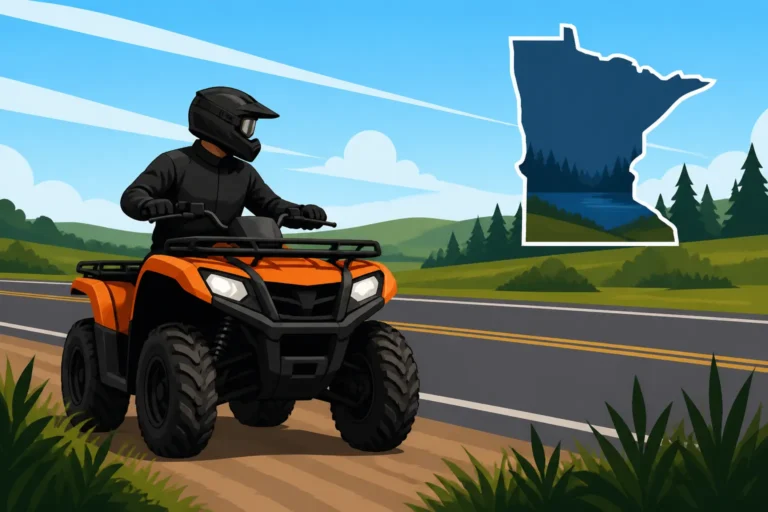
Ditch riding is a popular activity in many parts of Minnesota, offering a way to connect trails or access certain areas. When riding in a ditch from sunset to sunrise, your headlights and taillights must be fully operational and on. This isn't just a courtesy; it's a legal requirement that helps make your machine visible to passing motorists. Imagine a car traveling at highway speeds; they need every possible warning that an ATV might be in the ditch alongside the road. Your headlights not only help you see the uneven terrain of the ditch itself, but they also project forward, giving a hint of your presence to anyone approaching. Similarly, your taillights are critical for drivers coming up from behind. Many riders also choose to add additional amber or red lights to the sides or rear of their machine when ditch riding at night, specifically to increase their profile to other traffic. While these aren't always legally mandated, they significantly enhance safety and are a smart addition, especially if your machine is a darker color. It’s all about making sure you’re as conspicuous as possible.
Crossing Roads and Bridges at Night
When it comes to crossing roads, whether it's a county road or a state highway, the lighting rules become even more stringent, simply because you're moving into the direct path of vehicular traffic. If you're [Crossing a Minnesota Road on an ATV] after dark, your headlights and taillights absolutely must be on and working. The law dictates that ATVs must yield to all vehicular traffic when crossing a paved public road, and being clearly visible makes this maneuver much safer for everyone involved. The same goes for crossing bridges or culverts; these are often narrow points where visibility can be compromised, and your lights ensure you're seen. Some roads and bridges might even have signs indicating specific lighting requirements or additional precautions. Always slow down, look both ways multiple times, and ensure your machine is well-lit before attempting any road crossing at night. Even if you're riding a powerful light bar from a company like SuperATV, remember that its primary purpose is off-road illumination; for road crossings, the focus shifts to making yourself visible to others.
Table: Minnesota ATV/UTV Lighting Requirements Summary
To help clarify, here's a quick overview of what you need to know about lighting at night in Minnesota:
| Riding Location | Headlights Required? | Taillights Required? | Reflectors Required? | Notes |
|---|---|---|---|---|
| Designated Trail | Yes | Yes | Yes (if manufactured with) | From sunset to sunrise, or low visibility. |
| Roadside Ditch | Yes | Yes | Yes (if manufactured with) | Crucial for visibility to passing motorists. |
| Road/Highway Crossing | Yes | Yes | Yes (if manufactured with) | Yield to traffic; maximum visibility is key. |
| Private Property | No (Legally) | No (Legally) | No (Legally) | Highly recommended for safety, even if not legally mandated. |
| Snow/Ice (Frozen Lake) | Yes | Yes | Yes (if manufactured with) | Increased risk due to often wide-open, unlit spaces. |
Note: "Yes (if manufactured with)" means that if your machine came from the factory with reflectors, they must be present and functional.
Maintaining and Upgrading Your ATV/UTV Lighting for Night Riding
Even if your machine met all the legal requirements when it rolled off the assembly line, time, trail dust, and tough Minnesota weather can take their toll on your lighting system. For anyone who enjoys riding after dark, or simply wants to be prepared for unexpected dusk-to-dawn situations, proper maintenance and thoughtful upgrades are key. Ensuring your lights are always in top shape can literally be a lifesaver.
Regular Checks and Maintenance
Just like you check your oil and tire pressure, your lights need regular attention. Before any night ride, take a few minutes to walk around your ATV or UTV and check all your lights: headlights, taillights, and brake lights. Are they all illuminating? Are they bright? Sometimes a bulb can be partially out, reducing its effectiveness. Look for cracked lenses, which can allow moisture in and lead to bulb failure or corrosion. Ensure all connections are secure and free of rust or dirt. A good habit is to carry spare bulbs for essential lights if your machine uses traditional incandescent bulbs, especially on longer or more remote rides. Even with LED systems, it's wise to carry a basic toolkit for tightening loose wires or making minor repairs. Keeping your lights clean is also surprisingly important; a layer of mud or dust can drastically reduce light output, so a quick wipe-down before a night ride is always a good idea. This simple routine will help prevent you from getting caught unprepared.
When to Upgrade Your Headlights for Better Visibility
While your stock headlights might meet the minimum legal requirements, they might not always provide the optimal visibility you need, especially on challenging trails or when riding at higher speeds. If you find yourself straining to see what's ahead, constantly slowing down due to poor illumination, or feeling uneasy about obstacles in the dark, it's probably time for an upgrade. Many riders opt for brighter LED headlights, which offer superior brightness, a crisper light color, and often draw less power than older halogen bulbs. Another popular upgrade is adding auxiliary lighting, such as an LED light bar or additional spot/flood lights. These can be incredibly useful for widening your field of vision, illuminating ditches, or piercing through dense fog. Brands like SuperATV offer a wide range of aftermarket lighting solutions designed specifically for off-road vehicles, from powerful light bars to enhanced replacement headlights. When installing upgrades, always ensure they are properly wired and aimed so as not to blind other riders or motorists. For example, a powerful light bar should ideally be on a separate switch so it can be turned off when encountering other people. Investing in good lighting is an investment in your safety and enjoyment of the trails. Check out [Eye Protection on a Minnesota Ditch Ride] for complementary gear advice.
Penalties and Enforcement for Non-Compliance
Ignoring Minnesota's headlight rules after dark isn't just a matter of poor judgment; it carries real consequences. Conservation officers, sheriff's deputies, and local law enforcement are out there, especially during peak riding seasons, to ensure everyone is adhering to the regulations designed to keep our trails and roadsides safe. Getting pulled over for a lighting violation can quickly turn a fun evening ride into a costly headache.
Potential Fines and Citations
Operating an ATV or UTV without proper lighting during required hours in Minnesota can lead to a citation. While I can't give you exact figures, as fines can vary by county, jurisdiction, and the specific nature of the offense, it's safe to say you'll be looking at a monetary penalty. These fines can add up quickly, especially if the officer determines there are multiple violations (e.g., no headlight and no taillight). Beyond the initial fine, you might also be required to fix the issue and provide proof of repair. In some cases, repeated offenses or extremely negligent behavior could lead to more severe penalties, though this is less common for simple lighting issues. The hassle of dealing with a ticket, potentially going to court, and paying the fine is almost always more expensive and time-consuming than simply ensuring your lights are working properly before you leave. It's truly a small price to pay to avoid the larger costs of a penalty. Riders often wonder about [Minnesota Penalties for a Missing Sticker], and similar consequences apply to lighting infractions.
Enforcement by Conservation Officers and Law Enforcement
Conservation officers (COs) are particularly vigilant about ATV and UTV compliance, as they are often patrolling the very trails and public lands where these machines are operated. They're well-versed in the specific regulations, including those for night riding and lighting. During trail patrols, especially in the evenings or early mornings, COs will be looking for machines that aren't properly lit. Local law enforcement, like county sheriff's deputies, also enforce ATV rules, particularly when machines are operated on roadsides, ditches, or crossing public roads. They might set up checkpoints or simply pull over riders they observe violating the law. Their primary concern is safety, and a machine operating in the dark without proper illumination poses a significant risk to everyone in the vicinity. Remember, officers aren't just looking for problems; they're also there to help educate riders and ensure a safe environment for all outdoor enthusiasts. A friendly reminder from an officer is always preferable to a citation! It's important to know what [Minnesota Conservation Officer Enforcement in Minnesota] entails.
Disclaimer
This article is for general informational purposes only and does not constitute professional advice. Laws, prices and regulations vary by location and change over time. Consult a qualified professional for guidance on your specific situation.