Minnesota Rules on Frozen Lakes
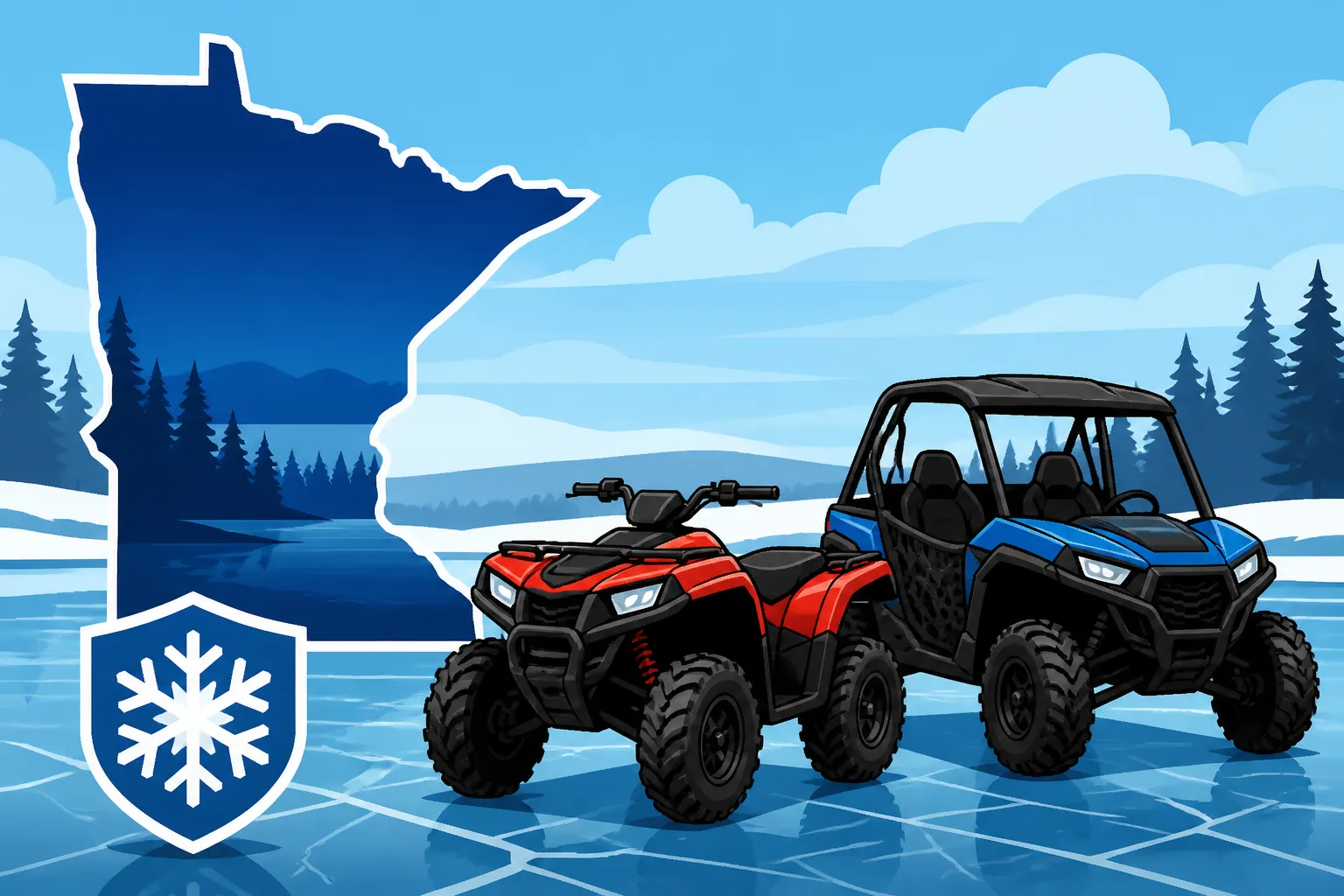
There's nothing quite like the freedom of zipping across a vast, frozen Minnesota lake on your ATV or UTV, the crisp winter air invigorating your senses, perhaps heading out to your favorite ice fishing spot. It's an iconic Minnesota experience, but the serene beauty of a frozen lake also hides serious dangers. Many riders, even seasoned ones, underestimate the unpredictable nature of ice and the specific rules that govern off-highway vehicle (OHV) use on these ephemeral surfaces. This guide is here to unravel the complexities, giving you the real-world insights you need to enjoy Minnesota's frozen waters safely and legally, without falling through the cracks (literally!).
Navigating the Risks: Understanding Ice Conditions and Safety
Riding on a frozen lake is an inherently risky activity, and ignoring the natural warnings or failing to understand the ice can turn a fun day into a life-threatening situation. It's not just about the numbers; it's about observation, local knowledge, and an abundance of caution.
The Critical Role of Ice Thickness
This is the golden rule of ice travel: know your ice thickness. The Minnesota Department of Natural Resources (DNR) provides guidelines, not guarantees, because ice conditions can vary wildly even on the same lake, sometimes within a few feet. A general rule of thumb is that new, clear ice is stronger than old, cloudy ice. Slush and snow can also insulate the ice, preventing it from thickening evenly.
Here’s a basic breakdown of recommended minimum ice thickness for different activities:
| Activity / Machine Type | Recommended Minimum Clear Ice Thickness | Important Caveats |
|---|---|---|
| Ice fishing/walking | 4 inches | Stay spread out, avoid slushy areas |
| Snowmobiles and ATVs (single machine) | 5-7 inches | Go slow, carry picks, check frequently |
| Light-duty pickups / Side-by-sides | 8-12 inches | Max weight around 2,000 lbs, very risky for UTVs |
| Medium-duty pickups / Fish houses | 12-15 inches | Heavier vehicles, significant risk, spread out |
| Heavy vehicles (e.g., plow trucks) | 15-18 inches | Specialized equipment and conditions, expert use |
It’s absolutely crucial to understand that these are minimums for new, clear ice. If the ice is cloudy, slushy, has visible cracks, or you're unsure of its history, add several inches to these recommendations. Always check with local bait shops, resorts, or the DNR for current conditions. Many riders find a small, battery-powered auger invaluable for drilling test holes as they travel, especially if venturing into new areas or if conditions have changed overnight. Remember, the goal is to come home safely, not to push the limits. This is why understanding [Ice Thickness a Machine Needs] is not just a suggestion, but a life-saving practice.
Identifying Hazardous Ice Formations
Not all ice is created equal, and some formations scream "danger!" even if the general thickness seems okay. Pressure ridges are one of the most common and treacherous hazards. These occur when thermal expansion and contraction cause large sheets of ice to push against each other, creating a jagged, often unstable mound or crack. They can run for miles and often conceal open water or dangerously thin ice under a layer of snow. Never assume a pressure ridge is solid; approach with extreme caution, and if possible, find a route around it.
Another danger is ice around points of land, inlets, or outlets where currents can thin the ice from below. Areas near bridges, culverts, or river channels that flow into a lake are almost always weaker due to moving water. Also, watch out for "honeycomb ice," which often forms during a thaw. This ice appears thick but has lost its structural integrity and can give way unexpectedly. A good rule of thumb: if it looks suspicious, it probably is. If you see tracks from another machine, don't assume they knew what they were doing. Always verify conditions for yourself, and if you’re heading out to your [Riding Out to a Fish House], make sure you've scoped out a safe path well in advance.
Minnesota's Rules for Operating ATVs and UTVs on Ice
Beyond the raw physics of ice, Minnesota has specific laws and regulations for operating ATVs and UTVs on frozen lakes. These rules are in place for your safety, the safety of others, and to maintain order on our shared natural resources. Ignoring them can lead to serious fines or worse.
Essential Registration, Lights, and Speed Regulations
First and foremost, your ATV or UTV must be properly registered in Minnesota if you're operating it on public lands, and that includes frozen lakes. This registration ensures that if something goes wrong, authorities can identify your machine. If you're new to the state or need to get your machine registered, make sure you understand the process detailed in [Registering an ATV in Minnesota]. Don't assume because it's a lake, the rules are different. An unregistered machine can lead to [Penalties for an Unregistered ATV in Minnesota].
When it comes to equipment, Minnesota law requires your machine to have working headlights and taillights. This isn't just for night riding; it's essential for visibility in snowy conditions, during dawn or dusk, or when fog rolls in. Being seen by other riders, ice anglers, or even snowmobiles is critical to avoiding collisions. For a full rundown on what's expected, check out [Lighting Rules for Minnesota Night Riding]. Many riders also add reflective tape or even a whip flag (sometimes enhanced with an LED light) to their machines, especially if they’ve installed large aftermarket items from a company like SuperATV that might obscure visibility or if they're traveling in a group.
Speed limits on frozen lakes can be tricky. While there might not always be a posted limit, general safe operation rules apply. You must operate at a speed that is reasonable and prudent given the conditions, visibility, and other users on the ice. This means slowing down significantly if you're near ice houses, fishing holes, or other people. On a wide-open lake with good visibility, you might go faster, but always be prepared to stop or react to unexpected hazards like slush pockets, changing ice, or other vehicles.
Impaired Operation and Other Legal Responsibilities
Just like operating a motor vehicle on a road, operating an ATV or UTV on a frozen lake while under the influence of alcohol or drugs is strictly illegal and incredibly dangerous. Minnesota has very clear laws regarding impaired operation of off-highway vehicles, and the consequences are severe, including fines, loss of riding privileges, and even jail time. There's zero tolerance for putting yourself and others at risk. Conservation officers regularly patrol frozen lakes, and they take impaired driving very seriously. It’s crucial to understand [Minnesota Alcohol Limits for ATV Operators] before you even think about having a celebratory beverage on the ice.
Beyond impaired operation, there are other legal responsibilities. You are accountable for any damage your machine causes to private property if you trespass to access the lake. Always ensure you are accessing the lake via public access points or with explicit permission from landowners. Even seemingly innocuous actions like riding across someone’s shoreline property without permission can be considered trespassing. Make sure you understand [Minnesota Trespass Rules Along Ditches] if you're using ditch access to reach a lake.
Finally, while not always legally mandated on the ice for adults, it's highly recommended that all riders wear helmets and appropriate safety gear. Children under 18 are required to wear helmets on public land, and that includes frozen lakes. Safety isn't just a recommendation; it's a commitment to yourself and your riding companions.
Preparing Your Machine and Yourself for a Safe Ice Adventure
Riding on frozen lakes means contending with unique challenges like extreme cold, potentially deep snow, and the constant threat of open water. Proper preparation of both your machine and yourself is key to a successful and safe outing.
Gearing Up Your ATV or UTV for Winter Conditions
Your machine needs to be ready for the cold. Start with a thorough pre-ride inspection: check all fluid levels (oil, coolant, brake fluid), ensure your tires are in good condition and properly inflated (or consider [Studded Tires for Lake Ice] for better traction), and test all lights. A fully charged battery is non-negotiable in cold weather, as batteries lose efficiency in the frigid air. Many riders use a battery tender when their machine is not in use to keep the charge topped off.
Consider winter-specific additions. A sturdy winch is an absolute lifesaver if you get stuck in deep snow or slush, or need to help pull a buddy out. Companies like SuperATV offer a range of powerful winches and mounting kits specifically designed for ATVs and UTVs. Tracks, like those available from SuperATV, can transform your machine's capability in deep snow, offering incredible flotation and traction where wheels would struggle. Heated grips or a heated steering wheel can make a huge difference in rider comfort, preventing numb fingers. For UTVs, a full cab enclosure and even a cab heater can turn a frigid ride into a cozy cruise. Remember to perform your [Winterizing a Machine in Minnesota] before the season truly hits to ensure it's ready.
What to Carry and How to Stay Warm on the Ice
Never venture onto a frozen lake unprepared. Beyond your basic tool kit, there are essentials for ice travel:
- Ice Picks: These are small, sharp handheld picks tethered together. If you fall through the ice, they can help you pull yourself out. Wear them where they are easily accessible, like around your neck or in a chest pocket.
- Rope/Tow Strap: For pulling out stuck machines or helping others.
- Shovel: A compact, foldable shovel is invaluable for digging out of snowdrifts or clearing areas.
- First-Aid Kit: Tailor it for cold weather injuries like frostbite.
- Charged Cell Phone/Satellite Messenger: Cell service can be spotty on large, open lakes. A satellite messenger provides a critical lifeline.
- Navigation: A GPS unit with pre-loaded maps or a reliable mapping app (like onX Offroad) can prevent you from getting lost, especially in whiteout conditions or after dark. Mark your access points.
- Warmth Essentials: Extra layers of clothing, a thermos of hot coffee or soup, waterproof matches/lighter, and an emergency blanket. Hypothermia is a real danger.
- Fuel: Always carry extra fuel in an approved container. Running out of gas miles from shore in sub-zero temperatures is a nightmare scenario. If you're heading out from a small town, consider stopping at a local gas station for [Fueling an ATV in a Minnesota Small Town] before you hit the ice.
Dressing in layers is paramount. A waterproof and windproof outer shell is crucial, followed by insulating layers like fleece or wool, and a base layer that wicks moisture away from your skin. Always wear a good quality helmet (preferably one designed for cold weather with a face shield), insulated gloves or mitts, and warm, waterproof boots. Even if you think you’ll be in a warm ice house, getting there and back requires exposure.
Common Pitfalls and How to Ensure a Smooth Day on the Frozen Lake
Even with the best intentions, it's easy to make mistakes on the ice. Being aware of these common pitfalls and having a plan for emergencies can save a lot of headaches, or worse.
Avoiding Common Mistakes and Misconceptions
One of the biggest mistakes is relying solely on tracks left by others. Just because someone else went that way doesn't mean it's safe for you, especially if your machine is heavier or if conditions have changed. Always perform your own ice checks. Another common error is failing to adapt to changing weather conditions. A sunny, mild morning can quickly turn into a blizzard with plummeting temperatures, drastically affecting visibility and ice stability. Always check the forecast before you leave and be prepared to cut your trip short if conditions deteriorate.
Many riders also underestimate the risk of carbon monoxide poisoning in enclosed ice houses or while idling their machines. Always ensure adequate ventilation, even in sub-zero temperatures. A small, battery-operated carbon monoxide detector can be a cheap insurance policy. Finally, don't ride too close to others. Give ice anglers a wide berth and maintain a safe distance from other machines, especially when vision is reduced by snow dust or blowing snow. This isn’t just good etiquette; it’s a safety measure to prevent collisions.
Emergency Preparedness and What to Do in a Crisis
Despite all precautions, things can still go wrong. Being prepared for emergencies is not about being paranoid, it's about being responsible. If you or someone you're with falls through the ice, the immediate priority is self-rescue. Use ice picks to pull yourself onto the solid ice, kicking your legs to help propel you. Once out, roll away from the hole to distribute your weight, and then immediately seek warmth and dry clothing. Hypothermia sets in rapidly.
If your machine breaks down, getting stranded on a frozen lake can be extremely dangerous. This is where your emergency kit, extra fuel, and communication devices become critical. Try to troubleshoot the issue if it's minor. If not, call for help immediately. Use your GPS to provide precise coordinates to rescuers. Deploy emergency reflectors or a brightly colored flag to make your position visible. Huddle for warmth, and use your emergency blanket. It's also vital to know how to handle a collision. If you're involved in an accident, even a minor one, understanding [Minnesota ATV Crash Reporting] ensures you follow the correct legal steps.
Remember, every time you venture onto a frozen lake, you're entering a dynamic, potentially dangerous environment. By understanding the ice, knowing the rules, preparing your equipment, and being ready for anything, you can dramatically increase your chances of a safe and enjoyable winter adventure.
Disclaimer
This article is for general informational purposes only and does not constitute professional advice. Laws, prices and regulations vary by location and change over time. Consult a qualified professional for guidance on your specific situation.