Parking an ATV at a Busy Trailhead
Ah, the promise of a glorious day on Minnesota's ATV trails! You've got your machine loaded, your cooler packed, and your GPS fired up, ready for adventure. But then you pull into the trailhead parking lot, and it looks less like a welcoming gateway to adventure and more like a chaotic game of Tetris. It's a common frustration for many riders: navigating a busy trailhead. This guide is all about helping you conquer that chaos, ensuring a smooth, safe, and stress-free start to your ride, even when the lot is bursting at the seams with fellow enthusiasts.
Navigating the Trailhead Chaos: Finding Your Spot
Pulling into a busy trailhead can feel like trying to find a parking spot at the State Fair on a Saturday afternoon. Your heart sinks a little as you realize the prime spots are gone, and you're left to scout for an opening, often with a large truck and trailer in tow. It's not just about finding any spot; it's about finding a good spot that allows for safe unloading and doesn't block anyone else.
Arriving Prepared: Scout the Layout
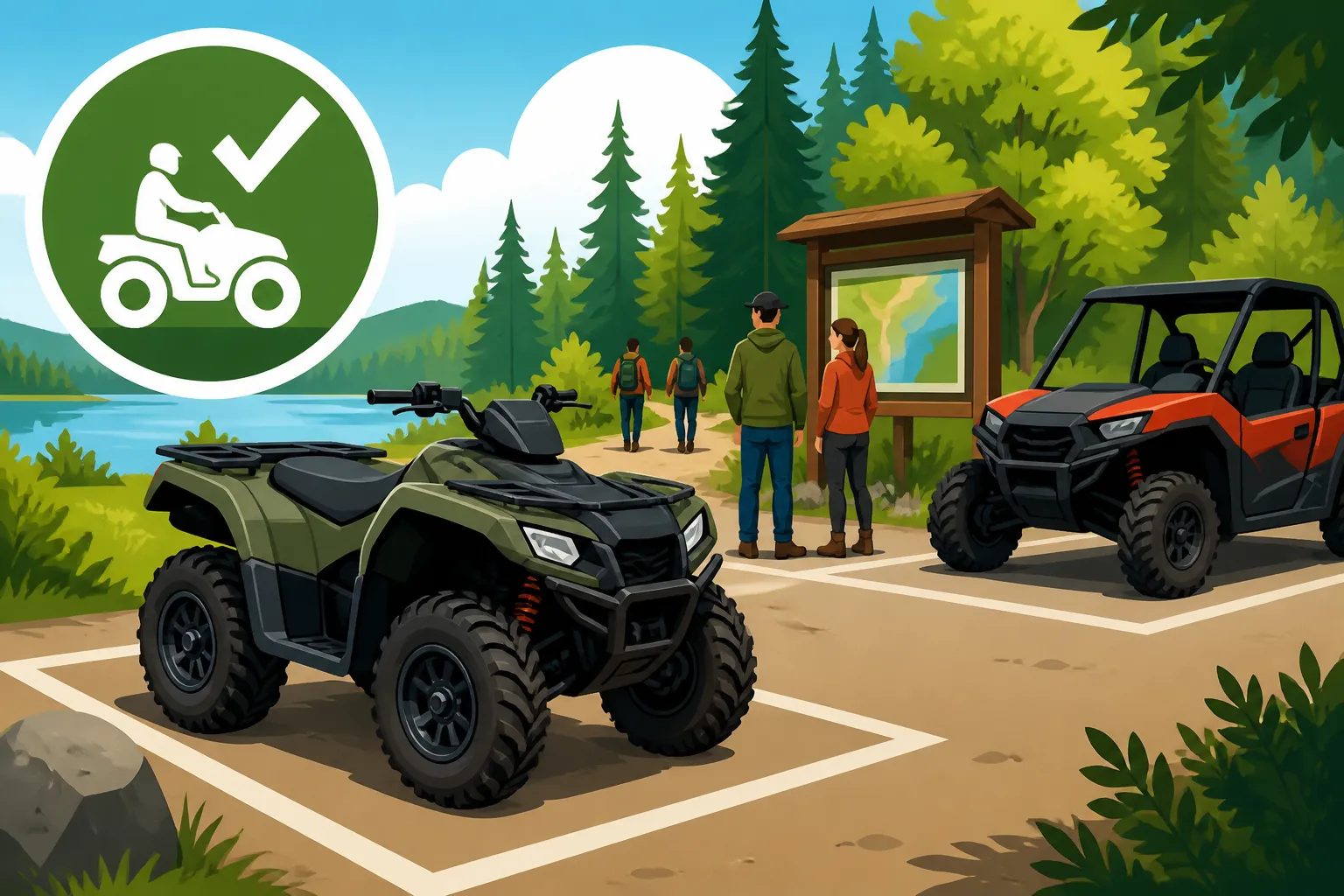
The first rule of a crowded trailhead is to resist the urge to immediately dive into the first perceived opening. Take a deep breath. Before committing your rig, drive slowly through the lot, taking stock of the situation. Look for designated truck and trailer parking areas, which are usually longer pull-through spots or areas explicitly marked for larger vehicles. Sometimes, there are separate zones for single machines or smaller setups, which can free up space. This initial reconnaissance is crucial, especially at popular spots like the [Iron Range OHV Area at Gilbert], where the layout can be complex.
Think of it like a chess game: you need to anticipate not just your next move, but how your move affects everyone else. Observe the flow of traffic – where do most people enter, unload, and exit? Are there any obvious dead ends or tight corners that would be a nightmare to navigate with a trailer? Identifying these choke points early can save you a lot of headache and reverse maneuvering later. A quick visual scan can reveal if there's an overflow lot you missed or if certain sections are better suited for specific vehicle types.
It's not uncommon to see riders who, in their eagerness, pull into a spot only to realize they've effectively blocked three other vehicles or made it impossible for themselves to turn around. This leads to frustrated glares, shouted directions, and sometimes, a whole lot of unnecessary backing up. Having a passenger hop out for a quick ground-level scout can also be incredibly helpful, acting as your eyes and ears to spot overlooked opportunities or potential pitfalls.
Some trailheads are well-marked with signs, while others rely on common sense and years of rider tradition. If you’re visiting a new trail system, a quick search online for trailhead maps or satellite views can give you a lay of the land before you even leave home. Knowing the general layout can significantly reduce stress upon arrival, allowing you to confidently aim for the most suitable parking zone rather than just circling aimlessly in a sea of trucks and trailers.
Unloading Your Machine: Space and Safety
Once you’ve identified a potential parking spot, the next challenge is creating enough space to safely unload your ATV or UTV. This is where patience truly becomes a virtue. You need room to lower your tailgate or ramps, and then guide your machine off the trailer without clipping another vehicle or, more importantly, running into a person. In a packed lot, this often means waiting for a brief lull in traffic or for a nearby spot to open up.
Imagine pulling up to a busy trailhead at Nemadji State Forest. You've found a spot, but the truck next to you is parked a little close, or there are kids running around. You can't just throw caution to the wind. Take your time, ensure your trailer is level, and set your parking brake. If you have a side-by-side that requires a longer ramp setup, you might even need to ask a neighbor to temporarily shift their vehicle a foot or two, or wait for them to finish their own loading/unloading process. Clear communication and a friendly demeanor go a long way here.
Even with ample space, safety is paramount. Make sure your ramps are securely fastened and on solid ground. Your machine should be properly [Tying a Machine Down for the Interstate] during transport, and the reverse process needs to be done carefully. Watch for bystanders, especially children who might not be paying attention. It’s a good idea to have a spotter if available, guiding you down the ramps. Rushing this process in a crowded environment is a recipe for an accident, whether it’s a damaged bumper, a scraped fender, or worse, an injury.
After your machine is on the ground, secure your ramps and tailgate. If you're parking a large toy hauler and unloading multiple machines, the space requirements are even greater, making [Trailhead Parking for a Toy Hauler] its own unique challenge. Think about where your machine will sit once unloaded – is it out of the main flow of traffic? Is it stable? The goal is to move efficiently without creating a hazard or inconvenience for others, setting a positive tone for your entire day on the trails.
Safety and Security: Protecting Your Investment
Trailheads, unfortunately, can sometimes be targets for theft or vandalism, especially when they are busy and people are distracted by the excitement of getting on the trail. Your ATV or UTV, and the vehicle you used to transport it, represent a significant investment, whether it's an entry-level quad or a tricked-out side-by-side. Taking proactive steps to secure your assets is just as important as knowing where to park.
Securing Your ATV While You Ride
Once your ATV or UTV is off the trailer and parked at the trailhead, ready for action, the focus shifts to ensuring it stays put. If you're leaving a machine on a trailer while you ride another, or if you're taking a single machine off and parking it at the trailhead while you stage with friends, always lock it. A heavy-duty chain and padlock through the frame or wheels can deter opportunistic thieves. Many riders also use a disc brake lock or a steering wheel club for side-by-sides. Consider investing in a quality security system or GPS tracker, which can be invaluable for recovery if the worst happens.
Even if you’re only going to be away from your machine for a short period, such as when you run to the restroom or chat with friends, don't leave the keys in the ignition or valuable items unsecured. It's a sad reality that some individuals look for easy targets. It’s wise to take a moment to confirm that your machine's VIN hasn't been tampered with or that it doesn't look suspicious, though usually this concern is more for buyers looking at used machines; for your own machine, familiarity with its markings helps prevent confusion. For peace of mind, it’s always a good idea to know how to perform a quick check, in case you ever need to quickly cross-reference information like [Checking Whether a Quad Was Reported Stolen].
For those who trailer their machines, the security of the trailer itself is also critical. Lock the hitch pin, and use a coupler lock to prevent anyone from simply hitching up your trailer and driving off. High-quality tie-downs from reputable brands, perhaps even specialized ones from a company like SuperATV, not only secure your machine for travel but also add an extra layer of difficulty for anyone attempting to remove it without your permission. Remember, the goal is to make your setup as unattractive a target as possible.
Don't forget about your personal belongings. Wallets, phones, and other valuables should either be on your person or locked securely out of sight in your tow vehicle. Never leave them openly displayed on seats or dashboards. The hassle of a broken window and stolen items can quickly ruin a fantastic day on the trails. Think like a thief for a moment: what's easy to grab? What's visible? Eliminate those temptations.
Protecting Your Vehicle and Trailer
Your tow vehicle and trailer are just as vulnerable as your ATV or UTV. When parking, try to choose a spot that is well-lit, if you're arriving early or leaving late, and ideally in a location that has some visibility to other people. Parking further away from the immediate chaos can sometimes be safer, as it's less prone to accidental bumps and scrapes from other vehicles maneuvering. If you're parking a sizable rig, consider using wheel chocks on your trailer tires for added stability and to deter any unauthorized movement.
Accidental damage is also a real concern at busy trailheads. Other riders might be backing up, turning around, or simply distracted. Parking carefully, ensuring you're within your designated lines and not encroaching on another vehicle's space, is a good preventative measure. If you have a large side-by-side or a particularly valuable machine, you might consider adding robust bumpers or rock sliders. While primarily for trail protection, these accessories, which you could find from vendors like SuperATV, can offer a degree of protection against minor trailhead bumps as well.
Before you leave your vehicle, do a quick check: are all windows up? Are the doors locked? Is the tailgate secured? Just like with your ATV, keeping valuables out of sight is paramount. If your truck has a tonneau cover or a locked toolbox, utilize it. For longer trips, or if you're camping nearby, consider putting up sunshades or window covers to obscure the interior. The less a potential thief can see, the less enticing your vehicle becomes.
It’s also important to ensure your trailer is in good repair and properly maintained. Make sure tires are aired up, lights are working, and the hitch connection is solid. A breakdown at a busy trailhead is not only inconvenient but can also create additional hazards for other riders. Regularly inspect your trailer, much like you would your ATV, to ensure it’s trail-ready.
Trailhead Etiquette: Being a Good Neighbor
A busy trailhead is a shared space, and like any shared space, it operates best when everyone practices good etiquette. The vast majority of ATV and UTV riders are considerate and friendly, but a few thoughtless actions can quickly sour the experience for everyone. Being a good neighbor ensures that everyone can enjoy the trails, and helps maintain a positive image for the riding community.
Respecting Space and Flow
The golden rule at a busy trailhead is to respect other people's space and not impede the flow of traffic. This means not parking haphazardly, even if it's "just for a minute," and certainly not blocking access roads or other parking spots. Imagine you're trying to back out of your spot with a long trailer, and someone has parked their quad right behind your hitch. It's incredibly frustrating and creates unnecessary delays. Always leave enough room for others to maneuver, unload, and load their machines.
Noise can also be an issue, particularly early in the morning or late in the evening. While the rumble of an ATV or UTV engine is part of the experience, try to keep revving and loud music to a minimum when in the parking lot. Many trailheads are near residential areas or campgrounds, and people appreciate the quiet. Similarly, when you’re done riding and are [Riding Into a Minnesota Trail Town] for food, be mindful of noise levels in town as well.
Another important aspect is cleanliness. After a long day on the muddy trails, your machine and trailer are likely covered in dirt, dust, or mud. While you can't always do a full wash, try to knock off the worst of the mud before leaving the immediate staging area. This prevents tracking excessive debris onto public roads or leaving large piles of mud behind at the trailhead. It shows respect for the facility and the next group of riders. Even if you're just [Plowing a Minnesota Driveway With a Machine], you probably don't want to track mud all over your own property, so extend that courtesy to shared public spaces.
When you're gathering your group, try to do so efficiently and away from the main thoroughfare. Don't block the entrance or exit while you're waiting for stragglers. Pull off to the side, allowing others to come and go freely. This thoughtful consideration helps keep things moving smoothly and reduces congestion, which is beneficial for everyone eager to get out and ride.
Trash and Trailhead Maintenance
"Pack it in, pack it out" isn't just a trail motto; it applies equally to the trailhead. Nothing is more disheartening than returning from a beautiful ride to find trash strewn across the parking lot or overflowing from a small bin. Always dispose of your garbage properly. If there are designated trash cans, use them. If they are full, or if there aren't any available, then take your trash home with you. It's a simple act of responsibility that makes a huge difference.
Remember that many of Minnesota's incredible trail systems and their associated facilities are maintained by dedicated volunteers and [Minnesota ATV Clubs and the Trails They Keep]. These individuals and groups put in countless hours of their own time, often without pay, to clear trails, maintain signage, and keep trailheads tidy. Littering or damaging facilities not only disrespects their hard work but also puts a strain on limited resources.
If you notice an issue, like a broken sign or an overflowing trash can, consider reporting it to the local DNR office or a local ATV club. Rather than just complaining, being part of the solution helps preserve these invaluable resources for everyone. Even something as small as picking up a piece of litter you didn't drop can contribute to a cleaner, more welcoming environment for all riders.
Chemical spills, such as oil, gas, or coolant, are also a serious concern. If you have a leak or spill at the trailhead, do your best to contain and clean it up immediately. Carry a small spill kit (even just some absorbent rags) for such emergencies. These chemicals can harm the environment and are a nuisance for other users. Being prepared for minor mishaps demonstrates a high level of responsibility and care for the public lands we all share.
Planning Ahead: Making Your Trailhead Experience Smoother
A smooth trailhead experience often starts long before you even leave your driveway. Proactive planning can dramatically reduce stress upon arrival, especially during peak riding seasons or on popular weekends. By anticipating potential challenges and having the right gear, you can turn a potentially frustrating situation into a seamless transition from road to trail.
Timing is Everything: Beat the Rush or Embrace It
One of the most effective strategies for dealing with busy trailheads is timing your arrival. On popular weekends or during special events like [Minnesota's No Registration Weekend], trailheads can fill up surprisingly early. If you're a morning person, consider arriving bright and early, often an hour or two before most riders are even out of bed. You'll likely find plenty of parking, a peaceful atmosphere for unloading, and you'll be among the first on the trails, enjoying pristine conditions.
If early mornings aren't your style, consider riding on weekdays. This is often when trailheads are at their least crowded, offering a more relaxed experience. Mid-week rides can be just as rewarding, sometimes even more so, due to the tranquility and ease of access. For those with a more flexible schedule, it's a game-changer.
Alternatively, if you know you'll be arriving at peak times, mentally prepare for it. Embrace the social aspect – it's a great opportunity to connect with other riders, share tips, or even find new riding buddies. If your machine is a more specialized size, like those designed for [Minnesota Trails That Suit a 50-Inch Machine], you might find certain trailheads are less busy or offer more suitable parking, so research pays off. However, never compromise safety or etiquette just to "get in" faster. Patience, a good attitude, and a willingness to work with others will make the experience better for everyone.
Another option is to seek out less-trafficked trailheads if your riding plans allow. While popular spots are popular for a reason, Minnesota has an extensive network of trails, and often there are smaller, equally enjoyable access points that see fewer crowds. This might require a bit more driving or a slightly different route to your desired trail section, but the trade-off in peace and ease of parking can be well worth it.
Essential Gear for Trailhead Convenience
Beyond your riding gear and the standard recovery equipment for the trail, there are a few items that can make your life much easier at a busy trailhead. First and foremost, a good set of durable, non-slip ramps is critical. Brands like SuperATV offer heavy-duty options that can handle the weight of any machine and provide a secure surface, even when things are a bit chaotic. Make sure they're in good repair and easily accessible.
Consider a small, portable tool kit or at least a few essential wrenches and a tire gauge. You never know when you might need to make a quick adjustment to a tie-down, tighten a loose bolt, or check your tire pressure before hitting the trail. Having these items readily available in your tow vehicle can save you a lot of time and frustration. A small air compressor that plugs into your vehicle's accessory outlet is also a fantastic investment for airing up tires after a muddy patch or simply before you head out.
For those planning longer rides, or if your machine has a smaller fuel tank, bringing extra fuel is a no-brainer. This ties into [Fuel Planning for a Minnesota Trail Day]. Securely carry an approved fuel can in your truck or trailer, rather than trying to fit it into your machine's storage. It's not uncommon for riders to head back to the trailhead, only to realize they're low on gas for the ride home – an easy fix with a spare can.
Finally, don't forget the essentials for personal comfort and safety. A well-stocked first aid kit should always be with you, both on your machine and in your tow vehicle. Water, snacks, and perhaps a comfortable chair for hanging out while friends get ready can make the pre-ride and post-ride experience much more enjoyable. Being prepared for minor issues or extended waits ensures that a busy trailhead doesn't detract from your overall adventure.
| Aspect of Trailhead | Best Practice | Why It Matters |
|---|---|---|
| Arrival & Parking | Scout the lot before committing; use designated spots. | Prevents blocking others, allows for safe unloading, reduces stress. |
| Unloading | Take your time, use a spotter if available, secure ramps. | Avoids accidents, protects your machine and others, ensures personal safety. |
| Machine Security | Lock your ATV/UTV, use hitch/coupler locks on trailers. | Deters theft, protects your investment, provides peace of mind. |
| Vehicle Security | Lock valuables out of sight, park in well-lit areas. | Prevents smash-and-grabs, protects your vehicle. |
| Etiquette | Be mindful of noise, clean up mud, dispose of trash properly. | Shows respect for other riders, volunteers, and the environment. |
| Timing | Arrive early, ride weekdays, or embrace the social aspect. | Reduces crowds, offers better parking, enhances overall experience. |
| Preparedness | Carry a toolkit, extra fuel, first aid, and quality ramps. | Addresses minor issues, ensures safety, maintains ride momentum. |
Disclaimer
This article is for general informational purposes only and does not constitute professional advice. Laws, prices and regulations vary by location and change over time. Consult a qualified professional for guidance on your specific situation.