Small-Town Gas Stations That Serve Riders
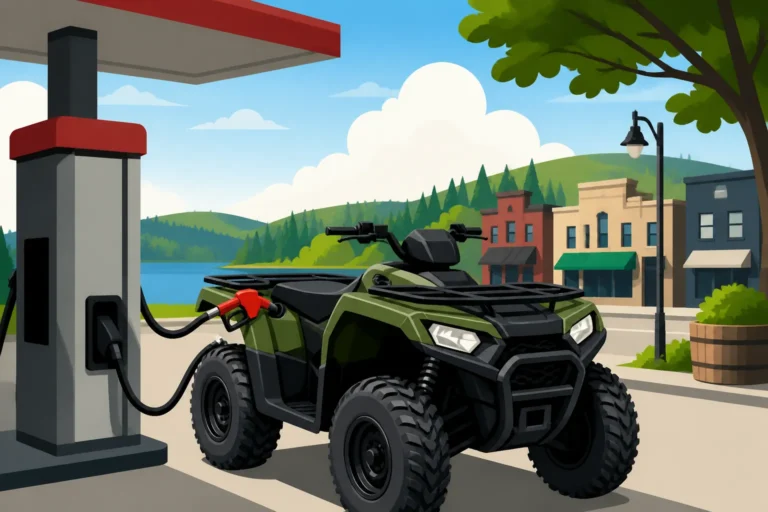
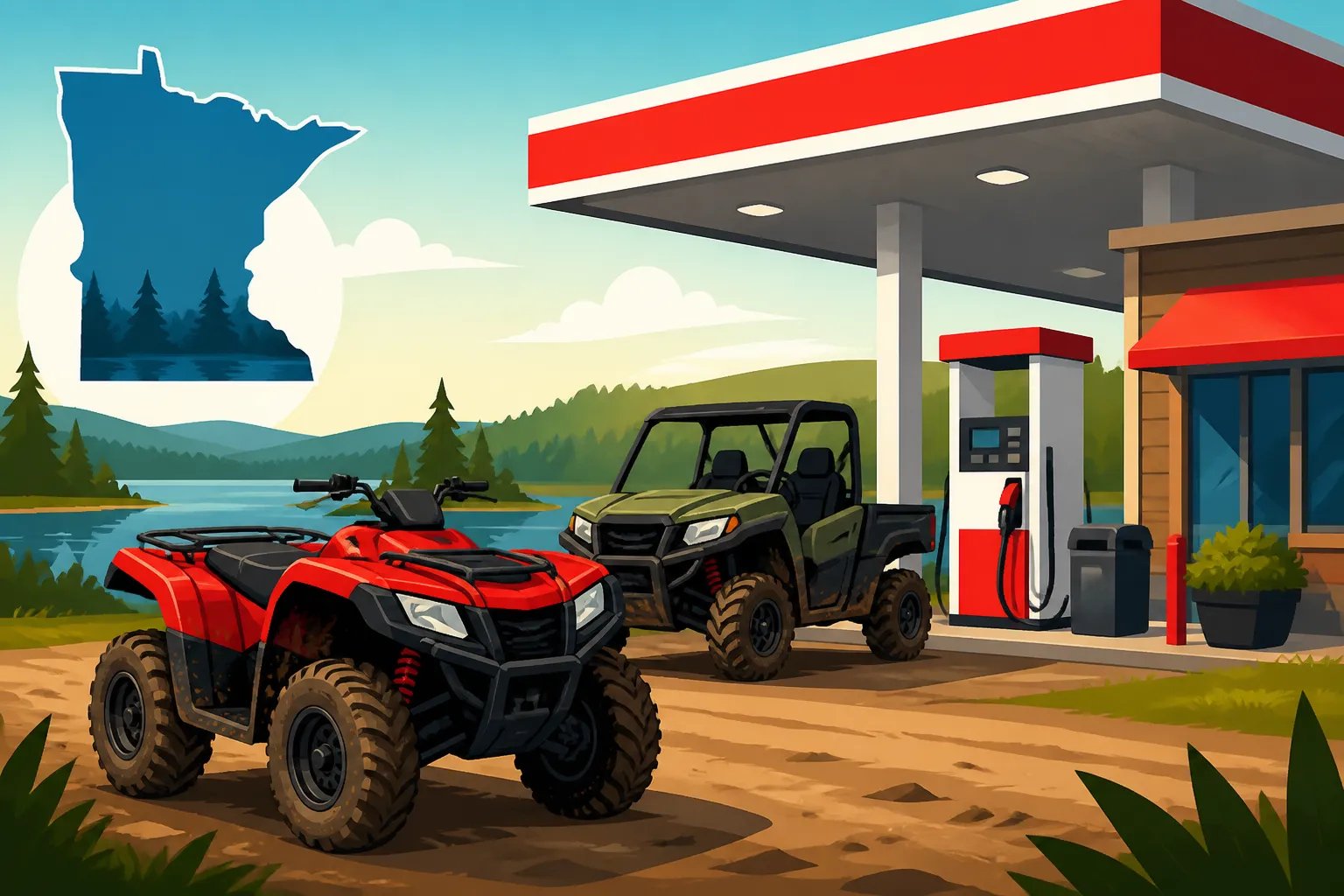
There's nothing quite like exploring Minnesota's incredible ATV and UTV trails, feeling the freedom of the open path, but that feeling can quickly turn to dread when the fuel gauge starts to dip dangerously low, especially when you're far from a major city. Finding reliable, accessible gas stations in small towns can be a real headache, with tight parking, limited hours, and sometimes even a lack of amenities that make a quick stop easy. This guide is here to take the guesswork out of fueling up, helping you identify and navigate the best small-town gas stations across Minnesota, ensuring your adventures never run dry.
Why Finding the Right Small-Town Gas Station Matters for Riders
When you're out on the trails, whether it's the sprawling [Soo Line North Trail Across Minnesota] or the technical terrain of the [Iron Range OHV Area at Gilbert], your machine needs fuel. It's a fundamental part of the adventure. But unlike driving your car in the city, an ATV or UTV ride often takes you to places where gas stations aren't on every corner, and the ones you do find might not be set up for off-highway vehicles. This isn't just about avoiding an empty tank; it's about making your entire trip smoother, safer, and more enjoyable.
The Challenge of Limited Access and Space
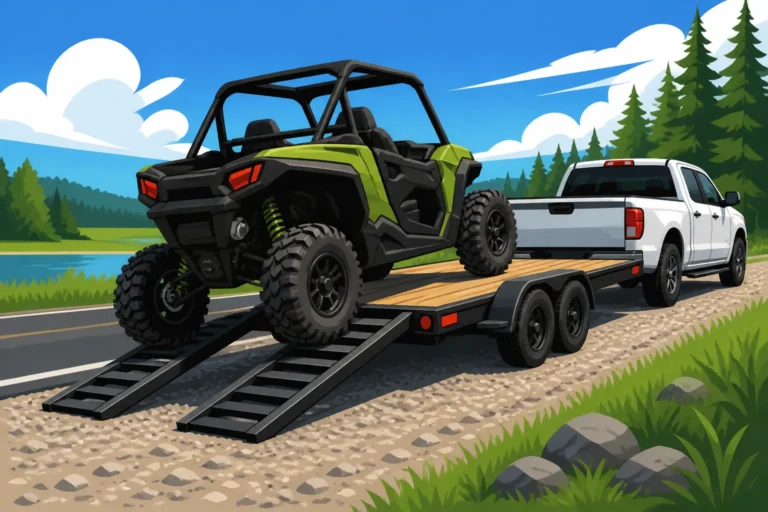
Many gas stations in smaller, older Minnesota towns were built long before side-by-sides or even larger ATVs became common, let alone riders hauling them on trailers. You'll often pull up to a pump only to find that maneuvering your rig, especially if you're pulling a dual-axle trailer with a couple of machines, is a logistical nightmare. Tight turns, narrow driveways, and limited parking can force you to unhitch your trailer just to reach the pump, which is a huge time-sink and frustration. It's a common scenario that can add unnecessary stress to what should be a relaxing ride.
Imagine rolling into a charming little town like Park Rapids after a day on the [Riding the Off-Road Triangle Around Park Rapids] trails, only to find the only gas station has a tiny lot crammed with cars, leaving no room for your truck and trailer. You might have to park blocks away, unhitch, drive the machine to the pump, refuel, and then go back for your trailer. It's inefficient, and frankly, it's not what you want to be doing when you're tired and hungry.
Understanding Fuel Availability and Grades
While most machines run on regular unleaded, some high-performance ATVs or UTVs might recommend premium fuel. In larger towns, finding 91 or 93 octane is usually not an issue. However, in truly remote small towns, some stations might only carry regular 87 octane, or perhaps a mid-grade. It's a small detail that can become a big problem if your machine truly needs a specific fuel type.
Moreover, in some of the most remote areas, stations might be closed for holidays, have reduced winter hours, or even be completely out of a certain fuel grade. You don't want to find yourself in a situation where you've ridden far, expecting to fill up, only to find your options are limited or nonexistent. Planning your fuel stops is just as important as planning your [Planning a Minnesota Riding Trip] route.
Identifying Rider-Friendly Gas Stations in Minnesota
So, how do you sort the good from the bad, or rather, the easy from the difficult, when it comes to fueling up in Minnesota's small towns? It often comes down to a little pre-planning and knowing what visual cues to look for. No one wants to waste precious riding time circling a town, desperately searching for a suitable place to fill up.
Look for Visual Cues and Practical Amenities
When you approach a gas station in a small town, take a quick scan before you commit. Here's what smart riders look for:
- Wide Driveways and Clear Access: Can you easily pull in with your truck and trailer without hitting a curb or having to make a three-point turn? Look for generous entrances and exits. This is probably the number one indicator of a rider-friendly station.
- Ample Parking: Is there space for your truck, trailer, and potentially other machines? Larger, well-maintained lots, especially those with designated "truck" or "RV" parking, are a good sign. Sometimes, even an empty lot across the street can be a temporary staging area if the station itself is tight.
- Truck Stops or Larger Independent Stations: While not always in tiny towns, if you see a facility that caters to semi-trucks, it's almost guaranteed to have the space you need. Smaller, independently owned stations outside the main downtown drag often have more space than those squeezed into a historic town square.
- Outdoor Pumps with Card Readers: This allows for 24/7 access, even if the store itself is closed. Many smaller towns might close early, especially off-season, and having the option to pay at the pump is a lifesaver.
- Clean Restrooms and Basic Supplies: A friendly station often takes care of its facilities. A clean restroom, a small convenience store with snacks, drinks, and maybe even a few basic automotive supplies (like oil or two-stroke mix) are always a bonus. You might even find some [Riding Gear a Minnesota Rider Needs] in a pinch.
Consider places like the gas stations you'd find when [Riding Into a Minnesota Trail Town] like Crosby or Remer. These communities often understand their visitors and make an effort to be accommodating.
Online Tools and Local Knowledge
In today's digital age, you have more resources than ever to help you find suitable stops.
- Mapping Apps with Satellite View: Before you even leave home, use Google Maps or similar services to check a satellite view of potential gas stations along your route. You can literally "see" the parking lot size, driveway width, and overall layout. This is an invaluable tool for pre-planning.
- Dedicated Off-Road Apps: Apps like onX Offroad often have points of interest, including gas stations, marked along trails. Riders in the community frequently review and add notes, which can include details about trailer access or hours. This is like getting hyper-local advice right on your phone.
- ATV/UTV Club Forums and Social Media Groups: Minnesota has a thriving off-road community. Join local Facebook groups or forums for areas you plan to ride. Ask fellow riders for recommendations! They'll often tell you which stations are easy to get into and which ones to avoid like the plague. Someone will likely know exactly [Small-Town Gas Stations That Serve Riders] in the area you plan to visit.
- Local Businesses and Tourism Offices: Don't underestimate the power of a quick phone call. A local resort, bait shop, or even the town's chamber of commerce can often point you to the best gas station for your needs. They want your business, and they understand what riders require.
Even when you have to park your trailer on a [Loading a Machine on a Gravel Shoulder] near a small station, having local intel can make all the difference.
Fueling Up Safely and Efficiently with Your ATV/UTV
Once you've found a suitable gas station, there's a certain etiquette and best practice that goes a long way, especially in small communities that value their peace and quiet. Being a good ambassador for the sport ensures these towns continue to welcome riders.
Being a Good Ambassador for the Sport
Remember, when you're pulling into a small town, you're representing the entire ATV/UTV community.
- Be Mindful of Noise: While you're excited, try to keep engine revs low and avoid unnecessary noise, especially if you have an aftermarket exhaust that might be louder. No one wants to annoy the locals. [Minnesota Noise Rules Near Lake Homes] are a good example of how much communities value quiet.
- Park Considerately: If you're unhitching, make sure your truck and trailer aren't blocking other businesses or creating a traffic hazard. Try to use designated truck or RV spots if available, or park in a way that minimizes disruption.
- Leave No Trace: Don't litter, and if you spill any fuel, try to clean it up. Basic respect for the environment and the property goes a long way.
- Engage Respectfully: A friendly "hello" or "thank you" to the store clerk can brighten their day and reinforce the positive image of riders.
Securing Your Machine and Belongings
Even in the friendliest small town, it's wise to take precautions when leaving your machine unattended, even for a few minutes while you grab a snack or use the restroom.
- Lock It Up: If your machine has a lockable steering column or parking brake, use it. Consider a heavy-duty chain lock for your ATV or a lock for your side-by-side's steering wheel.
- Secure Accessories: Valuable items like helmets, GPS units, or anything from SuperATV that might be easily removed should be taken with you or secured in a locked compartment. Many riders use durable cargo boxes, like those offered by SuperATV, for this very purpose.
- Visible Deterrents: Even a simple cable lock through the tires can be a deterrent. The goal isn't necessarily to make it impossible to steal, but to make it too much of a hassle compared to easier targets.
- Keep an Eye Out: If you're with a group, take turns keeping an eye on the machines while others go inside. This collective vigilance is an effective deterrent.
Carrying proof of ownership and [Keeping the Paperwork With the Machine] is always a good idea, just in case.
Carrying Emergency Fuel
Despite all your planning, sometimes things go wrong. Perhaps a station is unexpectedly closed, or you underestimated your fuel consumption on a particularly difficult stretch of trail. This is where carrying a small amount of emergency fuel becomes invaluable.
- Fuel Cans: A one or two-gallon fuel can, properly secured to your machine, can be a lifesaver. Many aftermarket accessories, including those you might find from SuperATV, are designed to integrate fuel can mounts cleanly and safely onto your ATV or UTV.
- Safety First: Always use approved fuel containers and ensure they are tightly sealed and secured so they don't leak or become dislodged during your ride.
- Know Your Range: Have a realistic understanding of your machine's fuel range, especially when fully loaded or riding aggressively. Knowing your typical consumption helps you plan fuel stops more accurately and anticipate when an emergency reserve might be needed.
| What to Look For in a Small-Town Gas Station | What to Avoid (if possible!) |
|---|---|
| Wide, easy-access driveways | Narrow, congested entrances/exits |
| Ample parking for trucks and trailers | Small, crowded lots with no trailer space |
| Pumps accessible from multiple angles | Pumps tucked tightly against the building |
| 24/7 pay-at-the-pump option | Cash-only or limited evening hours |
| Clean restrooms and convenience store | Unkempt facilities or no store amenities |
| Visual signs of welcoming riders (maps, ads) | No indication of rider awareness or welcome |
| Good cell service for maps/apps | Known "dead zones" where planning gets tricky |
Beyond the Pump: Making the Most of Small-Town Stops
Fueling up is often just one small part of a larger stop in a small town. These communities are often the lifeblood of the trail system, offering much more than just gas.
Discovering Local Gems and Support Services
Small towns along Minnesota's trail networks are often eager for rider business. Don't just fill up and leave; take a moment to explore.
- Grab a Meal: Many small towns boast fantastic local diners, cafes, or even unique eateries. Supporting these businesses helps the local economy and provides a great chance to refuel yourself. [Riding to Supper in a Minnesota Trail Town] can be one of the highlights of a trip.
- Local Shops: You might find bait shops, hardware stores, or convenience stores that carry a surprising array of gear relevant to riders or outdoor enthusiasts. Need an extra bungee cord, a spare spark plug, or a new pair of gloves? Sometimes these small shops have exactly what you're looking for.
- Basic Repairs: While not every small town will have a dedicated ATV/UTV mechanic, some might have a general automotive repair shop or a knowledgeable local who can help with a basic flat tire or a minor issue. Knowing where these are can be a lifesaver when you're far from home. A well-stocked tool kit from brands like SuperATV can help with common trailside fixes.
- Information Hubs: Sometimes, the gas station itself, or a nearby cafe, can be an informal information center. Locals might share insights on current trail conditions, recent wildlife sightings, or even point you to a hidden gem of a scenic overlook.
Remember that these small towns are part of the charm of [Where to Ride an ATV in Minnesota], and supporting them helps keep the trails accessible and vibrant.
Planning for the Next Leg of Your Journey
A gas station stop is also an excellent opportunity to regroup and plan for the next stage of your ride.
- Check Your Map and Route: Take a few moments to review your planned route. Confirm your next turns, especially if you're navigating complex trail systems or [Minnesota Trails That Link Two Towns]. Use your paper map in conjunction with your GPS or phone.
- Check Weather Updates: Weather can change quickly in Minnesota, especially in the northern reaches. A quick check of the forecast can help you decide if you need to don rain gear, adjust your speed, or even cut a ride short for safety.
- Machine Check: While you're at a standstill, do a quick visual inspection of your machine. Check tire pressure, look for any loose bolts, or signs of leaking fluids. It's much easier to spot a problem in a well-lit gas station lot than deep in the woods.
- Hydrate and Snack: Don't forget yourself! Grab some water, a sports drink, and a snack. Staying hydrated and energized is crucial for safe and enjoyable riding, especially on longer days on trails like the [Nemadji State Forest Trail Network].
By being prepared, observant, and respectful, you can turn what could be a stressful necessity into a smooth, efficient, and even enjoyable part of your Minnesota ATV or UTV adventure.
Disclaimer
This article is for general informational purposes only and does not constitute professional advice. Laws, prices and regulations vary by location and change over time. Consult a qualified professional for guidance on your specific situation.