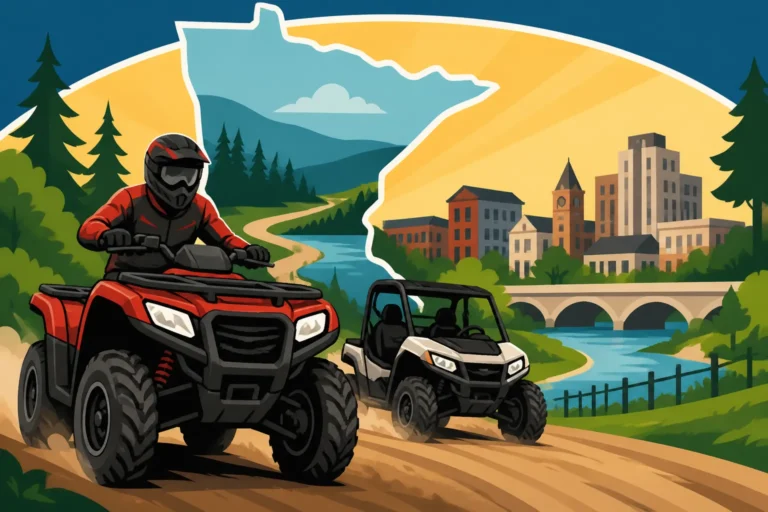
ATV Access on Minnesota State Park Roads
It's a common dream for many of us ATV and UTV enthusiasts: packing up the machine and heading to a beautiful Minnesota State Park, imagining a scenic ride through its roads. But if you’ve ever tried to map out such a trip, you likely hit a wall of confusion and maybe a little frustration. It turns out, accessing those picturesque state park roads on your off-highway vehicle isn't as straightforward as it might seem. This guide is here to clear up the rules, explain why they exist, and help you understand exactly what’s allowed and, more importantly, what isn’t, when it comes to ATV access on Minnesota State Park roads.
The General Rule: Are ATVs Allowed on State Park Roads?
Let’s get right to it, because it’s a question that trips up a lot of riders. The short answer, for the vast majority of cases, is no. Minnesota State Parks are generally not open to ATV or UTV use on their internal roads, even if those roads are gravel or seem "off-highway" in nature. This can feel like a real bummer, especially when you're looking at a map and seeing all those lovely winding paths. You see the signs for a state park, you have your machine ready, and it feels like a natural fit for exploring. But the reality is, state parks operate under a different set of rules and a distinct philosophy when it comes to motorized recreation.
Why State Parks Are Different
It’s easy to group all public lands together in your mind, thinking that if one state forest allows ATVs, then surely a state park should too. But that’s where the distinction lies. Minnesota State Parks are primarily managed for natural resource conservation, quiet recreation, and providing experiences that connect people with nature in more traditional ways. Think hiking, birdwatching, camping, fishing, and canoeing. The emphasis is on preserving ecological integrity and offering a peaceful environment.
This philosophy is quite different from state forests or the extensive [Minnesota's Grant-in-Aid Trail System], which are often designed with multiple uses in mind, including designated trails for off-highway vehicles. State parks aim to protect unique natural features, cultural resources, and provide habitats for wildlife with minimal disturbance from motorized traffic. So, while you might find fantastic ATV trails in a state forest like Nemadji or a dedicated OHV park like the Iron Range, state parks lean towards a quieter, more reflective outdoor experience. This difference in mission is why the rules diverge so sharply, and it’s a source of frustration for many riders who just want to explore more of our beautiful state.
The Letter of the Law in Minnesota State Parks
When you look at the specific regulations governing Minnesota State Parks, they are pretty clear about motorized vehicles. Generally, off-highway vehicles, including ATVs and UTVs, are prohibited on park roads, trails, or any land within state park boundaries unless specifically posted and designated for such use. And to be frank, such designations are exceedingly rare, if they exist at all, for recreational ATV use on the roads themselves.
The roads you encounter within a state park, whether paved or gravel, are primarily for accessing campgrounds, trailheads, picnic areas, or visitor centers. They are considered regular roads for cars, trucks, and other licensed vehicles. Your ATV, even if it's registered for public use elsewhere, isn't typically considered a standard road vehicle in this context. It's not about your machine's legality on other public roads or trails; it's about the specific land management rules for state parks. This means pulling into a state park like Itasca, Jay Cooke, or Lake Bemidji with the intention of riding its internal roads for pleasure is a definite no-go. The rules are in place to ensure the park's natural quietude and to prevent potential damage to sensitive ecosystems that might not be as resilient as hardened OHV trails.
Designated Exceptions and Limited Access Points
Now, while the general rule is a resounding "no," the world of regulations sometimes has tiny exceptions. However, it's critical to understand that these are almost never for recreational ATV riding within a state park. We're talking about very specific, highly regulated scenarios that usually serve a utilitarian purpose rather than a recreational one. It's not like you'll stumble upon a hidden ATV trail just because you found a state park road.
Very Specific and Rare Designations
In extremely rare instances, a state park might have a small, very clearly marked section of road or a crossing that allows an ATV. This wouldn't be for joyriding, though. It's almost exclusively for administrative use by park staff, for maintenance, or possibly a very short, explicitly signed corridor designed to connect an existing, designated OHV trail system outside the park across a tiny corner of the park boundary to another section of an OHV trail.
These are not opportunities for you to hop on your ATV and cruise through the park's scenic drives. If such an access point exists, it will be conspicuously marked with official signage from the Minnesota Department of Natural Resources (DNR). Without that clear, official signage, you should always assume ATVs are prohibited. Your best bet for verifying any such exceptions is to call the specific state park office directly before you even hitch up your trailer. Relying on old maps or hearsay can lead to an unwelcome conversation with a conservation officer.
Connecting to Approved Trails (Rare Cases)
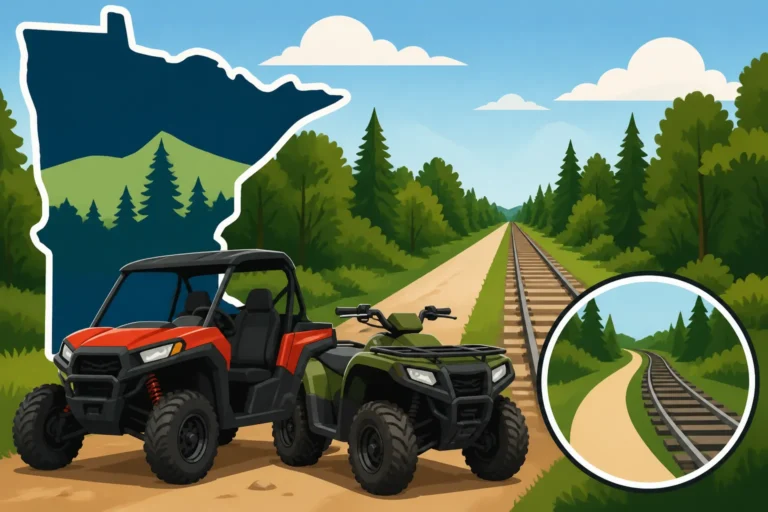
Imagine a scenario where a designated ATV trail, perhaps part of a county trail system or a state forest trail, runs right up to the boundary of a state park, and then picks up again on the other side. In theory, a very small section of a state park road could be designated as a "connector" to bridge these two segments. However, let me reiterate: this is incredibly rare and would be explicitly signed. This isn't about riding through the park; it's about using the absolute minimum necessary to link two legitimate OHV trail sections.
Even in such a hypothetical situation, you would typically be expected to proceed directly and safely, respecting all park rules, and not deviate from the designated connector. These connections, if they exist, are not recreational opportunities themselves. They are purely functional. Think of it less like a trail and more like a brief, necessary crossing. Again, this is where checking official DNR maps and contacting the specific park's administration is paramount. Don't ever assume; always verify. For instance, if you're looking at a large trail network like the [Soo Line North Trail Across Minnesota], and it appears to brush up against a state park, double-check the exact rules for that segment. It's often the case that the OHV trail simply diverts around the state park boundary.
What You Can Do in Minnesota State Parks with an ATV (Indirectly)
While riding your ATV on state park roads for recreation is pretty much out, that doesn't mean state parks are completely off-limits to ATV owners. You just have to adjust your mindset and understand how your machine can still be part of a broader outdoor adventure that includes these beautiful areas. It's all about indirect access and embracing the state park's primary offerings.
Trailering Through or Parking to Access Other Trails
One very practical way many ATV owners interact with Minnesota State Parks is by using them as a transit point or a base camp. You can certainly trailer your ATV through a state park on its main roads (the ones accessible to highway-legal vehicles) to get to a different destination. For example, if a state park road is part of the most direct route to a designated ATV trailhead outside the park, you can drive your truck and trailer, with your ATV securely loaded, right through. Just don't unload and ride the ATV within the park itself. This is a common strategy, especially if a state park is located strategically between major roads and popular OHV riding areas. Ensure your [Trailer Registration for Hauling ATVs in Minnesota] is up to date, of course!
Another option is using state park parking lots as staging areas for other types of recreation, even if your ATV stays on the trailer. Many state parks have excellent access to lakes, rivers, or hiking trail systems that might be adjacent to or accessible from areas where ATVs are allowed. You could, for instance, park your rig at a state park campground, enjoy some hiking or fishing, and then drive a short distance outside the park to a legitimate ATV trail for your ride. Think of the state park as your scenic base camp or a convenient stopover, not your riding destination. Always remember to check [Parking an ATV at a Busy Trailhead] for tips on safe and courteous parking.
Camping and Non-Motorized Recreation
Here's where state parks really shine for ATV owners who are also general outdoor enthusiasts: camping and non-motorized recreation. Many riders own ATVs because they love the outdoors, and state parks offer some of the most beautiful camping and natural experiences Minnesota has to offer. You can absolutely bring your ATV to a state park if you're staying in a campsite, but the machine must remain parked and secured at your site. It's essentially treated like any other vehicle or piece of gear you bring for your stay.
While your ATV is parked, you can enjoy all the state park has to offer:
- Hiking: Explore miles of scenic trails on foot.
- Fishing: Cast a line in a pristine lake or river.
- Paddling: Rent a canoe or kayak and explore the park's waterways.
- Biking: Many state parks have paved or gravel bike trails.
- Wildlife Viewing: Spot deer, eagles, and other native species.
Imagine spending your days hiking and fishing in Afton State Park, then driving your truck a short distance to a nearby county trail where you can unload your ATV for a ride. It's about combining adventures and respecting the specific rules of each type of public land. Your ATV can be a fantastic tool to get you to the broader outdoors, even if it's not always allowed within every specific type of park. Embrace the diversity of Minnesota's outdoor opportunities!
Avoiding Penalties and Riding Responsibly
Navigating the rules for ATV use, especially around sensitive areas like Minnesota State Parks, requires diligence and a strong commitment to responsible riding. Ignorance of the law is rarely an excuse, and unintentional violations can still lead to significant penalties. It's always better to be overly cautious than to risk a fine or, worse, cause damage to natural resources.
The Consequences of Unauthorized Riding
Riding your ATV or UTV on a Minnesota State Park road or trail where it's prohibited can lead to several unpleasant consequences. Conservation officers and park rangers are highly knowledgeable about the regulations and are tasked with enforcing them. If you're caught, you could face:
- Fines: These can be substantial and add up quickly, especially if there are multiple violations.
- Vehicle Impoundment: In some cases, your ATV or UTV could be impounded, leading to towing and storage fees on top of any fines.
- Restitution for Damages: If your machine causes any damage to sensitive areas, you could be held liable for the costs of repair or restoration.
- Loss of Riding Privileges: Repeated or severe violations could potentially impact your ability to register or ride off-highway vehicles in Minnesota.
Think about the bigger picture, too. Unauthorized riding not only impacts your wallet but also gives all ATV riders a bad name. It fuels negative perceptions and can make it harder for advocates to secure access to new riding areas or maintain existing ones. Protecting access starts with every individual rider being responsible. The rules are there for a reason, often to protect the very natural beauty we all want to enjoy. Always check to see [What a Minnesota Conservation Officer Asks For] when you're pulled over, as they'll expect you to know the rules.
Resources for Identifying Legal Riding Areas
The best way to avoid trouble and ensure you're riding legally and responsibly is to always consult official resources. Don't rely on outdated information, social media rumors, or what a friend "heard." Here are your go-to sources for accurate information:
- Minnesota DNR Website: The Minnesota Department of Natural Resources (DNR) website is the authoritative source for all regulations, trail maps, and land use policies. They have dedicated sections for OHV use, state parks, and state forests. Always check the most current information before you plan a trip.
- DNR OHV Trail Maps: The DNR publishes detailed maps of all designated ATV and UTV trails across the state. These maps clearly show where you can ride. If a trail isn't on an official DNR OHV map, assume it's not open to ATVs. [Minnesota's Grant-in-Aid Trail System] maps are particularly useful for finding legal routes.
- Individual State Park Offices: If you have specific questions about a particular state park, the best course of action is to call the park office directly. Park staff are the local experts and can provide the most current and specific guidance.
- Local County and Forest Service Offices: For trails and roads outside of state parks, but still on public land, check with the relevant county or forest service offices. They often manage their own local trail systems and have up-to-date information.
By proactively seeking out official information, you're not just protecting yourself from penalties; you're also ensuring that you contribute positively to the overall image of the ATV riding community. Happy, responsible riding is always the goal!
| Land Type | Primary Purpose | General ATV Access on Roads | Key Characteristics |
|---|---|---|---|
| Minnesota State Park | Conservation, passive recreation, quiet enjoyment | Generally Prohibited | Focus on natural beauty, hiking, camping; minimal motorized use. |
| Minnesota State Forest | Multiple-use management, timber, recreation | Designated Trails Only | Extensive OHV trail networks, often shared with other users. |
| OHV Recreation Area | Dedicated motorized recreation | Permitted (Specific Zones) | Built for OHVs, various difficulty levels, e.g., Iron Range OHV Area. |
| County Roads | Public travel for licensed vehicles | Designated "Ditch Riding" | Rules vary by county; often allowed on road shoulders/ditches, not surface. |
Disclaimer
This article is for general informational purposes only and does not constitute professional advice. Laws, prices and regulations vary by location and change over time. Consult a qualified professional for guidance on your specific situation.