Appleton and Other ATV-Friendly Minnesota Cities
There's nothing quite like the freedom of hitting a Minnesota ATV trail, but let's be honest, sometimes you just need to roll into town for gas, grab a bite, or maybe even pick up a few forgotten supplies. The frustration of having to unhook the trailer, load up the truck, and then drive your machine the last mile into a small community can really put a damper on your ride. This guide is all about navigating those welcoming Minnesota communities, with a special focus on places like Appleton, and understanding the ins and outs of street-legal riding so you can seamlessly transition from trail to town.
The Appeal of ATV-Friendly Minnesota Cities
For many riders, the idea of rolling off a dusty trail and directly into a bustling (or even quiet) small town is a dream. It transforms a day ride into an adventure, allowing for greater convenience and a richer experience. But what makes a city "ATV-friendly," and why is that so important to us as riders?
Why Local Access Matters for Riders
Imagine you’re deep into a ride on the Soo Line North Trail, miles from home, and your fuel gauge is starting to look a little concerning. Or maybe the kids are getting restless and desperately need an ice cream cone. Having the option to simply pull off the main trail, follow a designated route into a nearby town, and access amenities without a major logistical headache is a game-changer. It means you don't have to pack a full picnic for every outing, or worry about having enough gas cans strapped to the back. This local access opens up possibilities for longer rides, more spontaneous adventures, and a much more relaxed pace. It's about more than just convenience; it’s about feeling truly integrated into the landscape and communities you're riding through. Plus, it gives you a chance to truly experience the small-town charm of Minnesota, supporting local businesses and getting a real taste of the culture, rather than just zooming past on the outskirts. This direct link makes it easier to fulfill basic needs, grab a forgotten part, or even just find a comfortable spot to rest before heading back to the trails. The ability to grab a burger or fill up the tank transforms a functional stop into an enjoyable part of the journey. For those on extended trips, being able to access lodging or a small repair shop can save a lot of headaches, especially if you're dealing with unexpected issues far from home.
How Cities Become "ATV-Friendly"
A city doesn't just wake up one day and decide to welcome ATVs and UTVs onto its streets. It's a deliberate process, usually driven by a combination of local rider advocacy, a desire to boost tourism, and the recognition of the economic benefits that come with catering to the off-road community. Local governing bodies, often city councils, pass specific ordinances that define where and when these machines can operate within city limits. These ordinances are carefully crafted to balance the needs of riders with the concerns of residents, addressing things like noise, safety, and traffic flow. You'll often see designated routes marked clearly, speed limits imposed, and sometimes even specific hours of operation. These initiatives are often supported by local ATV clubs and chambers of commerce who understand the positive impact riders can have on the community, from buying gas and groceries to staying in hotels or dining out. Many communities see ATV traffic as a vital way to keep their local economy strong, especially in rural areas that are natural hubs for outdoor recreation. It requires careful planning, community meetings, and sometimes pilot programs to see what works best. The successful integration of ATVs into city traffic is a testament to cooperation between riders, businesses, and city officials.
Appleton, Minnesota: A Case Study in Rider Welcome
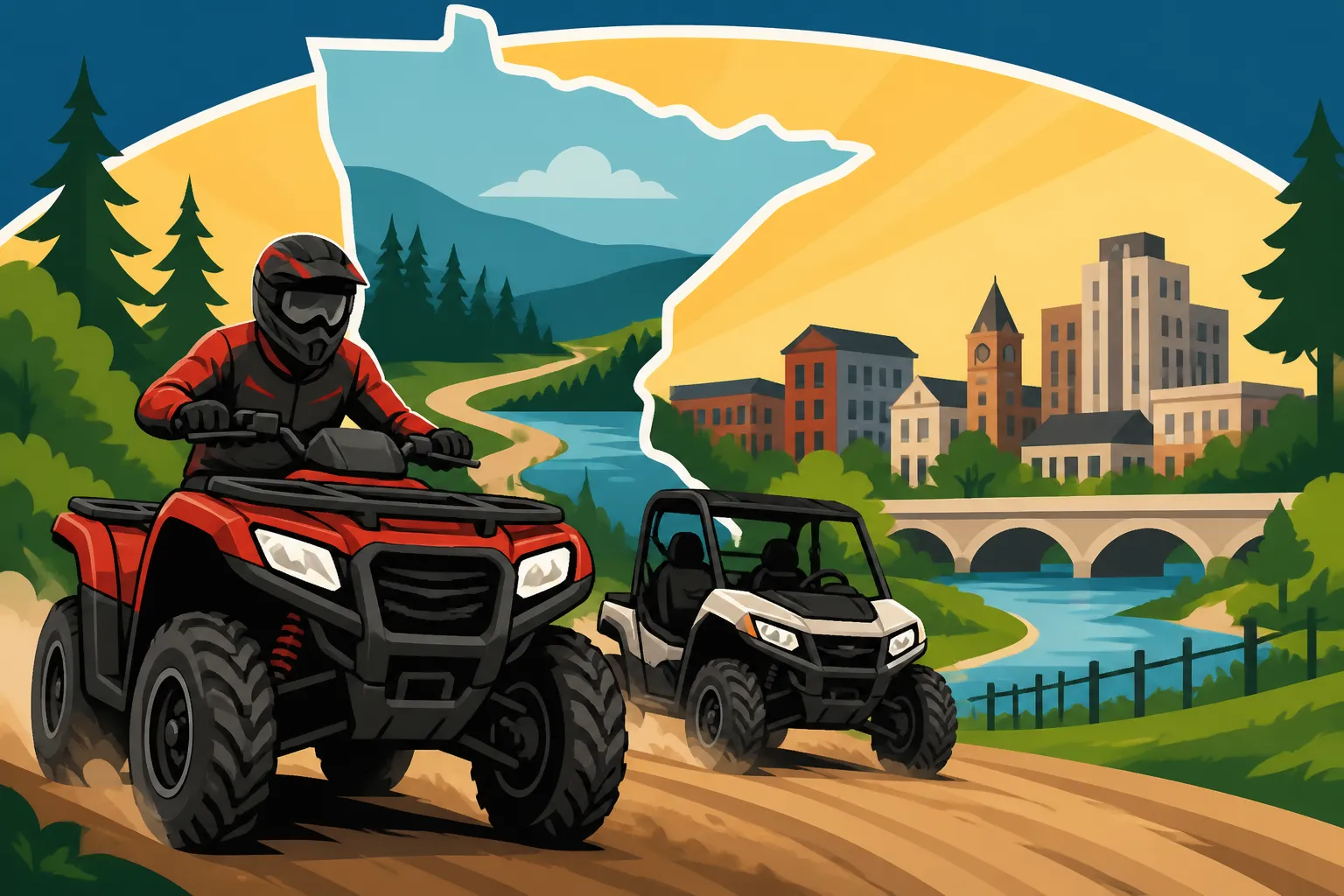
Nestled in western Minnesota, Appleton is a fantastic example of a community that has embraced the ATV and UTV riding culture. It's a place where you can genuinely feel welcome on your machine, provided you understand and respect their local rules. For many, Appleton serves as a convenient stop or even a base camp when exploring the nearby regional trails and ditches.
Navigating Appleton's Designated Routes
Like many ATV-friendly towns, Appleton has established specific routes for off-highway vehicles. You can't just cruise down any street; it's crucial to stick to the roads and alleys that have been designated for ATV and UTV use. These routes are typically marked with clear signage, making it easy to identify where you're permitted to ride. Often, these routes connect directly to main trails or lead to key services within the city. You'll likely find that speed limits are strictly enforced within city limits, often much lower than what you might be used to on a dirt trail, so be prepared to slow down and obey all traffic laws, just as you would in a car. The idea is to allow access while minimizing disruption to local residents and ensuring safety for everyone. If you're ever in doubt, the best course of action is to check the city's official website or inquire with the local police department or city hall for a current map or detailed regulations. Failing to follow these designated routes could result in a citation, which nobody wants when they're out enjoying a ride. Always approach these areas with caution and a commitment to safe, respectful riding. You'll notice many communities designate streets that are less traveled or those that naturally connect to trailheads and amenities. [Riding an ATV Into Appleton] involves being aware of these specific pathways and adhering to all posted rules.
Services and Amenities for Riders in Appleton
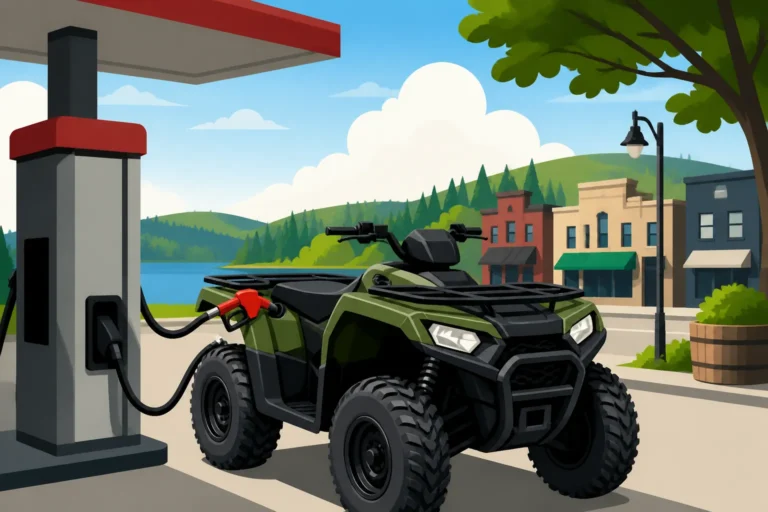
One of the biggest perks of an ATV-friendly town like Appleton is the direct access to essential services. Imagine pulling up to a gas station right on your UTV, filling up the tank, and then heading over to a local cafe for a hot meal. Appleton boasts several establishments that are accustomed to serving riders. You'll find gas stations conveniently located, often with plenty of space to maneuver your machine. Local diners and restaurants offer a chance to refuel yourself, and some might even have dedicated ATV parking. It’s not just about fuel and food, though. Having access to a hardware store for a quick repair part, a grocery store for forgotten supplies, or even a local mechanic if something goes wrong, can be invaluable. These towns often have small businesses that understand the needs of riders, sometimes even stocking a few common ATV/UTV parts or offering repair services. Before you head out, it's always a good idea to identify these spots on a map so you know exactly where to go if you need something. This kind of thoughtful planning can turn a potential problem into a minor pit stop, allowing you to get back on the trail with minimal delay. Supporting these businesses directly contributes to the community's willingness to remain ATV-friendly, creating a positive cycle for everyone involved.
General Rules for Riding in Minnesota Trail Towns
While Appleton is a great example, many other towns across Minnesota have opened their doors (and streets) to ATV and UTV riders. However, it's critical to understand that "ATV-friendly" doesn't mean "anything goes." There are always rules, and they can vary significantly from one community to the next.
Understanding Local Ordinances and State Law
This is where things can get a little tricky, and it's perhaps the most common area of confusion for riders. Minnesota state law has specific guidelines for ATV operation, including details on ditch riding, trail access, and safety equipment. However, when you enter a city or township, their local ordinances take precedence within their boundaries. This means a city might permit you to ride on certain streets where state law might typically restrict such use, but it will come with its own set of rules—like designated routes, speed limits, and specific hours of operation. Conversely, just because you can ride in the ditch on a county road doesn't mean you can do the same within city limits. It’s absolutely essential to research the specific rules for any town you plan to enter. Ignoring these local laws, even if unknowingly, can lead to fines and a negative perception of riders, which ultimately harms the access we all enjoy. Always assume that local rules are more restrictive than general state laws unless you've confirmed otherwise. Remember that [Minnesota Rules on County Roads] and [Minnesota Cities That Allow ATVs on Streets] are two very different legal landscapes.
Safety and Etiquette in Town
Riding an ATV or UTV in an urban or suburban setting demands a different mindset than blasting down a forest trail. Safety is paramount, not just for you and your passengers, but for pedestrians, cyclists, and other motorists. This means significantly reducing your speed, especially in residential areas or near businesses. Always yield to pedestrians and other vehicles, and use turn signals well in advance if your machine is equipped with them (and if not, hand signals might be a good idea, though often not legally required for OHVs). Noise is another big consideration. Aftermarket exhausts that might sound great on the trail can be incredibly disruptive in a quiet town. Being mindful of noise levels, especially during evening hours, goes a long way in fostering good relationships with local residents. Think of yourself as an ambassador for the entire riding community. Your actions reflect on all of us. A courteous, cautious, and quiet rider is a welcome sight; a reckless or noisy one is not. We all want to keep these towns open to us, and demonstrating respect for their community is the best way to ensure that continues. Being extra careful and mindful of your surroundings is key to making sure that "ATV-friendly" status remains. This includes being aware of how your exhaust noise can carry, especially in quiet residential zones – it’s why understanding [Minnesota Noise Rules Near Lake Homes] can also apply to towns.
Finding Other ATV-Friendly Communities in Minnesota
Appleton is just one gem in a crown of communities across Minnesota that are embracing off-road riders. The key is knowing how to find them and what to look for when planning your next adventure. The riding landscape in Minnesota is constantly evolving, with more towns recognizing the economic boon that ATV and UTV tourism can bring.
Researching Potential Trail Towns
So, you're looking for another town like Appleton? The Minnesota DNR website is your first and best resource. They often provide maps and information on designated trail systems, which sometimes include links to local ordinances for adjacent communities. Local chambers of commerce in regions known for outdoor recreation are also excellent sources; they actively promote businesses that cater to tourists, including riders. Beyond official sources, connecting with local ATV clubs is invaluable. These clubs are often instrumental in working with towns to establish access routes and maintain trails. They’ll have firsthand knowledge of which towns are truly welcoming and what the specific ground rules are. Look for signs posted at trailheads, information at gas stations, or even dedicated "trail maps" provided by local businesses. A little research upfront can save you a lot of hassle and ensure a smooth, enjoyable ride into town. Don't be afraid to make a few phone calls to city halls in areas you're interested in; a quick chat can confirm the most up-to-date regulations. The [Minnesota DNR OHV Contacts] can also point you in the right direction for local information.
What to Look For in a Welcoming Town
When you're doing your research or even just driving through, there are telltale signs of a truly ATV-friendly community. Clear, consistent signage designating ATV routes is a major indicator. If you see signs guiding you from a trail into town, you're on the right track. Look for businesses with "Welcome ATV Riders" posters, or even dedicated ATV parking areas. Gas stations that are easy to access with a trailer or directly from a designated route are another great sign. Beyond the obvious, a truly welcoming town often has a general atmosphere of acceptance—people wave, storefronts are inviting, and there isn't an air of "you're not supposed to be here." Furthermore, a town that makes it easy to [Riding to Lunch Halfway Round a Loop] by providing clear access and amenities is usually a strong contender. The best towns will also have direct connections to significant trail systems, effectively serving as a gateway to extended riding opportunities, linking the comforts of town with the adventure of the wilderness. They understand that riders need convenience and actively work to provide it. You might also find towns that offer designated areas for trailer parking, making them an ideal base camp for a multi-day trip. Look for towns that proudly display their connection to the trail system, perhaps even featuring it in their tourism brochures. Some of the most welcoming communities are also those with active local clubs that help maintain trails and advocate for rider access. These are the places where you can ride with confidence and feel truly appreciated. A town that goes the extra mile to link directly to [Minnesota Trails That Link Two Towns] shows a deep commitment to rider accessibility.
| Feature | Description | Rider Benefit |
|---|---|---|
| Designated Routes | Clearly marked streets or alleys within city limits where ATVs/UTVs are permitted to travel. Often connect major trails to local businesses. | Allows direct access to services (gas, food, lodging) without needing to trailer your machine, making for a more seamless and convenient riding experience. Minimizes confusion and reduces risk of accidental trespass. |
| Clear Signage | Distinct signs indicating ATV-approved routes, speed limits, and other specific local rules. | Helps riders navigate confidently, ensuring they stay on legal paths and adhere to local regulations. Prevents fines and negative interactions with locals, fostering a positive image for riders. |
| Rider-Friendly Businesses | Gas stations, restaurants, convenience stores, and sometimes repair shops that openly welcome ATV/UTV traffic, often with accessible parking. | Provides essential services and amenities directly accessible by machine, enhancing the overall riding experience by eliminating the need for separate transportation for basic needs. Supports local economies. |
| Local Ordinance Info | Easy-to-access information (online, at city hall, or tourist centers) detailing specific city rules for OHVs, including hours, speed limits, and any unique restrictions. | Enables riders to be well-informed and compliant, avoiding legal issues. Demonstrates a city's commitment to organized and safe integration of OHVs. |
| Trail Connection | Direct and well-maintained links from official trail systems into the designated city routes. | Facilitates easy transition from off-road adventure to urban amenities, encouraging riders to explore wider areas and spend more time (and money) in the community. Boosts the area's reputation as a riding destination. |
| Community Attitude | A general welcoming atmosphere from residents and local officials, often seen in community events or positive interactions. | Contributes to an enjoyable and stress-free experience for riders, making them feel valued and encouraged to return. Promotes long-term positive relationships between the riding community and residents. |
Essential Gear and Machine Prep for Town Riding
Before you even think about rolling into an ATV-friendly town, it’s crucial to ensure your machine is properly equipped and you're prepared for the specific demands of street riding. This isn't just about compliance; it's about safety and common courtesy.
Road Legal Requirements Even in Town
While you might be riding on a designated route, you're still sharing the road with cars, bicycles, and pedestrians. This means your machine needs to be visible, audible, and capable of signaling. At a minimum, you'll need working headlights and taillights, especially if there's any chance you'll be riding near dusk or after dark. [Minnesota Headlight Rules After Dark] are a good place to start, but city ordinances might have additional specific requirements. A horn is often a legal requirement for road use and is vital for safety, allowing you to alert others to your presence. Mirrors, particularly a rear-view mirror, are also frequently required and greatly improve your awareness of traffic behind you. Turn signals, while not always explicitly mandated for all OHVs under state law when on public roads, are an incredibly wise investment for safety and clarity, preventing confusion for other drivers. Many riders opt for aftermarket kits to bring their machines up to snuff for street legal status. Brands like SuperATV offer comprehensive street legal kits that include turn signals, horns, mirrors, and license plate brackets, making the process of equipping your machine much simpler and ensuring you meet most typical town requirements. Having these items not only keeps you compliant but significantly enhances your safety in mixed traffic. Checking your tires for appropriate pressure for road use versus trail use can also make a big difference in handling.
Riding Attire and Safety Gear
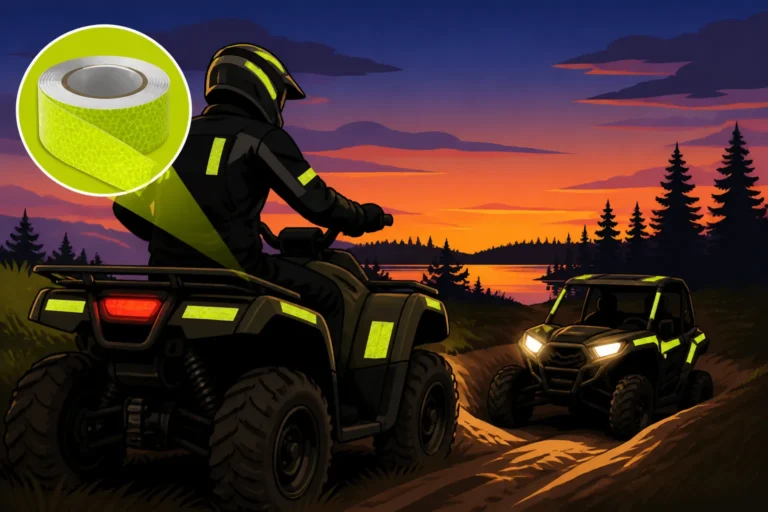
Just because you're riding into town doesn't mean you can slack on safety gear. Helmets are not just a good idea; they're legally required for riders and passengers under the age of 18 in Minnesota, even on designated city routes. Many experienced adult riders choose to wear a helmet regardless, understanding the inherent risks of any riding, especially when interacting with vehicle traffic. Eye protection is also critical to shield your eyes from dust, debris, and glare, improving visibility and safety. [Eye Protection on a Minnesota Ride] is always a smart choice. Beyond the legalities, wearing appropriate clothing – long pants, sturdy boots, and a jacket – provides protection in case of a fall and makes you more visible to others. Consider wearing bright colors or reflective gear, especially if you anticipate riding during low-light conditions. Being easily seen by drivers in cars is one of your best defenses. Remember, an accident in town can have far more serious consequences due to the presence of hard surfaces and fixed objects like curbs and buildings, not to mention other vehicles. Prioritizing safety through proper attire and gear should always be at the forefront of your mind, regardless of whether you're on a remote trail or a city street. This continued vigilance ensures you can enjoy the freedom of riding safely and responsibly. Don't forget, [Minnesota Helmet Rules for Riders Under 18] are non-negotiable, and it sets a good example for younger riders to see adults wearing their helmets too.
Disclaimer
This article is for general informational purposes only and does not constitute professional advice. Laws, prices and regulations vary by location and change over time. Consult a qualified professional for guidance on your specific situation.