Which Side of the Ditch Minnesota Riders Use
Navigating Minnesota's ditches on your ATV or UTV can feel like a bit of a wild west situation if you're not absolutely clear on the rules. Many riders get confused about where they're actually supposed to be in relation to traffic, and that confusion can lead to dangerous situations or even tickets. This guide is here to untangle the mystery and provide clear, actionable advice on which side of the ditch Minnesota riders are meant to use.
The Cardinal Rule: Always Ride the Far Right
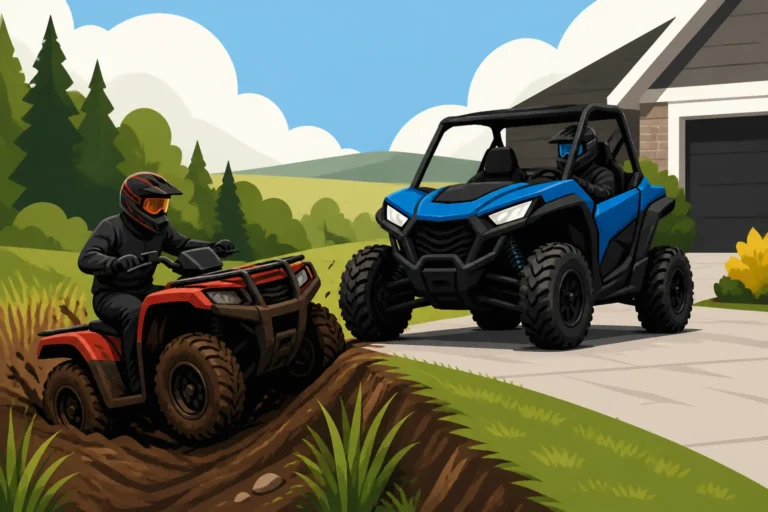
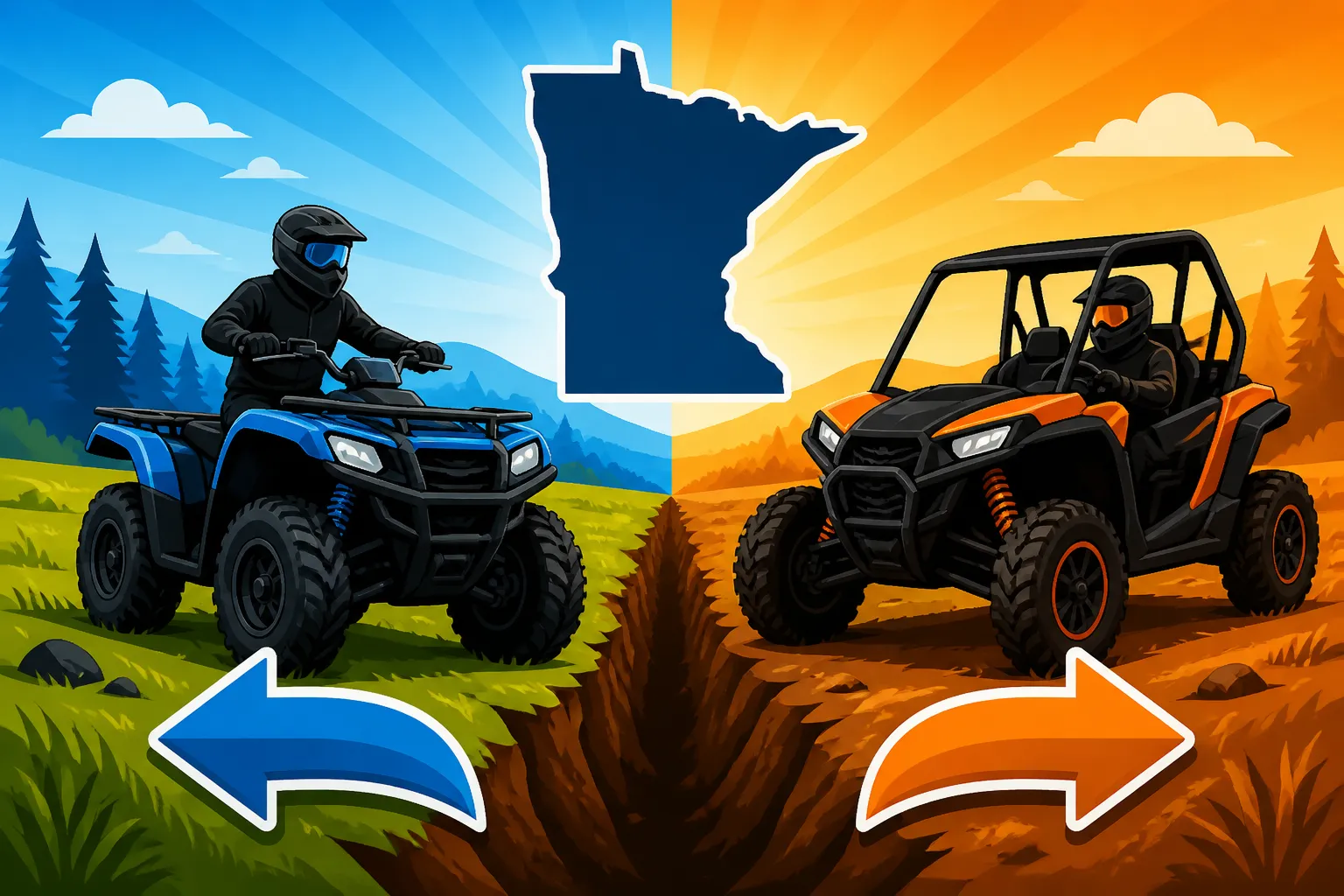
Let's cut right to the chase, because this is one rule you absolutely cannot afford to get wrong: in Minnesota, when you're riding in the ditch or shoulder of a public road, you must operate your ATV or UTV on the far right side of the right-of-way. This means you should be moving in the same direction as the adjacent vehicular traffic, positioned as far to the right as safely possible. Think of it like walking or biking on the side of the road – you always face traffic or stay with it on the far right. For an ATV or UTV, it's about being predictable and visible to everyone else sharing that space.
It might seem counter-intuitive to some, especially if you're used to trails where two-way traffic is common, but ditches are different. They're part of the road's right-of-way, and they operate under specific rules designed to minimize conflict with cars, trucks, and other vehicles. Failing to adhere to this fundamental rule isn't just a technicality; it’s a significant safety hazard that puts you, your passengers, and other motorists at serious risk.
Understanding the Right-of-Way in Minnesota
The "right-of-way" isn't just the paved road surface; it extends beyond that. It includes the shoulder, the ditch, and sometimes even a bit beyond the ditch line itself. When the law talks about riding in the ditch, it's referring to this entire corridor. The intention is to allow off-highway vehicles to move along roadsides for access to trails, properties, or to connect between different riding areas, without directly interfering with the flow of conventional traffic.
However, this privilege comes with the responsibility of understanding the limitations and expectations. You're not on a dedicated ATV trail; you're sharing a space that's primarily designed for automobiles. Because of this, the rules are geared towards mimicking road-driving behavior as much as possible, focusing on safety and predictability. Always assume that a motorist on the adjacent road might not see you, and ride defensively.
Why the "Far Right" Principle Matters So Much
The reason for the "far right" rule is multifaceted, but it boils down to two critical factors: safety and clear communication. When every rider follows the same predictable pattern, it significantly reduces the chances of accidents. Imagine if some riders decided to ride against traffic in the ditch while others rode with it – chaos would ensue, and nobody would know what to expect.
This consistent direction of travel helps motorists on the road anticipate your movement. If you're riding against the flow, a driver pulling out of a driveway or making a turn might not even look in your direction, as they're scanning for oncoming traffic. By staying with the flow on the far right, you're fitting into a more expected pattern, increasing your chances of being seen and understood by others.
Why Riding Right Keeps Everyone Safer and Legal
Adhering to the far right rule isn't just about avoiding a citation; it's deeply ingrained in the principles of road safety. It's about visibility, predictability, and minimizing hazards for all users of the road right-of-way. It also ties into how law enforcement and conservation officers expect you to operate your machine.
Maximizing Visibility and Minimizing Blind Spots
When you're riding with traffic on the far right, you're moving in a predictable manner that drivers are generally scanning for. If you were riding against traffic, you'd be coming into their field of vision from an unexpected direction, especially for drivers making left turns or pulling out from side roads. Consider a car making a right turn onto the main road: the driver is typically looking left for a gap in traffic. If you're coming from their right, against the flow of traffic, you're in their blind spot, or at least in an area they aren't actively scanning for fast-approaching vehicles.
Furthermore, riding on the far right means you're generally further away from the main flow of traffic, especially on two-lane roads. This creates a buffer zone, reducing the likelihood of a side-swipe or a collision if a vehicle drifts onto the shoulder. Good lighting on your machine, perhaps some robust LED light bars from SuperATV, can further enhance your visibility, especially during dawn, dusk, or in inclement weather. Even in broad daylight, the more visible you are, the safer everyone is.
| Scenario | Correct Action (Far Right) | Incorrect Action (Against Traffic) | Why It Matters |
|---|---|---|---|
| Approaching an intersection | Driver on crossroad looks left, sees you approaching from expected direction. | Driver on crossroad looks left, might miss you approaching from unexpected right. | Predictable movement reduces collision risk, especially for turning traffic. |
| Car pulling out of driveway | Driver looks left, then right, sees you as part of rightward flow. | Driver looks left, pulls out, you appear unexpectedly from their right. | Drivers anticipate traffic direction; unexpected movement is dangerous. |
| Passing a parked car | You are behind the parked car, in expected position. | You are approaching the parked car head-on, in driver's blind spot. | Head-on scenarios in ditches increase risk due to limited maneuvering space. |
| Encountering pedestrians | You approach from behind, giving them time to react. | You approach head-on, potentially surprising pedestrians. | Pedestrians are vulnerable; predictable approach allows for safe interaction. |
The Importance of Predictability for All Road Users
Predictability is the cornerstone of safe road sharing. Every driver, cyclist, and pedestrian develops a mental model of how traffic should move. When an ATV or UTV deviates from that model, it creates confusion and increases the risk of an accident. By consistently riding on the far right, with the flow of traffic, you become a predictable element in the overall traffic pattern.
This predictability extends beyond just vehicles. Imagine you're on a less-traveled township road, and a family is out for a walk with their dog along the ditch. If you're riding against traffic, you're suddenly in their path from an unexpected direction, potentially startling them or forcing a quick reaction. Riding with traffic gives them more time to see you approaching from behind and move further out of your way.
Remember, the ditch itself can be unpredictable with varying terrain, hidden obstacles, and reduced visibility in some spots. Adding an unpredictable riding direction only compounds these challenges. Staying on the far right helps you anticipate and react to the hazards of the ditch itself, while also managing your interactions with surrounding traffic. For more on the specifics, check out [Minnesota's Ditch Riding Rules].
Legal Ramifications of Riding on the Wrong Side
Minnesota statutes are quite clear on the operation of ATVs and UTVs in road rights-of-way. Operating on the wrong side of the ditch is a violation that can result in fines and penalties. Law enforcement, including local police, county sheriffs, and DNR conservation officers, are trained to enforce these rules. They're looking for safe operation, and riding against the flow of traffic is a clear indicator of unsafe practice.
A citation for riding on the wrong side of the ditch could lead to a monetary fine, and depending on the severity or if it's a repeat offense, it could even impact your riding privileges. It's not a minor infraction; it's considered a significant breach of safety protocols. Beyond the immediate legal consequences, there's the much larger risk of causing an accident. An accident, even a minor one, could lead to significant personal injury, property damage, and potential legal liability. Understanding these rules is crucial, as highlighted in guides like [Fines for Illegal Road Riding].
Exceptions, Obstacles, and Common Misunderstandings
While the rule about riding on the far right is steadfast, the reality of ditch riding in Minnesota isn't always a smooth, straight shot. Ditches have their own terrain, obstacles, and moments where you might need to briefly deviate. It's important to understand these situations and how to navigate them safely while still adhering to the spirit of the law.
Navigating Obstacles Within the Ditch
Ditches are rarely perfectly manicured. You'll encounter culverts, mailboxes, utility poles, trees, fences, and sometimes even parked vehicles or debris. When you encounter such an obstacle that makes continued travel on the far right side of the ditch impossible or unsafe, you have to use good judgment.
- Brief Deviations: If you need to momentarily veer left within the ditch to go around an obstacle, do so only if you have a clear line of sight and can do so safely, without entering the paved road or impeding traffic. Get back to the far right as soon as the obstacle is cleared. Think of it as a brief, controlled maneuver, not an excuse to ride wherever you please.
- Culverts and Bridges: Ditches often have culverts for drainage or small bridges that allow driveways to cross. These can be narrow or have steep sides. Approach them cautiously, reduce your speed, and maintain your position on the far right. If the culvert is particularly challenging, it might be safer to temporarily dismount or even consider if that particular ditch section is appropriate for riding.
- Mailboxes and Driveways: Be particularly mindful around mailboxes and driveways. Drivers pulling out of driveways may not see you, and people collecting mail might step into your path. Slow down significantly in these areas.
Never use an obstacle as an excuse to cross over to the other side of the road or ride against traffic for an extended period. The principle of the far right remains your guiding star. Sometimes the ditch simply "runs out" due to terrain or private property, in which case you need to find an authorized trail or route.
When the Ditch is Unpassable
There are times when the ditch itself becomes impassable. This could be due to:
- Heavy Snow or Deep Water: In winter, ditches can fill with deep snow, making them impossible for ATVs without tracks. In spring or after heavy rains, they might be flooded. If the ditch is truly unpassable, you cannot simply move onto the paved road surface unless specifically allowed by local ordinance or marked trail, and even then, only on the far right and with extreme caution. [Minnesota's Ditch Riding Rules] will provide more context here.
- Construction Zones: Construction along a road can close off ditch access. Respect all construction barriers and signs. Do not try to weave through an active construction zone in the ditch.
- Private Property: Remember, even if a ditch seems open, it might border private property that is clearly marked with "No Trespassing" signs. Respect these boundaries. The right-of-way might technically extend into the ditch, but landowners still maintain control over the immediate land.
In these situations, the safest and most legal course of action is often to find an alternative route, or if none exists, to turn back. You should never assume that because the ditch is difficult, you are automatically allowed to ride on the paved road surface. In most cases, you are not.
Common Misconceptions About Ditch Riding
Many riders hold misconceptions that can lead them astray from the far right rule:
- "I'm safer riding against traffic so I can see cars coming." This is a dangerous thought process. While you might see oncoming traffic, they don't expect you. Their focus is on vehicles coming from their left (for oncoming traffic) or judging gaps in traffic going in their direction. You become an unpredictable variable, significantly increasing collision risk.
- "It's okay to cross the road to the other ditch if it looks easier." Absolutely not. Crossing a road, especially a state highway, should only be done at a 90-degree angle, with full stops and checks for traffic, and then you must resume riding on the far right side of the ditch on that new side, with the flow of traffic. Riding in the ditch against traffic on the "wrong" side of the road is prohibited and incredibly dangerous. For details on how to safely cross a highway, see [Crossing a Minnesota Highway Safely].
- "The ditch isn't really 'road,' so normal rules don't apply." This is perhaps the most dangerous misconception. While it's not the paved road surface, the ditch is explicitly defined as part of the road right-of-way for OHV operation and is subject to specific rules, including the far right directive. Ignoring these rules is a recipe for trouble. For more on what constitutes a "road" for ATV purposes, consult [Minnesota's Road Rules Riders Get Wrong].
What to Carry and When to Be Extra Cautious
Ditch riding, even when done correctly on the far right, demands extra caution and preparedness. Unlike a dedicated trail, you're in a dynamic environment where you're interacting with much faster-moving traffic and unpredictable roadside conditions.
Essential Gear for Ditch Riding
Beyond your standard riding gear, there are a few things that are particularly important for ditch riding:
- Proper Lighting: This is non-negotiable. Your ATV or UTV must have headlights and taillights that are operational, especially if there's any chance you'll be riding near dawn, dusk, or at night. Many riders opt for aftermarket lights, like those from SuperATV, to enhance their visibility. Brighter lights make you much more noticeable to motorists. [Lighting Rules for Minnesota Night Riding] explains the requirements.
- Reflective Materials: Wearing reflective clothing or adding reflective tape to your machine can significantly boost your visibility, especially from the rear and sides.
- Eye Protection: Dust, debris, and low-hanging branches are common in ditches. Proper eye protection isn't just a comfort item; it's a safety essential. [Eye Protection on a Minnesota Ditch Ride] has more information.
- Helmet: While Minnesota law may not require helmets for all adult riders, it's always the safest choice, especially when sharing space near roads. For riders under 18, helmets are mandatory. See [Minnesota Helmet Rules for Riders Under 18].
- Proof of Registration and Insurance: You must carry your ATV or UTV registration and proof of liability insurance with you. A conservation officer or sheriff's deputy might ask for it at any time. Keep these documents in a waterproof bag on your machine.
- First Aid Kit: Accidents can happen quickly. A basic first aid kit can be invaluable for minor injuries.
- Tools and Repair Kit: A flat tire or a minor mechanical issue can leave you stranded in an awkward spot. Having a small tool kit, tire repair kit, and perhaps a small air pump can get you out of a bind.
Situations Demanding Heightened Awareness
Certain scenarios call for an even higher level of caution when ditch riding:
- Blind Curves and Hills: Just like on the paved road, blind curves and hills reduce visibility. Slow down dramatically and be prepared for anything, whether it's an oncoming vehicle in the ditch (which shouldn't happen, but you never know), a pedestrian, or an unexpected obstacle.
- Intersections and Driveways: These are high-risk areas. Always assume a vehicle is about to turn or pull out. Make eye contact if possible and be prepared to stop.
- Busy Roads: Riding along high-speed or heavily trafficked roads significantly increases risk. If possible, choose quieter township or county roads, or dedicated trails instead. [Minnesota Rules on County Roads] might offer more context.
- Dusty Conditions: On dry, gravelly roads, your machine can kick up a significant amount of dust, obscuring your vision and that of drivers around you. Reduce your speed, increase your following distance if riding with others, and be extra cautious.
- Inclement Weather: Rain, fog, or snow severely reduce visibility for everyone. If conditions are poor, it's often best to postpone your ride or stick to dedicated trails away from roads.
- Riding with Passengers: Carrying passengers, especially children, adds another layer of responsibility. Ensure they are seated properly, wearing appropriate safety gear, and understand the importance of holding on. [Minnesota Rules for a Child Passenger] has important information.
- Approaching Emergency Vehicles: If an emergency vehicle (police, fire, ambulance) approaches with lights and sirens activated, pull over to the furthest right point in the ditch and stop your machine until they have passed.
Remember, the ditch is not a playground. It's a functional part of the road right-of-way, and your behavior there directly impacts your safety and the safety of others. Always ride defensively, observe all rules, and make wise decisions, especially concerning your position within the ditch. Stay safe out there, fellow riders!
Disclaimer
This article is for general informational purposes only and does not constitute professional advice. Laws, prices and regulations vary by location and change over time. Consult a qualified professional for guidance on your specific situation.