Riding to Supper in a Minnesota Trail Town
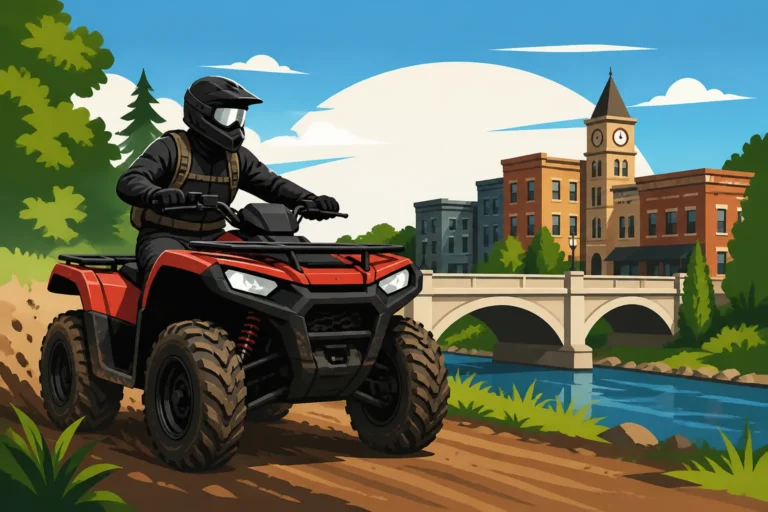
After a long, exhilarating day tearing up the trails, there's nothing quite like the thought of rolling right into a charming Minnesota trail town for a hot meal, a cold drink, or maybe to pick up some forgotten supplies. But the reality can hit pretty quickly: can you actually do that? Is it legal to take your ATV or side-by-side off the dirt and onto the pavement, and what do you need to know to make sure that supper run doesn't turn into a citation or, worse, an accident? This guide is all about cutting through the confusion, helping you understand the rules, and planning your perfect, legal, and stress-free ride from the trail to the table in Minnesota's welcoming small towns.
Understanding Minnesota's Road Riding Rules for ATVs and UTVs
Minnesota's landscape is dotted with incredible ATV and UTV trails, but connecting those trails, or accessing services, often means interacting with roads. This is where many riders get understandably confused, because the rules aren't always what you might expect, and they can vary slightly depending on the type of road and whether you're merely crossing it or actually traveling along it.
Ditch and Shoulder Riding: The Basics
First and foremost, it's crucial to understand that Minnesota generally restricts ATVs and UTVs from riding on the paved or graveled surface of most roads. The primary exception to this for traveling along roadways is often the ditch or extreme right-hand shoulder. This is a common practice in rural areas, allowing riders to get from one section of trail to another, or to access specific destinations like gas stations or campgrounds. The ditch is considered part of the road right-of-way, but not the traveled portion of the road itself.
Now, this isn't a free-for-all. When you're riding in the ditch, you're expected to stay as far to the right as possible, yielding to all other traffic, including pedestrians and bicyclists. You need to be mindful of culverts, mailboxes, and driveways, as well as any obstructions that might pop up. It’s also vital to be aware of the "right-of-way" definitions. In some areas, a ditch might be deep and well-defined, in others, it's barely a slope off the shoulder. Always err on the side of caution and prioritize safety and visibility. You'll often find specific guidance on [Minnesota's Ditch Riding Rules].
Crossing Roads and Exceptions for Safety
There are instances where you'll need to cross a road or briefly use the actual road surface. For example, if your trail dead-ends on one side of a county road and picks up directly across on the other, you'll need to cross. Minnesota law allows for direct crossings of roadways, but you must come to a complete stop, yield to all traffic, and proceed safely at a 90-degree angle to the road. This isn't the time to dawdle or challenge oncoming vehicles. It’s about being quick, decisive, and respectful of vehicular traffic.
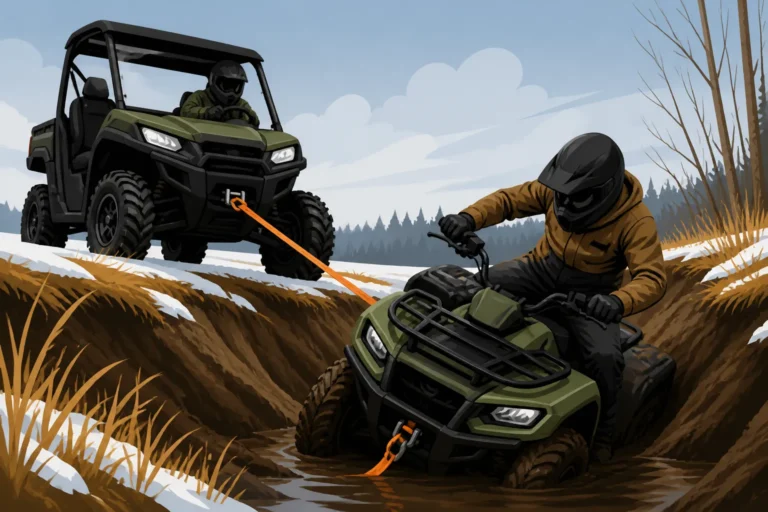
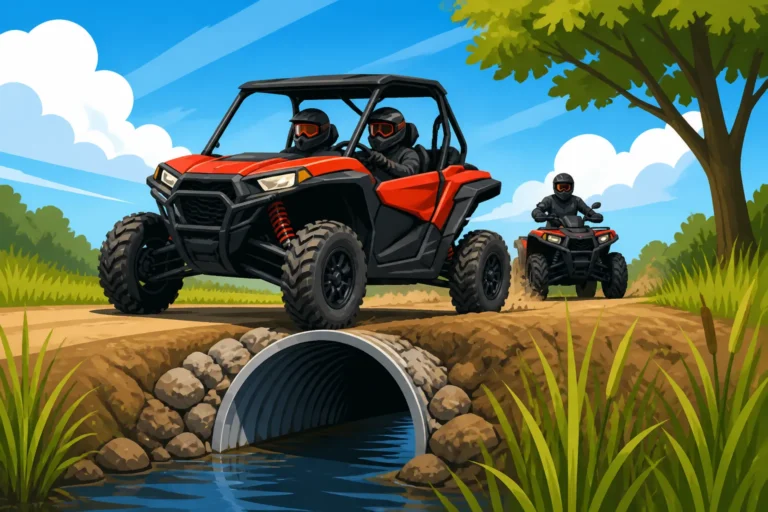
Sometimes, obstacles in the ditch – like deep water, fallen trees, or exceptionally steep terrain – might make ditch riding impossible or unsafe for a short stretch. In these situations, Minnesota law often provides for exceptions, allowing you to briefly use the road surface to bypass the hazard, provided you do so safely and return to the ditch as soon as possible. Bridges and culverts are common examples. You can't just cruise down the middle of the bridge, but you can typically use the far-right lane to cross it safely. Understanding [Hazard Exceptions for Bridges and Culverts] is key here. The emphasis is always on minimal interference with other traffic and maximum safety.
Road Restrictions and Local Ordinances
Not all roads are created equal when it comes to ATV and UTV access. While county and township roads often have more permissive rules regarding ditch riding or designated routes, state highways are generally much stricter. Most state highways will prohibit ATV and UTV use on the road surface, even in the ditch, unless specifically designated for such use or for crossing purposes. Always pay attention to signage, as local jurisdictions, like counties and townships, have the authority to create their own ordinances that either restrict or allow ATV and UTV use on their roads.
This patchwork of rules can be a real headache for riders. You might be legally riding the ditch of a county road, turn onto a township road, and suddenly the rules change. Before planning a route that involves any road riding, it's a good idea to check with the local county sheriff's office or township clerk for specific ordinances. This proactive step can save you a lot of trouble and ensure your trail-to-town experience is a good one. Knowing [Minnesota Rules on County Roads] can give you a baseline, but local variations are always possible.
Navigating Trail Towns: Specifics for Eating Out and Running Errands
So, you've been riding all day, the sun's starting to dip, and you're craving a burger and fries from that little diner you passed earlier. The good news is, many Minnesota towns, especially those that embrace outdoor recreation, have specific rules to welcome ATV and UTV riders. But you can't just blast into town like you own the place. There are courtesies and laws to follow.
Designated ATV Routes and Street Access
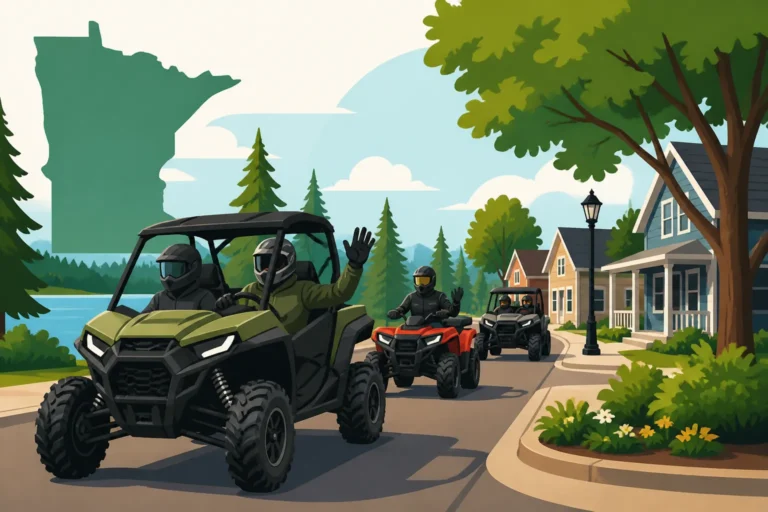
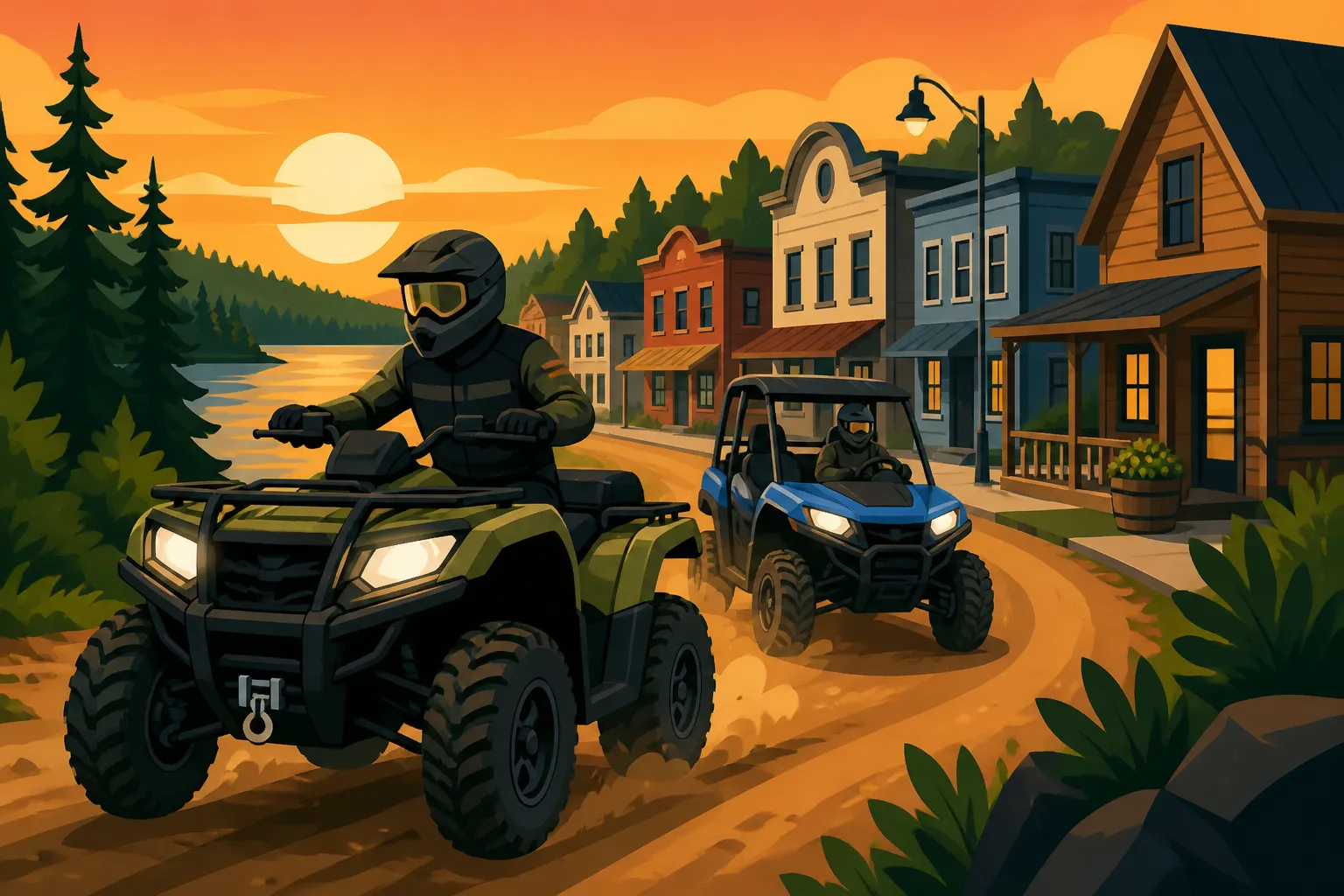
Many communities have recognized the economic benefit of ATV and UTV tourism and have designated specific routes within town that riders can use. These routes are typically marked with signs, often guiding you from a main trail system directly to gas stations, restaurants, and lodging. These routes might involve riding on actual city streets, which is a rare exception to the general "no road surface" rule.
When you're on a designated route, treat your ATV or UTV like any other vehicle. Obey all traffic laws: stop at stop signs, yield at intersections, signal turns, and observe speed limits. These routes are designed for convenient access, but they also come with the responsibility of being a safe and courteous driver. Always look for signage and respect the posted speed limits. Some towns, like Appleton, are well-known for their rider-friendly policies, and knowing about [Appleton and Other ATV-Friendly Minnesota Cities] can help you plan your stops.
Parking Your Machine in Town
Parking your ATV or UTV in town also requires some thought. You can't just leave it blocking a sidewalk or taking up a prime parking spot meant for a car. Look for designated ATV/UTV parking areas if the town has them, or park in regular vehicle parking spots, ensuring you're not obstructing traffic or pedestrian flow. If you're parking in a lot with other vehicles, try to consolidate your space. Many riders will park in a single regular parking spot if they are on a solo machine, or sometimes two machines can share a spot if they're careful.
Think about visibility and security too. While Minnesota is generally a friendly place, leaving your machine unlocked or in a hidden spot isn't smart. Consider bringing a cable lock if you're going to be inside for a while, especially if you're taking advantage of the robust aftermarket accessories from places like SuperATV that might catch a wandering eye. When pulling into a gas station, ensure you don't block pumps or access points for other drivers. It's about being a good neighbor and showing respect for the local businesses and residents.
Fueling Up and Shopping
Riding into town for fuel is a common necessity. When you approach a gas station, be aware of the flow of traffic, both vehicular and pedestrian. Pull up to a pump just like a car would, and be considerate of other customers. Remember, you're likely covered in a bit of trail dust, so avoid leaning on pristine car windows or brushing up against people in line.
If you're heading into a convenience store or small shop, remove your helmet, as it's often a courtesy and for security reasons inside establishments. Be mindful of track marks or mud you might be trailing in, especially after a wet ride. These small considerations go a long way in ensuring trail towns continue to welcome riders. Whether you're just grabbing a snack or filling up for the next leg of your journey, [Fueling an ATV in a Minnesota Small Town] will be a smooth experience if you follow these simple guidelines.
Essential Gear and Etiquette for Urban ATV/UTV Riding
Riding on the trail is one thing; navigating city streets or small-town routes is another. The equipment you have on your machine, and your personal riding etiquette, become even more critical when you're interacting with cars, pedestrians, and storefronts.
Meeting Road-Legal Requirements
While your ATV or UTV might be perfectly legal for the trails, a quick trip into town might require some additional road-legal considerations, especially if you're on a designated street route. Common requirements include:
- Lights: Headlights, taillights, and brake lights are generally mandatory, especially during dusk, dawn, or nighttime. Many states also require turn signals if you're on a road, which can be an aftermarket addition.
- Mirrors: A rearview mirror is often required for road use, allowing you to see traffic approaching from behind.
- Horn: A working horn is crucial for safety to alert pedestrians or other drivers to your presence.
- Muffler: Your machine must have a functioning muffler and spark arrester. Excessive noise can be a major source of complaint in residential areas and will quickly sour a town's welcome towards riders. Familiarize yourself with [Minnesota Noise Rules Near Lake Homes] if you're riding in those areas.
- Displaying Registration: Your Minnesota ATV registration sticker must be properly displayed. [Where a Minnesota ATV Registration Sticker Goes] provides detailed placement instructions.
Many riders invest in aftermarket "street legal kits" that bundle these items, which can be a smart purchase if you frequently ride into towns or use road connectors. Brands like SuperATV offer a range of accessories that can help you meet these requirements, from turn signal kits to mirrors and even full windshields for UTVs that enhance safety and comfort when transitioning from trail to pavement.
Personal Safety Gear and Conduct
Even if you're just riding a few blocks into town, continue to wear your personal safety gear. Helmets are mandatory for riders under 18 in Minnesota, but they're a smart choice for everyone on the road. Eye protection is also highly recommended. When you're sharing the road with cars, a momentary lapse or an unexpected event can happen quickly, and your safety gear provides critical protection. For more on this, check out [Minnesota Helmet Rules for Riders Under 18].
Your conduct is also paramount. Ride defensively, anticipate the actions of other drivers, and be prepared to stop quickly. Don't weave through traffic, speed, or engage in any behavior that could be perceived as reckless or disrespectful. Remember, you're an ambassador for the entire ATV/UTV community. A few riders behaving poorly can lead to negative perceptions and tighter restrictions for everyone. Be courteous to pedestrians, especially if you're using a sidewalk access point or crossing a busy street. A friendly wave or nod goes a long way.
| Requirement | Trail Use Only | Designated Town Route | Notes |
|---|---|---|---|
| Headlights | Recommended | Required | Must be on after dark, sometimes during day for visibility |
| Taillights/Brakes | Recommended | Required | Essential for signaling stops and presence |
| Turn Signals | Optional | Often Required | Consider aftermarket kits for compliance and safety |
| Rearview Mirror | Optional | Often Required | Critical for road awareness, especially with enclosed cabs |
| Horn | Optional | Required | For signaling awareness to pedestrians and vehicles |
| Muffler/Spark Arrester | Required | Required | Strict noise limits apply, especially in residential areas |
| Registration Sticker | Required | Required | Must be visible and up-to-date |
| Helmet (Under 18) | Required | Required | Strongly recommended for all riders, regardless of age |
| Eye Protection | Recommended | Recommended | Protects from dust, debris, and glare |
| Driver's License | No | Often Required | Check specific town ordinances; usually needed for street use |
| Insurance | Recommended | Often Required | Liability insurance is a smart choice for any riding, especially roads |
Planning Your Trail Town Excursion Safely and Legally
A successful ride into a Minnesota trail town starts long before you even fire up your engine. A bit of planning can make all the difference between a seamless experience and one fraught with stress.
Researching Town Ordinances and Routes
The single most important step is to do your homework. Before you head out, identify the towns along your planned route that you might want to visit. Then, look up their specific ATV/UTV ordinances. Many towns will have this information on their municipal website, or you can call the local city hall or police department. Don't rely on old information or assumptions. Rules can change. For example, some towns only allow ATV/UTV access during certain hours, or on specific days of the week.
Look for maps of designated ATV routes within the town. These are invaluable for navigating directly to services without inadvertently breaking a rule. If a town doesn't have designated routes, it might mean they don't allow ATVs/UTVs on their streets at all, or only allow ditch riding on certain roads leading into town. Being informed means you won't encounter an unwelcome surprise when you're trying to figure out [Riding Into a Minnesota Trail Town].
Legal Documentation and Insurance
Always carry your necessary legal documentation with you when riding. This includes your ATV/UTV registration, proof of ownership, and if required for the specific road use, your driver's license. While Minnesota doesn't require liability insurance for all ATV/UTV use, it is highly recommended, especially if you're going to be riding on roads or within towns. An accident involving another vehicle or property can be incredibly costly, and insurance provides vital protection.
Think of it this way: if you're rolling into town to grab a bite at a place like "The Whistle Stop Cafe" in Perham, and you accidentally clip a parked car, having your ducks in a row with documentation and insurance will save you a world of headache. While some parts of Minnesota riding don't require insurance, for peace of mind, it’s always a good idea. [Insuring an ATV in Minnesota] can shed more light on your options.
Group Riding Considerations
If you're riding with a group, establish clear communication and riding etiquette before you enter a town. Discuss designated routes, parking plans, and meeting points if anyone gets separated. Ride single file on roads and designated routes, maintaining a safe distance between machines. Avoid blocking intersections or driveways when waiting for your group to catch up.
When riding in a group, the collective impression you make on a town is even more significant. One rider's poor behavior can reflect on the entire group and, by extension, the entire riding community. A polite, organized group making its way through a town is often welcomed with open arms, contributing to the positive image of the sport. Make sure everyone in your group knows and adheres to the planned route and local rules.
Taking your ATV or UTV into a Minnesota trail town for supper, supplies, or just a break from the trails can be one of the most enjoyable parts of your riding adventure. With a little planning, respect for the rules, and a good dose of common sense, you can ensure your ride-in experience is safe, legal, and truly adds to the joy of exploring everything Minnesota has to offer. So go ahead, enjoy that burger – you've earned it!
Disclaimer
This article is for general informational purposes only and does not constitute professional advice. Laws, prices and regulations vary by location and change over time. Consult a qualified professional for guidance on your specific situation.