Minnesota Rules for a Rider Who Turns 16
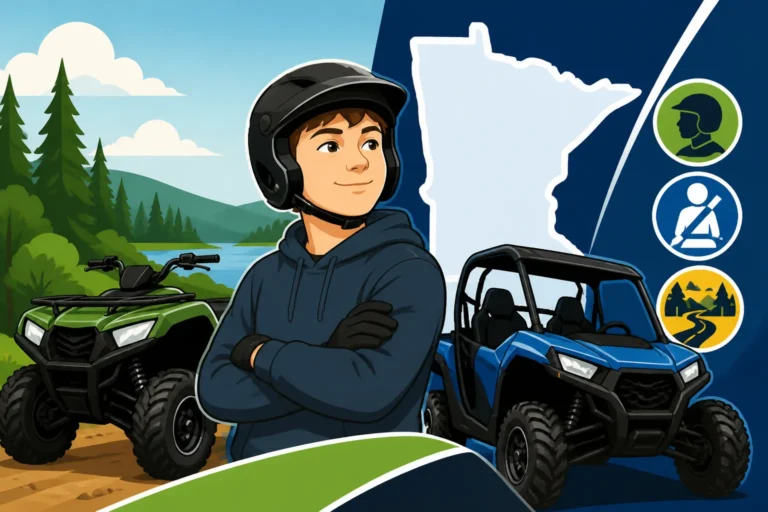
Navigating the world of ATV and UTV riding in Minnesota can feel like trying to decipher a secret code, especially when your young rider hits a milestone age. For many parents and their aspiring adventurers, the question of what changes when a rider turns 16 is a big one. This guide will walk you through all the significant shifts in rules and responsibilities that come with reaching that sweet sixteen for ATV and UTV operation in the great state of Minnesota.
The Shifting Landscape: What Turning 16 Means for Minnesota ATV Riders
Turning 16 in Minnesota isn't just about getting your driver's license for the family car; it's a pivotal moment for off-highway vehicle (OHV) enthusiasts as well. Before this age, many restrictions focus on supervision, helmet use, and where a young person can legally operate an ATV or UTV. The state's regulations are designed to incrementally introduce responsibility as riders mature, and 16 marks a significant leap in that progression. It's often the age where a rider gains more autonomy, both on and off the trails, but it certainly doesn't mean a complete free-for-all. Instead, it ushers in a new set of expectations and freedoms, especially regarding public land access and independent operation.
New Freedoms, New Responsibilities on the Trails
For a 16-year-old, the biggest change often feels like a newfound sense of independence. While they might have been riding for years, the legal framework around their operation dramatically shifts. Suddenly, they might be able to ride certain public trails without a direct adult supervisor right there with them, or even operate on designated road rights-of-way. This freedom, however, comes hand-in-hand with greater responsibility. They are now expected to know and adhere to all state laws, understand trail etiquette, and be fully accountable for their actions and the safety of their machine. It’s a transition from being primarily under parental guidance to being a more independently responsible operator in the eyes of the law. This means being acutely aware of things like speed limits, noise restrictions, and proper riding techniques, especially on shared trails or near residential areas. The consequence for not upholding these responsibilities can be fines, loss of riding privileges, and even civil liability, underscoring the weight of this new independence.
Road and Ditch Riding: A Significant Milestone
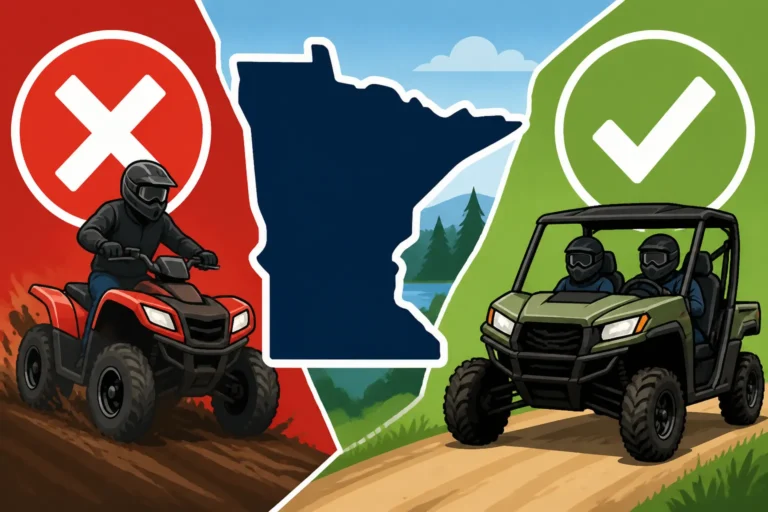
Perhaps one of the most anticipated changes for a 16-year-old ATV or UTV rider in Minnesota is the ability to operate on public road rights-of-way, specifically in the ditch. Prior to turning 16, riders typically face much stricter limitations, often requiring direct adult supervision and sometimes even restricting them entirely from these areas, depending on the specific local ordinances. Once 16, with a valid driver's license, the opportunities for travel expand. This opens up possibilities for connecting trails, accessing trailheads, or even riding into small towns where local ordinances permit to grab a bite or refuel. This expanded access is a game-changer for many, allowing for longer, more integrated rides that go beyond just a single trail system. It's important to understand that "ditch riding" is not "road riding" in Minnesota; vehicles are generally restricted to the unpaved shoulder or ditch line, not the paved road surface itself, with very specific exceptions for crossing or avoiding obstacles. [Minnesota's Ditch Riding Rules] are complex and something every rider, especially a newly independent one, needs to master.
Driver's License and Public Road Access for 16-Year-Olds
The single most critical factor for a 16-year-old seeking to expand their riding horizons in Minnesota is obtaining a valid driver's license. This isn't just a suggestion; it's a legal requirement for operating an ATV or UTV on any public road right-of-way, including the ditches. Without it, the newfound independence associated with turning 16 largely remains out of reach for public land use that involves these areas. The state views the ability to responsibly operate a motor vehicle on public roads as a foundational skill, and this extends to OHVs. So, while your teen might be an ace on the trails, that little plastic card is their key to a much broader riding experience.
The Driver's License Requirement: Your Ticket to the Ditch
Once a Minnesota resident turns 16 and successfully obtains a valid state driver's license, they are generally permitted to operate an ATV or UTV on approved public road rights-of-way (primarily ditches) without direct adult supervision. This is a significant distinction from the rules for younger riders, who often require a parent or guardian to be riding nearby, or even on the same machine depending on the age and class. The driver's license signifies a level of legal maturity and proven knowledge of road rules, which the state deems necessary for this type of operation. It's not just about the physical skill of driving, but also understanding traffic laws, yielding, and interacting safely with other road users, even when you're technically off the main pavement. Therefore, for any 16-year-old hoping to utilize the full extent of Minnesota's OHV network, prioritizing that driver's license is paramount. It's important to review the comprehensive [Driver's License Rules for Minnesota Road Riding] to fully understand these requirements.
Where You Can (and Can't) Ride on Public Land at 16
While a driver's license opens many doors, it doesn't grant unlimited access. Even at 16, riders are still bound by state, county, and local ordinances regarding where ATVs and UTVs can be operated. Generally, 16-year-olds with a driver's license can ride on designated grant-in-aid trails, state forest trails, and legally accessible road rights-of-way. However, access to the paved surface of highways, county roads, and township roads is almost universally prohibited, except for very specific situations like crossing a road or navigating around an obstacle that makes the ditch impassable. [Minnesota Road Rules Riders Get Wrong] are common, so understanding the nuances is crucial. Certain cities and townships might have specific ordinances allowing ATV use on designated streets, but these are exceptions and must be verified locally. National parks and wilderness areas often have strict prohibitions against motorized vehicles, regardless of age or license status. The takeaway here is that while 16 brings more freedom, riders must still be diligent in checking local rules and trail signage, ensuring they stay on legally permissible routes.
Understanding Accompanied Riding Rules at This Age
For riders under 16, Minnesota's regulations often stipulate that they must be accompanied by an adult, typically a parent or guardian, who is at least 18 years old. Once a rider turns 16 and holds a valid driver's license, this accompanying adult requirement is generally lifted for operating ATVs and UTVs on public lands, including road rights-of-way. This means a 16-year-old can embark on solo rides or rides with peers who also meet the age and licensing requirements, offering a true taste of independent adventure. However, it's always wise for parents to establish their own family rules regarding solo riding, especially in remote areas. Even with legal permission, real-world risks remain, and being prepared for emergencies, carrying proper communication devices, and informing others of your route are excellent habits to instill. While the law permits them to ride alone, good judgment and safety planning should always prevail. The [Minnesota Age Rules for Young Riders] are complex, so understanding the distinctions at different ages is key.
Safety Gear and Training: What Stays, What Changes
Safety remains paramount, regardless of a rider's age. While some requirements might shift as a rider grows older, the core principles of safe operation, proper training, and appropriate gear never change. For a 16-year-old, the focus moves less from mandatory supervision and more towards their individual responsibility to make safe choices and ensure their machine is appropriately equipped. This is where investing in quality accessories from reputable brands can play a big role in enhancing safety and performance.
Helmet Rules: The Same for Most, But Exceptions Exist
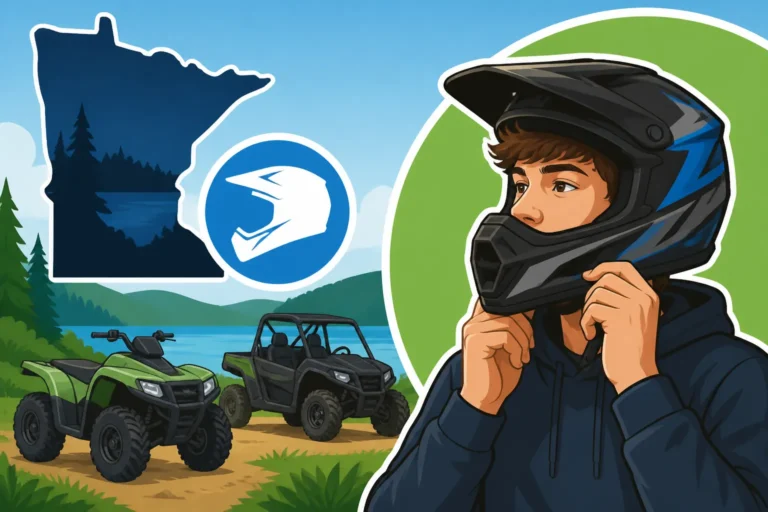
In Minnesota, the general rule is that riders under the age of 18 must wear a DOT-approved helmet when operating an ATV or UTV on public lands. This rule does not change simply because a rider turns 16; it remains in effect until their 18th birthday. So, even with a driver's license and newfound independence, that helmet is still a non-negotiable piece of gear for public land riding. Many experienced riders, including adults, choose to wear helmets regardless of the legal requirement, recognizing the critical protection they provide. Eye protection is also highly recommended and often legally required, regardless of age, to shield against dust, debris, and insects. So, while their independence grows, the importance of head and eye protection remains constant. For a deeper dive into these rules, refer to [Minnesota Helmet Rules for Riders Under 18].
The Enduring Importance of ATV Safety Training
Minnesota mandates ATV safety training for anyone born after July 1, 1987, who wishes to operate an ATV on public lands. This requirement applies to 16-year-olds just as it does to younger riders and adults. Turning 16 does not exempt a rider from this crucial certification. The training covers essential topics such as safe riding practices, environmental awareness, basic maintenance, and understanding state laws. It's designed to equip riders with the knowledge and skills necessary to prevent accidents and protect natural resources. While many 16-year-olds might have been riding for years, the formal training reinforces proper techniques and legal responsibilities in a structured environment. Ensuring this certification is up to date is just as important as having a valid driver's license for public land access. Check out [Minnesota ATV Safety Training Requirement] for more details.
Equipping Your Machine for Public Use
As a 16-year-old gains more independence and access to public rights-of-way, their machine needs to meet specific requirements. This isn't necessarily a change from what was needed before, but the responsibility for ensuring compliance often shifts more directly to the young rider. For instance, machines must be registered with the Minnesota DNR, display valid registration stickers, and be equipped with appropriate lighting (headlights and taillights) for dawn, dusk, or nighttime operation. A spark arrester is also mandatory to prevent wildfires.
Furthermore, if a 16-year-old is going to be riding more independently or exploring new territories, additional safety and utility accessories might become highly desirable. For instance, a quality winch can be a lifesaver if they get stuck in mud or snow, while upgraded lighting can drastically improve visibility during early morning or late evening rides. Many riders turn to aftermarket providers like SuperATV for durable accessories such as full skid plates for added undercarriage protection, windshields for comfort, or improved tires for better traction on diverse Minnesota terrain. While not legally mandated, these additions enhance safety, reliability, and the overall riding experience, making the machine more capable for independent adventures. A robust accessory package from SuperATV can give parents peace of mind that their newly independent rider is well-equipped.
Beyond the Basics: Practical Considerations for 16-Year-Old Riders
Beyond the immediate legal shifts, turning 16 as an ATV or UTV rider in Minnesota introduces a host of practical considerations that parents and teens should discuss. These touch on financial responsibilities, advanced planning, and maintaining a high level of situational awareness, all crucial for safe and enjoyable independent riding.
| Requirement/Consideration | Before 16 (Typical) | At 16 (With Driver's License) |
|---|---|---|
| Driver's License | Not required | Required for ditch/road ROW |
| Adult Supervision | Often required | Not required for ditch/road ROW |
| Helmet (Public Land) | Required | Required (until 18) |
| ATV Safety Training | Required (if born after 7/1/87) | Required (if born after 7/1/87) |
| Public Ditch Riding | Restricted/Prohibited | Generally allowed |
| Trail Pass (Non-Res) | Required | Required |
| ATV Registration | Required | Required |
| Insurance | Highly recommended | Highly recommended |
The Cost of Freedom: Registration, Passes, and Insurance
With greater independence often comes greater financial responsibility. While the machine itself might already be registered, a 16-year-old might now be more involved in understanding these costs. Every ATV and UTV operated on Minnesota public land must be registered with the DNR, and there is a [Minnesota ATV Registration Fee for Three Years]. If you're riding certain grant-in-aid trails and are a non-resident, a trail pass is also required. Beyond that, insurance is a critical, though often overlooked, aspect. While Minnesota law doesn't always mandate ATV insurance, it is highly, highly recommended. An accident can lead to significant financial liabilities, property damage, and medical costs. Having a [Minnesota ATV Insurance Cost] plan in place provides crucial protection. Parents should discuss these costs with their 16-year-old, perhaps even having them contribute to fostering a sense of ownership over their riding privileges. It's not just about getting to ride, but also about responsibly funding the privilege.
Preparing for Independent Rides: Planning and Awareness
The shift to independent riding at 16 means that the onus of planning and situational awareness falls more directly on the young rider. No longer can they rely solely on a parent to navigate or anticipate issues. Before heading out, a 16-year-old should meticulously plan their route, checking trail conditions, weather forecasts, and potential hazards. They should inform someone of their planned route and estimated return time. Carrying essential tools, a first-aid kit, water, and emergency supplies is no longer just a good idea, but a critical part of being a responsible, independent rider.
This also means being more aware of their surroundings, respecting private property, and understanding how their actions impact other trail users and the environment. For machines that might see increased use or tougher conditions, ensuring it's regularly serviced and equipped with reliable components is smart. Products from SuperATV, like durable cargo boxes or recovery gear, can be invaluable for these longer, more self-sufficient rides. The goal is to empower them with the skills and mindset to handle challenges safely and confidently, rather than just legally turning them loose. This stage of development is crucial for molding them into lifelong, responsible OHV enthusiasts.
Disclaimer
This article is for general informational purposes only and does not constitute professional advice. Laws, prices and regulations vary by location and change over time. Consult a qualified professional for guidance on your specific situation.