Minnesota Helmet Law for Riders Over 18
It's easy to assume that once you're an adult, the rules about wearing a helmet on your ATV or UTV suddenly disappear. Many riders, myself included, have stood in their garage, keys in hand, wondering if strapping on that helmet is truly necessary for a quick spin down the road or a full day on the trails. This guide will cut through the confusion, explaining Minnesota's specific helmet laws for riders aged 18 and over, so you can ride legally and, most importantly, safely.
The Core of Minnesota's Adult Helmet Law
Navigating ATV and UTV laws can feel like deciphering a secret code, especially when it comes to something as vital as helmet use. For adults, Minnesota's stance isn't as cut-and-dry as it is for younger riders, leading to a lot of common misconceptions. Let's break down where the law truly draws the line.
Age-Based Exemptions: Where the Confusion Starts
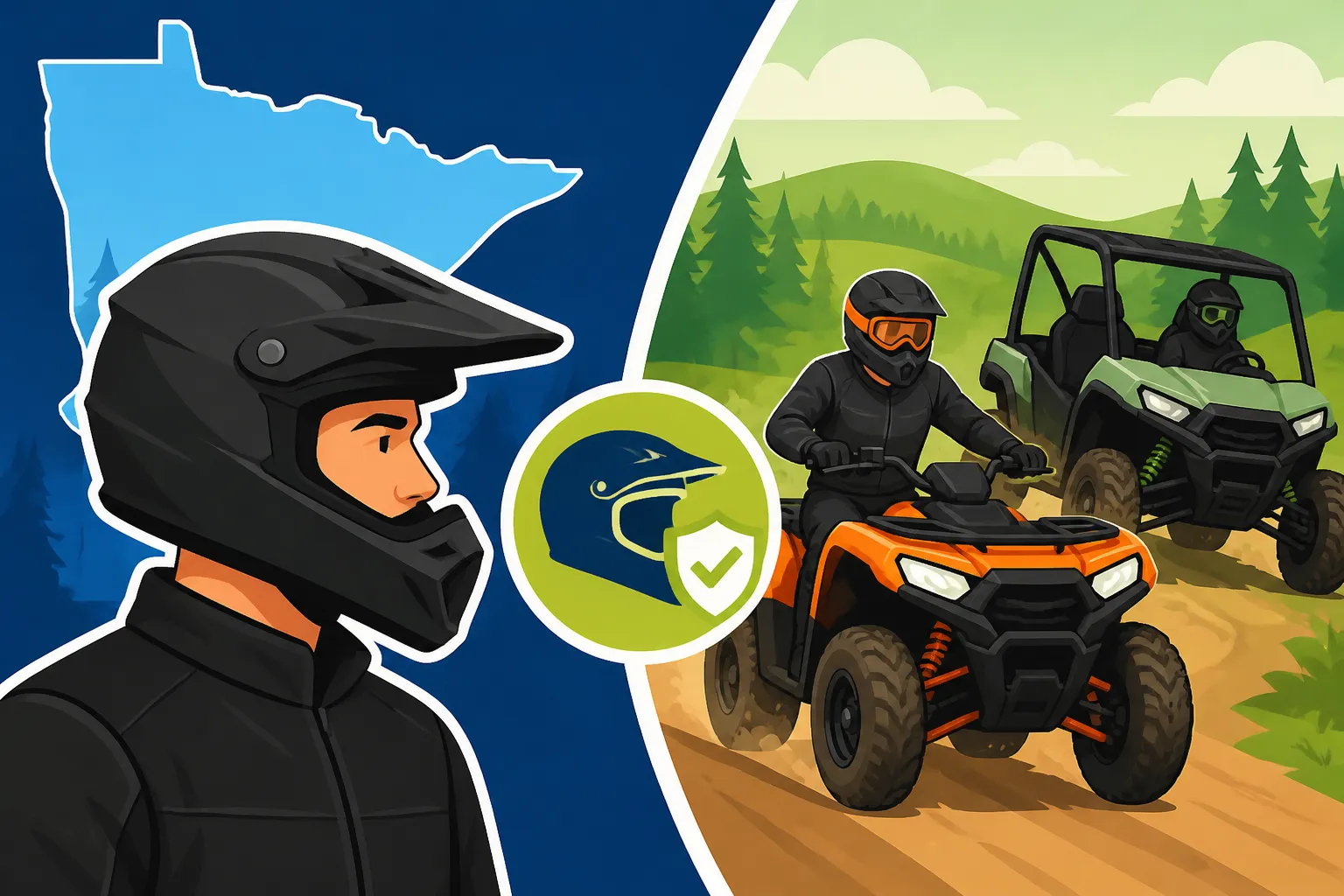
The most significant source of confusion often stems from the well-known rules for younger riders. Most people are aware that kids and teenagers have strict helmet requirements. In Minnesota, the law is quite clear that riders under the age of 18 must wear a DOT-approved helmet when operating an ATV or UTV, period. This applies to passengers under 18 as well. You can find more details on this in [Minnesota Helmet Law for Riders Under 18].
However, the moment a rider turns 18, many assume this blanket requirement simply vanishes. It's a natural assumption, as it aligns with many other adult freedoms and responsibilities. You see adults driving cars without helmets, so why would an ATV be different on certain terrain? This assumption often leads adult riders to forgo a helmet entirely, whether they're on a remote forest trail or just running across a township road to a friend's house. The key here is that while the blanket requirement for all riding may disappear for adults, specific scenarios still mandate helmet use. This nuance is critical and often missed, leading to potential fines and, more importantly, increased risk of injury.
When Helmets Are Still Required for Adults
Even if you're over 18, there are crucial situations where Minnesota law still insists on a helmet. These aren't obscure regulations; they're in place for specific high-risk scenarios, primarily involving shared public spaces or specific machine types.
- Riding on a Public Road Right-of-Way: This is perhaps the biggest and most frequently misunderstood rule. If you're operating your ATV or UTV within the public road right-of-way (including ditches, shoulders, or crossing the roadway itself), you, as an adult operator or passenger, are legally required to wear a DOT-approved helmet. We'll dive deeper into what "right-of-way" truly means in the next section, but for now, remember that this covers a vast array of common riding scenarios, from accessing trails to running into town for gas.
- Operating a Class 2 Off-Highway Vehicle (OHV) on a Public Road Right-of-Way: Minnesota defines OHVs into Class 1 and Class 2. Class 2 OHVs are generally wider and heavier, like many modern side-by-sides. If you're riding one of these machines within a public road right-of-way, the helmet rule for adults kicks in. This acknowledges the potentially higher speed and mass of these vehicles in shared spaces.
- Crossing the Road: This ties directly into the road right-of-way rule. Even if you're on a trail and just need to quickly cross a paved or gravel road to continue on another section of trail, that momentary crossing often falls under the "public road right-of-way" umbrella, necessitating a helmet for all riders, regardless of age.
- When Carrying a Minor Passenger: If you, as an adult, are operating an ATV or UTV and have a passenger under the age of 18, both you and the minor passenger must wear a DOT-approved helmet. This is a crucial safety measure to protect the younger rider and sets a responsible example.
It's tempting to think that a robust side-by-side with a full cab, a windshield, and maybe even doors offers enough protection, especially when you've invested in quality accessories from a brand like SuperATV. These additions certainly enhance comfort and offer some protection from the elements, but they don't override the legal requirement for a helmet in the specified scenarios. The law is focused on head impact protection, which those accessories simply aren't designed to provide in the same way a helmet is.
Understanding the "Road Right-of-Way" Connection
The concept of a "road right-of-way" is where most adult riders stumble regarding Minnesota's helmet laws. It's not always intuitive, and often, what feels like "off-road" riding to us is still legally considered part of the public road system.
The Critical Distinction: Trail vs. Road
Imagine you're out on a beautifully maintained, dedicated ATV trail deep in a Minnesota State Forest. You're far from any paved roads, surrounded by trees, and the only "traffic" you encounter is other machines. In this specific context, if you're an adult operator (18+) on a Class 1 ATV (the narrower, traditional quad), you generally are not legally required to wear a helmet. This is the "exemption" many adult riders focus on.
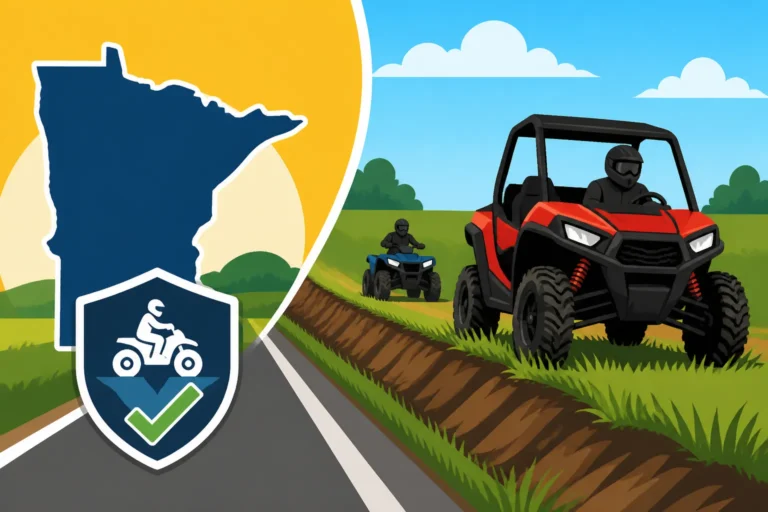
However, the moment that trail either merges with or even runs alongside a public road, or if you enter the ditch or shoulder of a public road, the rules change dramatically. Minnesota law broadly defines the "road right-of-way" as the entire width of the property dedicated to the road, which can extend well beyond the paved or graveled surface itself. This often includes the shoulder, the ditch, and even some areas beyond the ditch line. So, even if you're riding exclusively in the ditch, seemingly "off" the road, you are likely still within the road right-of-way, and a helmet becomes mandatory for all adult riders.
This distinction is crucial because so many rides involve at least some interaction with the road system. From connecting different trail segments to running into a small town for lunch, you'll inevitably find yourself operating within a road right-of-way. It's a common mistake, and one that can easily lead to a chat with a conservation officer. If you're not careful, what you think is a harmless detour can quickly become a legal infraction.
The "Crossing the Road" Rule
This particular rule is a consistent gotcha for many riders. It often catches adults who are otherwise careful to stay off roads without a helmet. Let's say you're on a well-marked trail, and to continue, you need to cross a county road. It's a quick, straight shot—maybe 50 feet across. Common sense might suggest that for such a brief moment, a helmet isn't necessary. Unfortunately, common sense doesn't always align with the letter of the law.
When you cross a public road in Minnesota on an ATV or UTV, even if it's just for a few seconds, you are operating within that public road right-of-way, and therefore, all riders (including adults) must be wearing a DOT-approved helmet. This applies whether it's a paved highway, a county gravel road, or a quiet township road.
Think of these common scenarios:
- Connecting Trail Segments: Many trail systems are not continuous and require riders to utilize ditches or cross roads to get from one section to another.
- Fueling Up: Riding into a small town, even if you're primarily in the ditch, to get gas often involves crossing driveways and intersections, placing you squarely in the right-of-way.
- Accessing Private Property: You might be riding on your own land or a friend's property, and to get from one field to another, you have to cross a public road.
Each of these instances triggers the helmet requirement. It's not about the distance or duration; it's about the location. For more insights into navigating these tricky situations, check out [Crossing a Minnesota Road on an ATV] and [Minnesota Road Rules Riders Get Wrong]. Many riders are surprised by how often they unknowingly violate this particular rule.
Practical Considerations and Safety Beyond the Law
While understanding the legal requirements is essential, rider safety goes far beyond simply adhering to the law. Even when not legally mandated, wearing a helmet and other protective gear is always the smartest choice for adult riders.
Recommended Safety Practices for All Riders
Let's be real: no one wants to have an accident. But the truth is, off-road riding, by its very nature, carries inherent risks. A tree branch can snap back, a hidden rock can send you flying, or a momentary lapse in judgment can lead to a tumble. In these situations, a helmet is your brain's best friend.
Even if you're a seasoned rider, an unexpected incident can happen. I've heard countless stories from fellow riders, some of whom were lucky, others not so much, about that one time they hit an unseen rut or misjudged a corner. The common thread in the "lucky" stories? They were wearing a helmet. A simple fall that might result in a bumped knee if you're standing on solid ground can easily become a serious head injury when you're moving at speed on an ATV or UTV.
Choosing a DOT-approved helmet is crucial. "DOT-approved" means it meets specific safety standards set by the U.S. Department of Transportation. Don't settle for novelty helmets or those not certified for motorized vehicle use. They simply won't offer the protection you need. Brands like SuperATV focus on accessories that enhance the experience of riding, but when it comes to head protection, stick to certified helmets from reputable safety gear manufacturers. You can learn more about what to look for in [DOT Helmet Ratings Minnesota Accepts]. Always make sure your helmet fits snugly, is fastened correctly, and isn't expired or damaged. Helmets are designed for one impact, so if yours has been in a crash, it's time to replace it.
Carrying Gear and Staying Prepared
Beyond the helmet, a thoughtful approach to riding gear can drastically improve your safety and enjoyment on the trails.
- Eye Protection: This is non-negotiable. Whether it's goggles or a helmet with a face shield, protecting your eyes from dust, bugs, branches, and debris is vital. A stick to the eye can end your ride (or worse) faster than anything. We often emphasize how critical this is, and it's covered in more detail in [Eye Protection on a Minnesota Ditch Ride].
- Gloves: They protect your hands from blisters, impacts, and cold, and provide a better grip on the handlebars.
- Long Sleeves and Pants: Even in warm weather, long sleeves and pants offer crucial protection against scrapes, sunburn, and irritating plants.
- Sturdy Boots: Protect your ankles and feet from impacts and keep them from slipping off the footpegs or floorboards.
- First Aid Kit: Always carry a basic first aid kit, especially if you're heading out to remote areas. You never know when a minor scrape might need attention, or something more serious could happen. Packing essentials is always a good idea, as highlighted in [What to Carry on a Remote Northwoods Ride].
Even with all the fantastic accessories available from companies like SuperATV—whether it's an upgraded suspension, a winch, or a cooler mount—your personal protective gear remains your most important investment. These accessories make your machine more capable and your ride more comfortable, but they don't prevent personal injury in the same way a helmet or sturdy boots do. Think of protective gear as your personal insurance policy against the bumps and bruises of the trail.
Consequences of Non-Compliance and Enforcement
Ignoring Minnesota's helmet laws for adult ATV/UTV riders isn't just about taking a personal risk; it also carries legal and financial repercussions that can quickly dampen your day.
Fines and Penalties
If you're caught by law enforcement operating your ATV or UTV without a helmet in a situation where it's legally required, you're likely going to face a citation. In Minnesota, conservation officers (DNR), county sheriffs, and local police departments are all authorized to enforce these rules. They're regularly out on the trails, patrolling ditches, and monitoring road crossings, especially during peak riding seasons.
The penalties for a missing or improperly worn helmet, even for adults, can range from a warning to a significant fine. While I can't give exact figures (these change), expect a monetary penalty that will certainly feel like a punch to the wallet. It's often enough to make you wish you'd just strapped on the helmet in the first place. Beyond the initial fine, repeated offenses could lead to more serious consequences. The DNR and other agencies take ATV safety seriously, and an unregistered or improperly equipped machine is an easy target for a ticket. Details on what officers look for can be found in [What a Minnesota Conservation Officer Asks For] and [Minnesota Penalties for a Missing Sticker].
It's not just about the money, either. Getting stopped can cut your ride short, cause delays, and generally create an unpleasant experience. No one wants to spend their precious riding time dealing with paperwork on the side of a ditch.
Insurance Implications
While getting a ticket for not wearing a helmet is frustrating, the potential impact on your insurance in the event of an accident can be far more severe.
Most ATV/UTV insurance policies in Minnesota are designed to cover damage to your machine, liability for injuries or damage you cause to others, and sometimes even medical payments for your own injuries. However, insurance companies look closely at whether you were complying with state laws at the time of an incident.
If you are involved in an accident and found to have been riding without a helmet when one was legally required, your insurance provider could potentially:
- Deny or Reduce Claims: Especially claims related to head injuries. They might argue that you contributed to the severity of your injuries by not following the law.
- Increase Premiums: A violation on your record could lead to higher insurance rates in the future.
- Even Void Your Policy: In extreme cases, a pattern of non-compliance with safety laws could jeopardize your coverage entirely.
This isn't to say your policy will automatically be denied, but it adds a layer of complexity and potential financial hardship to an already difficult situation. It's an unnecessary risk to take. Considering how much [Minnesota ATV Insurance Cost] can be, you want to make sure your policy truly covers you when you need it most. Protect yourself and your investment by simply following the rules.
Helmet Requirements for Minnesota ATV/UTV Riders (18+)
Here's a quick reference table summarizing the helmet requirements for adult riders (18 and older) in Minnesota. Remember, "Public Road Right-of-Way" includes shoulders, ditches, and any crossing of a public road.
| Riding Scenario | Age 18+ on Class 1 ATV (e.g., standard quad) | Age 18+ on Class 2 OHV (e.g., wide side-by-side) |
|---|---|---|
| Designated ATV/UTV Trails (off public roads) | Not generally required | Not generally required |
| Riding within Public Road Right-of-Way | Required | Required |
| Crossing a Public Road | Required | Required |
| Operating on Private Land (with permission) | Not generally required | Not generally required |
| Carrying a Passenger Under 18 | Required for ALL occupants | Required for ALL occupants |
| Riding a Ditch (part of road right-of-way) | Required | Required |
Disclaimer
This article is for general informational purposes only and does not constitute professional advice. Laws, prices and regulations vary by location and change over time. Consult a qualified professional for guidance on your specific situation.