Helmet Rules for a 17-Year-Old in Minnesota
Navigating the world of ATV and UTV rules for young riders in Minnesota can feel like a real head-scratcher, especially when you're trying to figure out the specifics for a 17-year-old. It's a common point of confusion for parents and riders alike, often leading to questions about what's truly required to stay safe and legal on the trails or even just crossing a ditch. This guide is here to untangle those rules, focusing squarely on the helmet requirements for a 17-year-old in Minnesota, ensuring you have all the information you need to keep your young rider protected and compliant.
Understanding Minnesota's Core Helmet Law for Minors
Let's be real, the sheer number of regulations around off-highway vehicles can be overwhelming. But when it comes to helmets and young riders in Minnesota, the core rule is actually quite straightforward. It's designed with safety as the absolute priority, recognizing that younger riders might not have the same experience or judgment as adults. For anyone under the age of 18, wearing a helmet isn't just a suggestion; it's the law.
The "Under 18" Rule and Its Impact on a 17-Year-Old
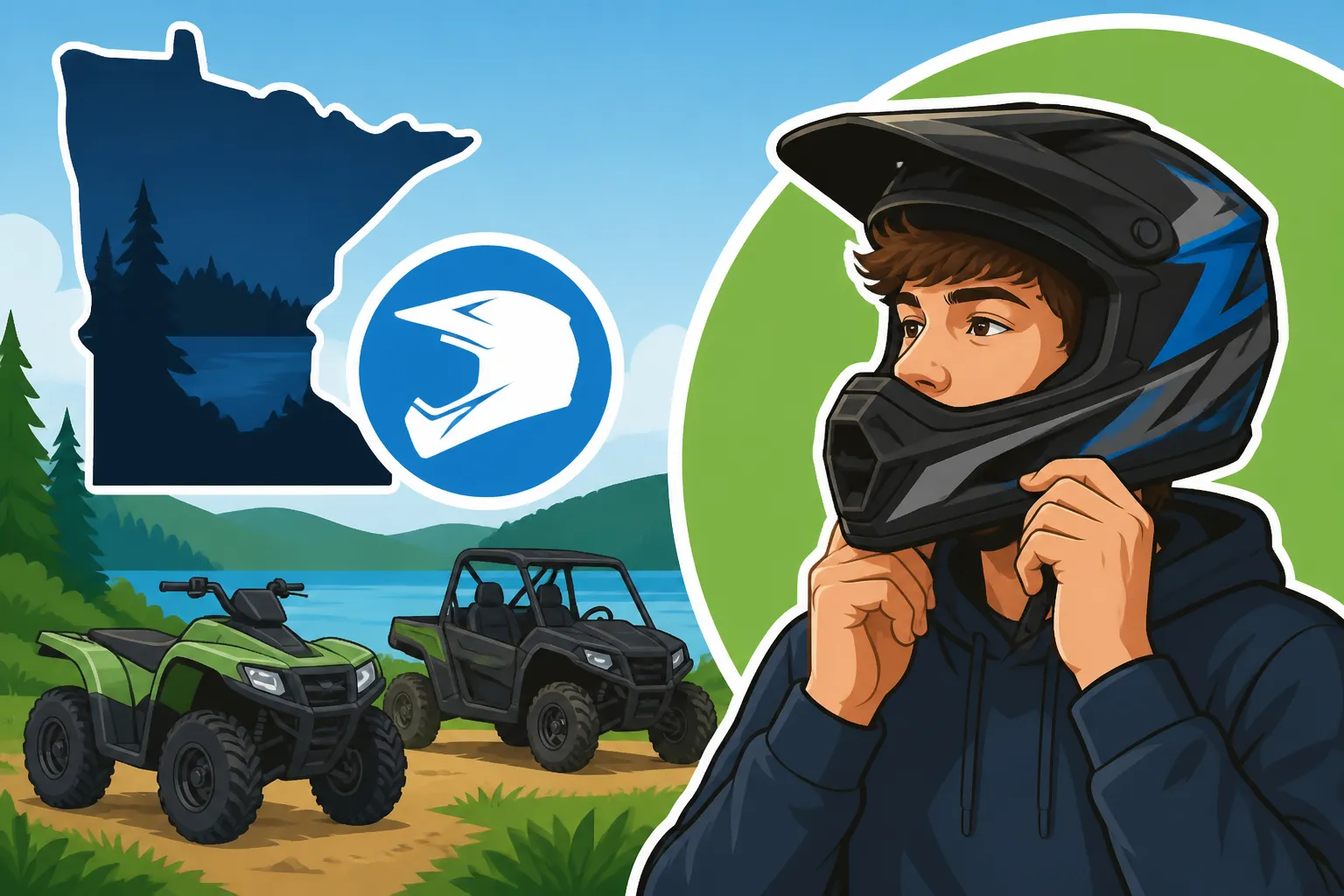
So, what does that "under 18" rule really mean for your 17-year-old? Simply put, they are legally required to wear an approved helmet whenever they operate an ATV or UTV on public lands, trails, or roadways where such operation is permitted. There's no gray area here, no special exemption just because they're close to adulthood. A 17-year-old is still considered a minor in the eyes of the law when it comes to ATV operation, and that means the helmet rule applies to them fully and without exception.
This regulation isn't about hindering fun; it's about mitigating risk. ATVs and UTVs are powerful machines, and even a low-speed tip-over can result in serious head injuries without proper protection. The law recognizes that a 17-year-old, while perhaps a skilled rider, is still in a developmental stage where risk assessment might not be fully mature. It's a protective measure, plain and simple, aimed at safeguarding the lives and well-being of young people enjoying the sport. Think of it as another layer of safety, much like a seatbelt in a car, even if they're only going on a short trip down a gravel road.
What Kind of Helmet is Required? DOT Certification
It's not enough to just wear any helmet; it needs to be the right kind of helmet. In Minnesota, the law specifies that helmets must be approved by the U.S. Department of Transportation (DOT). This isn't some arbitrary standard; DOT certification means the helmet has met rigorous safety tests designed to protect against impact and penetration. How do you know if a helmet is DOT approved? Look for the small, circular DOT sticker on the back of the helmet. This sticker is your assurance that the helmet meets the minimum federal safety standards.
When you're shopping for a helmet, you'll find a wide variety of styles: full-face helmets offer comprehensive protection, open-face helmets provide more ventilation but leave your face exposed, and modular helmets offer a bit of both. The key, regardless of style, is that DOT certification. You might consider accessories from companies like SuperATV to enhance your riding experience, but when it comes to the helmet itself, the DOT stamp is non-negotiable for legal compliance and rider safety. Make sure the helmet fits snugly, not wobbling on their head, but also not uncomfortably tight, and that the chin strap can be securely fastened. A properly fitting, DOT-certified helmet is the most crucial piece of safety gear your 17-year-old can wear.
Beyond the Basic Law: Practicalities and Enforcement
Knowing the law is one thing, but understanding where and how it applies, and what happens if it's not followed, is equally important. Minnesota's helmet law for minors isn't confined to a specific type of terrain; it's comprehensive, covering most situations where a 17-year-old might be operating an ATV or UTV.
Where the Helmet Rule Applies: Trails, Roads, and Private Land
The Minnesota helmet rule for riders under 18 is far-reaching. It applies on all public ATV trails, including the vast network of [Minnesota's Grant-in-Aid Trail System]. If your 17-year-old is riding on a state forest trail or a county-maintained route, that helmet needs to be on their head. It also applies when operating legally on road rights-of-way, such as when following [Minnesota's Ditch Riding Rules] or crossing a road. The intent is to protect young riders no matter the environment they're in.
Even on private land, the law technically applies to the rider themselves. While enforcement by conservation officers might be less frequent on a secluded private property compared to a busy public trail, the legal requirement for a 17-year-old to wear a helmet still stands. This means that even if they're just zipping around the back forty of your farm, that DOT-approved helmet is a must. It's not just about avoiding a ticket; it's about instilling lifelong safe riding habits and protecting them from severe injury in the event of an accident. Whether they are taking the machine out for [Riding a Side-by-Side Used on a Farm] or just heading to a friend's property, the helmet needs to be part of their routine.
Consequences of Not Wearing a Helmet
Ignoring the helmet law for a 17-year-old rider in Minnesota can lead to a few unwelcome consequences. First and foremost, there are legal penalties. Conservation officers, sheriff's deputies, and other law enforcement personnel regularly patrol public lands and road ditches, and they are well-versed in ATV regulations. If your 17-year-old is caught riding without a helmet, they (and potentially you, as the supervising adult or owner of the machine) could face a citation and a fine. These fines might not break the bank, but they're certainly an unnecessary expense that could easily be avoided by simply wearing the proper gear. You can read more about [Minnesota Penalties for an Unregistered ATV in Minnesota] and similar violations to understand the seriousness.
Beyond the legal aspect, the biggest consequence is, of course, the increased risk of injury. Helmets are incredibly effective at preventing or reducing the severity of head injuries. Without one, a simple fall or collision can result in concussions, skull fractures, or even traumatic brain injury, which can have life-altering consequences. No ride, no matter how short or seemingly low-risk, is worth that gamble. Moreover, some insurance policies might have clauses that could affect coverage if a rider was not wearing legally required safety gear at the time of an accident. While [Insuring an ATV in Minnesota] is crucial, compliance with safety laws is often a prerequisite for full coverage. It's a stark reminder that safety isn't just about following rules, it's about protecting what matters most.
Ensuring Compliance and Safety for Your 17-Year-Old Rider
For parents, it's not just about enforcing a rule; it's about fostering a culture of safety. Helping your 17-year-old understand and embrace helmet use involves more than just handing them a piece of gear. It’s about education, setting a good example, and making sure they have the best possible protection.
Choosing the Right Helmet: Fit and Features
Finding the right helmet is crucial for both safety and comfort. A helmet that doesn't fit correctly won't provide adequate protection and might even become a distraction. When fitting a helmet for your 17-year-old, ensure it's snug around their entire head without causing pressure points. It shouldn't shift or rock when they shake their head, and the chin strap should be adjustable to create a secure fit without choking. Many helmets come with removable padding that can be swapped out for a more customized fit. Brands like SuperATV, while primarily known for vehicle accessories, also offer a range of riding gear, and understanding helmet features is key regardless of brand.
Consider the features that will make riding more enjoyable and safer. Good ventilation is essential, especially on hot Minnesota summer days, to prevent overheating and fogging. An anti-fog visor or a helmet designed to accommodate goggles is also important for clear vision, which is paramount for safety. Reflective elements on the helmet can increase visibility to others, especially during dusk or dawn rides, or when using the machine on a roadside ditch. Investing in a quality helmet isn't just meeting a legal requirement; it's a direct investment in your child's safety and comfort, allowing them to focus on the trail ahead rather than an ill-fitting piece of gear.
Encouraging Helmet Use and Setting a Good Example
The best way to ensure your 17-year-old consistently wears their helmet is to make it a non-negotiable part of every ride. This starts with clear communication about why the helmet is important, not just that it's required by law. Explain the risks of head injuries and share real-world examples (without being overly fear-mongering) to underscore the helmet's protective role. Peer influence can be strong at this age, so discuss how to handle situations where friends might be lax about safety. Remind them that true confidence comes from being prepared and protected.
More powerfully than any lecture, set a strong example. If you ride, always wear your helmet, even if you’re over 18 and not legally required to do so. Seeing adults consistently wear proper safety gear reinforces the message that helmets are for everyone who wants to ride safely, regardless of age. Make it a family rule: no helmet, no ride. This consistent approach, combined with open discussions about safety, will help your 17-year-old develop responsible riding habits that will serve them well for years to come.
Related Safety Considerations for Young Riders
While helmets are critical, they are just one piece of the puzzle when it comes to keeping young riders safe on Minnesota's trails and roads. A holistic approach to safety, incorporating training and other protective gear, offers the best defense.
Minnesota ATV Safety Training Requirement for Young Riders
It’s not just about gear; it’s about knowledge and skill. In Minnesota, anyone born after July 1, 1987, is required to complete an approved ATV safety training course to operate an ATV on public lands. This absolutely includes your 17-year-old! Even if they've been riding for years, the course covers vital topics like machine mechanics, proper riding techniques, environmental responsibility, and, of course, all the state laws and regulations, including helmet use. You can find detailed information on [Minnesota ATV Safety Training Requirement] to get started.
These courses are designed to give riders a solid foundation in safe operation, helping them understand the limitations of their machine and their own skills. They often include both online components and hands-on riding clinics, providing practical experience in a controlled environment. A rider who has completed safety training is not only more knowledgeable but also typically more confident and less prone to making risky decisions. This training complements helmet use perfectly, creating a well-rounded safety profile for your young rider.
Eye Protection and Other Essential Gear
While the helmet protects the head, your 17-year-old's eyes also need protection from dust, debris, insects, and low-hanging branches. Even with a full-face helmet, a good pair of goggles or a clear, scratch-resistant face shield is essential. Just like helmets, aim for eye protection that meets ANSI Z87.1 safety standards for impact resistance. Clear vision is paramount for safe riding; obscured vision due to dust or glare can lead to dangerous situations quickly.
Beyond helmets and eye protection, encourage your 17-year-old to wear other protective gear, including:
- Gloves: To protect hands from abrasions and provide a better grip.
- Long Pants and Long-Sleeved Shirt: To guard against scrapes, cuts, and sun exposure. Heavy-duty denim or specialized riding apparel is ideal.
- Over-the-Ankle Boots: To protect feet and ankles from impacts and provide support.
Think of it as an entire safety system, where each piece plays a vital role. Companies like SuperATV offer a range of accessories that can enhance safety and comfort, from windshields on a UTV to handguards on an ATV, which can protect hands further. Investing in this full suite of gear demonstrates a commitment to safety that goes beyond mere compliance, helping your 17-year-old stay safe and enjoy their riding adventures for years to come.
Summary of Minnesota ATV Helmet Rules for Young Riders
To help clarify the various aspects of Minnesota's helmet rules for young riders, especially your 17-year-old, here's a quick overview:
| Age Category | Helmet Requirement | Type of Helmet Required | Applicable Riding Areas | Additional Considerations |
|---|---|---|---|---|
| Under 18 (e.g., 17-year-old) | Mandatory for all operators and passengers. | DOT-approved (look for sticker). | All public lands, grant-in-aid trails, road ditches, and generally on private land. | Required to complete ATV Safety Training if born after July 1, 1987. |
| 18 and Over | Not legally required for operators or passengers. | Not legally required. | Not applicable (personal choice). | Still highly recommended for all riders due to safety benefits. |
This table clearly shows that a 17-year-old falls squarely into the "mandatory helmet" category. There's no getting around it, and for good reason—it's about their safety.
Disclaimer
This article is for general informational purposes only and does not constitute professional advice. Laws, prices and regulations vary by location and change over time. Consult a qualified professional for guidance on your specific situation.