Why Class 2 Machines Are Treated Differently
It's incredibly frustrating when you just want to understand the rules for your off-highway vehicle, especially when the distinctions between machine types seem to create a maze of regulations. Many Minnesota ATV and UTV owners find themselves bewildered by why some machines get more leeway on the roads and ditches than others. This guide will walk you through the key differences between Class 1 and Class 2 machines in Minnesota, diving deep into why these classifications exist and what they mean for where you can legally ride, particularly when it comes to shared road spaces.
Understanding Minnesota's Off-Highway Vehicle Classifications
Before we can even begin to understand why Class 2 machines are treated differently, we first need to lay the groundwork and clarify what exactly constitutes a Class 1 versus a Class 2 off-highway vehicle (OHV) in Minnesota. This isn't just bureaucratic jargon; these definitions dictate everything from where you can ride to the safety gear you might need. The differences might seem subtle on paper, but they have major implications once you hit the trail or even consider a quick jaunt down a ditch.
What Defines a Class 1 Machine?
In Minnesota, a Class 1 off-highway vehicle is generally what most people picture when they think of an ATV or a smaller side-by-side. These machines are defined by specific dimensions and capabilities. Typically, a Class 1 OHV cannot exceed 64 inches in width, cannot weigh more than 2,000 pounds, and must have an engine displacement of less than 1,000 cubic centimeters (cc). Think of your standard single-rider ATV, or some of the more compact, entry-level side-by-sides designed primarily for recreational trail riding.
These machines are often chosen by riders who prioritize agility and fitting onto narrower trails. They're built for single-track or moderately wide pathways, offering a nimble experience in forested areas or across varied terrain. The design philosophy behind Class 1 machines leans heavily towards recreational use, often with a focus on performance for a single or double rider, making them well-suited for the extensive trail systems across the state. You'll find many popular models from manufacturers fall squarely into this category, designed to navigate tighter spots and provide a more intimate connection with the trail. For a full rundown, check out [Minnesota ATV Classes and What They Mean].
What Makes a Machine Class 2?
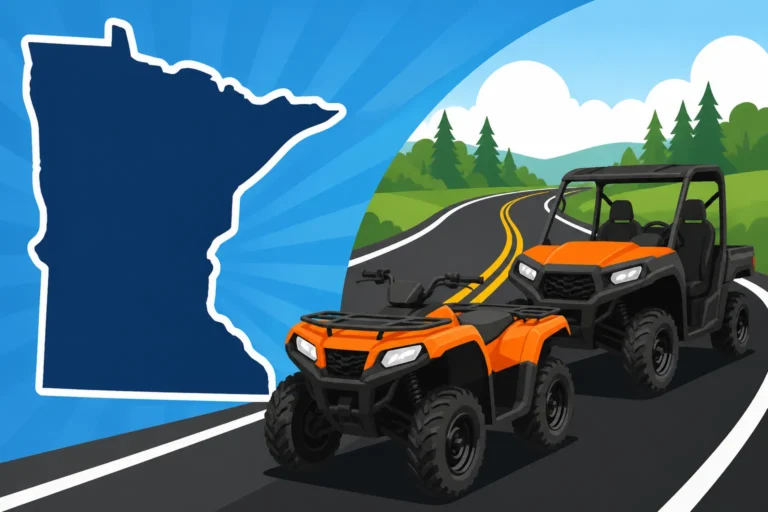
Now, let's talk about Class 2 machines. This is where things get a bit bigger and, consequently, where the rules diverge significantly. A Class 2 off-highway vehicle in Minnesota is defined as a side-by-side that exceeds the Class 1 width or weight limits. Specifically, a Class 2 machine can be up to 80 inches wide and weigh up to 2,500 pounds, and often features an engine displacement of 1,000cc or more. These are your larger, often multi-passenger utility task vehicles (UTVs) or bigger sport side-by-sides. They often come equipped with more robust cargo capacities, multiple seats, and greater power, making them ideal for heavier-duty tasks or bringing along more friends and gear.
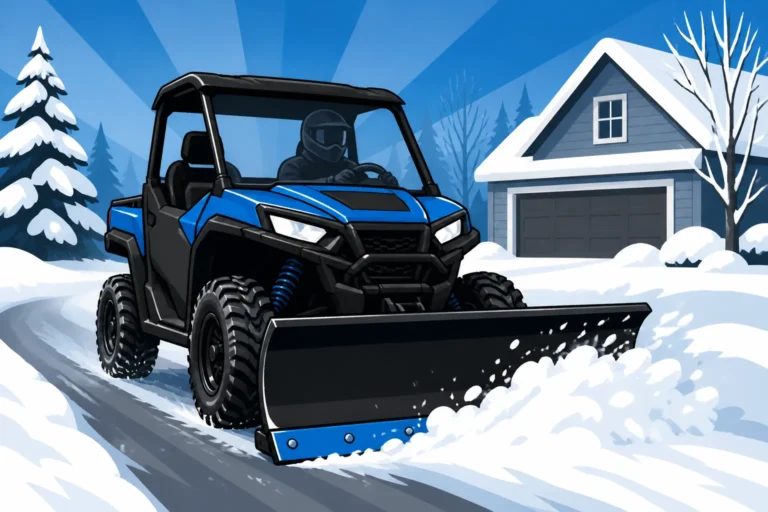
The sheer size and weight of Class 2 machines are the primary differentiators. These are not typically machines you'd expect to see on a narrow, single-track ATV trail. Instead, they thrive on wider forest roads, designated UTV trails, or open terrain. Their larger footprint and heavier build mean they interact with the ground and public infrastructure in a fundamentally different way than their smaller Class 1 counterparts. Many of these machines, especially those used for work, often come from brands that offer a wide range of accessories, like those found at SuperATV, to enhance their utility, such as plows, winches, or specialized cargo solutions.
The Core Philosophy Behind the Distinction
The Minnesota Department of Natural Resources (DNR) and state legislature didn't just pull these classifications out of a hat. There's a deeply rooted logic behind treating Class 1 and Class 2 machines differently, especially when it comes to shared public spaces like roads and ditches. This distinction isn't meant to penalize owners of larger machines but rather to ensure public safety, protect infrastructure, and maintain the integrity of different types of riding experiences. It's about finding a balance between allowing OHV use and minimizing potential conflicts or hazards.
Perceived Safety and Road Dynamics
One of the most significant factors influencing the differing treatment of Class 1 and Class 2 machines is perceived safety, particularly when interacting with conventional motor vehicle traffic. Class 1 ATVs and smaller side-by-sides, while still off-highway vehicles, are generally more compact and agile. Their smaller size can make them somewhat less imposing to other drivers and, theoretically, easier for operators to control in tighter spaces or during evasive maneuvers if needed on a roadside. Their typical operating speeds and braking capabilities are often closer to what traditional drivers might expect from a smaller utility vehicle.
Class 2 machines, on the other hand, are considerably larger, heavier, and often have a wider turning radius. Their broader stance can take up more of a ditch or shoulder, potentially encroaching more on travel lanes. The difference in mass and momentum means their stopping distances and maneuverability in emergency situations can also differ significantly from smaller OHVs or even small cars. When you have a machine that's potentially 80 inches wide, weighing over a ton, and carrying multiple passengers, the stakes for safety on or near a paved road surface are inherently higher. Lawmakers consider these dynamics when deciding where these vehicles can safely operate alongside cars and trucks, and [Why Minnesota Keeps ATVs Off the Road Surface] explores these concerns in more detail.
Infrastructure Impact and Road Wear
Beyond immediate safety, the long-term impact on public infrastructure plays a crucial role in how Class 2 machines are regulated. Roads, shoulders, and particularly ditches are engineered to handle certain types of traffic and specific weight loads. A Class 2 machine, with its greater width and weight, can exert more pressure on ditch banks, culverts, and unpaved shoulders. This can lead to increased wear and tear, erosion, and damage to areas that might not be designed for such heavy or wide vehicles.
Consider a gravel road ditch or a grassy shoulder; repeated passes by heavy, wide machines can quickly create ruts, degrade the surface, and even damage underground utilities or drainage systems. This infrastructure damage can be costly to repair and can create hazards for other users, including pedestrians, cyclists, or even smaller OHVs. The state has a vested interest in preserving its public rights-of-way, and thus, rules are put in place to limit the access of vehicles that pose a greater risk of causing such damage. This preventative measure helps manage maintenance costs and ensures the longevity of public access points, from trails to municipal routes.
Road Access Rules for Class 1 Machines
To truly grasp why Class 2 machines face tighter restrictions, it helps to understand the baseline rules for their smaller Class 1 cousins. While neither class of OHV is generally street-legal for widespread road use, Class 1 machines do have more defined and relatively broader access to road shoulders and for crossing activities under specific conditions in Minnesota. These rules reflect the state's efforts to provide reasonable access for recreational riders while still prioritizing safety and minimizing disruption to conventional traffic flow.
Ditch Riding and Road Crossings
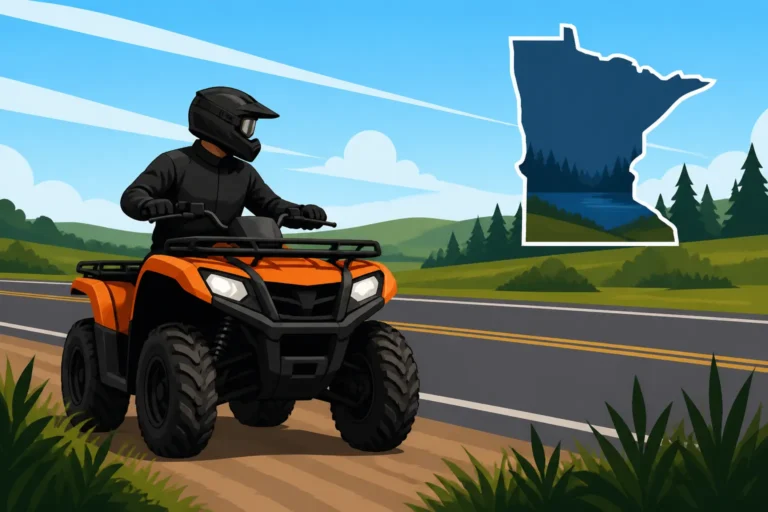
For many Class 1 ATV and smaller side-by-side riders in Minnesota, ditch riding is a common and accepted practice. Under specific rules, Class 1 machines are often permitted to operate on the extreme right-hand side of a road right-of-way, typically in the ditch or on the unpaved shoulder. This allowance is generally restricted to roads that are not state or interstate highways, and there are often stipulations about speed, proximity to residential areas, and visibility. The rationale here is that these smaller machines can generally fit within the ditch confines without unduly interfering with traffic or causing excessive damage to the road surface. Riders must always operate with extreme caution, yield to traffic, and be aware of potential hazards such as driveways, culverts, and other obstacles. For detailed guidance on this, riders should consult [Minnesota's Ditch Riding Rules].
When it comes to crossing roads, Class 1 machines generally have more flexibility. Riders are typically allowed to cross public roads, including state and county highways, provided they do so at a right angle, after coming to a complete stop, and only when it is safe and doesn't interfere with traffic. This is often necessary for connecting trails or accessing different riding areas. However, crossing a busy highway requires heightened awareness and judgment; it's not a right to blindly pull out into traffic. Understanding [Crossing a Minnesota Highway Safely] is vital for any rider. The key principle is to make the crossing as quickly and safely as possible, minimizing the time spent on the active roadway.
Exceptions and Designated Routes
While general road surface use for Class 1 machines is limited, Minnesota does provide specific exceptions and designated routes where they can operate on the paved surface. Many rural counties and townships have designated certain roads or road segments as OHV routes. These routes are usually clearly marked with signs, indicating where ATVs and side-by-sides are permitted to travel on the paved or gravel surface. These designations are typically made in areas where traffic is light, and the roads serve as crucial connectors within a larger trail system. It's a way for communities to embrace OHV tourism and provide direct access to services or trailheads.
Furthermore, Class 1 machines may be allowed on certain roads for specific purposes, such as accessing private property where no other reasonable access exists, or for agricultural and utility operations. These exceptions are typically narrowly defined and require strict adherence to local ordinances and state statutes. Some cities, particularly those that are popular trail hubs, have also passed ordinances allowing OHVs on their streets to access gas stations, restaurants, or lodging, creating what are often called "trail towns." Riders should always check local signage and ordinances before assuming they can ride a Class 1 machine on any given road surface, as rules can vary significantly even between neighboring townships or municipalities. A useful resource for this is [Minnesota Cities That Allow ATVs on Streets].
The Strict Realities of Class 2 Road Use in Minnesota
Now we arrive at the heart of the matter: why Class 2 machines face a much stricter set of rules regarding road use in Minnesota. While the larger size and greater capabilities of Class 2 UTVs make them incredibly versatile for work and multi-passenger recreation, these very attributes also lead to significant limitations when it comes to operating on public roads and shoulders. The state's regulations for these machines are a clear reflection of the safety and infrastructure concerns we discussed earlier.
General Prohibition on Roadways
The overarching rule for Class 2 machines in Minnesota is a general prohibition on operating them within the road right-of-way, particularly on the shoulder or in the ditch, of any public road. Unlike Class 1 machines which have more latitude for ditch riding, Class 2 vehicles are largely excluded from these areas. This means that if you own a larger side-by-side, you cannot typically use the ditch to travel from one trail segment to another, or to simply get from your home to a nearby field. This restriction is crucial for owners to understand, as it can severely impact routing and accessibility if they're not aware of it.
The intent behind this strict rule is multi-faceted. The wider footprint of Class 2 machines means they take up more space in a ditch, reducing the safety buffer between the OHV and passing vehicle traffic. Their heavier weight can also cause more significant damage to unpaved shoulders and ditch embankments, leading to costly erosion and maintenance issues. Moreover, the larger size can make them less predictable for motorists sharing the road, increasing the potential for accidents. Therefore, while Class 1 machines are allowed certain freedoms for connecting routes, Class 2 machines are often confined to dedicated trails, private property, or very specific, limited exceptions.
Limited Exceptions for Farm, Utility, and Specific Routes
Despite the general prohibition, there are a few very specific and limited exceptions where Class 2 machines may be allowed to operate within a public road right-of-way. These exceptions are usually tied to functional needs rather than recreational travel. For instance, Class 2 machines are often permitted for agricultural purposes or for specific utility work. If you're a farmer using a large UTV, perhaps equipped with accessories from SuperATV like a heavy-duty bed or specialized implements, to haul feed or access fields that border a public road, you might fall under an agricultural exemption. Similarly, utility workers using UTVs for maintenance along power lines or pipelines often have specific allowances. These are not blanket permissions for recreation, but rather targeted exemptions for essential tasks.
Additionally, some local municipalities or counties may have designated specific Class 2 OHV routes within their jurisdiction. These routes are typically well-marked and are often found in areas that actively promote OHV tourism, serving to connect trails with local businesses. However, these are not as widespread or common as Class 1 ditch riding permissions, and they are almost always limited to township or county roads, not state highways. It's absolutely critical for Class 2 owners to thoroughly research and confirm local ordinances and signage before attempting any road or ditch travel. Simply put, don't assume; verify every single time. [Minnesota Rules for Farm and Utility Machines] can offer further insights into these specific allowances.
Equipping and Operating for Compliance (and Safety)
Navigating Minnesota's OHV regulations, especially the distinctions between Class 1 and Class 2 machines, requires not just knowledge of the rules but also responsible operation and, in some cases, appropriate machine setup. Even when you're legally allowed to operate your machine on or near a public roadway, taking extra precautions and ensuring your vehicle is properly equipped can make a significant difference in safety and compliance. It's about being a good neighbor on shared public spaces and protecting yourself and others.
Modifications and Accessories for Visibility and Safety
Whether you have a Class 1 or a Class 2 machine, if you plan on operating it in any area where it might encounter other traffic – even just crossing a road or riding a designated ditch – enhancing its visibility is paramount. This includes ensuring your machine has properly functioning headlights, taillights, and brake lights, which are legally required after dark. Many riders choose to add extra LED lighting, reflective tape, or even whip flags, especially for Class 2 machines that might appear slower or less predictable to motorists. Turn signals, while not always strictly mandated for all OHV road use, are also a smart addition for clearly communicating your intentions.
Beyond visibility, safety accessories play a crucial role. Mirrors are essential for situational awareness, allowing you to see traffic approaching from behind without constantly turning your head. A sturdy windshield can protect riders from debris, and even a roof can offer some protection. For those with larger UTVs that might engage in utility work or specific permitted road travel, a full cab enclosure can enhance comfort and safety. Companies like SuperATV offer a vast array of accessories, from full lighting kits to mirrors and roofs, that can significantly improve the safety profile and compliance of your machine when operating near or on roadways. It's an investment in your well-being and the safety of others.
Driver Licensing and Passenger Rules
Regardless of whether you're operating a Class 1 or Class 2 machine on a public road, ditch, or designated route in Minnesota, certain driver and passenger rules apply. First and foremost, anyone operating an OHV on a public road or right-of-way must possess a valid driver's license. This isn't just a suggestion; it's a legal requirement designed to ensure that operators have a basic understanding of traffic laws and safe driving practices. For younger riders, specific age requirements and supervision rules apply. For instance, those under 16 operating on public roads or rights-of-way often need to be accompanied by a licensed adult on a separate machine or meet other specific criteria. For a full breakdown, see [Driver's License Rules for Minnesota Road Riding].
Passenger rules are another critical aspect. OHVs are designed for a specific number of occupants, as indicated by the manufacturer. You cannot legally carry more passengers than your machine is designed for, and all passengers must be seated in designated seating areas with appropriate restraints. This is especially pertinent for multi-passenger Class 2 UTVs, where the temptation to squeeze in "just one more" can be high. Safety belts, if equipped by the manufacturer, must always be worn. For riders under the age of 18, Minnesota has a helmet law, requiring helmets to be worn when riding an OHV. This applies to both operators and passengers. Understanding [Minnesota Helmet Rules for Riders Under 18] is vital for youth safety. Adhering to these rules isn't just about avoiding a ticket; it's about minimizing the risk of serious injury in the event of an accident.
The Consequences of Misunderstanding the Rules
It's easy to assume that rules are just guidelines, especially when you're out having fun or getting work done. However, misunderstanding or intentionally disregarding Minnesota's OHV regulations, particularly those concerning Class 1 and Class 2 machines on roads, can lead to a host of unpleasant and costly consequences. The state takes these regulations seriously, and enforcement is in place to ensure public safety and protect its valuable natural resources and infrastructure. The repercussions can range from immediate financial penalties to long-term legal and insurance headaches.
Fines and Legal Ramifications
Operating an OHV in a manner inconsistent with Minnesota law can quickly result in fines and other legal penalties. For instance, if you're caught operating a Class 2 machine in a road ditch where only Class 1 machines are permitted, or riding either class of OHV on a prohibited road surface, you could be issued a citation. These fines aren't negligible and can quickly add up, especially if combined with other violations like lacking proper registration, safety training, or protective gear. Conservation Officers and local law enforcement are well-versed in these regulations and actively patrol areas where OHV use is common or where violations are known to occur.
Beyond monetary fines, more severe or repeated infractions could lead to other legal ramifications. This might include having your machine impounded, losing your OHV operating privileges, or even facing misdemeanor charges depending on the nature and severity of the violation. Imagine having your weekend ride cut short and your machine towed away, followed by a hefty fine and a court date – it's a scenario no one wants to experience. Ignorance of the law is generally not considered a valid defense, which is why taking the time to understand these distinctions is so crucial. Familiarize yourself with [Minnesota Fines for Illegal Road Riding] to understand the potential costs involved.
Insurance and Liability Concerns
Perhaps even more concerning than fines are the potential insurance and liability issues that arise from operating an OHV illegally. If you're involved in an accident while operating your Class 1 or Class 2 machine in an unauthorized area or in violation of state laws, your insurance coverage could be jeopardized. Many OHV insurance policies have clauses that nullify coverage if the machine is being operated illegally at the time of an incident. This means that if you cause an accident while riding your Class 2 UTV in a prohibited ditch and your insurance company denies coverage, you could be personally responsible for all damages, including property damage, medical bills, and potential legal defense costs.
Consider a scenario where your illegally operated Class 2 machine collides with a passenger vehicle. Not only could you face criminal charges for unlawful operation, but you could also be sued for civil damages, potentially leading to significant financial ruin. This risk extends to situations where you might injure a passenger on your own machine, or even damage public property like a culvert or road sign. The seemingly innocent act of taking a shortcut down a prohibited road shoulder can turn into a financial nightmare if an accident occurs. Always ensure you have appropriate [Insuring an ATV in Minnesota] and that you're operating within the bounds of the law to protect yourself, your passengers, and your assets.
Summary of Class 1 vs. Class 2 Road Rules
To bring all these distinctions into sharp focus, here's a quick comparison of how Minnesota generally treats Class 1 and Class 2 machines when it comes to road rights-of-way. Remember, these are general guidelines, and local ordinances can always add further restrictions or, in specific cases, limited allowances. Always check local signage and regulations before you ride.
| Feature | Class 1 OHV (e.g., standard ATV, smaller UTV) | Class 2 OHV (e.g., larger multi-passenger UTV) |
|---|---|---|
| Max Width | Up to 64 inches | Up to 80 inches |
| Max Weight | Up to 2,000 pounds | Up to 2,500 pounds |
| Ditch Riding (Shoulder) | Generally allowed on specified roads with rules ([Minnesota's Ditch Riding Rules]) | Generally prohibited, with very limited exceptions |
| Road Crossing | Generally allowed at right angles, yielding to traffic | Generally allowed at right angles, yielding to traffic |
| Road Surface Travel | Extremely limited, only on designated routes or specific exceptions | Almost entirely prohibited, except for farm/utility use or specific marked routes |
| Driver's License Required | Yes, for public road/ditch use | Yes, for any public road-like surface |
| Helmet Under 18 | Yes | Yes |
| Primary Use | Recreational trail riding, light utility | Heavy-duty utility, multi-passenger recreation, wider trails |
The table clearly illustrates that while both classes of OHVs are subject to strict regulations, the larger dimensions and greater weight of Class 2 machines significantly restrict their access to public road rights-of-way. This distinction is fundamental to Minnesota's OHV laws and is a critical piece of knowledge for any owner to safely and legally enjoy their machine.
Disclaimer
This article is for general informational purposes only and does not constitute professional advice. Laws, prices and regulations vary by location and change over time. Consult a qualified professional for guidance on your specific situation.