Minnesota Class 1 Machines on the Right of Way
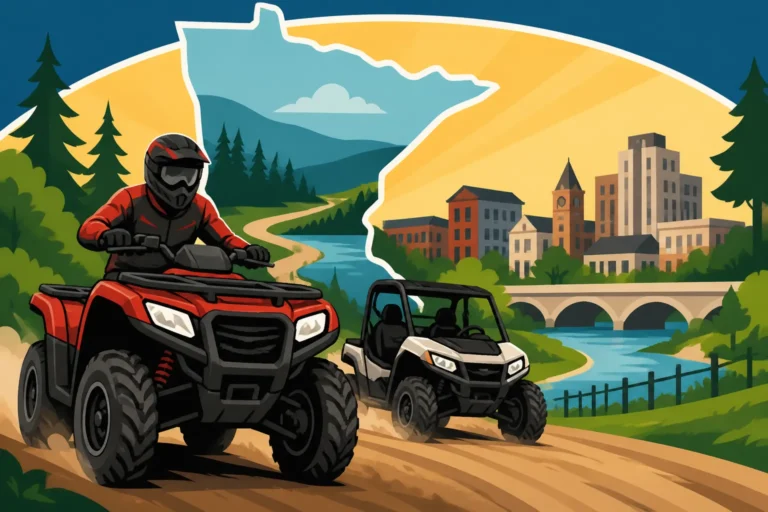
Riding your ATV or side-by-side in Minnesota can be an absolute blast, especially when you're exploring the vast network of trails or cruising through scenic landscapes. But when it comes to navigating the stretches of pavement and gravel that connect those trails or simply trying to get from your cabin to the local gas station, things can get really confusing. Many riders assume "ditch riding" is a free-for-all, or that having a side-by-side makes them street legal, only to find themselves in hot water. This guide is here to clear up the muddy waters, specifically focusing on how Minnesota law applies to Class 1 machines when you're looking to use the public road right-of-way.
Understanding Minnesota's Class 1 and Class 2 Machine Distinction
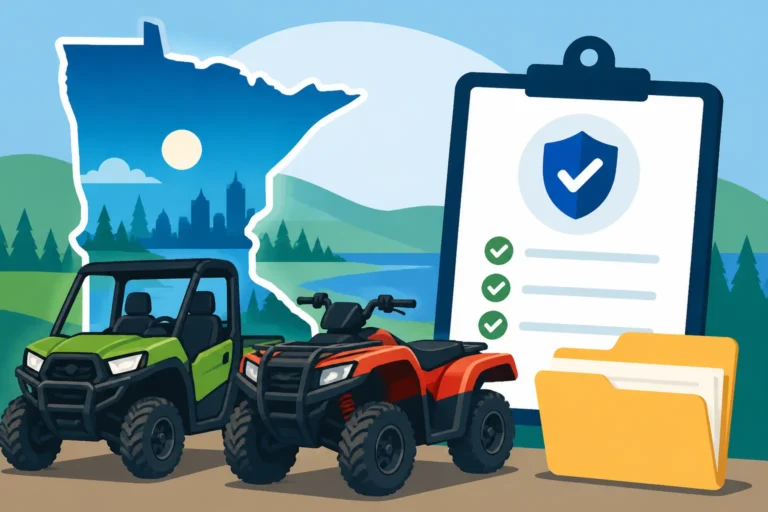
Before we dive into the nitty-gritty of riding on the right-of-way, it's crucial to understand how Minnesota defines the machines we're talking about. The state doesn't just see "ATVs" and "UTVs" as one big group. There are specific classifications that dictate where and how you can ride, especially when public roads are involved. Failing to understand this distinction is where many riders unknowingly step over the line.
What Defines a Class 1 ATV in Minnesota?
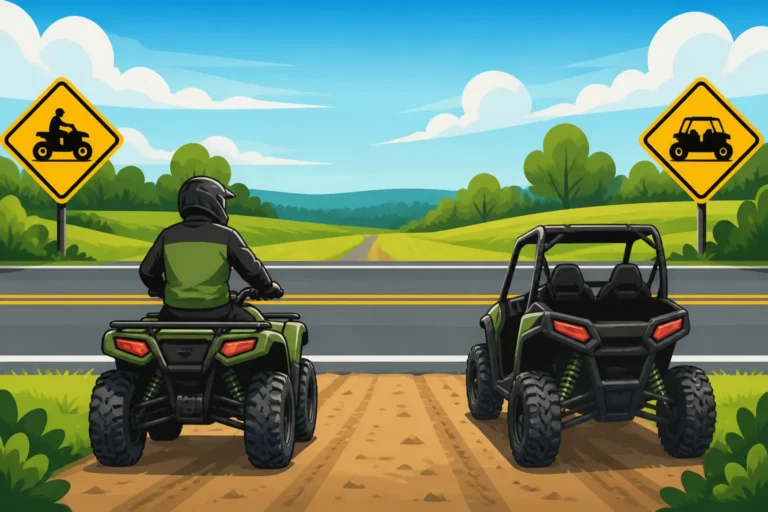
In Minnesota, a Class 1 ATV is generally what most people picture when they think of a traditional four-wheeler. The defining characteristic that sets it apart for road use is its width. A Class 1 ATV, by law, must be 50 inches wide or less. This measurement is taken at the widest point of the machine, which usually includes the tires. Beyond width, these machines are typically designed for a single rider, or sometimes a rider and one passenger, with straddle seating and handlebar steering. Their weight and engine size can vary widely, from smaller recreational models to more powerful utility quads.
The reason this 50-inch width is so important for right-of-way use is that it largely dictates where you can legally operate outside of designated trails. State laws are designed with safety in mind, and the narrower profile of a Class 1 machine is considered more manageable for operating in the shoulder or ditch area alongside roads. Think of a Polaris Sportsman 450 or a Honda Rancher – these are prime examples of machines that often fall into the Class 1 category, built to handle diverse terrain but still narrow enough to comply with these rules. Understanding this dimension is your first step to legal ditch riding.
How Class 2 Machines Differ and Why It Matters
Now, let's talk about their bigger siblings: Class 2 machines. These are primarily what we refer to as side-by-sides or UTVs, though some wider ATVs can also fall into this category. The key differentiator here is that a Class 2 machine is wider than 50 inches. This is a critical threshold in Minnesota law. Because of their increased width, Class 2 machines generally face much stricter limitations when it comes to riding on the public road right-of-way.
The rationale behind these stricter rules is largely about space and safety. A side-by-side, which can easily be 60 or 64 inches wide, takes up significantly more room. This makes it more challenging to safely operate within the narrow confines of many road shoulders or ditches, especially on busy routes or where the ditch itself is shallow or poorly maintained. While these machines offer fantastic utility and often multi-passenger capabilities, their size means they are typically restricted to designated ATV trails, private property, or specific routes within communities that have explicitly opened their roads to them. [Class 1 and Class 2 Machines in Minnesota] delves deeper into these distinctions if you want to really understand the nuances. For the purpose of ditch riding, remember: if it's wider than 50 inches, it's generally a no-go on most road rights-of-way unless a specific local ordinance says otherwise.
The Basics of Riding a Class 1 Machine on Minnesota Road Rights-of-Way
So, you've got your Class 1 machine, you understand its dimensions, and now you want to hit some of those connecting segments of public right-of-way. This is where most of the confusion, and unfortunately, most of the citations happen. Minnesota has specific rules, and they aren't always what riders assume. It's not about being "street legal" in the sense a car is; it's about navigating the edges of the road safely and legally.
The "Ditch Riding" Rule Explained
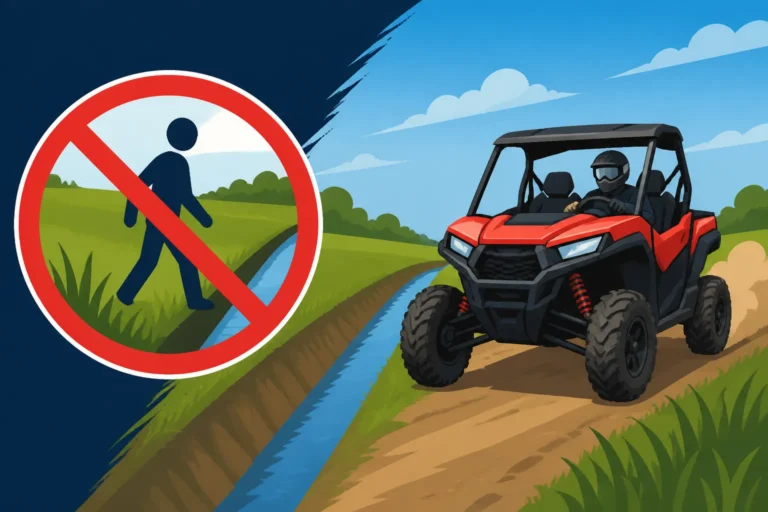
When Minnesota law talks about riding on the "right-of-way" for ATVs, it's almost always referring to what we colloquially call "ditch riding." This means operating your Class 1 ATV on the unpaved portion of the road right-of-way, not on the traveled portion of the road itself. The key here is to stay as far to the right as possible, outside the paved or gravel shoulder, and within the ditch area. This is the designated space where your machine is generally permitted.
It's vital to understand that the right-of-way extends beyond just the ditch. It's the entire strip of land that the public owns, including the traveled lane, the shoulder, and the ditch up to the property line. However, the legal riding area for Class 1 ATVs is specifically limited to that unpaved ditch or shoulder area, often referred to as the "grade." You're expected to stay clear of the actual driving lanes, recognizing that cars and trucks have the primary right to that space. This is where [Minnesota's Ditch Riding Rules] can give you an even more in-depth look at what's expected. Think of it as sharing the road without actually being on the road.
Specific Roads and Highways Where Class 1s Can Operate
The ability to ride your Class 1 ATV on the right-of-way isn't uniform across all roads in Minnesota. The rules depend heavily on the type of road and the specific jurisdiction it falls under. Generally, township roads, which are often gravel or lightly maintained, are the most permissive. County roads usually allow ditch riding for Class 1 machines as well, but always with the caveat that you must stay off the main travel lane.
State highways, especially the busier ones, present the most restrictions. While limited ditch riding might be allowed on some segments, you often face stricter rules, higher speeds from vehicular traffic, and less forgiving terrain in the ditch itself. Local municipalities, such as cities and towns, also have the authority to regulate ATV use within their boundaries. Some towns might designate specific "ATV routes" that allow you to ride on paved streets for short distances to access services or trails, but these are exceptions, not the rule. You must always check with local ordinances for the specific area you plan to ride. Remember, even where allowed, your speed on the right-of-way is usually limited, often to a speed that is reasonable and prudent for the conditions, or a specific limit like 20 mph, to ensure safety for both you and other road users.
Navigating Intersections, Bridges, and Obstacles
Riding on the right-of-way isn't always a straight shot down a perfect ditch. You'll inevitably encounter situations that require you to make decisions about where to ride, how to cross, and what to do when your designated path is blocked. These are critical moments where knowing the law (and exercising good judgment) keeps you safe and legal.
Crossing Roads and Highways Safely
One of the most common scenarios where you'll interact directly with vehicular traffic is when you need to cross a road or highway. Minnesota law is very clear on how Class 1 ATVs (and all off-highway vehicles, for that matter) must handle these crossings. You cannot simply zip across. The procedure is much like a pedestrian crossing the street or a vehicle stopping at an intersection.
When you approach a road you need to cross, you must first come to a complete stop. This isn't optional; it's a legal requirement. Once stopped, you need to yield to all oncoming traffic. Wait until the path is completely clear and it is safe to cross the entire width of the road. Cross at a 90-degree angle to the road, as directly as possible, and do so without stopping on the pavement. The goal is to minimize your time in the travel lanes. This is especially important when crossing a busy county road or a state highway where traffic speeds are higher. Always assume drivers might not see you, so make your intentions clear and be decisive in your crossing. [Crossing a Minnesota Highway Safely] provides additional details on these high-stakes maneuvers.
Rules for Bridges, Culverts, and Where the Ditch Ends
Ditch riding often means you'll encounter natural or man-made features that interrupt your path. Bridges are a prime example. You cannot simply ride your ATV across the bridge deck alongside vehicle traffic. Minnesota law generally prohibits ATVs from operating on bridge surfaces unless the bridge is specifically designated as an ATV trail or route. If the ditch leads to a bridge, you must stop, dismount (if necessary for safety or visibility), and walk your machine across the bridge or find an alternative route. This might seem inconvenient, but it's a safety measure to prevent conflicts with motor vehicles and ensure structural integrity.
Culverts, on the other hand, are often manageable. If the culvert is part of the ditch system and traversable by your Class 1 machine, you can usually ride over it. However, if the culvert requires you to enter the main traveled lane, or if the ditch ends abruptly without a safe passage, you are once again faced with a challenge. In these "hazard exceptions," the law allows you to briefly enter the traveled portion of the road only to bypass an impassable obstacle, and you must return to the right-of-way as soon as it's safe to do so. This is a very limited exception, so use it sparingly and with extreme caution. Always prioritize safety and avoid creating a hazard for others.
Equipment and Rider Requirements for Road Use
Just like any other vehicle operating on public lands, your Class 1 ATV needs to meet certain equipment standards when you're riding on the right-of-way. Furthermore, the rider also has specific responsibilities regarding licensing, age, and personal protective gear. These aren't just suggestions; they are legal mandates designed to protect you and others sharing the public space. Ignoring them can lead to fines or worse.
Essential Machine Equipment for Ditch Riding
When you're out riding your Class 1 machine on the public right-of-way in Minnesota, it needs to be equipped to handle the demands of sharing that space, even if you're not on the main road. First and foremost, you need proper lighting. This means a functional headlight that emits a white light and a taillight that emits a red light, both visible from appropriate distances, especially if you're riding at dusk, dawn, or during periods of low visibility. Reflectors are also crucial – typically a red reflector on the rear of the machine. These are vital for being seen by other vehicles.
Beyond lighting, your machine must have an adequate braking system that is in good working order. A quiet muffler and a spark arrester are also mandatory for all ATVs operating on public land, including rights-of-way, to control noise pollution and prevent wildfires. While many of these items come standard on new machines, it's always a good idea to check that they are properly maintained and functional. Some riders even add aftermarket visibility enhancements, like flags or additional reflective tape, to further improve their presence, especially when they might be briefly visible to motorists. Accessories from companies like SuperATV can offer various lighting and safety upgrades, ensuring you're seen and heard appropriately.
Licensing, Helmets, and Age Restrictions
Now for the rider themselves. In Minnesota, if you are 16 years of age or older and possess a valid driver's license, you do not need a separate ATV operator's permit to operate an ATV on the road right-of-way where allowed. However, if you are between 12 and 15 years old, you must have an ATV safety certificate and be accompanied by a parent or guardian on a separate ATV, or if it's a multi-passenger machine, be directly supervised by a licensed adult rider. This parent or guardian must be at least 18 years old. [Minnesota Road Rules for Riders Aged 12 to 15] outlines these specific requirements.
Helmet laws are also crucial. Any person under 18 years of age operating or riding as a passenger on an ATV on public lands, including the right-of-way, must wear a DOT-approved helmet. While it's not legally required for adults over 18, it's always a good practice to wear a helmet for your own safety, especially when operating near traffic. Eye protection is also highly recommended, and in some situations, can even be a legal requirement if your machine isn't equipped with a windshield. These rules are in place to ensure that riders have the necessary skills and protection to operate safely.
Common Misconceptions and Legalities
Despite the clear language in Minnesota statutes, there are still a lot of misunderstandings floating around about ATV use on public roads. These misconceptions often lead to unintended violations and sometimes serious consequences. It's really important to distinguish between "ditch riding" and truly "street legal" operation, and to understand what happens if you bend or break the rules.
The Difference Between Ditch Riding and Street Legal
This is perhaps the biggest area of confusion for many ATV and UTV owners. "Ditch riding" a Class 1 machine in Minnesota is not the same as making your machine street legal in the way a car or motorcycle is. When you're ditch riding, you are explicitly staying off the main traveled portion of the road, operating on the unpaved right-of-way. You're allowed to connect trails or access services from the ditch, but not use the actual paved or gravel surface of the road for travel, except for very specific and brief hazard bypasses or crossings.
A truly "street legal" vehicle is registered and licensed to operate on the traveled portion of a public roadway, adhering to all traffic laws for motor vehicles, much like a car. This typically requires features like turn signals, rearview mirrors, a horn, and often a different type of registration. While some communities might designate specific roads as ATV routes where limited street use is permitted, and some states have laws allowing ATVs to be registered as street legal, Minnesota generally does not permit ATVs or UTVs to be made fully street legal for general road use statewide. Trying to treat your ditch-legal Class 1 machine as street legal will quickly lead to tickets for illegal operation.
Penalties for Non-Compliance and Enforcement
Breaking the rules regarding ATV operation on Minnesota road rights-of-way can carry a range of penalties. These aren't just minor inconveniences; they can significantly impact your wallet and your riding privileges. Operating an unregistered machine, riding a Class 2 machine where only Class 1s are allowed, riding on the paved surface, or failing to meet equipment requirements can all result in citations. [Penalties for an Unregistered ATV in Minnesota] offers a broader look at the consequences of non-compliance.
Fines can vary depending on the severity of the offense and the specific statute violated, but they can quickly add up. In addition to monetary penalties, you could face administrative actions, such as the temporary suspension of your ATV operating privileges. Conservation officers, county sheriffs, and local police departments are all authorized to enforce ATV laws on public roads and rights-of-way. They conduct patrols and sometimes set up checkpoints, especially in popular riding areas. It's far better to know and follow the rules than to risk a citation that could ruin your day, your weekend, or even your entire riding season.
Best Practices for Responsible Ditch Riding
Riding your Class 1 machine on Minnesota's road rights-of-way is a privilege, not an inherent right. To ensure this privilege continues and to maintain a positive public image for ATV riders, it's essential to practice responsible and courteous riding habits. These best practices aren't always explicitly written into law, but they are crucial for safety, community relations, and the longevity of access.
Safety Tips for Sharing the Right-of-Way
When you're riding your Class 1 ATV in the ditch or on the shoulder, you are still interacting with a public space where other people and vehicles have rights. Your safety, and the safety of others, should always be your top priority. First, make yourself as visible as possible. Wear bright clothing, especially blaze orange during hunting season. Consider adding a whip flag to your machine, especially if the ditch is deep and hides you from view of passing vehicles. [Whip Flags for a Ditch Ride] delves into the benefits of these often-overlooked safety devices.
Always be aware of traffic on the adjacent road. Regularly check over your shoulder and in mirrors (if equipped) for approaching vehicles. Reduce your speed significantly when you're passing driveways, mailboxes, or residential areas. Excessive dust can be a major nuisance and safety hazard for homeowners and passing motorists, so slow down on dry gravel shoulders. Never assume a driver sees you. Ride defensively, anticipate potential conflicts, and be prepared to take evasive action if necessary. A well-maintained machine, with excellent brakes and responsive steering, is also a key component of safety. Products like SuperATV's various suspension components can also help keep your machine stable and controllable in varied ditch conditions.
Respecting Private Property and Environmental Concerns
A common misunderstanding about ditch riding is that "public right-of-way" means you can ride anywhere near the road. This isn't true. The right-of-way has defined boundaries, and anything beyond that is private property. It's illegal and disrespectful to trespass onto someone's land, even if it's just a few feet past the ditch line. Always be mindful of fences, signs, and property markers. If there's any doubt about where the public right-of-way ends, err on the side of caution and stay closer to the road.
Furthermore, responsible ditch riding involves minimizing your environmental impact. Avoid creating deep ruts, especially in wet conditions, which can lead to erosion or damage to drainage systems. Be mindful of noise, particularly near homes or wildlife habitats. Stick to established paths within the ditch if they exist, rather than creating new tracks. The natural areas adjacent to roads provide habitat for small animals and support local ecosystems. By riding responsibly and courteously, you help ensure that these areas remain accessible for future generations of riders and that you maintain good relationships with the communities you pass through.
| Feature | Class 1 ATV (<= 50 inches wide) | Class 2 ATV (> 50 inches wide) |
|---|---|---|
| Typical Machines | Traditional 4-wheelers (e.g., Polaris Sportsman 450) | Side-by-sides/UTVs (e.g., Polaris Ranger, Can-Am Defender) |
| Ditch Riding | Generally permitted on unpaved right-of-way (ditch/shoulder) | Generally not permitted on unpaved right-of-way (ditch/shoulder) |
| Road Crossing | Must stop, yield, cross at 90 degrees, do not stop on pavement | Must stop, yield, cross at 90 degrees, do not stop on pavement |
| Bridge Use | Generally prohibited on bridge deck; must walk or find detour | Generally prohibited on bridge deck; must walk or find detour |
| Hazard Bypass | May briefly enter traveled lane to bypass impassable obstacle | May briefly enter traveled lane to bypass impassable obstacle |
| Equipment | Headlight, taillight, reflectors, brakes, muffler, spark arrester | Headlight, taillight, reflectors, brakes, muffler, spark arrester |
| Helmet (Under 18) | Required | Required |
| Driver's License | 16+ with valid DL no separate permit. 12-15 with safety cert and supervised. | 16+ with valid DL no separate permit. 12-15 with safety cert and supervised. |
| Street Legal | Not generally considered "street legal" for general road use | Not generally considered "street legal" for general road use |
Disclaimer
This article is for general informational purposes only and does not constitute professional advice. Laws, prices and regulations vary by location and change over time. Consult a qualified professional for guidance on your specific situation.