Minnesota Road Rules for a 15-Year-Old
Riding an ATV or UTV in Minnesota can be an incredible way to experience the outdoors, from exploring forest trails to navigating the ditch lines of rural roads. But for parents and young riders, especially those energetic 15-year-olds eager for more independence, figuring out the exact road rules can feel like trying to untangle a knotted fishing line. This guide is here to clear up that confusion, explaining precisely what a 15-year-old can legally do when it comes to operating an ATV or UTV on Minnesota's road rights-of-way.
The Foundation: Minnesota's Age-Based Riding Rules for ATVs
Before a 15-year-old even thinks about touching a public road right-of-way with an ATV or UTV, there are some fundamental requirements to understand. Minnesota law has specific stipulations based on age and safety training that apply to all riders, especially when they venture off private land. It's not just about knowing how to drive; it's about proving you understand the rules of the trail and the right-of-way.
Understanding the Safety Training Requirement
For any individual born after July 1, 1987, operating an ATV or UTV on public lands, which includes the road right-of-way, requires a valid ATV safety certificate. This isn't just a suggestion; it's a firm legal requirement. For a 15-year-old, this means they absolutely must have completed and passed an approved ATV safety training course. These courses cover everything from basic machine operation and maintenance to ethical riding practices and, crucially, the laws governing ATV use in Minnesota. Without this certificate, a 15-year-old is simply not allowed to operate an ATV on public land, regardless of any other conditions. Think of it as their driver's permit for the off-road world. You can find more details on [Minnesota ATV Safety Training Requirements].
The idea behind this requirement isn't to make things harder; it's about ensuring young riders have a solid understanding of how to operate their machine safely and responsibly. The training helps instill good habits, teaches them to anticipate hazards, and makes them aware of their responsibilities to other land users and the environment. It covers critical topics like proper throttle control, braking techniques, hazard avoidance, and understanding trail etiquette. For many families, this is a bonding experience, going through the course together to ensure everyone is on the same page.
The Role of Accompaniment for Young Riders
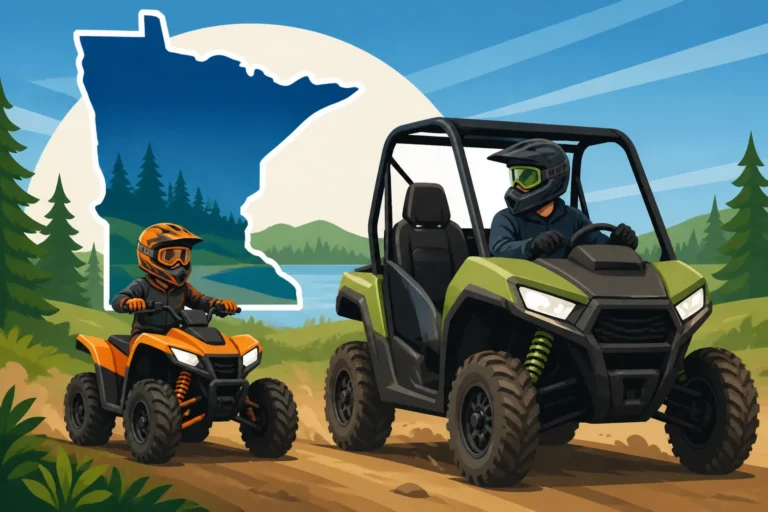
Minnesota law also has provisions regarding adult supervision for younger riders. For a 15-year-old operating an ATV or UTV on a road right-of-way, they generally need to be accompanied by a person at least 18 years old. This adult supervisor doesn't necessarily need to be riding on the same machine (though that's an option for appropriate multi-passenger machines), but they must be in a position to effectively supervise the young rider. This usually means riding on a separate ATV or UTV and being close enough to offer guidance or intervene if necessary.
The presence of an adult isn't just about legal compliance; it's a practical safety measure. An experienced adult can help a 15-year-old navigate tricky situations, reinforce safe riding habits, and model responsible behavior. They can also assist with any mechanical issues, provide first aid if an accident occurs, or help communicate with others on the trail or road. The accompanying adult provides an extra layer of supervision and responsibility, ensuring the ride remains safe and enjoyable for everyone involved. For specific details on this, you might look into [Accompanied Riding for Minnesota Minors]. This supervision is crucial for fostering good decision-making skills in potentially complex riding environments like road rights-of-way.
Specific Road & Ditch Riding Rules for 15-Year-Olds
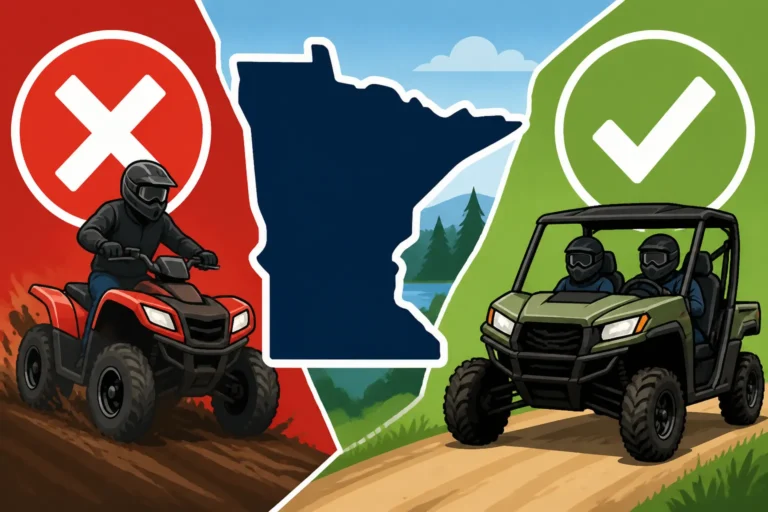
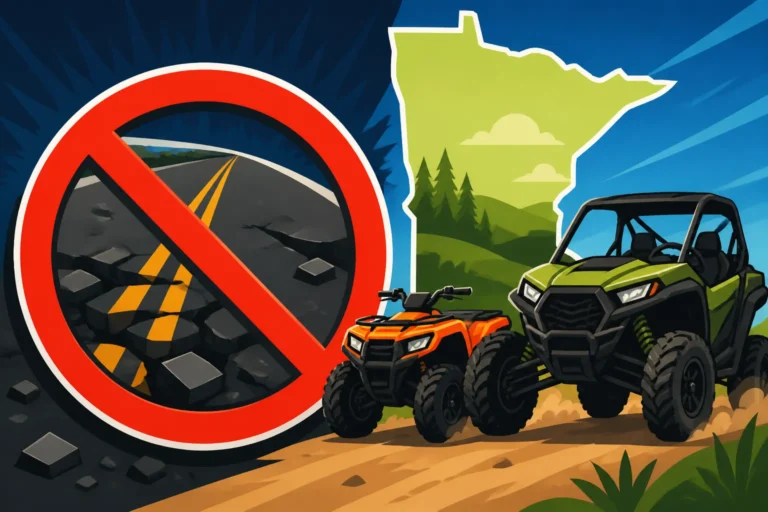
Once the safety training is complete and the supervision is in place, a 15-year-old can begin to explore certain parts of Minnesota's road rights-of-way. However, it's absolutely vital to understand that "road riding" for ATVs and UTVs in Minnesota almost never means riding directly on the paved or graded surface where cars drive. Instead, it refers to specific, designated areas of the right-of-way.
Riding the Road Right-of-Way: Ditch and Shoulder Access
For a 15-year-old (and most other ATV/UTV riders in Minnesota), authorized road access primarily means utilizing the ditch or shoulder of a public road. This is a critical distinction that many people, especially those new to the sport, misunderstand. You aren't riding on the road, but rather alongside it within the road's designated right-of-way. [Minnesota's Ditch Riding Rules] lays out many of these specifics.
This access is typically granted on county roads and township roads, which often have wider shoulders or clear ditches suitable for ATV travel. State highways generally have much stricter prohibitions, though some areas may have designated crossings or very limited access. When riding in the ditch or on the shoulder, a 15-year-old must adhere to several key conditions:
- Direction of Travel: They must always travel with the flow of traffic on the adjacent roadway. This means if cars are going north, the ATV should also be going north on the right-hand side of the ditch/shoulder.
- Speed Limits: While ATVs often don't have speedometers, riders must still adhere to the general road speed limits or, more practically, a speed that is safe and reasonable for the ditch conditions and does not endanger others. Exceeding the posted limit of the adjacent roadway is strictly prohibited.
- Daylight Hours: Most road right-of-way riding for young operators is restricted to daylight hours. This is a significant safety consideration, as ATVs can be harder to see in low light, even with proper lighting. It’s a good idea to ensure the machine has bright, visible lights. While SuperATV offers fantastic lighting upgrades like LED light bars that vastly improve visibility, these accessories don't override the legal restriction for young riders to stick to daylight hours when riding on the road right-of-way.
- Proximity to Road Surface: The rule of thumb is to stay as far away from the active traffic lanes as safely possible. This means keeping to the outermost edge of the ditch or shoulder. The further you are from traffic, the safer everyone is.
These rules exist to minimize conflict between ATVs and motor vehicles, which travel at much higher speeds and have different maneuvering characteristics. The ditches and shoulders offer a pathway that allows ATVs to connect trails or access services without directly mixing with faster-moving traffic.
Crossing Roads and Bridges
Even if a 15-year-old is restricted to the ditch, there will inevitably be times when they need to cross the actual road surface or traverse a bridge. These are moments that require extreme caution and strict adherence to specific rules to ensure safety.
When crossing a road, the procedure is clear: the rider must come to a complete stop, look both ways, and yield to all oncoming traffic. The crossing should be made at a 90-degree angle to the road surface, as directly and quickly as possible, minimizing the time spent in the active traffic lane. It's not a place to linger or turn onto the road for a short distance. This maneuver applies whether it's a small township road or a busier county highway. More information can be found in [Crossing a Minnesota Road on an ATV].
Bridges and culverts present their own challenges. In many cases, the ditch or shoulder might narrow significantly or disappear entirely at these structures. Minnesota law often allows ATVs to briefly use the actual paved surface of a bridge or culvert to cross it, but only if there is no other safe route and the crossing is made as quickly and safely as possible. This is one of the very few instances where an ATV might legally touch the main road surface. Again, the 15-year-old must yield to all vehicular traffic and proceed with extreme caution. [Crossing a Minnesota Highway Safely] provides further clarity on these specific scenarios. These situations require the young rider to be highly attentive and have excellent control of their machine.
| Activity | 15-Year-Old (With Safety Certificate & Supervision) |
|---|---|
| Ride in Ditch/Shoulder of County/Township Roads | Yes (With specific conditions) |
| Ride on Main Surface of County/Township Roads | Generally No (Except specific crossings/bridges) |
| Ride on Main Surface of State Highways | No |
| Cross a Road at a 90-Degree Angle | Yes (Yielding to traffic) |
| Cross a Bridge/Culvert on Road Surface | Yes (Briefly, if no other safe route) |
| Ride During Daylight Hours Only | Yes (Strongly Recommended/Often Required) |
| Operate Without Adult Supervision | No |
| Carry Passengers on a Single-Seat Machine | No |
What's Still Off-Limits for 15-Year-Olds on Minnesota Roads
While a 15-year-old with proper training and supervision gains some access to road rights-of-way, it's equally important to highlight what remains strictly off-limits. These restrictions are in place for the safety of the rider and the general public, and violating them can lead to citations and penalties.
The Main Road Surface and Restricted Areas
Perhaps the most common misconception is that ATVs and UTVs are "street legal" in the same way cars are. In Minnesota, this is generally not the case for conventional ATVs and UTVs, especially for young riders. As discussed, the default rule is that ATVs and UTVs are not permitted to be operated on the main traveled portion of public roads. This means no riding in the traffic lanes, whether they are paved, gravel, or dirt, unless specifically designated as an ATV route by the local authority. [Can You Ride the Road Surface in Minnesota?] goes into this in more detail.
For a 15-year-old, this restriction is even more rigid. They do not have the equivalent of a standard driver's license for a road vehicle, which would typically be required for operating on the main road surface. Even if an ATV or UTV has aftermarket modifications that might make it seem "street legal," such as turn signals, mirrors, or horns—many of which are offered by brands like SuperATV—these additions do not grant the vehicle or a 15-year-old operator the right to ride on the main road surface in Minnesota. Such kits are fantastic for enhancing visibility and meeting requirements in other states or on specific designated routes, but they do not override Minnesota's age-based restrictions or general prohibitions against road surface riding.
Furthermore, state highways are almost entirely off-limits. These are high-speed thoroughfares designed exclusively for vehicular traffic, and ATVs and UTVs, especially those operated by minors, are prohibited. Even some county roads, particularly those with high traffic volumes or specific local ordinances, might restrict ATV use in their ditches or on their shoulders. It's crucial to always check local signage and ordinances before riding in an unfamiliar area. You can learn more about specific regulations in [Minnesota Rules on County Roads]. Getting caught riding on the main road surface or in a prohibited area can result in significant fines and potentially losing riding privileges.
Night Riding and Passenger Restrictions
Another critical area of restriction for 15-year-old ATV and UTV operators relates to night riding and carrying passengers.
Night Riding: While many adults can operate ATVs and UTVs on public land during nighttime hours if their machine is properly equipped with working headlights and taillights, the rules are typically stricter for younger riders. For a 15-year-old, operating an ATV or UTV on a road right-of-way is generally restricted to daylight hours only, even if accompanied by an adult. The reduced visibility at night significantly increases the risk of accidents, and authorities err on the side of caution when it comes to minors. This restriction underscores the importance of planning rides to ensure they conclude before dusk, especially during shorter fall and winter days.
Passenger Restrictions: Most ATVs are designed for single riders, and carrying a passenger on a machine not specifically designed for it is both illegal and extremely dangerous. Even on multi-passenger UTVs, there are rules about the number of passengers and where they can sit. For a 15-year-old, the rules regarding passengers are particularly stringent. They generally cannot carry any passengers on a single-seat ATV, and even on a multi-passenger UTV, the number of passengers cannot exceed the manufacturer's design capacity. Furthermore, any passenger under 18 must also wear a helmet. Trying to squeeze an extra person onto a machine designed for one, or allowing a child to ride in a UTV without proper restraints, is a serious safety violation. You can read more about this in [Doubling Up on a One-Seat Machine in the Ditch]. These rules prioritize the stability of the machine and the safety of all occupants.
Essential Gear and Safety Considerations for Young Riders
Beyond the legalities, equipping a 15-year-old with the right gear and fostering a strong safety mindset are paramount. The road right-of-way, even the ditch, is not a playground; it's a dynamic environment that requires constant vigilance.
Helmets and Eye Protection
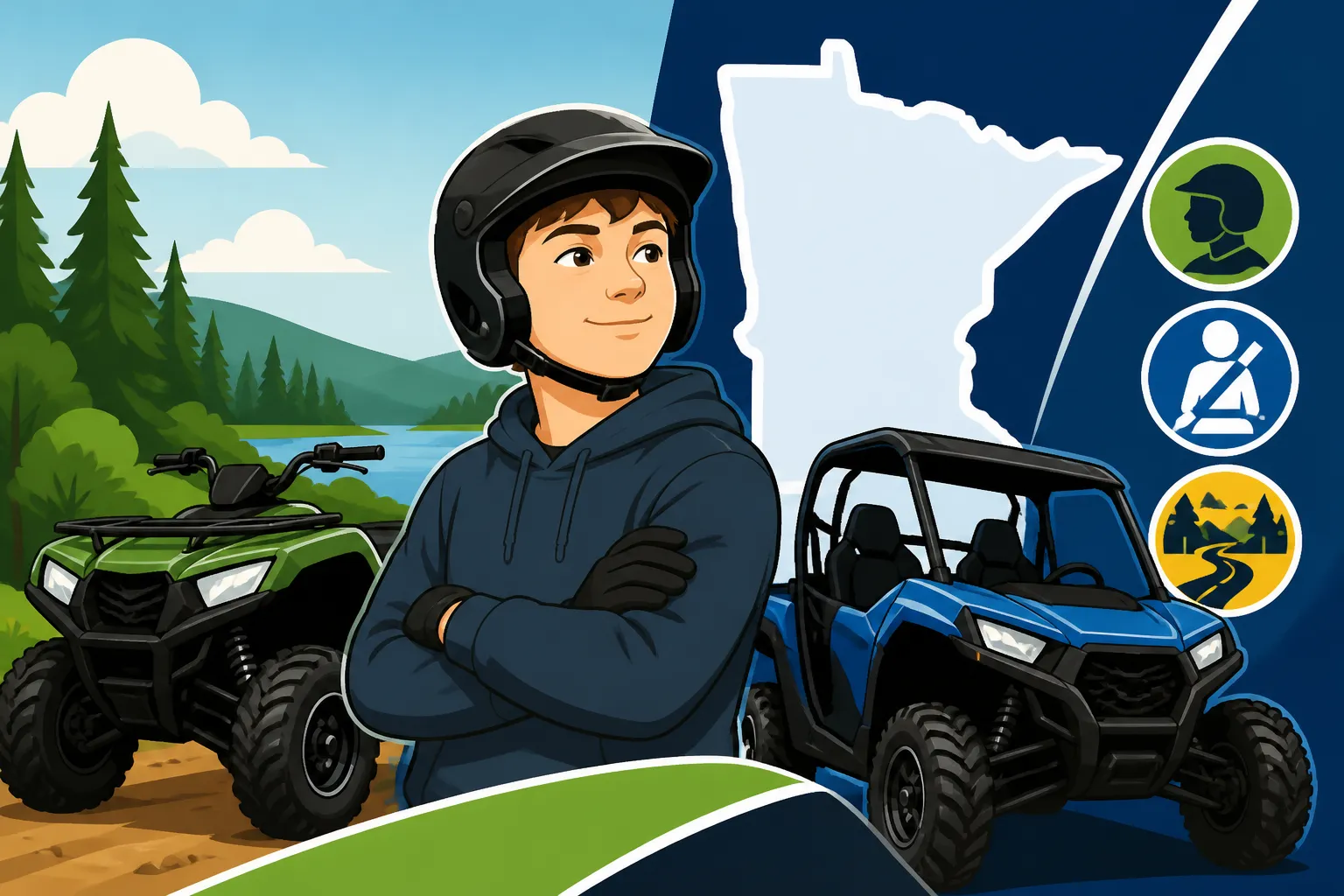
This is non-negotiable. In Minnesota, anyone under the age of 18 operating or riding as a passenger on an ATV or UTV must wear a DOT-approved helmet. This isn't just a recommendation; it's the law. A proper helmet can be the difference between a minor bump and a life-altering injury in the event of a fall or collision. The helmet must fit snugly, be in good condition, and have the appropriate safety certifications. [Minnesota Helmet Standards and Who Must Wear One] delves into this in detail.
Equally important is eye protection. Even during a casual ride in the ditch, dust, dirt, insects, and low-hanging branches can pose significant hazards to a rider's eyes. Goggles or a helmet with a face shield are essential to maintain clear vision and protect against impacts. A 15-year-old needs to understand that compromising on gear is never worth the risk. While SuperATV offers robust windshields and roofs for UTVs, which add comfort and some protection from debris, they are not a substitute for a proper helmet and eye protection, especially for riders under 18. Investing in quality, comfortable gear means they are more likely to wear it consistently.
Knowing Your Machine and the Law
Beyond the physical gear, a 15-year-old rider must develop a deep familiarity with their specific ATV or UTV. This includes understanding its controls, knowing its capabilities and limitations, and performing essential pre-ride checks. Before every ride, they should be checking tire pressure, fluid levels, brake function, and ensuring all lights are working. This proactive approach helps prevent mechanical failures that could lead to dangerous situations, especially when near roads.
Furthermore, continuous education about the law is crucial. Laws and regulations can change, and what's permitted in one county might be restricted in another. Encouraging a 15-year-old to stay informed, perhaps by occasionally reviewing DNR resources or local ordinances, builds responsible habits. Always carry the necessary paperwork, including their safety certificate and registration. [Do You Carry Papers on a Minnesota Trail?] discusses this critical point. Being able to present these documents if stopped by a conservation officer or local law enforcement can save a lot of hassle and demonstrate compliance. Teaching them to respect the rules isn't about stifling fun, but about ensuring a lifetime of safe and enjoyable riding.
Disclaimer
This article is for general informational purposes only and does not constitute professional advice. Laws, prices and regulations vary by location and change over time. Consult a qualified professional for guidance on your specific situation.