Crossing a County Road on a Minnesota ATV
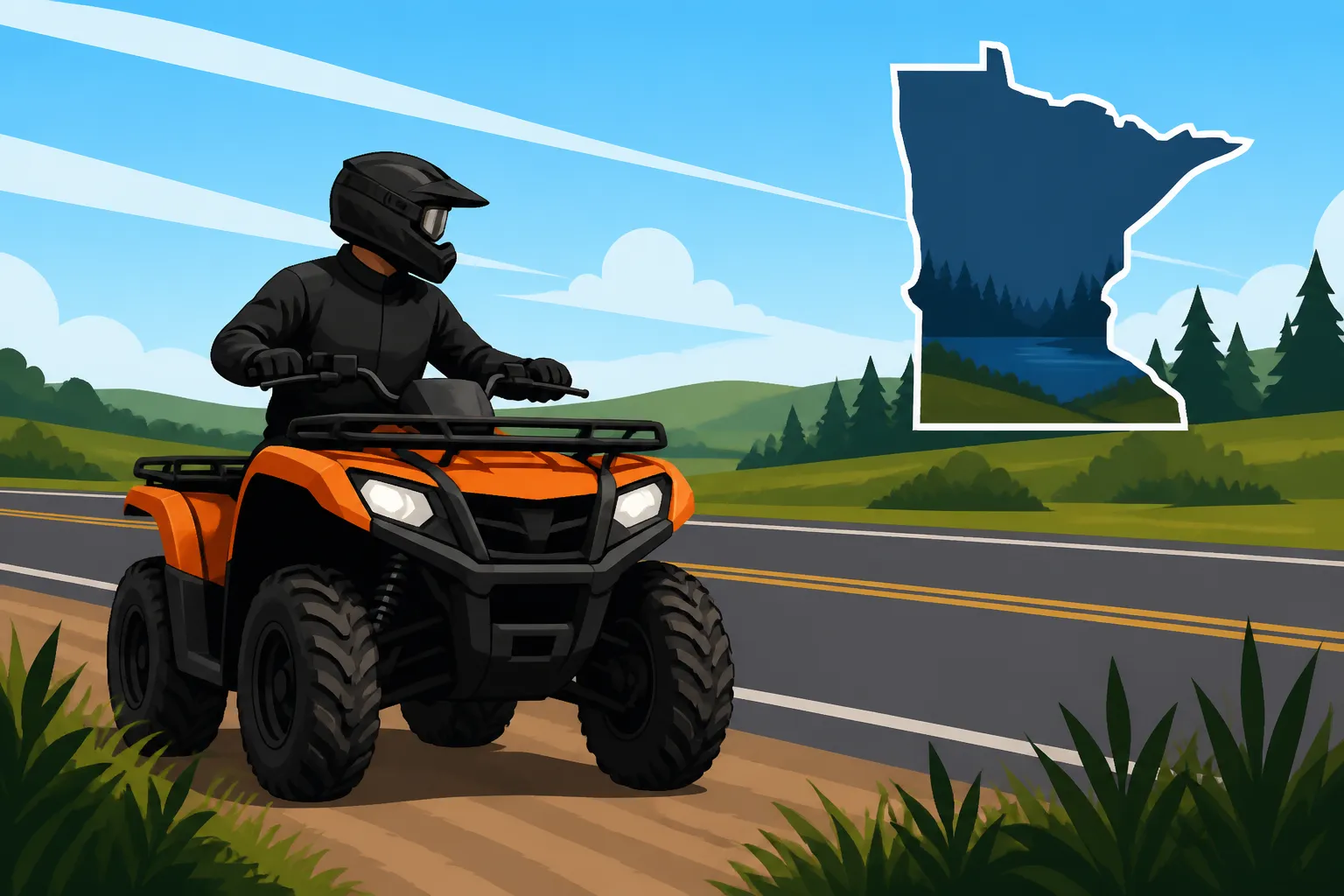
It’s a common scenario for many of us who love to explore Minnesota’s vast trail system or simply get from point A to point B on our ATV or UTV: you’re cruising along a ditch, maybe heading to a favorite fishing spot or connecting two segments of a trail, and suddenly, there it is—a county road you need to cross. This moment can often bring a flash of anxiety. Are you doing this right? Is it even legal? What if a sheriff's deputy is watching? The rules around ATVs and UTVs interacting with paved or gravel roads can feel like a confusing tangle of specifics, leaving many riders scratching their heads and fearing a ticket. This guide is designed to untangle those rules, specifically focusing on how to legally and safely cross a Minnesota county road on your off-highway vehicle, helping you ride with confidence and peace of mind.
Understanding Minnesota’s Road Rules for ATVs
Navigating Minnesota’s extensive network of trails and roads with an ATV or UTV means you're bound to encounter sections where you need to interact with public roadways. It's not always as simple as just "staying in the ditch," and the nuances can make a big difference between a smooth ride and a costly citation. Many riders, especially those new to the sport or new to Minnesota, get frustrated trying to figure out which rules apply to which type of road, and honestly, the distinctions can feel arbitrary if you don't understand the underlying intent behind the laws.
The General Philosophy Behind ATV Road Rules
The core principle behind Minnesota's ATV and UTV road rules is that these machines are primarily designed for off-highway use. Public roads, particularly the paved surface, are generally reserved for licensed motor vehicles. The exceptions carved out for OHVs are typically for access, connection, or utility, not for general transportation on the road itself. This is why you often hear about "ditch riding" as the primary way to interact with roads, as it keeps your machine off the main traffic lane. Understanding this intent helps make sense of the seemingly strict regulations: it's about minimizing conflict with traditional road traffic and ensuring safety for everyone. [Riding an ATV on the Road in Minnesota] offers a broader look at this topic.
Ditch Riding as a Primary Interaction Method
When we talk about ATVs and UTVs and roads in Minnesota, we almost always talk about ditch riding. This is the designated space for off-highway vehicles to travel parallel to a roadway, typically county or township roads, where allowed. The ditch is generally understood as the area between the outside shoulder of the road and the adjacent property line. However, even ditch riding has its own set of guidelines. You're expected to ride as far to the right as practicable, facing the same direction as traffic on the adjacent lane. The idea is to maintain a buffer zone between your machine and fast-moving vehicles. It's not a free-for-all; you're still part of the flow of traffic, albeit in a separate zone.
Specific Rules for Crossing County Roads
Crossing a county road on your ATV or UTV might seem like a straightforward maneuver, but Minnesota law has some very specific requirements that riders must follow to do it legally and safely. Ignoring these details can lead to fines and, more importantly, put you and others at risk. It’s not just about looking both ways; it's about executing the crossing in a way that aligns with state regulations.
The Legal Framework for Crossings
When you encounter a county road that you need to cross, the law dictates that you must do so at approximately a 90-degree angle to the road surface. This isn't just a suggestion; it's a legal requirement. The reason for this rule is simple: it minimizes the amount of time your machine is occupying the traffic lane. By crossing perpendicular to the flow, you're reducing your exposure to oncoming vehicles. You can't just meander across diagonally or ride a section of the paved road itself to find a better spot. You must come to a complete stop before entering the roadway, yield to all approaching traffic, and then proceed directly across to the opposite ditch or trail segment. This is a critical distinction from simply riding alongside a road in the ditch.
Signaling and Visibility During a Crossing
While Minnesota law doesn't explicitly require hand signals for ATV/UTV road crossings in the same way it does for bicycles, common sense and safety certainly suggest it. Making your intentions clear to any approaching motorists is always a good idea. If your machine is equipped with turn signals, use them. If not, a clear hand signal indicating your intention to cross can prevent misunderstandings. Moreover, visibility is paramount. If you're riding at dusk, dawn, or in adverse weather, ensuring your machine's headlights and taillights are on is non-negotiable. Some riders even add aftermarket whip flags or additional lighting, like those from SuperATV, to enhance their presence, especially when connecting trail sections that require crossing busy roads. Remember, the faster a vehicle is traveling, the more time and distance they need to react to an unexpected presence. You're much smaller than a car, and you don't want to be missed.
What to Avoid: Common Mistakes During Crossings
It's easy to fall into bad habits or make assumptions when crossing roads, but these can have serious consequences. One of the biggest no-nos is riding on the paved surface of the county road for any distance, even a short one. The law is clear: you cross, you don't travel along. Another common mistake is failing to stop completely and yield to traffic. Many riders might slow down and look, but a full stop ensures you have adequate time to assess the situation. Pulling out in front of an approaching car, even if it seems far away, can lead to a dangerous situation, especially on gravel county roads where dust can obscure vision or on curves where sightlines are limited. Remember, [Minnesota Road Rules Riders Get Wrong] often center around these nuances.
| Crossing Scenario | Legal Requirement | Safety Best Practice | Common Mistake to Avoid |
|---|---|---|---|
| Before Crossing | Come to a complete stop. | Stop well clear of traffic lane. | Rolling stop or failing to stop. |
| Yielding | Yield to all approaching traffic. | Make eye contact with drivers. | Assuming drivers see you or will slow. |
| Angle of Crossing | Cross at approximately a 90-degree angle. | Cross swiftly and directly. | Riding on the road surface for any distance. |
| Visibility | Headlights/taillights required at certain times. | Use turn signals (if equipped) or hand signals; consider whip flags/extra lights. | Not making yourself visible, especially in poor light. |
| Post-Crossing | Immediately return to the ditch or trail. | Ensure clear path off road surface. | Lingering on shoulder or pavement. |
Safety Considerations When Crossing Any Road
Safety is always the top priority when you're out riding, especially when your route brings you into proximity with other vehicles. Crossing a county road might be legal, but it's never without risk. Thinking proactively about how you approach these situations can make all the difference, not just for avoiding a ticket, but for avoiding an accident.
Assessing Traffic and Conditions
Before you even think about putting a tire on the road surface, take a moment to truly assess the situation. How busy is this county road? Are there blind spots or hills that could hide approaching vehicles? What's the speed limit, and how fast is traffic actually moving? Consider the weather conditions: is it raining or foggy, reducing visibility for both you and drivers? On dusty gravel roads, a passing car can kick up a cloud that temporarily blinds you and incoming traffic. It’s also wise to consider the time of day; rush hour will naturally present more challenges than a quiet mid-morning. If conditions feel unsafe, it’s always better to find an alternative route, even if it adds a few extra miles.
Rider and Machine Readiness
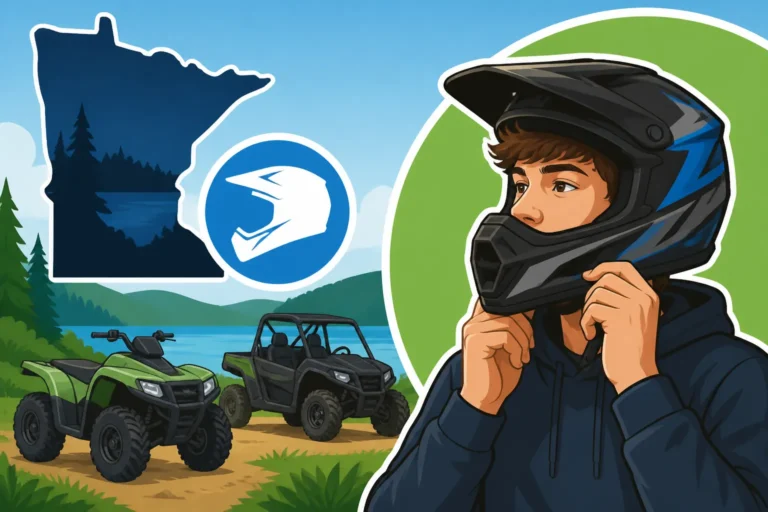
Your machine needs to be ready for the road, even if it's just for a brief crossing. Ensure your brakes are in good working order, and all your lights are functional. If you're using aftermarket accessories, like a front bumper or a rear cargo box from SuperATV, make sure they don't obstruct your view or make your machine unusually wide or unwieldy. As the rider, you also need to be ready. Are you sober and alert? Are you wearing appropriate safety gear? While helmets aren't always mandated for adult ATV riders on ditches, they are highly recommended for any road interaction, especially for minors. [Minnesota Helmet Rules for Riders Under 18] outlines the specific requirements for youth. A moment of distraction or impaired judgment can turn a routine crossing into a disaster.
Riding with Others and Group Crossings
When you're riding in a group, crossing a road requires even more coordination. The rule to cross at a 90-degree angle still applies to each individual machine. It’s generally not a good idea for an entire group to try and cross simultaneously, as this maximizes your collective exposure on the roadway. Instead, have one rider act as a spotter, ensuring a clear break in traffic. Then, each rider should cross individually, ensuring the path is clear for themselves before proceeding. Communication is key here – use hand signals, radios, or pre-arranged signals to ensure everyone understands the plan. Never assume the driver who just passed your buddy saw you behind them. Each crossing is a separate event that requires individual assessment and action.
Common Misconceptions and Penalties
Even with good intentions, it's easy to misunderstand a rule or forget a detail, especially with the complex nature of ATV and UTV regulations. Many riders are genuinely surprised when they receive a citation, believing they were following the spirit of the law, if not the letter. Knowing the specific penalties and correcting common misconceptions can save you a lot of headache and money.
Penalties for Illegal Road Use
The penalties for illegally operating an ATV or UTV on a public road in Minnesota can range from fines to more severe consequences, depending on the nature of the offense and whether it's a repeat violation. A simple illegal crossing could result in a fine, but if your actions are deemed reckless or contribute to an accident, the penalties escalate significantly. Operating an unregistered machine, or one without the proper safety certification for minors, can also add to the severity of the citation. [Minnesota Penalties for an Unregistered ATV] or [Minnesota Fines for Illegal Road Riding] can provide more specific details on potential costs. It's not just about the monetary fine; accumulating violations can impact your driving record and even your ability to operate OHVs in the future. Conservation Officers, county sheriffs, and local police all have the authority to enforce these regulations, and they are often quite knowledgeable about ATV laws.
Driver's License and Age Requirements
One common area of confusion revolves around driver's license requirements when interacting with roads. While you don't need a driver's license to operate an ATV or UTV off-highway on trails, a valid driver's license is typically required if you are operating on a road, even for a crossing, or if you are riding in a ditch that's legally considered part of the road right-of-way. This is particularly important for younger riders. For example, a 15-year-old with a valid ATV safety certificate can ride on authorized trails, but if they need to cross a county road, additional rules related to their driver's license status and supervision may apply. [Driver's License Rules for Minnesota Road Riding] delves into this in more detail. Always verify the rules based on the rider's age and licensing status to avoid a nasty surprise.
What a Conservation Officer Expects
When a Minnesota Conservation Officer (CO) or other law enforcement official observes an ATV or UTV interacting with a road, they're looking for compliance with several key areas. First and foremost, they'll want to see that your machine is properly registered with current decals. They'll also be checking for compliance with any age and safety certification requirements for the operator. If you're crossing a road, they'll observe how you perform the crossing: did you stop, yield, and cross at a 90-degree angle? They might also check for required equipment like working headlights and taillights, and spark arresters. They aren’t usually out to ruin your day, but they are there to ensure safety and compliance with the law. Being able to present your registration and, if applicable, your safety certificate, and demonstrating safe riding practices, goes a long way. [What a Minnesota Conservation Officer Asks For] provides a good overview of what to expect.
Disclaimer
This article is for general informational purposes only and does not constitute professional advice. Laws, prices and regulations vary by location and change over time. Consult a qualified professional for guidance on your specific situation.