Dust on a Dry Township Road
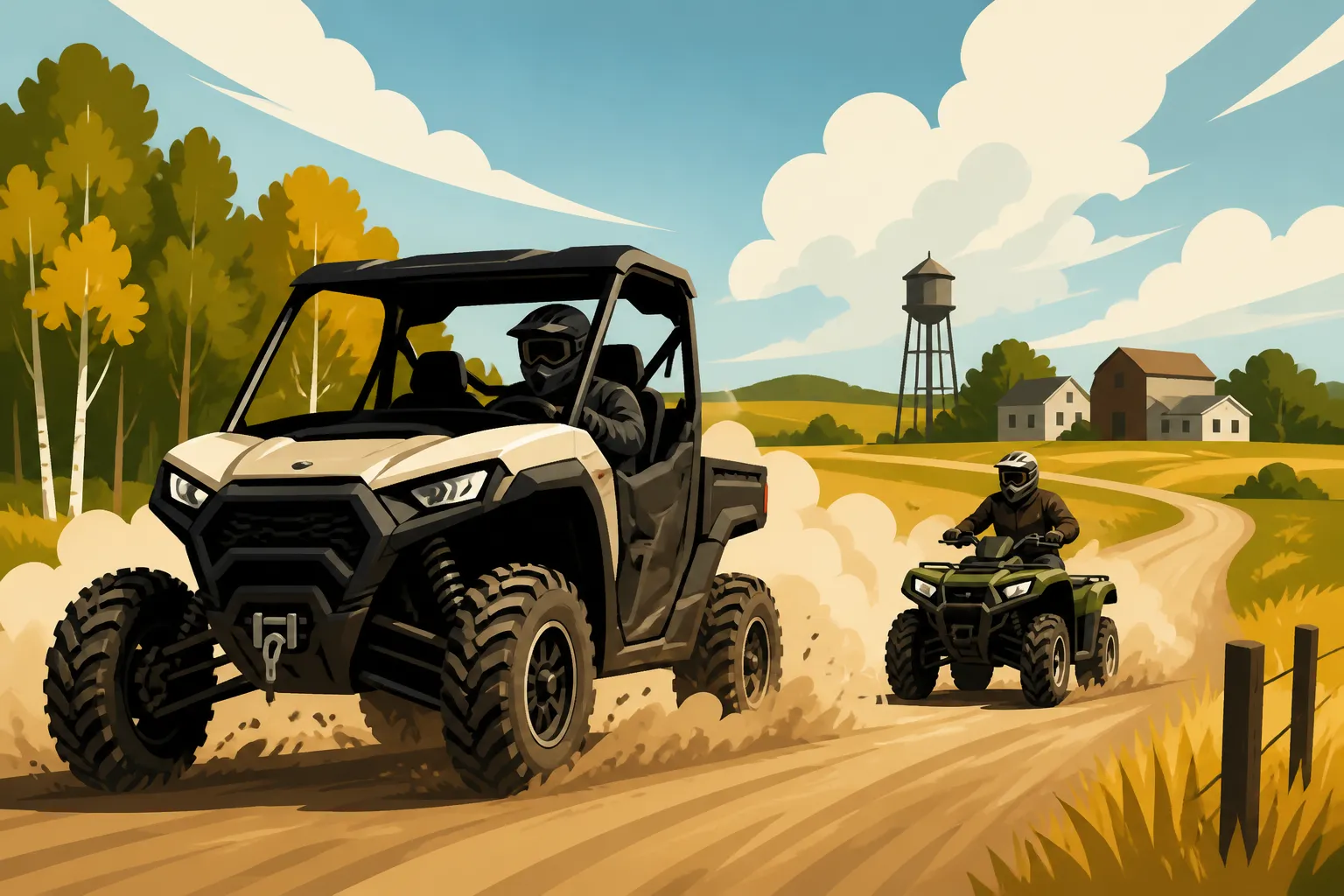
There's nothing quite like hitting a dry gravel road on your ATV or UTV, cruising along with the sun shining, maybe on your way to a trail system or just enjoying the Minnesota countryside. But then, it happens: that tell-tale plume of dust boiling up behind you, or worse, choking you out when you're following a friend. It's a frustrating reality for many riders, making what should be an enjoyable experience into a gritty, visibility-challenged mess. This guide will dive deep into why dust is such a problem, how to minimize its impact on your machine and your riding pleasure, and how to be a good neighbor while kicking up less of a fuss.
Why Dust is Such a Nuisance on Minnesota Township Roads
Riding off-road, or even just on gravel township roads, inevitably means encountering dust. But on those really dry Minnesota days, it can go from a minor annoyance to a serious hazard, affecting not just your comfort but also your machine's health and even your relationships with local residents. It's a multifaceted problem that we often underestimate until we're right in the thick of it.
The Impact on Rider Experience and Safety
First and foremost, dust significantly degrades the riding experience. Imagine riding with friends, only to be enveloped in a thick cloud from the machine in front of you. Your visibility plummets, making it incredibly difficult to see upcoming road hazards like potholes, washouts, or unexpected turns. This isn't just an annoyance; it's a genuine safety concern, increasing the risk of accidents. Trying to navigate through a perpetual haze makes for a less confident and ultimately less enjoyable ride.
Beyond visibility, dust is a major respiratory irritant. Breathing in fine particles of dirt and gravel for an extended period can lead to coughing, throat irritation, and even more serious issues for riders with asthma or other respiratory conditions. It gets in your eyes, despite goggles, and covers your clothes and skin in a gritty film. You might start your day feeling fresh, but after a few miles on a dusty township road, you feel like you've been working in a coal mine. Protecting yourself with proper gear, like a good set of goggles and a dust mask or respirator, becomes absolutely essential for comfort and health. For those longer rides where you know you'll be hitting a lot of unpaved surfaces, this kind of preparation can make all the difference.
Wear and Tear on Your Machine
While we focus a lot on the immediate discomfort of dust, it's quietly waging war on your ATV or UTV. Dust is essentially tiny abrasive particles, and when it gets into the wrong places, it causes significant wear and tear. The most immediate concern is your engine's air intake. A clogged air filter chokes the engine, reducing its performance and making it work harder. Worse, if dust bypasses a compromised filter, those abrasive particles act like sandpaper inside your engine, leading to accelerated wear on pistons, cylinders, and other critical components. Replacing an air filter is routine maintenance, but ignoring it in dusty conditions can lead to costly engine repairs down the line.
It doesn't stop at the engine. Dust and grime accumulate on every exposed moving part of your machine. Think about your suspension components: the shocks, A-arms, and bushings are all susceptible. Fine grit can work its way into seals and bearings, accelerating their wear and causing premature failure. Your chain (if applicable) and sprockets become caked with an abrasive paste, grinding away at the metal. Electrical connections can become fouled, leading to intermittent problems or complete failures. Even seemingly minor components like brake calipers can get gummed up, affecting performance. Regularly inspecting and cleaning your machine, especially after dusty rides, is crucial for its longevity. Companies like SuperATV offer aftermarket protection like full skid plates and A-arm guards which can provide some defense against the onslaught of dust and debris, helping to keep those critical components cleaner and more protected.
Strategies for Minimizing Dust on Your Rides
Since we can't always choose perfectly damp roads, it's on us as riders to adopt strategies that help minimize the dust we create and encounter. This isn't just about personal comfort; it's about being a responsible rider and extending the life of your valuable machine. Proactive measures before, during, and after your ride can make a significant difference.
Pre-Ride Preparation for Both Rider and Machine
Before you even turn the key, a little foresight can go a long way. The first step is always to check the weather. Has it rained recently? Is there rain in the forecast that might have settled the dust? If it's been bone dry for weeks, you know what you're in for, and you can plan accordingly. If you have alternative routes, perhaps some that are paved for sections, consider taking them to avoid the dustiest stretches. Sometimes, a slightly longer route on a less-traveled or better-maintained road is worth it for the improved experience.
For your personal gear, prioritize protection from dust. A good quality pair of sealed goggles is non-negotiable to protect your eyes. For your lungs, consider a dedicated dust mask or neck gaiter designed for filtering particulates. Full-face helmets offer more protection than open-face designs, especially when combined with a neck gaiter pulled up. On the machine side, ensure your air filter is clean and properly oiled. Some riders even use a pre-filter sock over their main filter in extremely dusty conditions for an extra layer of defense. For UTV owners, a front windshield, especially when paired with a rear panel or dust curtain, can dramatically reduce the amount of dust that swirls into the cab. Many brands, including options from SuperATV, offer various windshield configurations and rear dust-stopping panels designed specifically for this purpose. Don't forget to give exposed moving parts, like suspension pivots and steering components, a fresh shot of lubricant before heading out.
Riding Techniques to Reduce Your Dust Footprint
Once you're on the road, your riding style is the biggest factor in how much dust you kick up. The primary culprit is speed. Faster speeds agitate the dry surface more aggressively, creating larger and denser dust clouds. While it's tempting to open it up on a long, straight section, consider easing off the throttle, especially if you're riding in a group or passing near homes. [Speed on a Minnesota Road Right of Way] is always a factor, and respecting speed limits can also help mitigate dust.
When riding in a group, spacing is absolutely critical. Don't tailgate! Leave ample distance between your machine and the one in front of you. This allows the dust from the lead machine to settle somewhat before you ride into it, significantly improving your visibility and reducing the amount of particulate you inhale. A good rule of thumb is to be able to see the tires of the machine in front of you, but in very dusty conditions, even more space is ideal. Avoid aggressive acceleration and sharp braking, which tend to churn up more dust. Smooth, controlled inputs are not only safer but also more dust-friendly. Sometimes, you might even consider riding a [Minnesota's Grant-in-Aid Trail System] which might have different surface conditions or more shaded areas, offering a reprieve from dry roads.
After-Ride Cleanup and Maintenance
The moment you pull back into your driveway or staging area after a dusty ride, the work isn't over. In fact, what you do immediately after can significantly impact your machine's longevity. Dust, especially fine silt, turns into a stubborn, abrasive paste when it mixes with moisture or lubricants. Cleaning your machine promptly is essential. A thorough wash, paying attention to the underside, suspension components, and engine bay, will remove the bulk of the damaging particles.
After washing, it's time for maintenance. Your air filter will likely be laden with dust, even if it performed its job well. Inspect it thoroughly. Depending on the type of filter, clean it according to the manufacturer's instructions, or if it's a paper filter, replace it. Don't skimp on this; a fresh, clean air filter is your engine's first line of defense. Take the time to re-lubricate all exposed moving parts: suspension bushings, pivot points, and the chain if your machine has one. Check your CV boots for any tears, as dust can quickly wreak havoc once those seals are compromised. And don't forget your gear! Wash your goggles, clean your helmet interior, and shake out or wash your riding clothes. Taking these steps consistently after every dusty adventure will keep your machine running better for longer and make your next ride more comfortable.
Understanding Minnesota's Rules and Etiquette for Dusty Conditions
Riding on Minnesota's vast network of township and county roads offers incredible access to our beautiful landscapes, but it also comes with a responsibility to share these routes respectfully. When dry conditions lead to dusty roads, this responsibility becomes even more pronounced. It's not just about obeying the letter of the law, but also about practicing good trail etiquette and being a good neighbor.
Road Rules and Other Motorists
Minnesota's regulations for ATV and UTV use on public roads, including township roads, are designed to ensure safety for everyone. While you are often allowed to ride [Riding the Ditch of a Minnesota Right of Way], dust can quickly become a visibility hazard not just for you, but for oncoming traffic and other vehicles you might encounter. Imagine a car approaching as you kick up a massive dust cloud; they might not see you, and you might not see them. This is a recipe for disaster.
When you're approaching an intersection or a blind rise, or when you know you might encounter other vehicles, slowing down and reducing your dust footprint is not just courteous, it's a critical safety measure. This is especially true when you're preparing for [Crossing a County Road on a Minnesota ATV] or even more so when crossing a major thoroughfare like a [Crossing a Minnesota State Highway]. The less dust you generate, the better visibility you maintain for yourself and everyone else on the road. Remember, other drivers may not expect an ATV or UTV, especially one obscured by a cloud of dust, and their reactions can be unpredictable. Being proactive about dust helps keep everyone safer.
Community Relations and Minimizing Impact
Beyond the immediate safety concerns, dust can quickly sour relations with residents who live along these township roads. Most people understand that ATVs and UTVs generate some dust, but excessive or prolonged dust clouds can become a major nuisance. It coats their cars, homes, windows, and gardens. It infiltrates their houses, creating extra cleaning chores and potentially exacerbating allergies or respiratory issues. What might be a fun afternoon ride for you could be an irritating assault on a homeowner's peace and property.
This is where common sense and courtesy really come into play. Even where [Minnesota Rules on County Roads] permit riding, consider the impact of your actions. If you're riding past a residential area, slow down significantly. Not only will this reduce dust, but it will also cut down on noise, showing respect for the community. The same consideration applies to [Minnesota Noise Rules Near Lake Homes] where even a slight reduction in noise and dust can make a big difference to residents. A little thoughtfulness goes a long way in ensuring that these shared roads remain accessible to ATV and UTV riders without creating unnecessary friction. Ignoring these courtesies can lead to complaints, stricter regulations, and ultimately, fewer places for us to ride. It's in every rider's best interest to be mindful of their surroundings and minimize their environmental footprint, whether that's noise or dust.
| Aspect | Impact of Dust | Mitigation Strategies |
|---|---|---|
| Rider Safety | Reduced visibility, respiratory irritation. | Goggles, dust masks, full-face helmets, proper spacing. |
| Machine Longevity | Engine wear, clogged filters, bearing/seal damage. | Clean air filter, regular washing, lubrication, protection (e.g., SuperATV skid plates). |
| Community Relations | Property dust, noise complaints, strained neighbor relations. | Slowing down near homes, considerate riding, smooth acceleration. |
| Legal Compliance | Increased accident risk if visibility is poor. | Adhering to speed limits, cautious approach to intersections, maintaining visibility. |
Taking the time to address dust on dry township roads isn't just about making your ride more pleasant; it's about preserving your machine, protecting yourself, and ensuring that we all continue to have access to Minnesota's incredible riding opportunities. By being prepared, riding mindfully, and cleaning up afterward, you can enjoy the trails and roads, even when they're a little dusty.
Disclaimer
This article is for general informational purposes only and does not constitute professional advice. Laws, prices and regulations vary by location and change over time. Consult a qualified professional for guidance on your specific situation.