Riding the Ditch Past a Wetland
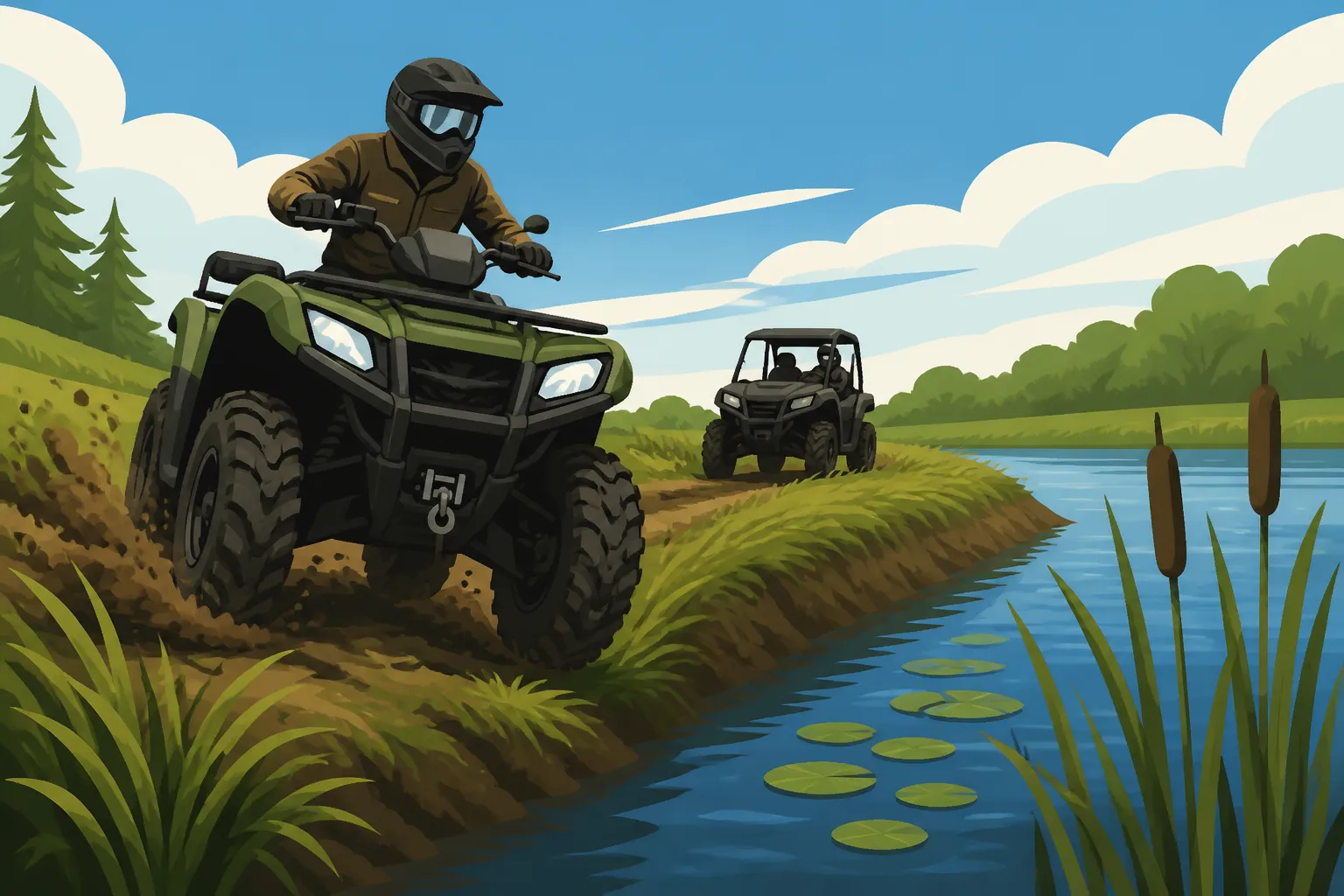
It's a beautiful day in Minnesota, and you're out enjoying the ditches, feeling the wind, and just soaking up the freedom that comes with riding your ATV or UTV. Then, you see it: the ditch ahead starts looking a little boggy, greener, maybe even with standing water. You've hit a wetland, and suddenly that feeling of freedom turns into a knot of uncertainty. This guide is here to clear up that confusion, help you understand the rules, and make sure your ride stays enjoyable and responsible when you encounter these crucial natural areas.
Understanding Minnesota's Wetland Protections in Ditch Riding
Riding the ditches in Minnesota is a privilege, offering miles of accessible terrain for ATV and UTV enthusiasts. However, these aren't just empty channels; they're often part of complex ecosystems, and that's especially true when you encounter wetlands. Minnesota has robust environmental protections in place, and these don't suddenly disappear just because you're in what looks like a roadside ditch. The frustration is real when you're trying to figure out if that soggy section is a legal obstacle or an illegal trespass waiting to happen. It's not always clear where the line is, and nobody wants to accidentally cause damage or face fines simply because they weren't fully informed.
The core issue here is that a ditch might look like a simple linear path, but ecologically, it can connect directly to or even be a wetland. These areas are vital for water filtration, wildlife habitat, and flood control. The state takes their protection seriously, and that means riders need to be equally serious about understanding their responsibilities.
The Legal Definition of a Wetland and Ditches
In Minnesota, wetlands are generally defined by the presence of certain vegetation, soils, and hydrology. This isn't just about standing water; it can be areas that are simply saturated for a portion of the year. Ditches, especially those that aren't actively maintained or are older, can easily develop these wetland characteristics. What might look like just a muddy spot to one person, might be a protected wetland to the DNR or a conservation officer.
The legal framework often doesn't differentiate between a natural wetland and a ditch that has taken on wetland characteristics. If it functions as a wetland, it's generally treated as such. This means the rules regarding disturbing or damaging wetlands apply, regardless of whether it's a pristine marsh or a boggy roadside cut. It's less about the origin of the depression and more about its current ecological function. For riders, this means you can't assume that because it's a "ditch," it's automatically fair game for anything. You need to approach these areas with a heightened sense of awareness and respect for potential environmental sensitivities.
State and Local Regulations on Wetland Disturbance
Minnesota has various statutes and rules governing wetlands, most notably the Minnesota Wetland Conservation Act (WCA). While WCA primarily deals with activities like draining or filling wetlands, the spirit of the law and broader environmental protection acts can certainly extend to activities that cause significant disturbance or degradation, even from vehicle use. Beyond state law, many counties and townships have their own ordinances, and these can sometimes be even more restrictive.
The DNR, as the primary enforcer of ATV/UTV regulations, also emphasizes responsible riding that minimizes environmental impact. Damaging fragile ecosystems, including wetlands, can lead to citations, fines, and even requirements for restoration. It's not just about getting caught; it's about being a good steward of the land you enjoy. This often means being aware of your surroundings and recognizing signs of a sensitive area, even if it's not explicitly marked with a "wetland" sign, which rarely happens in a ditch. When you're out riding, remember that [Conservation Officer Enforcement in Minnesota] is a real possibility, and they are trained to spot environmental infractions.
Responsible Riding Practices Around Wetland Areas
Encountering a wetland while ditch riding can feel like a sudden halt to your adventure, but it doesn't have to be. The key is knowing how to react responsibly, protect the environment, and keep yourself out of trouble. It's about proactive assessment and making smart decisions, not just barreling through and hoping for the best.
Identifying Potential Wetland Features in a Ditch
Spotting a wetland in a ditch isn't always as obvious as seeing a pond. Look for key indicators:
- Vegetation: Cattails, sedges, rushes, willows, or other water-loving plants often signal a wetland. If the ditch plants are noticeably different from the drier upland plants, pay attention.
- Soils: Dark, mucky, or spongy soil is a giveaway. If your boots sink significantly just walking on it, your machine will do far more damage.
- Water Presence: Standing water for extended periods, even if shallow, or signs of recent saturation (muddy tracks that don't dry quickly) are clues.
- Topography: Look for depressions where water would naturally collect. Ditches are designed to do this, and over time, these low spots can become wetland habitats.
It's about observing patterns. A consistently greener, lusher, or squishier section of the ditch, even if it’s not a full-blown swamp, should raise a red flag. Sometimes, it's about paying attention to the details. Are there frogs jumping? Dragonflies zipping around? These can be small clues that you're in an ecologically sensitive zone.
Minimizing Impact and Avoiding Damage
The best way to minimize impact is often to simply avoid areas that appear to be wetlands. If you encounter a section of the ditch that clearly has wetland characteristics, your safest bet is to turn around, find an alternative route if one exists, or simply stop and wait for a drier season. If crossing is absolutely unavoidable and clearly legal (e.g., a designated trail that crosses a wetland on an established culvert), then proceed with extreme caution.
Here are some general tips for minimizing impact:
- Stay on established paths: If there's a clear, hardened path through a wet area, stick to it. Don't go off-camber or try to create a new line.
- Slow and steady: If you must traverse a wet section, do so slowly and steadily. Avoid spinning tires, which tears up vegetation and soil, causing deep ruts that can persist for years. Aggressive riding is especially damaging in these soft areas.
- Assess conditions: Before entering, try to gauge the depth and firmness. Sometimes a quick walk-through (if safe) can save you from getting stuck and causing extensive damage.
- Consider your machine: Lighter machines generally cause less impact. If you're on a heavy UTV, you might consider if that area is truly suitable for your rig. Equipment like a SuperATV winch or heavy-duty suspension might help you get through a tough spot, but it doesn't mean you should go through it if it's a sensitive wetland. Sometimes, even the best equipment isn't an excuse to ride where you shouldn't.
Penalties for Damaging Wetlands
The penalties for damaging wetlands can be significant and are certainly more than just a slap on the wrist. They can include:
- Fines: These can range from hundreds to thousands of dollars, depending on the severity of the damage and whether it's a first offense.
- Restitution and Restoration: You might be legally required to pay for or even personally undertake the restoration of the damaged wetland area, which can be an incredibly costly and time-consuming endeavor.
- Loss of Riding Privileges: In serious cases, your ATV/UTV registration or riding privileges could be revoked.
- Criminal Charges: While rare for a simple accidental crossing, intentional, severe damage could lead to more serious legal action.
The goal isn't to scare you, but to highlight that respecting these areas is not just good etiquette; it's a legal imperative. Conservation officers patrol these areas, and they take these violations very seriously. Ignorance of the law is generally not a valid defense, especially when the signs of a wetland are clear.
Navigating Specific Challenges and Scenarios
Sometimes, the ditch isn't a straight shot. It can wind, narrow, or encounter obstacles that complicate things, especially when wetlands are involved. Knowing how to handle these specific situations can make all the difference between a smooth ride and a costly mistake.
When the Ditch Narrows or Deepens
A common issue riders face is a ditch that unexpectedly narrows or deepens, especially in low-lying areas that are often associated with wetlands. This is where you really need to apply caution. A narrow, deep ditch can mean:
- Increased Risk of Rollover: The banks might be too steep, or the bottom too soft, leading to unstable conditions. Modern side-by-sides, while stable, still have limits. Aftermarket accessories from brands like SuperATV might give you more ground clearance or wider stance, but even with those enhancements, judgment is key.
- More Concentrated Impact: If you're forced into a single line through a narrow, wet section, the impact on the soil and vegetation becomes more concentrated and severe. This creates deeper ruts that channel water, potentially altering the wetland's hydrology and making it harder for native plants to recover.
- Getting Stuck: A deep, mucky narrow section is a prime spot to get bogged down. Getting stuck means more spinning, more digging, and more damage as you try to extricate your machine.
- Unknown Obstacles: Deep water can hide rocks, stumps, or other hazards that could damage your machine or injure you.
The best strategy here is often to scout ahead on foot if it's safe to do so. Look for firm ground, gauge water depth, and assess the overall stability of the banks. If it looks too risky, or if you suspect it's a fragile wetland area, it's better to turn back. There's no shame in choosing safety and environmental responsibility over pushing through a questionable section. Sometimes, that means adjusting your route to [Riding the Ditch of a Minnesota Right of Way] in a different area.
Crossing Culverts and Small Bridges
Culverts and small bridges are designed to allow water flow under a road or trail and are often present in wetland areas. They are usually built to withstand vehicle traffic and are generally safe to cross. However, even here, there are considerations:
- Condition of the Crossing: Always check the condition of the culvert or bridge. Are boards rotten? Is the culvert itself collapsing? Heavy rains can wash out approaches, leaving dangerous drop-offs.
- Approaches: The ground leading to and from a culvert can sometimes be soft or steep, especially after heavy rain. Approach slowly and straight on.
- Water Levels: If the water is flowing rapidly over a culvert or bridge, it might indicate dangerous conditions downstream or an inability to see the crossing itself. Consider waiting for water levels to recede.
- Staying on the Structure: Make sure your entire machine stays on the hardened structure of the culvert or bridge. Veering off can damage the bank stabilization, which is often crucial for protecting the adjacent wetland area.
Culverts are generally a rider's best friend in wet areas, as they provide a stable, authorized crossing point. Use them, but don't take them for granted. They are often the designated path through an otherwise sensitive area.
Seasonal Considerations for Wetland Riding
Minnesota's seasons drastically impact riding conditions, and this is especially true for wetlands.
- Spring Thaw: This is arguably the worst time to ride in or near wetlands. The ground is saturated, frozen layers are melting, and everything is incredibly soft. Ditches will be at their wettest, and the risk of causing significant ruts and damage is highest. Many trails and riding areas implement [Minnesota Trail Closures in Spring Thaw] for this very reason. Applying pressure to this soft, saturated earth is like driving a truck across a wet sponge; it'll leave a mark.
- Summer: Wetlands can still be wet in summer, especially after heavy rains. However, warmer temperatures and longer days allow for more evaporation, and some areas might firm up. Always assess conditions, but generally, summer presents slightly less risk than spring.
- Fall: As temperatures drop and vegetation dies back, some wetlands may dry out a bit, but significant rainfall can still make them very wet. The visibility of wetland features might also change as plants yellow and die.
- Winter: Riding on frozen wetlands and ditches can be safe if the ice is thick enough. However, always exercise extreme caution on ice. Never assume a frozen surface is safe without verification. The thickness of ice needed for a machine varies, and conditions can change rapidly. Remember [Minnesota Rules on Frozen Lakes and Ice Roads] often apply to frozen ditches too. When the snow is deep, it can also obscure potential hazards or deeper, unfrozen sections of the ditch.
| Season | Wetland Conditions (Typical) | Rider Advice |
|---|---|---|
| Spring | Extremely wet, saturated soils, deep mud, high water levels, ground is very soft. | Avoid riding in wetlands entirely. Highest risk of damage and getting stuck. Consider alternative routes or waiting. |
| Summer | Can still be wet, especially after rain; some areas may dry out. Vegetation is dense, potentially obscuring hazards. | Assess conditions carefully. Stick to established, dry paths. Be mindful of dense vegetation concealing soft spots. |
| Fall | Variable wetness, depending on rainfall. Vegetation dies back, improving visibility but potentially leaving soft ground. | Evaluate conditions day-by-day. Be aware of concealed hazards from fallen leaves. Ground can be surprisingly soft under leaf litter. |
| Winter | Potentially frozen solid, or deep snow covering open water/soft ground. | Extreme caution on ice. Verify ice thickness. Snow can hide dangers. Stay on solid, plowed routes or well-traveled frozen tracks. Avoid areas with open water or thin ice. |
Being aware of the season and its typical impact on wetland areas is crucial for planning your rides and making responsible decisions on the fly. It's about respecting the land's natural cycles and adapting your riding habits accordingly. Sometimes, that means enjoying a different type of [Minnesota Winter Road Riding] or focusing on trails specifically groomed for the season.
When the Ditch Ends: Legal and Practical Considerations
What happens when your nice, rideable ditch suddenly changes, or simply ends? This isn't just a physical boundary; it's often a legal one too, and understanding it is crucial for responsible riding.
Private Property and Access Rights
The most common reason a ditch "runs out" is that you've reached private property where ditch riding is not permitted, or where the ditch simply ceases to be public right-of-way. In Minnesota, ditch riding is generally allowed within the right-of-way of public roads, but this privilege does not extend onto private land without explicit permission from the landowner.
- Posted Land: If you see "No Trespassing" signs, assume the ditch is off-limits.
- Fences and Barriers: A fence, even if it runs through the ditch, is a clear indicator of private property.
- Changes in Landscape: An abrupt change from agricultural fields to someone's meticulously maintained lawn, or a shift to a clearly private access road, are all cues.
The frustration here is that sometimes these transitions aren't clearly marked. You might be having a great ride, then suddenly find yourself in a gray area. When in doubt, err on the side of caution. Trespassing, even accidentally, can lead to fines, confrontation with landowners, and damaged relationships between riders and rural communities. Always remember, [Minnesota Trespass Rules Along Ditches] are enforced, and landowners have the right to protect their property.
Connecting to Trails or Roads
Ideally, a ditch ride would seamlessly connect to a designated ATV trail or a permissible road. In many [Minnesota Cities That Allow ATVs on Streets], ditch routes are designed to lead riders into town for fuel, food, or to connect to other trail systems.
- Designated Connections: Look for signs indicating a change from ditch to road, or specific trail access points. These are often clearly marked with ATV symbols.
- Road Surface Rules: If you're transitioning from a ditch onto a road, you must immediately comply with all [Minnesota Road Rules for Riders] including speed limits, traffic laws, and potential helmet requirements for minors. This is not a gray area; the rules change the moment your tires hit the pavement or gravel surface of a public road.
- Trail Connections: If connecting to a trail, ensure you have the appropriate [Minnesota Non-Resident ATV Trail Pass] or a valid Minnesota registration if you're a resident.
Planning your route in advance with maps that show permissible ditch riding areas, designated ATV routes, and trail connections is the best way to avoid ending up in a sticky situation. Resources from the Minnesota DNR often provide maps that delineate where you can and cannot ride.
What to Do When There’s No Clear Path
So, you're riding along, and the ditch simply peters out into a wetland, a field, or private land, with no clear trail or road connection. What then?
- Turn Around: The most straightforward and often safest option. Retrace your steps back to a known legal riding area or exit point.
- Consult a Map: If you have a GPS or a paper map (like those often provided by the DNR or mapping apps like onX Offroad), check for alternative routes, nearby trailheads, or legal road crossings.
- Do Not Create a New Path: Under no circumstances should you cut across a field, push through a fence, or try to blaze a new trail through a natural area. This is trespassing and causes environmental damage.
- Wait for Drier Conditions: If the obstacle is a seasonal wetland that's blocking your path, and you're not in a hurry, sometimes waiting for drier weather is the only responsible option.
It's tempting to try and push through to find "the other side," but in Minnesota, respect for private property and environmental protection always comes first. Getting to know the local rules and geography before you head out, especially in areas with a lot of natural features, can save you a lot of grief. Being prepared with a reliable map and understanding [Where to Ride an ATV in Minnesota] can help ensure your adventures are always within legal and responsible boundaries.
Disclaimer
This article is for general informational purposes only and does not constitute professional advice. Laws, prices and regulations vary by location and change over time. Consult a qualified professional for guidance on your specific situation.