Reporting a Trespass to a Warden
It's incredibly frustrating, isn't it? You invest your hard-earned money and time into your private property, only to discover someone has been riding their ATV or UTV across your fields, through your woods, or right past your "No Trespassing" signs. It feels like a violation, and you're left wondering what to do. This guide is here to walk you through the proper steps to report ATV or UTV trespass to a Minnesota Conservation Officer, helping you protect your land and ensure responsible off-road use.
Understanding ATV Trespass in Minnesota
Finding unauthorized ATV or UTV tracks on your land can feel like a punch to the gut. It’s not just about the principle of respecting private property; it’s about the very real damage these machines can cause and the liability risks you, as the landowner, unknowingly take on.
What Constitutes Trespass on Private Land
In Minnesota, private land is just that – private. This isn't always obvious to everyone, especially those new to off-roading or who might mistakenly believe that unposted land is fair game. But the truth is, if someone operates an ATV or UTV on property that isn't their own without explicit permission from the landowner, they are trespassing. This applies whether the land is clearly marked with "No Trespassing" signs or not. While signs certainly help reinforce the message and can clarify intent, their absence doesn't grant permission.
We're talking about anything from a single set of tire tracks cutting a corner of your field to riders creating new trails through your mature timber. Sometimes it’s an innocent mistake, maybe someone got turned around or misread a map. Other times, it's a deliberate act, where riders know they shouldn't be there but choose to ignore boundaries anyway. Knowing the difference can sometimes guide your initial approach, though reporting to a warden is always the correct legal step. Look for signs of repeated use, fresh damage to crops or fences, or even litter left behind.
Why Reporting Trespass is Crucial
You might think, "Is it really worth the hassle to report a few tracks?" The answer is a resounding yes. Reporting trespass isn't just about catching someone in the act; it's about safeguarding your property, your peace of mind, and even your financial well-being. ATVs and UTVs, while fun for recreation, can cause significant damage to sensitive ecosystems, cultivated fields, and even landscaping. They can rut up soft ground, destroy young crops, disturb wildlife, and compact soil, leading to erosion. Over time, repeated trespass can create deeply rutted trails that alter drainage patterns and become permanent scars on your landscape.
Beyond physical damage, there's the weighty issue of liability. Imagine if a trespasser injures themselves on your property – even though they were there illegally, you could still face legal challenges or be held partially responsible depending on the circumstances. This is a terrifying thought for any landowner. By reporting trespass, you're not only asserting your property rights but also potentially mitigating future liability risks. Furthermore, consistent reporting helps law enforcement understand common problem areas and allows them to allocate resources effectively. It also sends a clear message to the riding community that private land in Minnesota is respected, which ultimately helps separate responsible riders from those who give the sport a bad name. It helps reinforce [Minnesota Trespass Law for Riders].
Gathering Information Before You Call
When you discover trespass, your immediate reaction might be a surge of anger or frustration. It’s natural! But before you pick up the phone, taking a moment to gather key details can make all the difference in how effectively a Conservation Officer can respond and investigate.
What Details a Conservation Officer Needs
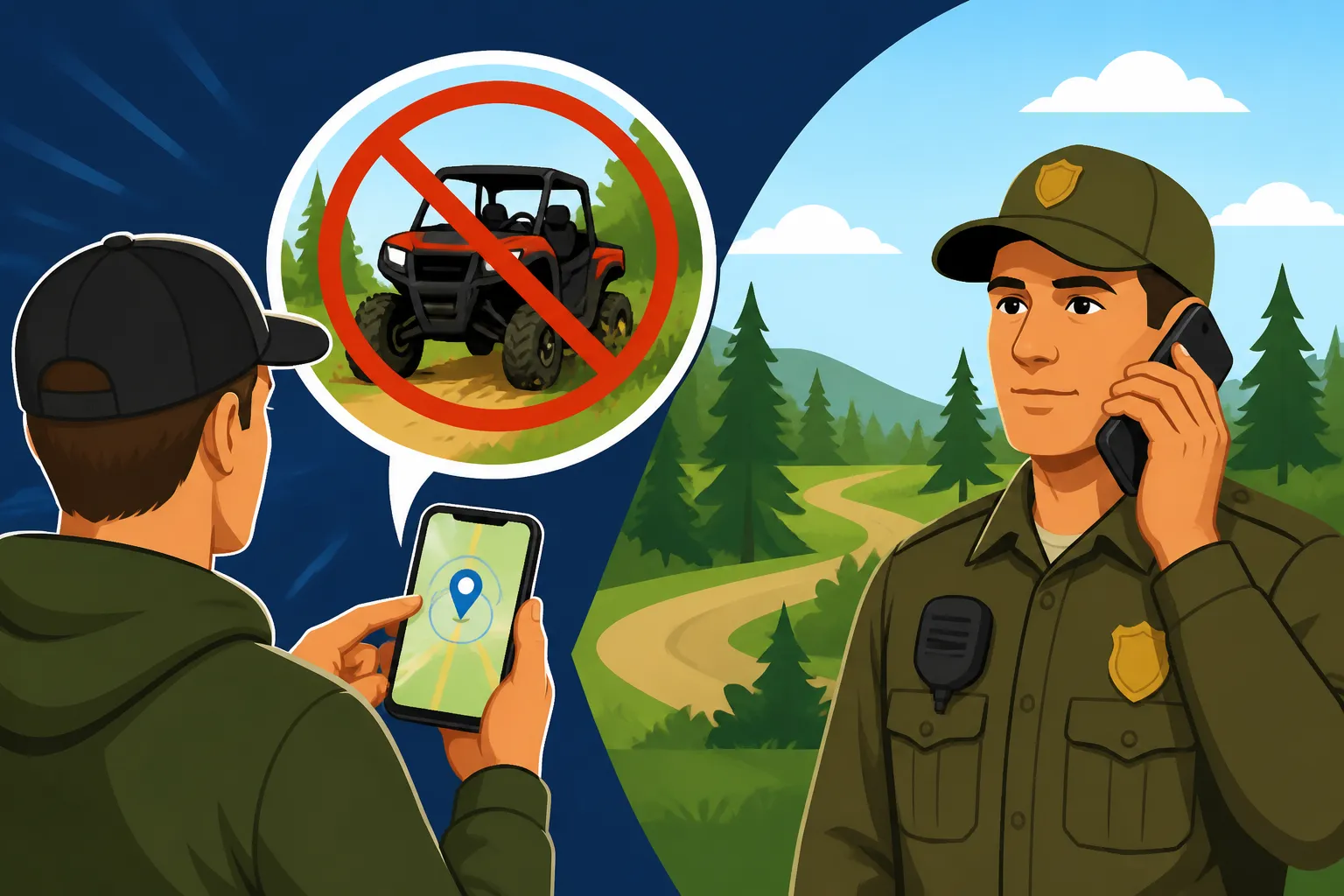
Think of yourself as a detective. The more specific, factual information you can provide, the better. When you contact a Conservation Officer, they're going to ask a lot of questions to paint a clear picture of the incident. Be prepared to provide the date and approximate time the trespass occurred, or, if you didn't witness it, when you discovered the evidence. Crucially, they’ll need the exact location: your address, legal description if you have it handy, or even GPS coordinates. Pointing out specific landmarks, property lines, or entry/exit points can be incredibly helpful for them to pinpoint the area.
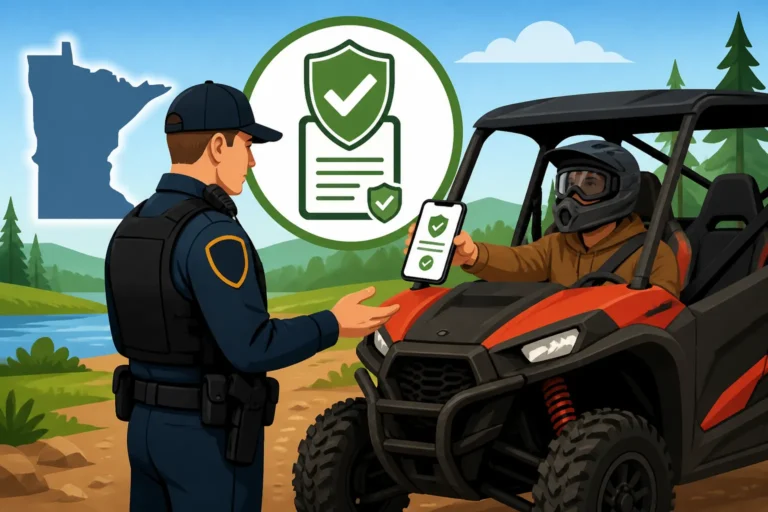
Next, focus on describing the machine(s) and rider(s). What color was the ATV or UTV? Can you recall the make or model? Did it have any unique features, like a custom paint job, specific aftermarket accessories, or even a distinctive sound? Maybe it had a heavy-duty SuperATV bumper or a unique lift kit. Details about the rider(s) are also important: approximate age, gender, clothing color, helmet style, and the number of people involved. While less common, if you were sharp enough to catch a license plate or registration number, that’s golden. Note the direction of travel and any obvious damage left behind. Most importantly, if you have photos or videos, these are invaluable pieces of evidence. Even blurry photos can provide critical clues. This is similar to [What a Minnesota Conservation Officer Asks For] when they stop someone on a trail.
Safety First: What Not to Do
Your first instinct might be to confront the trespassers directly, especially if they are still on your property. Let me be absolutely clear: do not do this. Confronting trespassers can be incredibly dangerous. You don't know who you're dealing with, what their intentions are, or if they are armed. Your personal safety and the safety of your family always come first.
Under no circumstances should you attempt to block their path, engage in a verbal argument, or escalate the situation in any way. Remain calm, keep a safe distance, and prioritize observation over intervention. If you encounter active trespassers, retreat to a safe location where you can observe them without being seen. Your role is to be a witness and gather as much information as possible from a secure vantage point. Snap photos or videos if you can do so discreetly and safely. Remember, the goal is to report the incident to the authorities, not to become personally involved in a potentially volatile confrontation. Let the professionals handle the enforcement aspect.
The Reporting Process in Minnesota
Once you have gathered all the necessary information, it's time to make that call. Knowing who to contact and what to expect can ease the process and ensure your report is handled efficiently.
Who to Contact and How
In Minnesota, the primary agency responsible for enforcing ATV and UTV laws, including trespass on private land, is the Minnesota Department of Natural Resources (DNR) Conservation Officers. These are the "wardens" we often refer to, and they are specifically trained for these types of incidents. You can find your local Conservation Officer's contact information through the Minnesota DNR website, which usually has a directory or a general non-emergency reporting line. Sometimes, your county sheriff's office can also connect you or take the initial report, especially if DNR officers are spread thin.
It’s crucial to understand the difference between an emergency and a non-emergency situation. If you are witnessing active trespass that poses an immediate threat to life, property, or involves other criminal activity (like vandalism in progress), then calling 911 is appropriate. However, if the trespassers are long gone, or you're simply reporting tracks and damage, it's considered a non-emergency. In these cases, use the non-emergency contact numbers for the DNR or sheriff. Do not tie up emergency lines for situations that don't warrant an immediate, lights-and-sirens response. Be patient and understand that officers might be covering large territories. They will get back to you. This is where [Minnesota Conservation Officer Enforcement in Minnesota] comes into play.
What Happens After You Report
After you've made your report, the Conservation Officer will likely follow up with you. They will ask for all the details you've gathered – the time, location, machine descriptions, rider descriptions, and any evidence like photos or videos. Don't be surprised if they schedule a time to visit your property. They'll want to investigate firsthand, look for tracks, assess any damage, and verify property lines. This is a critical step for them to build a case.
It's important to manage your expectations. While every landowner hopes for immediate action and a swift resolution, that's not always how it works, especially if the trespassers are long gone. Without direct evidence like a visible license plate or a clear photograph of a recognizable person, tracking down individuals can be challenging. However, your report still matters immensely. Even if an immediate citation isn't issued, your report contributes to a pattern of activity that officers track. If the same machines or individuals are reported multiple times, it helps officers build a stronger case and prioritize their patrols. Evidence, particularly clear photos or video, drastically improves the chances of a positive outcome, potentially leading to warnings, citations, or even restitution for damages. If you happened to get a registration number, an officer can initiate a [Minnesota Records Request for a Machine] to identify the owner.
Preventing Future Trespass and Further Action
Dealing with trespass once is bad enough; no one wants it to become a recurring problem. Proactive measures can go a long way in deterring future incidents, and knowing your options for further legal action provides additional peace of mind.
Deterrent Measures for Your Property
Prevention is often the best defense. One of the most effective and straightforward deterrents is clear signage. Post "No Trespassing" signs frequently and prominently, especially at all common entry points, along property lines that border public access, and at intervals along open fields. Make sure they are visible and updated. Consider using durable, weather-resistant signs. Physical barriers can also be incredibly effective. Fencing off vulnerable areas, installing robust gates at vehicle access points, or even planting dense natural barriers like thorny hedges or thick tree lines can make your property less inviting to unauthorized riders. For larger tracts of land, strategic placement of obstacles (like large rocks or downed logs, only on your land and safely placed) can funnel traffic away from sensitive areas.
Technology can be a powerful ally here. Investing in good quality security cameras, particularly those with night vision capabilities, can capture crucial evidence if trespass occurs. Trail cameras, often used by hunters, are excellent for this purpose as they are motion-activated and can be discreetly placed in areas where trespass is common. Make sure your cameras are positioned to capture clear images of machines and riders. Communicating with your neighbors is also vital; they can be extra sets of eyes and ears, and a united front against trespassers can be very effective. Sharing information about suspicious activity and maintaining consistent communication with local ATV clubs about responsible riding ethics, even promoting products like SuperATV winches for legitimate trail use, helps ensure riders understand and respect private property.
Following Up and Legal Considerations
Even after reporting an incident, your job isn't quite done. It's smart to keep a detailed log of every trespass incident, including dates, times, descriptions, and any actions you took (like reporting to the DNR) or communications you had with law enforcement. This log can be invaluable if trespass becomes a persistent issue or if you need to pursue further legal action.
If a trespasser is identified and cited, and your property has sustained significant damage, you might consider pursuing restitution. This could involve small claims court to recover costs for repairs, lost crops, or other financial losses incurred due to the trespass. Consulting with a local attorney who specializes in property law can provide guidance on your specific situation and help you understand the legal avenues available to you, especially if the problem escalates or becomes a pattern. Remember, an identified individual could face fines, as outlined in [Minnesota Fines for Illegal Road Riding] or [Penalties for an Unregistered ATV in Minnesota] if their machine also lacked proper registration. Your diligence in gathering information and consistent follow-up are your strongest tools in protecting your Minnesota property.
| Information Category | Specific Details to Gather | How it Helps the Warden |
|---|---|---|
| Incident Details | Date and Time of Incident/Discovery | Establishes timeline, helps cross-reference other reports |
| Location | Street Address, GPS Coordinates, Landmarks | Pinpoints exact area for investigation and patrol |
| Machine(s) | Make, Model, Color, Distinctive Features | Helps identify the vehicle, connect to owner records |
| Rider(s) | Number of Riders, Clothing, Helmets, Age Estimate | Aids in identifying individuals, patterns of behavior |
| Evidence | Photos, Videos, Tire Tracks, Damage | Provides visual proof, strengthens case, helps verify claims |
| Direction | Entry and Exit Points, Direction of Travel | Helps officers track suspects or patrol likely routes |
| Witnesses | Names and Contact Info of Other Observers | Corroborates your report, adds credibility |
| Property Damage | Description of Damage, Estimated Cost | Supports claims for restitution, shows impact of trespass |
Disclaimer
This article is for general informational purposes only and does not constitute professional advice. Laws, prices and regulations vary by location and change over time. Consult a qualified professional for guidance on your specific situation.