Riding to a Deer Stand in Minnesota
There's nothing quite like the crisp air of a Minnesota fall morning, the crunch of leaves underfoot, and the anticipation of deer season. For many of us, getting to that perfect deer stand or blind can be half the battle, especially when you're loaded down with gear, and the walk is long or across rough terrain. Hauling everything in can be exhausting before the hunt even begins, and then there's the thought of packing out a harvested animal. This guide is all about making that journey easier and more efficient by understanding how you can legally and responsibly use your ATV or UTV to access your deer stand in Minnesota.
Understanding Minnesota's ATV Regulations for Hunting
Before you even think about firing up your machine and heading into the woods, it's absolutely critical to understand the rules. Minnesota has specific regulations that govern ATV and UTV use, and these don't just magically disappear because it's deer season. Ignoring them can lead to hefty fines, or worse, losing your hunting privileges. It's not worth the risk when a little knowledge can keep you on the right side of the law.
Public Land vs. Private Land Rules
The first and most important distinction to make is whether you're hunting on public land or private land. The rules for each are quite different, and what's permissible in one area might be strictly prohibited in another.
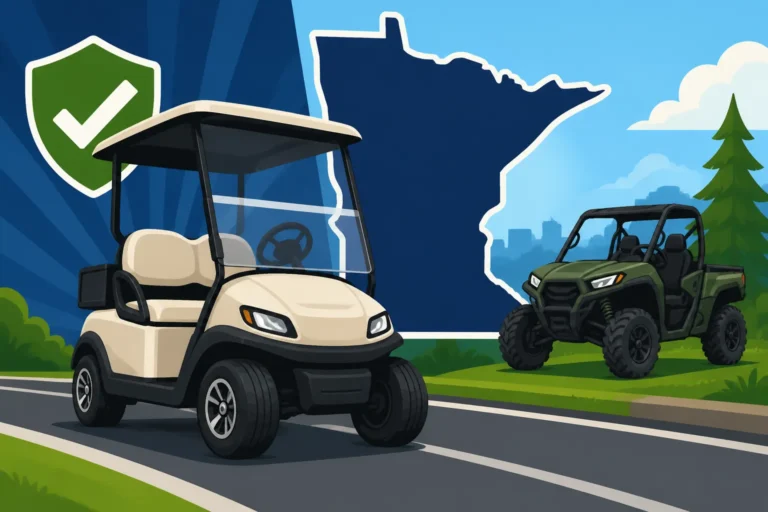
On private land, your options generally open up significantly, but only if you have explicit permission from the landowner. If you own the land, or have permission from the owner, you typically have more flexibility in where you can ride your ATV or UTV. However, even on private land, you still need to ensure your machine is properly registered with the state, as Minnesota requires all ATVs and UTVs used anywhere in the state to be registered, regardless of where they are operated. This is a common misconception – many folks think if they're only on their own property, registration isn't necessary. That's not the case here in Minnesota. Always get written permission from landowners if you're not the owner, and respect any specific requests they have regarding machine use. Driving over sensitive crops or through designated quiet areas could quickly sour a good relationship. Remember, being a good steward of the land, whether yours or someone else's, ensures continued access for everyone.
Public lands are where things get a bit more complex. Areas like State Forests, Wildlife Management Areas (WMAs), and certain county lands have strict guidelines. In most cases, ATVs and UTVs are restricted to designated trails only. This means you can't just drive off-trail directly to your favorite oak stand because it seems closer. Doing so is not only illegal but can also cause significant environmental damage and disrupt wildlife. You'll often find that WMAs, in particular, have very limited or no motorized access beyond designated parking areas or specific access roads. It's always best to check with the specific land management agency (like the DNR for State Forests or WMAs) for the most current maps and regulations for the area you plan to hunt. You don't want to get a ticket or ruin someone else's hunt because you didn't do your homework. For a deeper dive into specific public lands, you might want to read up on [Minnesota Rules on Wildlife Management Areas] or [Minnesota State Forest Riding].
Registration, Trail Passes, and Safety Training
Operating an ATV or UTV in Minnesota, even for hunting purposes, comes with a set of prerequisites that help fund trail maintenance and ensure safe riding for everyone.
Every ATV and UTV operating in Minnesota, regardless of whether it's on public or private land, must be registered with the Minnesota DNR. This registration is typically valid for three years, and it's your responsibility to keep it current. Think of it like your car's license plate; it proves your machine is officially recognized by the state. Without it, you could face penalties. For details on how to get this done, check out [Registering an ATV in Minnesota].
Beyond registration, if you plan to use your machine on any of Minnesota's extensive public ATV trails – which you might need to do to access your hunting area – you'll likely need an Off-Highway Vehicle (OHV) Trail Pass. Even if you're just using a short section of a trail to get to your private land access point, this pass is generally required for public trail use. Non-residents also need a specific non-resident trail pass. These passes are crucial because the fees directly contribute to the maintenance and development of the trails we all enjoy. It's a small investment for the privilege of using these incredible resources. You can learn more about this by looking at [Minnesota's Non-Resident ATV Trail Pass].
Finally, safety training is a big one, especially for younger riders. In Minnesota, if you were born after July 1, 1987, you generally need to complete an approved ATV safety training course to operate an ATV on public lands. While this often applies more directly to recreational riding, if your hunting access involves public trails, this requirement still stands. Even if you're exempt due to age, taking a safety course is always a smart idea. It can refresh your knowledge of safe operating practices and help prevent accidents, which can be particularly nasty when you're far from help in the woods. To ensure you're compliant or to sign up for a course, you might want to consult [Minnesota's ATV Safety Training Requirement]. It's about more than just legal compliance; it's about making sure everyone gets home safe after a day in the woods.
Navigating Your Machine to the Deer Stand
Once you understand the regulations, the next step is figuring out the most practical and legal way to get your machine from your truck or cabin to your deer stand. This isn't always a straight shot, and sometimes involves a combination of legal road riding, designated trails, and careful planning.
Designated Trails and Routes
As mentioned, on public lands like State Forests, you are generally restricted to designated ATV and UTV trails. This means you need to study your maps carefully. Many DNR maps will clearly mark where OHV trails are, and some might even show hunting zone boundaries. It's a good idea to have these maps downloaded to your phone or, even better, a physical map as a backup, especially in areas with spotty cell service. Tools like GPS devices or apps can be invaluable for pinpointing your location relative to trails and your stand.
If your deer stand is deep within a State Forest, your best bet is usually to ride the designated trail system as close as legally possible, then dismount and walk the rest of the way. This might involve a bit of a hike, but it’s far better than incurring a fine or facing legal action for off-trail riding. Remember, these trails are designed to handle traffic while minimizing environmental impact. Veering off them can damage fragile ecosystems, spread invasive species, and disturb other hunters or wildlife. The last thing any ethical hunter wants to do is cause damage to the very environment they cherish. Knowing [Where to Ride an ATV in Minnesota] is crucial for planning your hunting access responsibly. Ignoring these rules can lead to significant [Penalties for an Unregistered ATV in Minnesota] and other violations, even if your machine is registered.
Road and Ditch Riding Considerations for Access
Sometimes, getting to a designated trail or your private land involves using public roads or road ditches. Minnesota has specific rules for this, and they're not always intuitive.
Generally, you cannot operate an ATV or UTV on the paved surface of state or federal highways, except to cross at designated points. However, in many areas, ditch riding is permitted on certain roads, particularly county and township roads. This means riding in the right-of-way, usually the ditch, adjacent to the roadway. If you plan to use this method, you need to be aware of your surroundings, drive slowly, and have proper lighting – headlights and taillights are required, especially during low light conditions or at night. Visibility is key, both for your safety and for other motorists. Always assume other drivers don't see you.
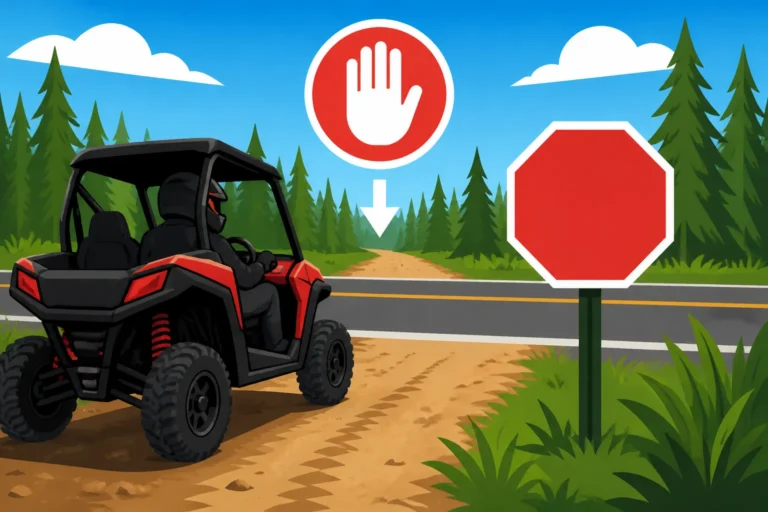
When riding in ditches, pay attention to signs and local ordinances. Some townships or counties might have stricter rules or even prohibit ditch riding in certain areas. It's always a good practice to check with the local sheriff's office or city hall if you're unsure about specific road segments. Crossing a road also has its own rules: you must stop, yield to traffic, and cross at a 90-degree angle. Never assume you have the right-of-way. The full details on this can be found in resources like [Minnesota's Ditch Riding Rules] and [Crossing a Minnesota Road on an ATV]. These rules are in place for everyone's safety, and ignoring them can lead to serious accidents or citations.
Equipment and Modifications for Hunting
Your ATV or UTV can be a true workhorse during hunting season, especially when equipped with the right accessories.
For starters, a good cargo rack or a bed extender for UTVs is almost essential. You'll be hauling treestands, blinds, bows, rifles, backpacks, and maybe even a cooler. Having a secure way to strap down your gear prevents it from bouncing out on rough trails or getting damaged. Many aftermarket companies like SuperATV offer excellent cargo solutions that are robust and designed for the rigors of off-road use. They understand that hunters need reliable gear that can withstand harsh conditions.
Gun scabbards or bow cases that securely attach to your machine are also incredibly useful. This keeps your firearm or bow protected from dirt, moisture, and impact, ensuring it's in prime condition when you reach your stand. It also keeps it from being jostled around unsafely during transit. For a UTV, a roof and a windshield can offer much-appreciated protection from the elements, especially on those cold, damp mornings.
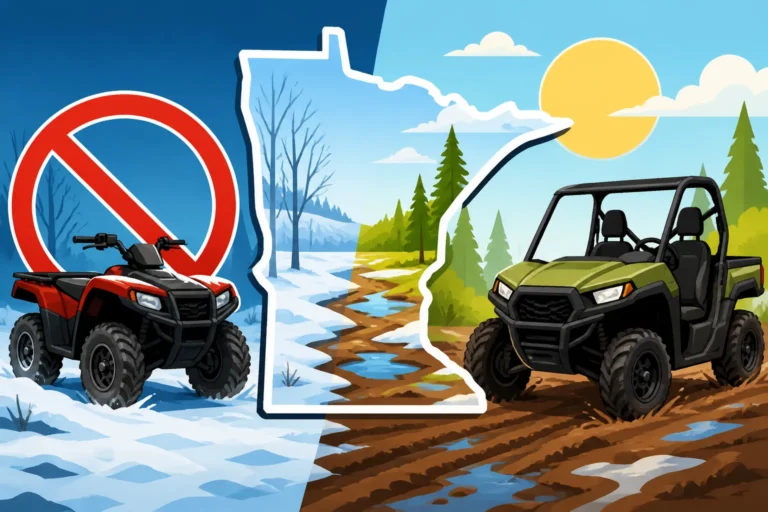
Consider also a winch. While not directly for getting to your stand, a winch is invaluable for self-recovery if you get stuck in mud or snow, or for helping to load a heavy deer onto your machine. It's one of those "better to have it and not need it" items that can save a hunt from turning into a nightmare. Robust tires are also a must. Standard ATV tires might be fine for light trail riding, but for hunting, you'll likely encounter mud, rocks, and potentially sharp debris. Upgrading to a more aggressive, puncture-resistant tire can prevent a flat tire from stranding you miles from your vehicle. When you're thinking about adding these crucial accessories, researching brands like SuperATV can give you a lot of great options designed specifically for off-road utility and hunting applications.
Here's a quick overview of essential hunting accessories for your ATV/UTV:
| Accessory Type | Purpose | Key Features |
|---|---|---|
| Cargo Management | Hauling gear, treestands, blinds, supplies. | Racks, bed extenders, cargo boxes, tie-downs. |
| Weapon Transport | Securely carry rifles, shotguns, bows. | Gun scabbards, bow mounts, soft cases. |
| Recovery | Getting unstuck, pulling game. | Winch (2500-4500lb capacity), recovery straps. |
| Tires | Traction and durability on varied terrain. | Aggressive tread, puncture-resistant, mud/rock specific. |
| Protection/Comfort | Shield from elements, enhance visibility. | Windshield, roof, mirrors, extra lighting (for legal use). |
| Navigation | Staying on legal routes, finding your stand. | GPS device/app, paper maps, compass. |
Practical Tips for a Responsible and Successful Hunt
Using an ATV or UTV for hunting isn't just about getting there; it's also about doing so ethically and in a way that doesn't compromise your hunt or the experience of others. Being a responsible hunter and rider is key to ensuring these privileges continue.
Minimizing Disturbance and Scent Control
One of the biggest concerns with using motorized vehicles for hunting access is the potential to disturb game and leave behind human scent. Deer, in particular, are highly sensitive to sudden noises and unfamiliar smells.
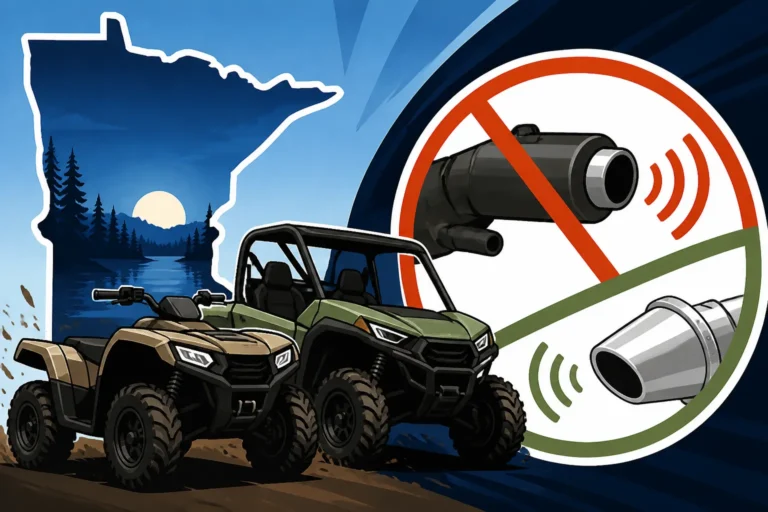
To minimize disturbance, try to limit your machine use to specific times – ideally, well before dawn for morning hunts or after dark for evening retrieval. The less you run your machine during peak deer activity, the better. Consider parking your ATV a bit further away and walking the last stretch to your stand, especially if the wind direction from your parking spot might carry scent towards your hunting area. Think about the overall impact of the noise and fumes your machine creates.
Scent control is also paramount. Your ATV will inevitably pick up and distribute human and exhaust scent. If possible, avoid driving directly through or near known deer travel corridors right before your hunt. Park your machine downwind from your stand, or in an area where its residual scent won't likely alarm approaching deer. Some hunters even clean their machines with scent-eliminating sprays before heading out, focusing on the seats, handlebars, and other contact points. While it might seem excessive, every little bit helps in the highly scent-sensitive world of whitetails. Even accessories like those from SuperATV can absorb scents, so keeping them clean and scent-free is a good practice.
Packing Out Your Deer Legally and Safely
Congratulations, you got one! Now comes the real work: packing out your deer. This is where an ATV or UTV truly shines, saving you from a grueling, back-breaking drag through the woods.
First, check the specific regulations for the area you're hunting. While ATVs are generally allowed for game retrieval on designated trails or private land with permission, some public hunting areas may have restrictions on where you can bring your machine for retrieval. Always confirm this beforehand. For example, some WMAs might only allow machines on designated access roads, requiring you to drag the deer to the road. This is precisely why it's so important to know the rules for [Packing Out a Deer by Machine].
When loading your deer, safety first! A deer can be heavy and awkward. If you're alone, use a ramp if available, or carefully roll and lift the animal onto the cargo rack or into the UTV bed. Secure it thoroughly with strong tie-down straps to prevent it from shifting during transport. An unsecured deer can quickly unbalance your machine, especially on uneven terrain, leading to a dangerous rollover. Distribute the weight evenly to maintain stability. If you're using a side-by-side, consider a small, sturdy hitch-mounted cargo carrier for extra space and easier loading.
Once loaded, drive slowly and cautiously back to your vehicle or camp. The added weight will change your machine's handling characteristics, making it less stable and slower to react. Take your time, especially on turns or descents, and be extra vigilant for obstacles on the trail.
Blaze Orange and Visibility Requirements
During deer season, especially during firearm seasons, visibility is not just a good idea, it's often a legal requirement. Minnesota mandates specific amounts of blaze orange clothing for hunters during certain seasons. This also applies when you're operating your ATV or UTV.
Even if you're just riding your machine to your stand, you should be wearing your blaze orange. This makes you highly visible to other hunters, potentially preventing dangerous mistaken identity incidents. Think of your machine as an extension of yourself during hunting hours. Some hunters even attach blaze orange flags or panels to their ATVs for added visibility, particularly if they are operating in areas with dense cover. Review the specific requirements for [Blaze Orange on a Deer Season Ride] to ensure you meet the minimum standards for your safety and legal compliance.
Remember, deer can also be out during these times, and you want to ensure they see you long before you're in a dangerous situation. Having proper lighting on your ATV, even during daylight hours, can further enhance your visibility to other people, whether they are hunters, hikers, or fellow riders. Be seen, be safe, and enjoy your hunt!
Disclaimer
This article is for general informational purposes only and does not constitute professional advice. Laws, prices and regulations vary by location and change over time. Consult a qualified professional for guidance on your specific situation.