Minnesota Penalties for Reckless Riding
It's easy to get caught up in the thrill of exploring Minnesota's incredible trails and vast open spaces on your ATV or UTV. The freedom, the wind in your hair, the sheer power of your machine – it's an experience unlike any other. But sometimes, that excitement can lead to pushing boundaries, and before you know it, you might find yourself facing the serious consequences of what the state calls "reckless riding." This guide is here to walk you through exactly what constitutes reckless operation in Minnesota, what penalties you could face, and how to ensure your adventures stay safe, fun, and within the bounds of the law, protecting both yourself and your machine.
What Constitutes "Reckless" on a Minnesota ATV or UTV?
When you think of "reckless," images of stunt driving or high-speed chases might come to mind. But in Minnesota, the definition of reckless operation on an ATV or UTV is much broader than you might expect, encompassing a range of behaviors that put yourself, others, or even the environment at undue risk. It's really about operating your machine with a serious disregard for safety or the rules, whether intentionally or through extreme carelessness.
Defining Dangerous Operation
At its core, dangerous operation refers to any action that could foreseeably cause harm or damage. This isn't just about intentionally being dangerous; it can also be about a lack of judgment or awareness. For example, weaving erratically through a group of riders on a crowded trail might not seem like a big deal to you, but to a conservation officer, it demonstrates a clear disregard for the safety of others. The same goes for making sudden, aggressive turns near pedestrians or other vehicles, or operating at speeds that are simply too high for the terrain, visibility, or conditions.
Think about the environment you're in. A speed that's perfectly fine on a wide, straight gravel road might be incredibly dangerous on a narrow, twisting forest trail with blind corners. [Minnesota Speed on a Minnesota Road Right of Way] is a good read to understand the nuances of speed limits in different areas. Dangerous operation also includes things like trying to jump obstacles you're not equipped for, performing "donuts" or power slides in areas where children or other recreational users are present, or operating a machine that isn't in safe working order, perhaps with faulty brakes or steering, which clearly shows a lack of responsibility.
Prohibited Riding Areas and Behavior
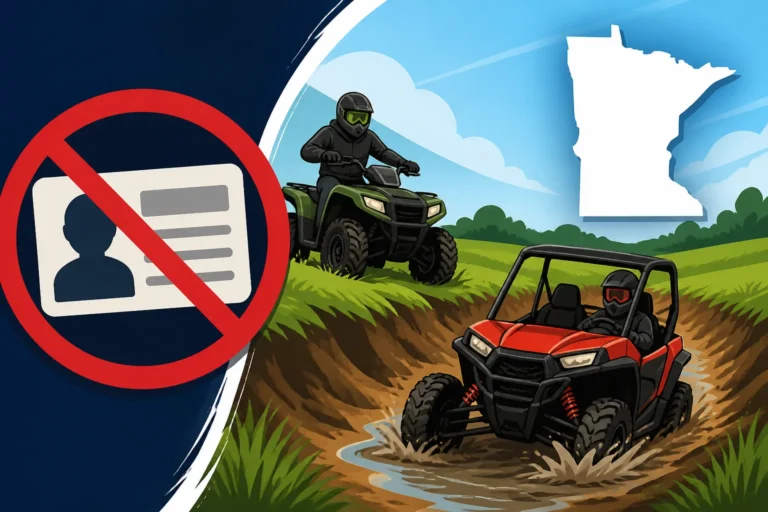
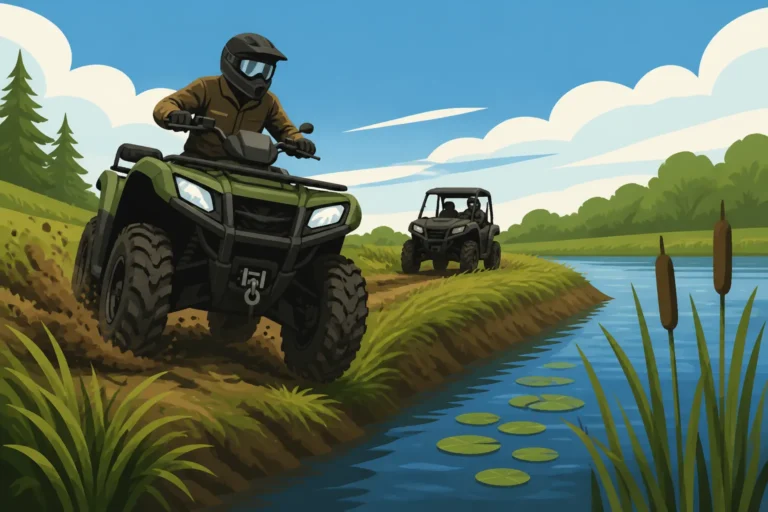
Minnesota has clear rules about where you can and cannot operate an ATV or UTV. Riding in prohibited areas is often immediately considered reckless because it demonstrates a disregard for established regulations designed to protect sensitive ecosystems, private property, or public safety. This includes operating your machine on posted private land without permission, traversing wetlands or fragile habitats, or riding on roadways where ATVs are expressly forbidden. Even riding on the shoulder or ditch of certain roads can be restricted, so it's crucial to know [Minnesota's Ditch Riding Rules].
Furthermore, specific behaviors are outright prohibited and can easily escalate to reckless charges. Operating under the influence of alcohol or drugs is a prime example; [Minnesota Alcohol Limits for ATV Operators] are just as strict as for cars, and violating them puts everyone at risk. Riding with too many passengers on a machine designed for one, or allowing an uncertified minor to operate a machine that's too powerful for them, are also considered serious breaches of safety protocols. It's about respecting the land, the rules, and the rights of other users.
Failure to Adhere to Safety Regulations
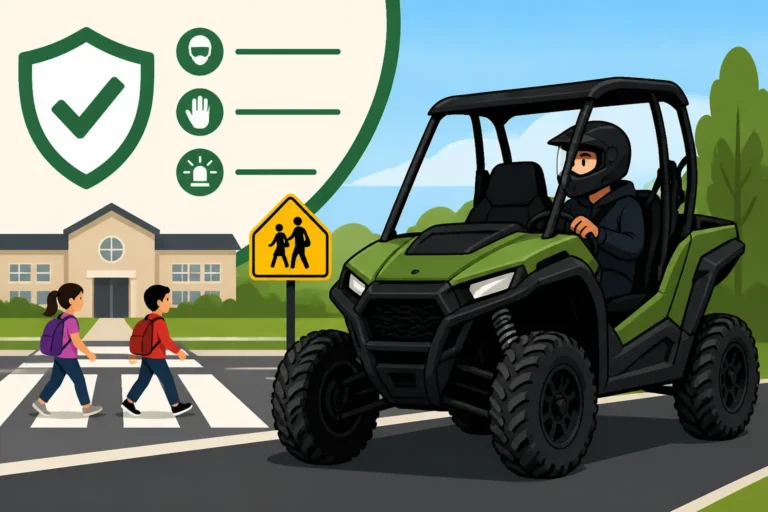
Sometimes, reckless riding isn't about speed or stunts, but about a deliberate failure to follow basic safety regulations. This includes not wearing a helmet when required – for instance, all riders under 18 must wear one in Minnesota. [Minnesota Helmet Rules for Riders Under 18] outlines these specific requirements. It also encompasses things like failing to display proper lights after dark, not having a spark arrester on your exhaust when required on public lands, or operating a machine without proper registration and a visible sticker.
While these might seem like minor infractions, they contribute to an overall picture of irresponsible operation. If you're outfitting your machine, consider safety-enhancing products. For example, SuperATV offers excellent lighting upgrades and protective gear that can significantly improve your visibility and safety on the trail, demonstrating a commitment to responsible riding rather than a disregard for it. When these safety failures combine with other factors, like excessive speed or dangerous maneuvers, law enforcement is much more likely to label the overall conduct as reckless.
The Immediate Consequences: What Happens When You're Caught?
Finding yourself in a situation where you're being approached by a conservation officer or other law enforcement while riding can be startling, but knowing what to expect can help you navigate it calmly. Minnesota takes ATV and UTV safety seriously, and officers are trained to identify and address reckless behavior promptly.
Law Enforcement Interaction and Citations
If an officer witnesses what they deem to be reckless riding, they will typically initiate a stop. This is your cue to pull over safely, turn off your engine, and keep your hands visible. The officer will likely ask for your identification, proof of ATV registration, and potentially proof of safety training. [What a Minnesota Conservation Officer Asks For] is a good primer on the documentation you should always have with you. They'll explain why you were stopped and what specific behaviors led to their assessment of reckless operation.
It's common to receive a citation, which is essentially a ticket. This citation will detail the specific Minnesota statute you allegedly violated, the date, time, and location of the incident, and often a court date or instructions on how to pay the fine. The officer might also issue warnings for other minor infractions, but for reckless riding, a citation is almost guaranteed. It's important to remain respectful and cooperative, even if you disagree with the officer's assessment. Arguing on the spot is rarely productive and can sometimes escalate the situation.
On-Site Actions and Machine Impoundment
In severe cases of reckless riding, especially if there's an immediate danger or a blatant disregard for safety, law enforcement has the authority to take more immediate action. This could include impounding your ATV or UTV on the spot. If you're operating under the influence, for instance, your machine will almost certainly be impounded, and you'll be transported from the scene. Impoundment incurs significant fees for towing and storage, adding another layer to the financial penalty.
Officers also have the discretion to order you to cease operation if your machine is deemed unsafe or if your continued riding poses an ongoing threat. This might happen if you're found with significant mechanical issues that make your machine dangerous or if your behavior has been so extreme that the officer believes you're a threat to public safety if allowed to continue. These immediate actions are designed to stop dangerous behavior right away and prevent further incidents, underscoring the seriousness of reckless operation.
Beyond the Citation: Long-Term Repercussions of Reckless Riding
A citation is just the beginning. The actual penalties for reckless riding can extend far beyond a simple ticket, impacting your finances, your driving privileges, and even your ability to enjoy off-highway vehicle recreation in the future. It's vital to understand that these aren't minor inconveniences; they can have lasting effects.
Fines, Court, and Legal Fees
The most immediate financial impact of a reckless riding charge is usually the fine. While I can't give specific dollar amounts, penalties for reckless operation in Minnesota are generally substantial and significantly higher than those for minor infractions like a missing registration sticker. [Minnesota ATV Ticket Amounts] provides a general sense of how fines are structured. These fines can escalate dramatically if there are aggravating circumstances, such as injuries to others, property damage, or if you were operating under the influence.
Many reckless riding charges require a mandatory court appearance. This means taking time off work, traveling to the courthouse, and potentially facing a judge. You might consider hiring an attorney, which adds legal fees to your overall expenses. Contesting a ticket can be a lengthy process, and even if you win, you've invested considerable time and money. If you're found guilty, the judge might impose additional penalties beyond the standard fine, such as community service or mandatory safety courses.
Impact on Driving Privileges and Insurance
One of the most concerning long-term repercussions for many riders is the potential impact on their driver's license, even if the incident occurred on an ATV. In Minnesota, certain offenses, especially those involving alcohol or extreme recklessness, can lead to points on your driving record or even suspension of your motor vehicle driving privileges. [Losing Minnesota Riding Privileges] can happen for serious offenses, and this can affect your ability to drive a car as well.
Your insurance rates are also likely to be affected. An accident or a reckless driving citation on your record, even if it's for an ATV, can signal to your insurance company that you're a higher risk. This can lead to increased premiums for both your ATV insurance and potentially your auto insurance. Some insurers might even drop your coverage altogether for high-risk behavior. Good quality accessories, like those from SuperATV, can actually help reduce risk on the trail, which your insurer might appreciate when you're demonstrating a commitment to safety. [Minnesota Liability Coverage for Riders] is essential, and any incident can make it harder or more expensive to obtain.
Criminal Record and Future Implications
In the most severe cases, particularly if injury or significant property damage occurred, or if combined with other serious offenses like DWI, reckless riding can lead to misdemeanor or even felony charges. A criminal record can have far-reaching implications, affecting your employment opportunities, housing applications, and even your ability to travel internationally. It's a stark reminder that an ATV isn't just a toy; it's a powerful vehicle that, when operated irresponsibly, can lead to very serious legal consequences.
Beyond the formal legal system, there can be informal consequences too. Your reputation within the riding community might suffer, and you could even face restrictions from certain trail systems or riding clubs. Nobody wants to be known as the rider who causes problems or puts others at risk.
Avoiding the Pitfalls: Riding Responsibly in Minnesota
The good news is that avoiding these penalties and ensuring a safe, enjoyable experience is largely within your control. Responsible riding is about preparation, knowledge, and a respectful attitude toward others and the environment.
Know the Rules and Your Machine
Before you even hit the trail, take the time to truly understand Minnesota's ATV and UTV laws. These rules cover everything from registration requirements to age restrictions, helmet laws, and where you can legally ride. The DNR website is an invaluable resource. Knowing the rules means you won't inadvertently break them, and it shows respect for the system. Remember, ignorance of the law is rarely an excuse that holds up in court. You can even check out resources like [Minnesota Safety Training Requirements] to make sure you're properly certified.
Equally important is knowing your machine. Understand its capabilities and limitations. A two-wheel-drive sport quad is going to handle very differently from a four-wheel-drive utility side-by-side. Don't push your machine or yourself beyond its capabilities, especially in unfamiliar terrain. Regularly inspect your ATV or UTV for any mechanical issues; functional brakes, proper tire pressure, and good steering are non-negotiable for safe operation. Investing in high-quality maintenance parts, like those offered by SuperATV, ensures your machine is always trail-ready and performs reliably when you need it most.
Practice Safe and Respectful Riding Habits
Safe riding is about more than just following the letter of the law; it's about adopting a mindset of caution and respect. Always operate at a speed that is appropriate for the conditions, and be prepared for unexpected hazards. Keep a safe distance from other riders, pedestrians, and wildlife. When riding in groups, maintain an organized formation and be aware of everyone's position.
One of the biggest aspects of responsible riding is respecting private property. Stay on marked trails and public access routes, and never trespass. If a trail is marked as closed or for specific vehicle types, honor those signs. Noise pollution is also a concern for many communities, especially near residential areas or lake cabins. Be mindful of your exhaust noise, especially at certain times of day. A little common courtesy goes a long way in ensuring access to trails remains open for everyone.
What to Do if You Encounter Issues
Even the most responsible riders can encounter unexpected situations. If you get lost, have a mechanical breakdown, or witness an accident, know how to react. Always carry a cell phone (though service can be spotty in some remote areas), a basic first-aid kit, and some essential tools. If you're involved in an accident, even a minor one, [Minnesota ATV Accident Reporting] outlines when and how to report it to the authorities.
If you believe you've been unfairly cited for a minor infraction, it's often wise to pay the fine and move on. However, if you're facing a serious charge like reckless riding and believe you have a strong case for innocence, you have the right to [Fighting an ATV Ticket in Minnesota]. This often involves gathering evidence, presenting your side in court, and potentially consulting with a legal professional. The key is to handle any issue calmly and according to proper procedures, ensuring your actions don't inadvertently worsen the situation.
Disclaimer
This article is for general informational purposes only and does not constitute professional advice. Laws, prices and regulations vary by location and change over time. Consult a qualified professional for guidance on your specific situation.