Checking Whether a Quad Was Reported Stolen
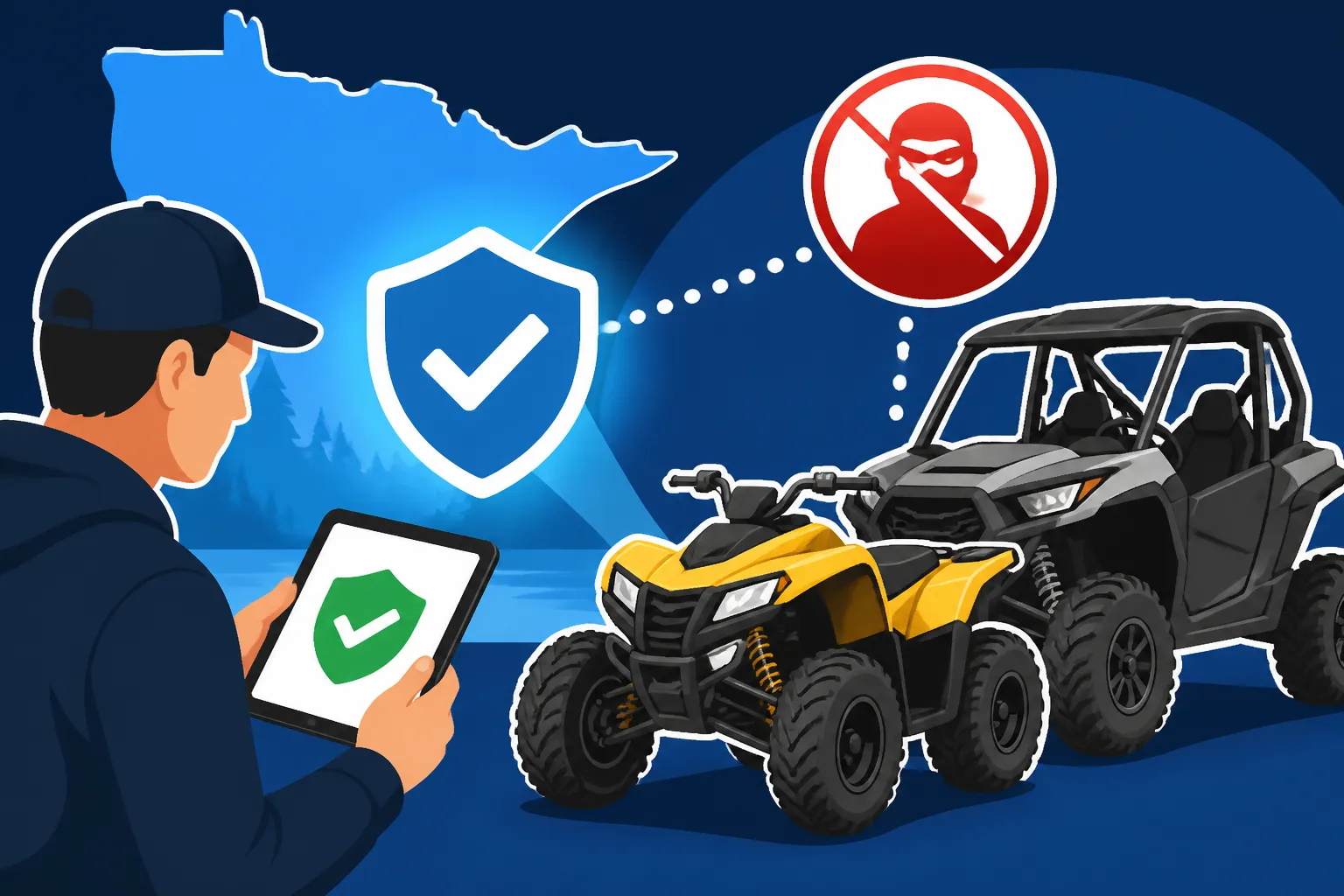
The fear of unknowingly buying a stolen quad or side-by-side is a real and valid concern for anyone looking to get into the off-road lifestyle here in Minnesota. It can turn what should be an exciting new adventure into a stressful, costly nightmare, leaving you without your machine and out of pocket. This guide will walk you through the essential steps and resources available to help you verify an ATV or UTV's history, empowering you to make a confident and secure purchase.
The Serious Risks of Buying a Stolen Machine in Minnesota
It might seem like a distant possibility, but the reality is that powersports vehicles are unfortunately common targets for theft. If you accidentally purchase a machine that has been reported stolen, even if you did so in good faith, the consequences can be significant and incredibly frustrating. It’s not just about losing the money you paid; it's about the emotional toll and legal complications that follow.
Legal Ramifications and Losing Your Investment
Let's be absolutely clear: if you buy a stolen ATV or UTV, the machine will eventually be returned to its rightful owner. This means you will lose the quad, and in most cases, you will not get your money back unless you can successfully track down and sue the person who sold it to you – which is often a long shot. Law enforcement isn't there to mediate your financial loss; their job is to recover stolen property. You could face legal battles, even if you were an innocent buyer, simply by being in possession of stolen goods. Imagine saving up for months, finding what seems like a great deal, only to have a conservation officer or local sheriff’s deputy show up at your cabin or home, inform you the machine is stolen, and then haul it away. All that excitement turns into a massive headache, and your hard-earned cash vanishes into thin air. You're left with nothing but regret and an empty spot in your garage.
The Emotional and Financial Stress
Beyond the immediate loss, there's the stress. The stress of dealing with law enforcement, potentially being questioned, and then the daunting task of trying to recover your funds from a potentially unscrupulous seller who has likely disappeared. It can feel incredibly violating, like you've been taken advantage of. Many people buy used machines to save money, perhaps dreaming of hitting the [Minnesota's Grant-in-Aid Trail System] or exploring Nemadji State Forest. To have that dream shattered by a fraudulent sale is truly disheartening. Think about the time you'll spend making calls, filling out police reports, and feeling that knot in your stomach. It’s a huge drain on your mental and financial resources, and it’s completely avoidable with a bit of upfront due diligence.
How to Check for a Stolen ATV or UTV in Minnesota
When you're looking at a used machine, your top priority should be verifying its legal status. Thankfully, there are several avenues you can pursue here in Minnesota to check if a quad has been reported stolen. These steps are crucial and should never be skipped, no matter how good the deal seems or how convincing the seller appears.
Contacting Local Law Enforcement
Your local police department or county sheriff's office is often your first and best resource for checking if an ATV or UTV is stolen. They have access to national and state databases that list stolen vehicles. You'll need the Vehicle Identification Number (VIN) for this.
- How to do it: Simply call the non-emergency line of the law enforcement agency in the area where the machine is located, or where you intend to purchase it. Some agencies might allow you to walk in and speak with an officer, but a phone call is usually sufficient. Be prepared to provide the full VIN of the machine.
- What to expect: The officer will typically run the VIN through their database. This database checks for active stolen vehicle reports. They won't be able to provide you with a full ownership history or personal details, but they can confirm if it's currently listed as stolen. It's a quick and free check that can save you a world of trouble. If the machine comes back as stolen, they will guide you on the next steps, which will usually involve reporting the seller.
Utilizing the National Insurance Crime Bureau (NICB) Database
The NICB offers a free online VINCheck tool that allows consumers to check if a vehicle has been reported as stolen or a total loss by participating member insurance companies. While it might not catch every single stolen vehicle report, especially if it wasn't insured or the report is very recent, it's another valuable layer of protection.
- How to do it: Visit the NICB's website and look for their VINCheck service. You'll enter the VIN of the ATV or UTV, and the system will search its records.
- What to expect: The database will inform you if the vehicle has been reported as stolen or if it has been declared a total loss. This is particularly useful because a "total loss" designation could indicate a salvaged vehicle, which has its own set of considerations for buyers, even if it's not stolen. It's an anonymous way to get some initial peace of mind.
Checking Minnesota DNR Records (for Ownership History, Not Stolen Status)
While the Minnesota Department of Natural Resources (DNR) doesn't directly maintain a "stolen vehicle" database for the public, they can provide a limited ownership history of a machine registered in Minnesota. This isn't a direct stolen check, but it can help corroborate a seller's claims about ownership and identify potential red flags. For example, if a seller claims they've owned the machine for years, but the DNR record shows a recent transfer to someone else, that's a warning sign.
- How to do it: You can request a record of an off-highway vehicle (OHV) through the DNR. This typically involves filling out a form and paying a small fee. You usually need the VIN to make this request. You might find some details about this process when looking into [Minnesota Records Request for a Machine].
- What to expect: The DNR can provide information about past registration, including names of previous registrants and dates of transfer. This can be invaluable for cross-referencing against the seller’s story. If a seller is hesitant to provide the VIN for this type of check, or if the DNR records don't align with their story, consider it a major red flag. This process can take a few days, so plan accordingly if you're in a hurry to buy.
Commercial VIN Check Services
There are various third-party companies that offer commercial VIN check services, often for a fee. These services compile information from multiple databases, including police records, insurance companies, and sometimes even salvage yards.
- How to do it: Search online for "ATV VIN check" or "UTV history report" services. You'll typically enter the VIN and pay a fee to generate a report.
- What to expect: These reports can offer a more comprehensive history, potentially including accident records, title brands (like salvage or flood damage), and sometimes even previous sales records. While they often pull from many sources, no single database is foolproof, and their information is only as good as what has been reported to them. Use these services as an additional layer of verification, but don't rely solely on them.
| Check Method | Provides Stolen Status? | Provides Ownership History? | Cost | Speed | Notes |
|---|---|---|---|---|---|
| Local Law Enforcement | Yes | No | Free | Instant | Best for immediate stolen vehicle check. |
| NICB VINCheck | Yes | No | Free | Instant | Checks insurance company databases for stolen/total loss. |
| Minnesota DNR Records | No (direct) | Yes (registration history) | Small fee | Days | Helps verify seller's ownership claims. |
| Commercial VIN Check Service | Yes (often) | Yes (often comprehensive) | Varies | Instant-Hours | Aggregates data from multiple sources; not always complete. |
Essential Information You'll Need for the Check
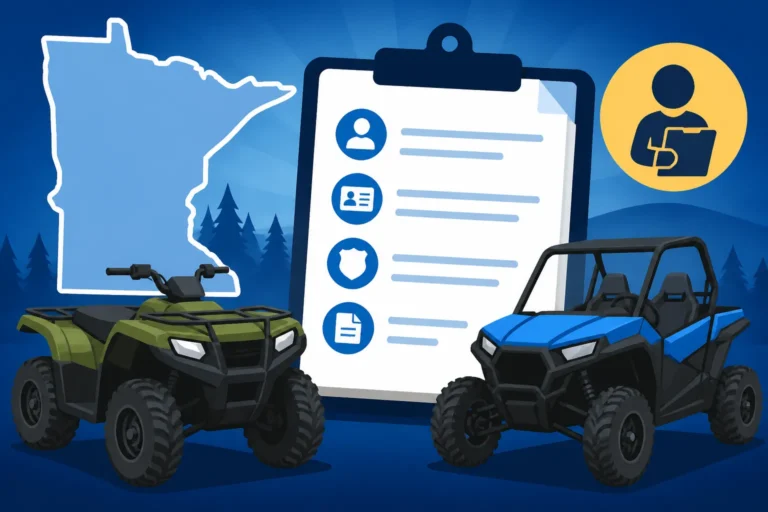
Before you can even begin the process of checking a machine's history, you need to arm yourself with the right information. The most critical piece of data is the Vehicle Identification Number (VIN), but there are other details that can also be incredibly helpful. Without these, your efforts to verify the machine's status will be severely hampered.
Locating the Vehicle Identification Number (VIN)
The VIN is essentially the quad's unique fingerprint. It's a 17-character alphanumeric code that identifies the manufacturer, model year, and specific attributes of the vehicle. You can't do any serious checks without it.
- Where to find it: The VIN is typically stamped directly onto the frame of the ATV or UTV. Common locations include:
- On the steering neck: Often on the right side, near where the handlebars attach to the frame.
- On the lower frame rail: Near the left front wheel.
- On the engine casing: Though this is less common for the primary VIN.
- For side-by-sides, it might also be found on a door jamb or under the seat.
It's worth reviewing a guide like [Where the VIN Sits on a Quad] for specific examples.
- Verifying the VIN: Once you find the VIN, compare it meticulously with any paperwork the seller provides, such as a title, registration card, or bill of sale. If there are any discrepancies – even a single character difference – it’s a huge red flag. Also, inspect the VIN itself. Does it look original, or does it appear to have been altered, ground down, or restamped? Any signs of tampering should prompt you to walk away immediately.
Gathering Seller and Machine Details
While the VIN is paramount, don't overlook other details that can aid your investigation and protect you in the long run.
- Seller's Information: Ask for the seller's full name, current address, and phone number. While they're not legally obligated to provide it for a VIN check, a reputable seller should be transparent. If they refuse or seem evasive, it's a warning sign. You'll need this information for a bill of sale, and it can be critical if you later need to pursue legal action.
- Previous Ownership Documents: A legitimate seller should have the title or current registration in their name. This is [Proof of Ownership for a Minnesota ATV]. If they only have a bill of sale, ask for the chain of previous bills of sale leading up to their purchase. Any gaps in ownership documentation, or stories like "I bought it from a guy who bought it from a guy," should raise suspicion. A clear, unbroken chain of ownership is what you want. You can learn more about this in [Minnesota Records and a Machine's Ownership History].
- Machine Description: Note the make, model, year, color, and any unique features or modifications. This information, combined with the VIN, helps confirm you're checking the correct machine and can be useful in police reports if the machine later proves to be stolen or if you have issues with the sale.
Beyond the VIN: Red Flags and Best Practices for a Secure Purchase
Even with a clean VIN check, there are other crucial steps you should take and warning signs you need to look out for to ensure you're making a safe and legitimate purchase. Trust your gut; if something feels off, it probably is.
Recognizing Common Red Flags During the Transaction
Sellers of stolen machines often display behaviors or present situations that should immediately make you cautious.
- Price is Too Good to Be True: This is perhaps the biggest and most obvious red flag. If an ATV or UTV is being sold for significantly less than its market value, ask yourself why. While everyone loves a bargain, an unbelievably low price can often signal a problem. Sellers who need to get rid of a "hot" machine quickly will often undercut the market. Research typical prices for the make, model, and year you're interested in before you start looking.
- Lack of Paperwork: A reputable seller will have a clear title or a valid, current registration in their name. If they claim to have "lost" the title, or only have an old bill of sale from someone else, be extremely wary. Minnesota has rules about [Proof of Ownership for a Minnesota ATV], and if those documents aren't available, you're taking a significant risk. If the seller says they have [No Ownership History] on the machine, or [Never Signed the Paperwork] from a previous transaction, these are massive warning signs.
- Seller is Evasive or Pushy: Do they seem overly eager to close the deal quickly? Do they avoid answering direct questions about the machine's history or why they are selling it? Do they refuse to provide a VIN or allow you to inspect the machine thoroughly? These are all signs of someone who might have something to hide.
- Unusual Meeting Location: Be cautious if a seller insists on meeting you in an obscure location, a parking lot late at night, or refuses to let you see the machine at their home. A legitimate seller should have no problem showing the machine where it’s normally kept. If they’re selling it out of the back of a truck, it could be a sign they don’t want you to know where they live or where the machine came from. Consider meeting in a public place with cameras during daylight hours.
- VIN Tampering: As mentioned earlier, physically inspect the VIN. Look for any signs of grinding, welding, or numbers that don't quite line up. If it looks like someone has tried to alter the VIN, walk away immediately and consider reporting it to law enforcement. This is a very strong indicator of a stolen machine.
The Importance of a Detailed Bill of Sale
Even after you've checked the VIN and found no red flags, always, always insist on a comprehensive bill of sale. This document is your legal record of the transaction and can be crucial if you ever need to prove ownership or pursue action against a fraudulent seller.
- What it should include: A strong bill of sale, like those you can find templates for through services like LawDepot, should clearly state:
- The full legal names and addresses of both the buyer and the seller.
- The date of the sale.
- The agreed-upon purchase price.
- A detailed description of the ATV or UTV, including its make, model, year, color, and crucially, its complete VIN.
- A statement that the seller is the legal owner and has the right to sell the machine.
- A declaration that the machine is being sold "as is," unless specific warranties are being offered (rare in private sales).
- Signatures of both the buyer and seller.
- Ideally, the signatures of witnesses or a notary public, though this is less common for ATV sales.
- Why it matters: A well-crafted bill of sale helps establish legal ownership and provides a paper trail. If the machine ever turns out to be stolen, or if there are other disputes, this document is your primary evidence. Many people neglect this step during a private sale, and it’s a massive mistake. Using a reliable template, like one from LawDepot, ensures you cover all the necessary bases and protect your investment. Without proper paperwork, you’re left with very little recourse. [What a Minnesota Bill of Sale Should Carry] details all the specific elements that should be included.
Securing Your Investment with Proper Transfer and Registration
Once you've completed the purchase and have a solid bill of sale, the next crucial step is to officially transfer the registration into your name. In Minnesota, ATV and UTV registration is handled by the DNR.
- Immediate Registration: Do not delay this step. Get your machine registered as soon as possible after purchase. This officially puts your name on the DNR records as the owner and provides you with your registration decals. This process involves the [Minnesota DNR ATV Registration Explained] and often needs to be completed through a [Deputy Registrars That Handle ATV Registration] office.
- Proof of Ownership: The documentation you bring to the deputy registrar will include your bill of sale and any previous title or registration from the seller. This formal transfer reinforces your legal ownership. If the seller didn't provide adequate paperwork for you to register the machine, you might find yourself in a tricky situation, as detailed in [Registering a Minnesota ATV With No Ownership History].
- Sales Tax: Remember that [Minnesota Sales Tax on an ATV Purchase] applies, even for private sales. The deputy registrar will collect this tax when you register the machine.
Taking these comprehensive steps – checking the VIN through multiple channels, recognizing red flags, insisting on a detailed bill of sale (perhaps even drafting one with LawDepot), and promptly registering the machine – will significantly reduce your risk of unknowingly buying a stolen ATV or UTV. Don't let the excitement of a new ride cloud your judgment; a little bit of caution now can save you a world of heartbreak and financial loss later.
Disclaimer
This article is for general informational purposes only and does not constitute professional advice. Laws, prices and regulations vary by location and change over time. Consult a qualified professional for guidance on your specific situation.