Buying a Used ATV in Minnesota: The Paperwork
Oh, the thrill of finding that perfect used ATV or side-by-side! You've probably spent hours poring over listings, driven across the state to kick tires, and finally, you've found "the one." Maybe it's a Polaris Sportsman that looks like it's seen just enough trails to prove itself, or a Kawasaki Mule ready for years of work. But then, as the handshake happens and money is about to change hands, that little voice in your head pipes up: "What about the paperwork?" It's a common anxiety, and rightly so, because getting the documentation wrong can turn your dream machine into a bureaucratic nightmare. This guide is here to walk you through every piece of paper you’ll need, or might need, to confidently buy a used off-highway vehicle (OHV) in Minnesota and make it legally yours.
The Foundation: Understanding Minnesota's ATV Registration System
Before we dive into the nitty-gritty of bills of sale and titles, it’s crucial to understand the overall framework in Minnesota. The state treats ATVs and UTVs (or side-by-sides, as many call them) similarly to snowmobiles and boats in terms of registration, but there are some distinct differences when it comes to ownership proof and titling. Unlike cars, Minnesota doesn't issue traditional titles for most ATVs and UTVs, which can be a huge point of confusion for buyers used to car transactions. This is a critical distinction to grasp right from the start.
Why Titling Isn't Always a Thing for ATVs in Minnesota
You might be scratching your head, thinking, "No title? How do I prove ownership then?" It's a valid question and a frequent source of frustration. For many years, Minnesota operated on a registration-only system for off-highway vehicles, much like boats. Your registration card and decal were the primary proof that the machine belonged to you and was legal to ride on public lands. This system worked well enough for a long time, but as these machines became more valuable and financed, a need for a more robust ownership document emerged.
However, the change hasn't been universal or retroactive. Newer machines, or those that have gone through a specific titling process, might indeed have a title, particularly if they were financed. But a substantial number of older, used machines you'll encounter on the private market will not have a title. This is where your bill of sale and previous registration come into play as crucial pieces of your ownership puzzle. Don't let the lack of a traditional title scare you away from a great machine, but do understand that it puts more emphasis on other documents. We'll explore [Minnesota Title Rules for an Off-Highway Vehicle] in more detail, but for now, just know that "no title" doesn't necessarily mean "no legitimate ownership."
Registration Versus Ownership: What's the Difference?
It’s easy to conflate registration with ownership, especially since the registration card has historically been the closest thing many ATV owners had to an official document. But they are, in fact, two distinct concepts. Registration simply grants you the right to operate your ATV or UTV on public lands and trails in Minnesota. It shows that you've paid your fees and are compliant with state usage laws. Ownership, on the other hand, is the legal right to possess and control the machine, to sell it, or to dispose of it as you see fit.
When you buy a used ATV, you are essentially transferring ownership from the seller to yourself. After that transfer is complete and legally documented, you then apply to register the machine in your name. You can't register something you don't legally own, and simply having a previous owner's registration card isn't proof of ownership. This distinction becomes incredibly important if you ever need to prove the machine is yours, especially in cases of theft or dispute. The paperwork you gather at the time of sale is your proof of ownership, which then allows you to complete the [Registering an ATV in Minnesota] process.
Essential Documents for a Smooth ATV Transfer
When you're ready to buy that used ATV, having the right paperwork in hand is non-negotiable. Think of these documents as the building blocks of your legal ownership. Skipping any of them, or accepting incomplete versions, can lead to headaches down the road. You want to make sure you're protected and that the transfer is crystal clear.
The Bill of Sale: Your Proof of Purchase
This is, arguably, the single most important document when buying a used ATV in Minnesota, especially if the machine doesn't have a title. A well-drafted bill of sale acts as your legal receipt, proving that you bought the machine from the seller on a specific date for a specific amount. Without it, you might struggle to register the machine, pay taxes, or even prove it's yours if it ever goes missing. Many folks just scribble something on a napkin, but that's a huge risk. You want something comprehensive.
A proper bill of sale should include:
- The full names, addresses, and contact information for both the buyer and the seller.
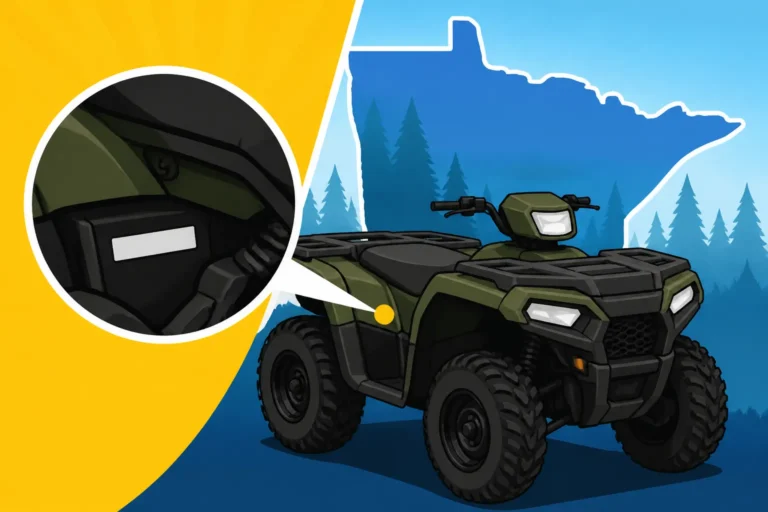
- A clear description of the ATV or UTV, including the make, model, year, and most importantly, the Vehicle Identification Number (VIN). The VIN is the unique identifier for that machine, just like a car. You can usually find the [Where the VIN Sits on a Quad].
- The purchase price agreed upon.
- The date of the sale.
- A statement that the seller is transferring all ownership rights to the buyer.
- A clause stating the machine is sold "as is" (which is common for private sales and protects the seller from future mechanical claims).
- Signatures of both the buyer and the seller. It's also a good idea to have it notarized if possible, though not always required by the DNR, it adds an extra layer of legal validity.
If you're unsure how to draft one, platforms like LawDepot offer templates that can help you create a legally sound bill of sale specifically for vehicle transfers. This can save you a lot of worry and ensure you've covered all your bases. For more details on what to include, you'll want to review [What a Minnesota Bill of Sale Should Carry].
The Previous Owner's Current Registration Card
While not proof of your ownership, the previous owner's current registration card is a vital piece of the puzzle. It serves several purposes:
- Verifies the VIN: You can compare the VIN on the registration card to the VIN physically stamped on the machine. This helps confirm you're buying the correct machine and that the seller is the legitimate registrant.
- Confirms Registration Status: It shows that the machine was, at one point, legally registered in Minnesota. This can speed up your own registration process.
- Identifies the Seller: The name on the registration card should match the name of the person selling the ATV. If it doesn't, that's a massive red flag. You should only be buying from the registered owner, or someone with proper legal authority to sell on their behalf (like an executor of an estate).
If the seller doesn't have the current registration card, it's not an immediate deal-breaker, but it does complicate things slightly. They may need to apply for a replacement, or you might need to go through additional steps to prove ownership. This is why asking for the registration card upfront is always a good practice, even before you go to look at the machine. It’s a key step in ensuring you’re not dealing with a shady situation or a [Buying a Quad at a Farm Auction] with unclear provenance.
Minnesota Off-Highway Vehicle Title (If Applicable)
As mentioned, not all ATVs in Minnesota will have a title. However, if the machine does have one, this becomes the primary document for transferring ownership. Titles are typically issued for newer machines or those that have been financed. A title provides indisputable proof of legal ownership and will usually list any liens against the machine, which is incredibly important for a buyer.
When a title exists, the seller will need to sign it over to you in the designated area. Make sure their signature matches the name printed on the title, and that all fields are filled out accurately. If there's a lien listed, ensure the seller has the lien release document from the bank or financial institution, proving the loan has been paid off. Trying to register a machine with an outstanding lien can be a massive headache and might leave you responsible for someone else's debt. Always ask if a title exists, and if so, treat it with the same seriousness as a car title. The absence of a title is normal; the presence of one that isn't properly signed over, or has an unreleased lien, is a problem.
Navigating Specific Ownership Scenarios
Buying a used ATV isn't always a straightforward "seller-has-all-the-papers" transaction. Sometimes, you encounter situations where documents are missing, or the ownership history is a bit murky. Knowing how to approach these scenarios can save you from a bad purchase.
When There's No Title or Previous Registration
This is where many buyers get nervous, and for good reason. If the seller has neither a title (which is common) nor a current registration card, you'll need to be extra cautious. While it's possible to [Registering a Minnesota ATV With No Ownership History], it requires more effort and proof on your part. You absolutely cannot proceed without a robust bill of sale. This is a perfect instance where a detailed, comprehensive bill of sale, perhaps generated using a service like LawDepot, becomes your absolute best friend.
In this situation, the DNR will typically require additional proof that you are the legitimate owner. This might include:
- A very detailed bill of sale, including the VIN, and contact information for the seller.
- A written explanation from the seller as to why the registration is missing.
- Affidavits if the machine is very old or has been off-the-books for a long time.
- Photos of the machine and the VIN.
The goal is to convince the DNR that the machine isn't stolen and that you're not trying to pull a fast one. It takes more work, but it's not impossible. However, if the seller seems evasive or resistant to providing thorough documentation, it's often a sign to walk away. The risk of buying a stolen machine or one with hidden issues is simply too high. Always verify the VIN for yourself by physically checking the machine and, if possible, doing a VIN check online to see if it's been reported stolen (though this isn't always foolproof for ATVs).
Dealing with a Lien on the Machine
Imagine you've found a fantastic deal, but the seller casually mentions they're still paying off the loan. This is a huge red flag and should make you hit the brakes immediately. If a machine has an outstanding loan against it, the bank or lender (the lienholder) still has a legal claim to it, even if the current owner has possession. If you buy a machine with a lien, you could potentially become responsible for that debt, or worse, have the machine repossessed by the lender.
Here's how to handle it:
- Require a Lien Release: Before any money changes hands, insist that the seller obtains a written lien release from their lender. This document proves the loan has been fully paid off and the lender no longer has a claim to the ATV.
- Escrow or Direct Payment: A safer way to handle this is for you (the buyer) to pay the outstanding balance directly to the lienholder, with the remaining balance going to the seller. This ensures the lien is satisfied. This is a complex arrangement that often requires a neutral third party or an attorney to set up, but it protects you.
- Check for Liens: If a title exists, it will usually list any liens. If there's no title, you might still be able to check for liens through a DNR records request, though this can be less straightforward for non-titled machines. Always consider that if a deal seems too good to be true, it might be hiding an underlying debt. For more on this, you can look into [Liens on a Minnesota ATV Record].
Inherited Machines or Estate Sales
Sometimes, you might find a good deal on an ATV through an estate sale or from someone who inherited a machine. While this can be a legitimate way to buy, the paperwork can be a bit more involved. The person selling the ATV might not have been the original owner, and they'll need to prove their legal authority to sell it.
The key documents you'll need in this situation are:
- Proof of Inheritance/Authority: This could be a copy of a will, letters of administration from a probate court, or an affidavit of heirship, especially if it's a small estate. The specific documents will vary based on how the estate was handled.
- The Original Owner's Registration/Title: If available, this helps establish the chain of ownership.
- A Bill of Sale: Even with proof of inheritance, you'll still need a clear bill of sale from the person legally authorized to sell the machine. Ensure their signature matches their name on the legal documents proving their authority.
It’s about making sure the person selling you the ATV actually has the legal right to do so. If the paperwork looks vague or incomplete, you might want to consult with a legal professional or the DNR directly to understand what's needed for a smooth transfer. This is particularly true if the estate is complex or if the value of the ATV is significant. Dealing with [Transferring a Minnesota ATV After a Death] can be intricate, so be patient and thorough.
The Financial Paperwork: Taxes and Fees
Beyond proving ownership, you'll also need to consider the financial side of the paperwork. Uncle Sam (and the State of Minnesota) always wants their cut, and you'll need to account for sales tax and registration fees. These aren't just extra costs; they're an integral part of making your used ATV legal to ride.
Minnesota Sales Tax on a Used ATV
Yes, even for a private sale of a used ATV, Minnesota generally requires you to pay sales tax. This often surprises private buyers who are used to used car sales where sales tax is only collected by dealers. In Minnesota, when you register your newly acquired ATV, you'll typically be assessed sales tax based on the purchase price you declared on your bill of sale. If the declared price seems unusually low, the DNR might question it and could assess tax based on an estimated market value.
What you need to know:
- Who Collects: The Minnesota Department of Revenue collects sales tax, but you usually pay it at the Deputy Registrar office when you complete your [Registering an ATV in Minnesota] application.
- The Rate: The sales tax rate is consistent with the statewide general sales tax rate. Since this can change, you should always check the Minnesota Department of Revenue website or inquire at your local deputy registrar for the most current figures.
- Proof of Purchase Price: Your bill of sale is crucial here, as it establishes the purchase price for tax calculation. Ensure the price on the bill of sale accurately reflects what you paid.
- Exemptions: There are very limited exemptions, such as transfers between immediate family members, but for most private sales, you should anticipate paying sales tax. Don't try to shortchange the state on this; it's a mandatory part of the process. For a full breakdown, check out [Minnesota Sales Tax on a Private ATV Sale in Minnesota].
Registration Fees and Permit Costs
Once you've sorted out ownership and are ready to pay sales tax, you'll also need to budget for the registration fees. These fees directly support Minnesota's vast network of ATV trails and programs, so it's money well spent. Minnesota ATV registrations are typically valid for three years.
The fees cover:
- Initial Registration Fee: This is the primary cost for getting your machine registered in your name for the first time.
- Issuance Fee: A small administrative fee often charged by the Deputy Registrar office for processing your paperwork.
- Public vs. Private Use: Minnesota has different registration categories. If you plan to ride on public trails, you'll need a "Public Use" registration. If you only plan to use the machine on your own private land and never on public trails, there might be a "Private Use" or "Exempt" option, but this is rare and has strict limitations. Most people need public use registration. Understanding [Minnesota Public Use Versus Private Use Registration] is key.
- Other Permits: Depending on where and how you ride, you might also need a [Minnesota's Non-Resident ATV Trail Pass] if you're visiting, or other specific permits. For most residents, the initial registration covers your trail access.
These fees can vary, so it’s always best to check the current schedule on the Minnesota DNR website or with a Deputy Registrar. Be prepared to pay these fees at the time of registration.
Where to Complete the Paperwork
You've got your bill of sale, the previous registration or title, and you're ready to make it official. But where do you actually go to do this? In Minnesota, the process is decentralized, making it relatively convenient, but it's important to know your options.
Deputy Registrar Offices: Your Local Hub
The most common place to register your newly purchased used ATV is at a Deputy Registrar office. These are the same offices where you renew your car tabs, get your driver's license, or register your boat. They are scattered across the state, making them accessible to most Minnesotans.
What to expect:
- One-Stop Shop: You can usually handle the transfer of ownership, pay sales tax, and get your new registration card and decal all in one visit.
- Required Documents: Bring all your proof of ownership (bill of sale, previous registration/title), your driver's license, and payment for the sales tax and registration fees. It's always a good idea to call ahead or check the specific office's website to confirm their hours and what forms of payment they accept.
- Expert Assistance: The staff at Deputy Registrar offices are generally knowledgeable about the process and can guide you if you have questions or encounter an unusual situation. They're your first line of defense against paperwork errors. You can find a list of [Deputy Registrars That Handle ATV Registration] on the DNR website.
Online Through Minnesota eLicense (for Renewal, Not Initial Transfer)
While Minnesota has made great strides in online services, you generally cannot complete the initial transfer of ownership for a used ATV entirely online. The Minnesota eLicense system is primarily designed for renewing existing registrations. Because an initial transfer requires verifying physical documents like the bill of sale and collecting sales tax, it typically needs to be done in person.
However, once you've successfully registered your ATV in your name at a Deputy Registrar office, you will be able to manage future renewals online through the [Registering Online Through Minnesota eLicense] system, which is incredibly convenient for subsequent years. So, while it won't help you with your initial purchase, it's good to know for the future.
Mail-In Options (Less Common for Transfers)
In some rare cases or for very specific scenarios (like certain types of exemptions or corrections), you might be able to process paperwork via mail directly with the Minnesota DNR. However, for a standard used ATV purchase and transfer of ownership, the DNR strongly prefers and often requires an in-person visit to a Deputy Registrar. This allows them to physically inspect documents, verify identities, and collect fees and taxes accurately. Relying on mail for an initial transfer could lead to delays or requests for additional information, drawing out the process considerably.
Important Steps to Take Before the Sale
The paperwork process actually begins before you even sign that bill of sale. Taking proactive steps can help you avoid problems and ensure you’re making a wise investment. Don't let the excitement of a new machine overshadow due diligence.
Verify the VIN and Ownership
This is perhaps the most critical pre-sale step. Before you hand over any cash, you must:
- Locate the VIN: Physically find the VIN stamped on the ATV. It's usually on the frame, near the front wheel, or under the seat. Refer to [Where the VIN Sits on a Quad] for common locations.
- Match the VIN: Compare the VIN on the machine to the VIN listed on the seller's registration card, title (if applicable), and eventually, the bill of sale. If there's any discrepancy, no matter how small, halt the sale until it's resolved. A mismatched VIN is a major red flag and could indicate a stolen machine or a previous re-stamping.
- Check for Theft: Ask the seller if you can run the VIN through a theft database. While there isn't one universal, publicly accessible database specifically for ATVs that rivals NICB for cars, you can sometimes check with local law enforcement or use online services that compile data. At the very least, a quick online search of the VIN might reveal red flags. You can also look into [Checking Whether a Quad Was Reported Stolen].
- Confirm Seller Identity: Ensure the person selling the ATV is the actual owner listed on the registration or title, or has legal authority to sell it. Ask to see their driver's license and compare the name. If the names don't match, or if they seem hesitant, proceed with extreme caution.
Inspecting the Machine (Beyond Mechanics)
Of course, you'll want to inspect the ATV mechanically, but for paperwork purposes, focus on these elements:
- VIN Plate/Stamping: Is the VIN plate or stamping intact and appear original? Look for signs of tampering, grinding, or re-stamping. Any signs of alteration should be a massive warning sign.
- Missing Labels: While not strictly paperwork, missing manufacturer labels or safety decals can sometimes indicate a salvaged machine or one that's been heavily modified or even rebuilt. While not necessarily illegal, it's something to be aware of and factor into your decision. You can learn more about what to look for when [Buying a Salvage Quad Cheap].
Get a Signed Bill of Sale Immediately
Do not leave the scene of the purchase without a fully completed and signed bill of sale. This sounds obvious, but you'd be surprised how many people shake hands, exchange cash, and then promise to "mail the paperwork later." This is a recipe for disaster. Once the seller has your money, their motivation to complete the paperwork accurately and promptly often diminishes.
Insist on:
- Completing On-Site: Fill out all sections of the bill of sale together, making sure all information is correct and legible.
- Both Signatures: Ensure both you and the seller sign and date the document.
- Copies for Both: Make sure both parties leave with a signed copy of the bill of sale. Take a photo of it with your phone as an extra backup.
This immediate action protects both parties and is your absolute best defense if any issues arise later.
Common Pitfalls and How to Avoid Them
Even with the best intentions, buying a used ATV can be tricky. Here are some common problems buyers encounter and how you can proactively avoid them.
"I Lost the Paperwork" Excuses
It's common for sellers to claim they've lost the registration card or even a title. While sometimes legitimate, it's also a convenient excuse for those who might be trying to hide something. Don't accept this at face value.
What to do:
- Insist on Replacements: Ask the seller to obtain replacement documents before you finalize the sale. The DNR offers services for [Replacing a Lost Minnesota Registration] and can issue duplicate registration cards. This puts the burden on the seller, as it should be.
- Escrow Funds: If the seller genuinely can't get replacements quickly, consider placing a portion of the payment into an escrow account (or with a trusted third party) that will only be released once you've successfully registered the ATV in your name.
- Proceed with Extreme Caution: If the seller is unwilling or unable to provide replacement documents, and you still want the machine, recognize you're taking on a greater risk and more work. Ensure your bill of sale is impeccable, and be prepared for extra scrutiny at the Deputy Registrar office.
Incorrect or Incomplete Information on the Bill of Sale
A hastily written or incomplete bill of sale is almost as bad as no bill of sale at all. Missing VINs, vague descriptions, or unsigned documents will be rejected by the DNR and will leave you in a legal limbo.
What to do:
- Be Meticulous: Use a template (like those from LawDepot) and fill out every single field accurately. Double-check the VIN, the spelling of names, and the purchase price.
- Legible Writing: If handwritten, ensure everything is clearly readable.
- Signatures and Dates: Verify that both parties have signed and dated the document.
- Don't Rush: Take your time. It’s a small investment of time now that saves huge headaches later. Remember, [When a Seller Never Signed the Paperwork] can derail your registration plans.
Sales Tax Surprises
Many private buyers are caught off guard by the sales tax requirement for used ATVs in Minnesota. They budget for the machine itself and registration fees, only to find an unexpected bill for sales tax when they go to the Deputy Registrar.
What to do:
- Budget Accordingly: Always factor in sales tax on top of the purchase price and registration fees when planning your budget for a used ATV.
- Check Current Rates: Confirm the current Minnesota sales tax rate with the Department of Revenue or your local Deputy Registrar before you buy so there are no surprises.
By being diligent and informed about the paperwork involved, you can confidently purchase a used ATV in Minnesota, hit the trails, and enjoy your machine knowing that all your ducks are in a row.
| Document Type | Purpose | Is it always needed? | What if it's missing? |
|---|---|---|---|
| Bill of Sale | Primary proof of purchase, legal transfer of ownership, sales tax basis | Yes, always | You cannot legally register the machine; significant risk of ownership disputes. |
| Previous Registration Card | Confirms VIN, shows last registered owner, helps streamline registration | Highly recommended | May require extra affidavits or DNR verification of ownership, can delay registration. |
| Minnesota OHV Title | Indisputable proof of ownership, shows liens (if machine has one) | Only if machine is titled | Not applicable if the machine was never titled (common); if titled but missing, seller must get a duplicate. |
| Lien Release | Proves any outstanding loans on the machine are paid off | Only if a lien exists | You could become responsible for the debt or machine could be repossessed. |
| Proof of Inheritance | Establishes legal right to sell for estate sales (e.g., will, letters) | Only for estate sales | Seller cannot legally transfer ownership; sale invalid without proper authority. |
Disclaimer
This article is for general informational purposes only and does not constitute professional advice. Laws, prices and regulations vary by location and change over time. Consult a qualified professional for guidance on your specific situation.