Minnesota Registration for a Youth Machine
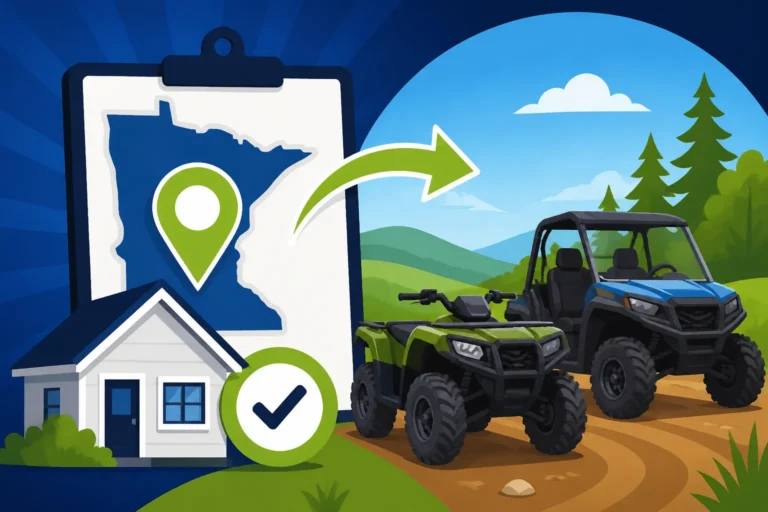
Navigating the world of off-highway vehicles for your kids in Minnesota can feel like a maze, especially when it comes to getting everything officially squared away. You’ve probably got questions swirling about whose name needs to be on the paperwork, what forms you actually need, and if the rules are different just because it’s a smaller machine. This guide is here to untangle all those knots, helping Minnesota parents and guardians understand exactly how to register a youth ATV or UTV so your young riders can hit the trails safely and legally.
Understanding the Specifics of Youth Machine Registration in Minnesota
It's easy to assume that a smaller machine, designed for a smaller rider, might have simpler rules. But in Minnesota, the state takes the safety and regulation of youth off-road vehicles seriously, which means a few specific considerations come into play during the registration process. It's not just about the size of the engine; it's about setting the stage for responsible riding from an early age.
Why Youth Machines Have Their Own Rules
Minnesota's approach to youth ATV and UTVs acknowledges that young riders, while enthusiastic, often lack the experience, judgment, and physical stature of adults. This isn't about stifling fun, but rather ensuring a safe environment for learning and growth. The "youth machine" designation often refers to vehicles with smaller engine displacements, designed with lower top speeds and lighter weights to match the capabilities of younger operators. These machines are intentionally built with safety features appropriate for their intended user, and the registration rules reflect this focus on protection and oversight.
The state wants to make sure that these machines are not just toys, but legitimate vehicles being operated responsibly. By having specific registration guidelines, it allows for better tracking, promotes compliance with safety training, and ultimately contributes to safer trails for everyone. It's a way for Minnesota to ensure that as your child develops their riding skills, they're doing so within a structured and secure framework. Ignoring these distinctions can lead to issues down the road, from legal hassles to more serious safety risks.
The Importance of Proper Registration for Young Riders
You might be thinking, "It's just for riding around our cabin property," or "My kid only uses it on grandpa's farm." But even if a youth machine primarily stays on private land, proper registration is often still a non-negotiable step in Minnesota. The state's regulations are quite broad, and understanding [Do You Need Registration on Your Own Minnesota Land?] is crucial. While there are some limited exemptions for machines used exclusively for certain agricultural or utility purposes on private land, for the vast majority of recreational use, registration is required if it leaves your personal property even once.
When a youth machine is properly registered, it's not just a formality; it's an acknowledgment of responsibility and adherence to state law. This ensures that the vehicle is recognized by the Department of Natural Resources (DNR) and law enforcement, which can be critical in situations like theft recovery or accident reporting. Without current registration, you could face penalties for an unregistered ATV in Minnesota if caught riding on public trails or designated private lands that require it. Think of it as laying a solid foundation for your child's off-road adventures, ensuring everything is above board from the get-go.
Whose Name Goes on the Registration for a Minor's ATV?
This is where things can get a little tricky for parents. Logically, you might think, "It's my kid's machine, so their name should be on it!" However, when it comes to official state registration and legal ownership, Minnesota law generally requires an adult to be the primary registrant for a youth ATV or UTV. This ensures that a legally responsible party is accountable for the machine's operation and compliance with all regulations.
Parent or Guardian as the Primary Registrant
In most cases, a parent or legal guardian will be the one registering the youth machine in their own name. This isn't just a suggestion; it’s usually a legal requirement because a minor generally cannot enter into a binding contract or legally own a registered vehicle in their own name. By putting the registration in your name, you're accepting legal responsibility for the machine, its use, and ensuring that any young operators comply with all Minnesota ATV and UTV laws, including safety training and age restrictions.
This responsibility extends to ensuring the machine is maintained, insured (even though ATV insurance isn't always mandatory in Minnesota, it's highly recommended), and operated within legal parameters. Should there ever be an incident involving the youth machine, the registered owner—the adult—will be the primary point of contact and potentially held accountable. It underscores the adult's role in supervising and guiding the young rider, fostering a culture of safety and adherence to rules.
Joint Ownership Considerations
Sometimes, families have unique situations where more than one adult might be involved in the purchase or supervision of a youth machine. Perhaps divorced parents are sharing the cost, or grandparents are providing a machine for their grandchild. In these scenarios, it is possible to have [A Minnesota Registration in Two Names]. This typically means both individuals would be listed as owners on the registration, sharing the legal responsibilities.
If you're considering joint ownership, it's important to discuss and clearly define who is primarily responsible for what, from paying for registration renewal to ensuring safety compliance. Having a clear understanding and potentially a written agreement, even an informal one, can prevent misunderstandings down the line. When dealing with official documents, the state will typically want the names of both legal adults who will share the ownership and responsibility, ensuring that accountability is shared.
The Role of a Bill of Sale for Youth Machines
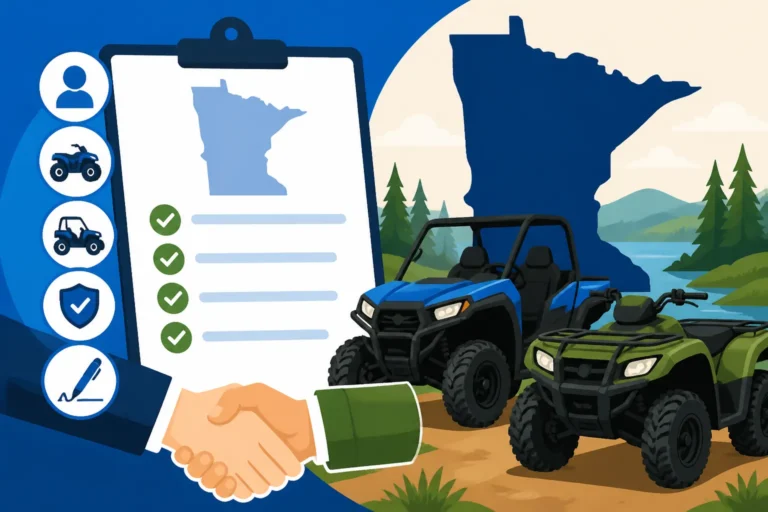
Even if you're buying a youth machine as a gift for your child, or from a family friend, a solid bill of sale is absolutely indispensable. This document serves as legal proof of ownership and is one of the foundational pieces of paperwork you'll need for registration. Without it, proving you actually own the machine can be incredibly difficult, making the registration process a headache, if not impossible. A bill of sale should clearly identify the buyer (the adult registrant), the seller, the machine's make, model, year, and crucially, its Vehicle Identification Number (VIN). [What a Minnesota Bill of Sale Should Carry] includes these critical details.
For families, even if the transaction feels casual, using a formal bill of sale protects both parties. It proves that you, the adult, are the legal owner, which is vital for the registration process. If you're looking for a reliable template, resources like LawDepot offer user-friendly forms that can help you create a comprehensive bill of sale, ensuring all the necessary legal language is included. It’s a small step that prevents big headaches and simplifies the rest of your registration journey.
Step-by-Step Registration Process for a Youth ATV in Minnesota
Once you understand why you need to register and whose name should be on the paperwork, the actual process itself is quite straightforward. It involves gathering some key documents, knowing where to go, and understanding the fees and sticker placement. Taking your time with each step ensures a smooth experience and gets your young rider on the trail faster.
Gathering the Necessary Documentation
Before you even think about heading to a registration office, you'll need to compile all your paperwork. This is perhaps the most critical part of the entire process, as missing a single document can send you right back home. Typically, the essentials include:
- Proof of Ownership: This is usually your bill of sale. If you bought it from a dealer, they'll often provide a manufacturer's statement of origin (MSO) or similar document. If it's a private sale, that clear, complete bill of sale (perhaps one you crafted with a template from LawDepot) is paramount.
- Identification: The adult registering the machine will need valid photo identification, like a driver's license or state ID.
- Previous Registration (if applicable): If you're registering a used machine that was previously registered in Minnesota, having the prior registration card can often expedite the process, though it's not always strictly required if you have other proof of ownership.
- Application Form: Many deputy registrar offices will have this on hand, but you can often find a printable version on the Minnesota DNR website.
Understanding [Documents a Minnesota Registrar Wants] ahead of time will save you a lot of grief and ensure you have everything prepared. It’s worth taking a moment to double-check that every piece of information on your bill of sale, especially the VIN, matches the machine exactly. Discrepancies here can cause significant delays.
Where to Complete the Registration
Minnesota offers several convenient options for registering your youth ATV or UTV. The most common and often preferred method, especially for new registrations, is visiting a local Deputy Registrar office. These offices handle vehicle registrations for many types of vehicles and are well-versed in the DNR's requirements for off-highway vehicles. You can find a list of [Deputy Registrars That Handle ATV Registration] on the DNR website, making it easy to locate one near you.
While some renewals can be handled [Registering Online Through Minnesota eLicense], a brand-new registration for a youth machine, particularly if it's your first time or if ownership is changing, almost always requires an in-person visit. This allows the registrar to verify your documents, collect signatures, and ensure all details are correctly entered into the system. It's a quick, efficient process once you have all your paperwork in order.
Understanding Fees and Stickers
When you register a youth machine in Minnesota, you'll be responsible for a registration fee. This fee is typically a flat rate and covers a three-year registration period. While specific amounts can change, it's wise to be prepared for the current [Minnesota ATV Registration Fee for Three Years]. The money collected from these fees plays a vital role in maintaining Minnesota's extensive trail system and supporting various DNR programs.
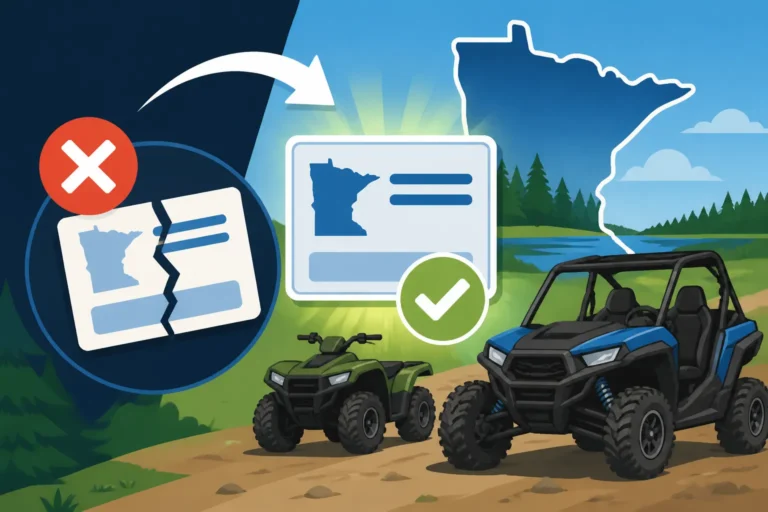
Once your registration is complete, you'll receive a new registration card and a set of decals (stickers). These decals are critical as they serve as visible proof of your valid registration. Minnesota law is quite specific about [Where a Minnesota ATV Registration Sticker Goes]. Generally, they need to be clearly displayed on the machine in a specific location, often on the front and rear, where they are easily visible to conservation officers or other law enforcement personnel. Make sure to affix them according to the instructions provided to avoid any issues or potential penalties.
Beyond Registration: Safety, Training, and Riding Rules for Youth
Registering your youth machine is a crucial first step, but it's just the beginning of responsible ATV/UTV ownership in Minnesota. The state has a strong emphasis on safety, especially for young riders, and there are additional requirements and recommendations that parents and guardians need to be aware of to ensure a safe and enjoyable experience.
Minnesota's ATV Safety Training Requirements for Young Riders
This is perhaps one of the most important aspects for parents of young riders. Minnesota has specific mandates for ATV safety training, designed to equip young operators with the knowledge and skills necessary to ride safely. Generally, [Minnesota's ATV Safety Training Requirement] applies to anyone born after a certain date (often July 1, 1987) who wishes to operate an ATV or UTV on public lands and trails. However, for youth, the requirements are even more stringent.
Typically, riders aged 12 and older must complete an approved ATV safety training course before operating on public lands. This often includes both an online knowledge component and a hands-on riding portion. These courses cover everything from basic operation and maintenance to safe riding practices, environmental awareness, and adherence to trail rules. Ensuring your child completes this training is not just about legal compliance; it's about instilling a lifelong habit of safe riding and protecting them from potential hazards.
Age Restrictions and Accompanied Riding Rules
Minnesota has clear guidelines regarding [Minnesota Age Rules for Young Riders] and who can operate an ATV or UTV on public lands, and often, what kind of supervision is required. These rules are in place to match the machine's capabilities with the rider's developmental stage. For instance, children under a certain age (e.g., 10 or 12, depending on the machine class) are often restricted from operating ATVs on public lands or trails.
Even when older youth are permitted to ride, there are often rules about accompanied riding, meaning a parent or legal guardian must be present and supervising them. This supervision might mean riding on a separate machine or being within visual contact at all times. These rules are designed to gradually introduce young riders to the complexities of off-road operation, allowing them to gain experience under the watchful eye of an adult. Always check the latest DNR regulations for specific age cutoffs and supervision requirements, as these can sometimes vary by machine class (Class 1 vs. Class 2).
Helmet and Protective Gear Mandates
Safety gear isn't just a good idea; for young riders in Minnesota, specific items are legally required. The state has a helmet law, particularly stringent for minors. [Minnesota Helmet Rules for Riders Under 18] generally mandate that anyone under the age of 18 must wear an approved helmet when operating or riding as a passenger on an ATV or UTV, whether on public or private land.
Beyond the helmet, it's highly recommended, and often wise, to equip young riders with other protective gear, including eye protection (goggles), gloves, long pants, a long-sleeved shirt, and sturdy boots that cover the ankles. This gear provides crucial protection against impacts, abrasions, and debris. As parents, leading by example and wearing your own protective gear reinforces the importance of safety for your children. Investing in good quality, properly fitting gear is just as important as the machine itself.
Other Important Considerations for Parents
Beyond the official registration, safety training, and gear, there are a few other critical areas parents should consider for youth machines:
- Insurance: While ATV liability insurance isn't always mandatory in Minnesota for private land use, it's a wise investment, especially for machines that will be ridden on public trails. Your homeowner's policy might offer limited coverage, but a dedicated ATV policy provides much more comprehensive protection. Understanding [Insuring an ATV in Minnesota] can help you make an informed decision and protect your family from financial risk in case of an accident.
- Supervision: Even with training and protective gear, constant adult supervision is paramount for young riders. This means actively monitoring their riding, reinforcing safe behaviors, and intervening when necessary.
- Maintenance: A well-maintained machine is a safe machine. Regularly inspect tires, brakes, lights, and fluids. A pre-ride check should become a routine for both you and your young rider.
- Ethical Riding: Teach your children about respectful riding, staying on marked trails, protecting the environment, and being courteous to other trail users. It's about developing a responsible approach to the privilege of off-road riding.
By addressing all these aspects, you’re not just ensuring legal compliance, but fostering a generation of safe, responsible, and environmentally conscious off-road enthusiasts.
| Aspect | Youth Machine Registration (Minnesota) | Adult Machine Registration (Minnesota) |
|---|---|---|
| Registrant Name | Typically parent or legal guardian (adult) | Owner (can be adult, business) |
| Proof of Ownership | Bill of Sale (LawDepot template recommended) or MSO | Bill of Sale or MSO |
| Registration Period | Three years | Three years |
| Safety Training | Often mandatory for riders 12+, specific rules apply | Mandatory for those born after July 1, 1987 (for public land) |
| Helmet Law | Mandatory for operators/passengers under 18 | Mandatory for operators/passengers under 18 |
| Supervision Rules | Age-specific accompanied riding rules often apply | General rules apply, no specific supervision for adults |
| Location | Deputy Registrar offices (new registration), online (renewal) | Deputy Registrar offices, online (renewal) |
| Internal Links | [Minnesota Age Rules for Young Riders], [Minnesota Helmet Rules for Riders Under 18] | [Minnesota DNR ATV Registration Explained], [Registering Online Through Minnesota eLicense] |
Disclaimer
This article is for general informational purposes only and does not constitute professional advice. Laws, prices and regulations vary by location and change over time. Consult a qualified professional for guidance on your specific situation.