How Minnesota Clubs Apply for Trail Money
Minnesota ATV clubs often plan and maintain trails, while a local government sponsor submits grant requests and manages approved trail funds.
Your sticker stops at the state line.
Non-resident permits, what they cost and how long they last, and which states honor each other’s — or, increasingly, none at all.
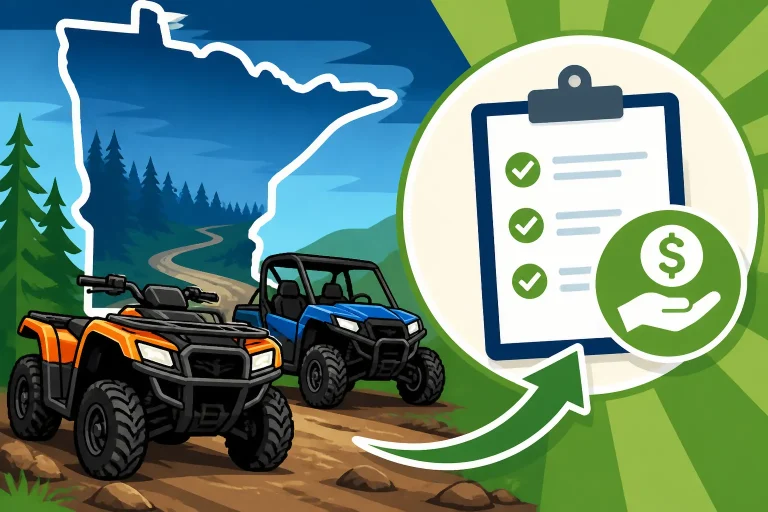
Minnesota ATV clubs often plan and maintain trails, while a local government sponsor submits grant requests and manages approved trail funds.
Minnesota Grant-in-Aid grants support approved public trail work; clubs should coordinate with local sponsors and confirm eligibility before starting projects.
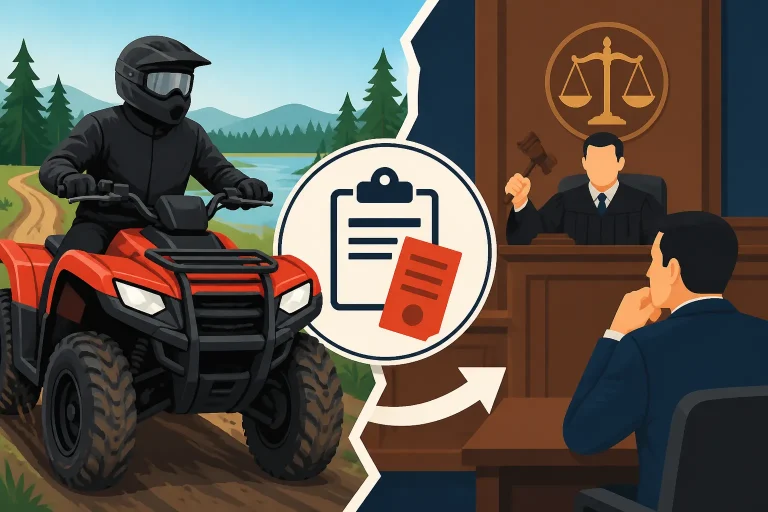
Taking an ATV citation to court in Minnesota starts with meeting deadlines, understanding the allegation, preserving evidence, and preparing a focused response.
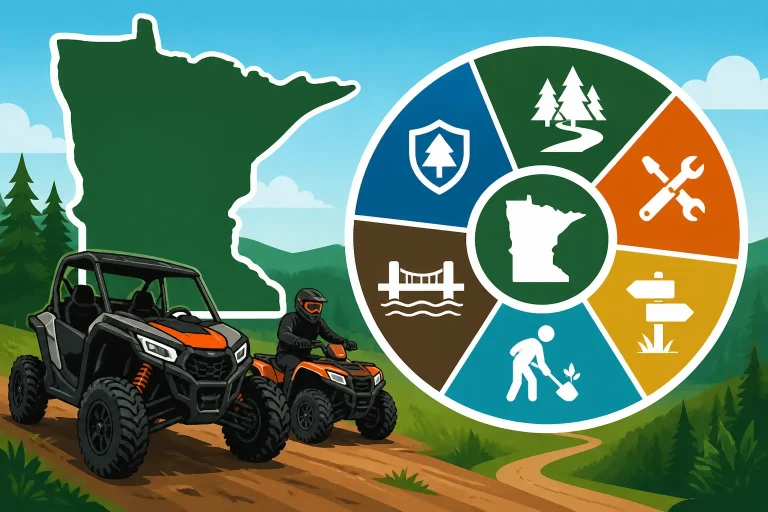
Minnesota trail-pass revenue supports trail maintenance, grants and program work, but it does not go directly to the route a rider chooses.
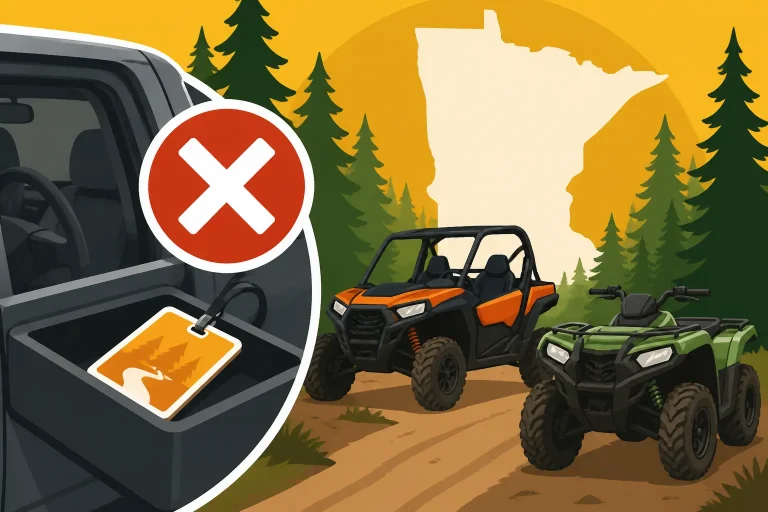
Minnesota trail pass requirements explain when off-highway vehicle passes must be carried, shown to officers, or displayed on vehicles.
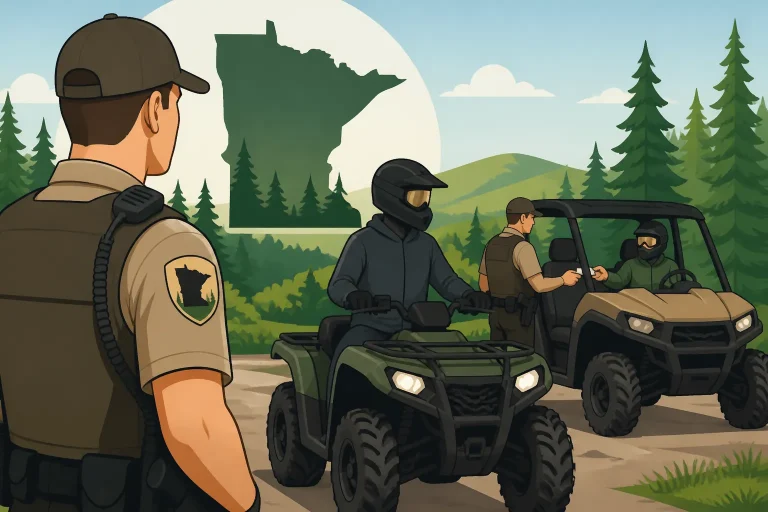
Minnesota ATV checkpoints can involve registration, trail passes, safety training and riding conduct; prepare relevant proof and respond calmly.
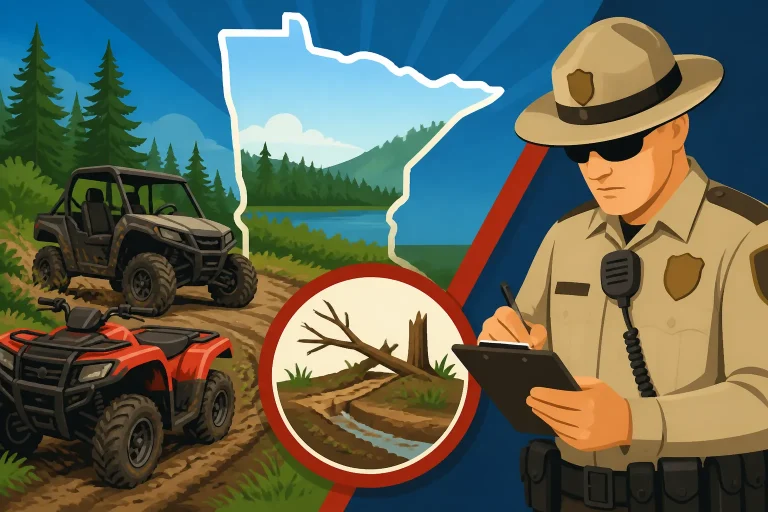
Minnesota resource-damage citations can involve more than a fine; understand the allegation, follow response instructions and stay on open, marked ATV routes.
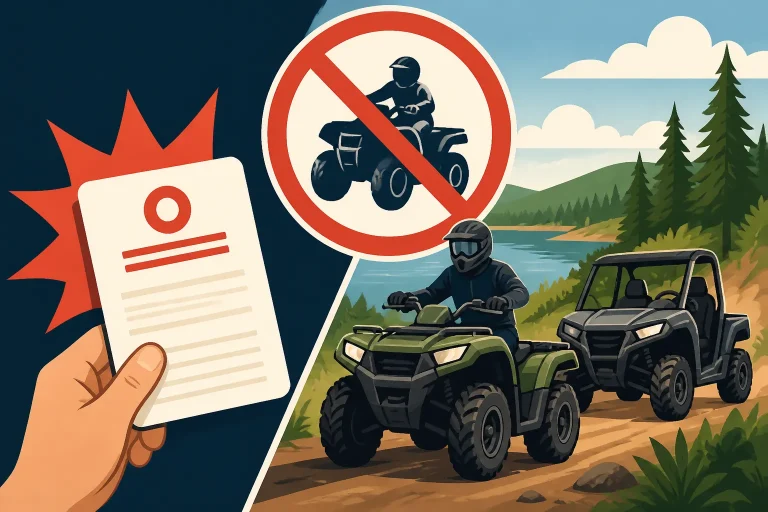
Minnesota ATV pass requirements depend on the machine and trail; check both before riding to avoid a citation and separate registration or access violations.
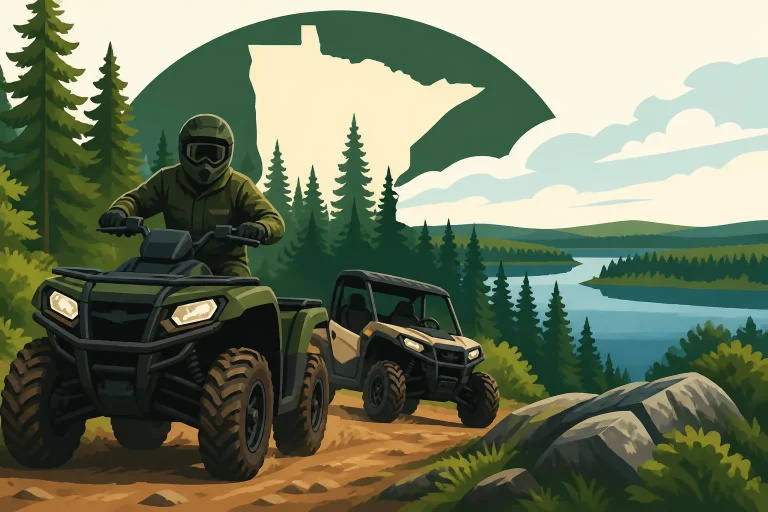
ATV riding near the Boundary Waters requires checking land-use rules, vehicle registrations, and trail passes for each specific route.
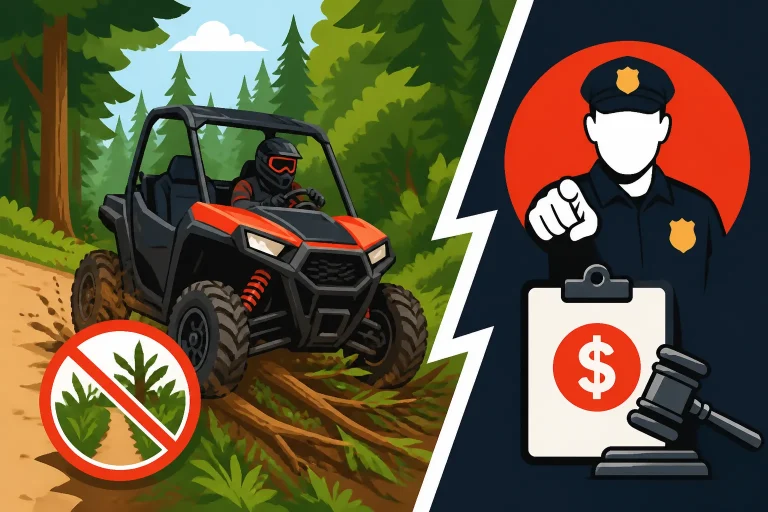
Minnesota riders who leave an ATV trail may face citations, trespass complaints, or repair costs; stay on marked routes and verify closures.