Minnesota ATV Rules During Deer Season
Hunting season in Minnesota, especially deer season, brings a unique blend of excitement and complexity for ATV and UTV owners. While the thought of using your machine to access remote hunting spots or pack out that trophy buck is incredibly appealing, the regulations surrounding ATV use during this time can feel like a dense thicket of rules. This guide is here to untangle those complexities, helping you understand exactly where, when, and how you can legally and safely use your ATV or UTV while hunting deer in the Land of 10,000 Lakes.
Navigating Public Versus Private Land Rules
One of the biggest sources of confusion for Minnesota hunters is understanding the difference in ATV/UTV regulations between public lands, like state forests and Wildlife Management Areas (WMAs), and private property. It's not a one-size-fits-all situation, and what's perfectly acceptable in one location could land you a hefty fine in another. Knowing these distinctions is your first step to a stress-free hunting season.
Public Land Access and Restrictions
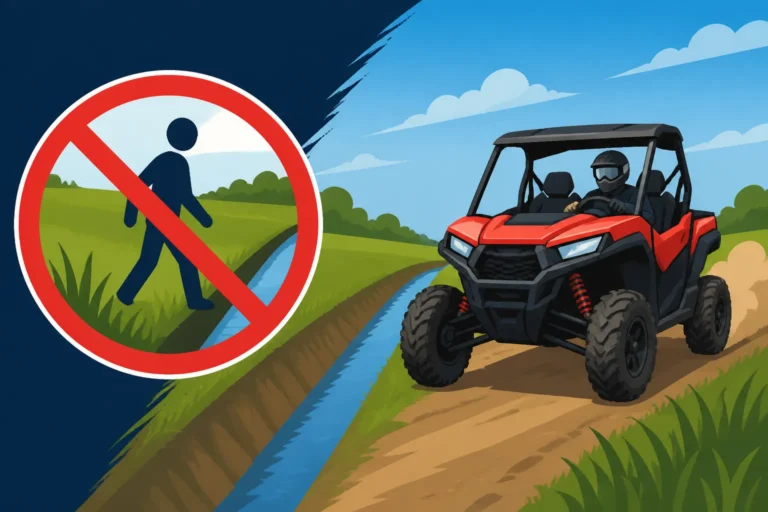
Public lands in Minnesota, managed by the Department of Natural Resources (DNR) or other agencies, are fantastic resources for hunters. However, they come with specific rules regarding motorized vehicle use, particularly during hunting seasons. Generally, ATVs and UTVs are restricted to designated trails and routes within state forests and other public areas. These are the same trails you might use for recreational riding outside of hunting season. The key is "designated." You can't just drive off-trail to get to your favorite stand, even if you think it's just a short hop. This is crucial for protecting fragile ecosystems and preventing resource damage. Always check the specific area's map and regulations before heading out. Sometimes, certain areas within a larger public land tract might have additional restrictions, especially during deer season, to minimize disturbance to wildlife or other hunters.
Wildlife Management Areas (WMAs) are a prime example of public lands with often stricter rules. These areas are specifically managed for wildlife habitat and public hunting, and motorized vehicle access is typically much more limited. In many WMAs, ATVs and UTVs are restricted to established parking lots and designated access routes only, often to retrieve downed game. "Designated access routes" rarely means driving through the woods. It often means a specific two-track lane or mowed path. You generally cannot ride into the interior of a WMA with your machine, even to set up a deer stand or scout. The intent behind these rules is to maintain the quiet solitude essential for wildlife and to ensure a fair chase for hunters. Always consult the specific WMA regulations, which can often be found on the DNR website or posted at kiosks on site. Ignoring these rules can lead to serious penalties, not just for ATV violations but also for potential resource damage. For a broader understanding of how these areas are managed, you might want to look into [Minnesota Rules on Wildlife Management Areas].
Private Property and Permission
When it comes to private land, the rules shift dramatically. On your own property, you generally have a lot more leeway regarding ATV and UTV use for hunting purposes. You can drive off-trail, access stands, and retrieve game as you see fit, provided you're not violating any other state laws (like those pertaining to careless operation or environmental protection). The beauty of owning your own slice of hunting heaven is the freedom it affords. However, it’s still wise to operate safely and responsibly to prevent accidents or damage to your land. For instance, using your machine to plow deep mud holes repeatedly can lead to erosion issues over time, even on your own property.
If you're hunting on private land that isn't your own, things get a bit more complicated. You must have explicit permission from the landowner to be there, and that permission should ideally extend to your use of an ATV or UTV. Just because a landowner says you can hunt there doesn't automatically mean you can bring your side-by-side and drive wherever you please. It's always best to have a clear conversation with the landowner about your intended use of a motorized vehicle. Some landowners might be perfectly fine with it, while others might prefer you stick to specific trails or use your machine only for game retrieval. Respecting their wishes is paramount to maintaining a good relationship and ensuring you can continue to hunt there in the future. Remember, [Minnesota Trespass Law for Riders] applies whether you're hunting or just trail riding.
Specific Gear and Safety Requirements for Deer Season
Hunting season, especially the firearms deer season, adds layers of safety considerations that go beyond typical recreational ATV riding. Visibility, proper firearm transport, and having the right equipment for adverse conditions are all critical. Ignoring these can not only be illegal but also dangerous.
Blaze Orange Requirements and ATV Use
Blaze orange is not just a suggestion during Minnesota's firearms deer season; it's often a legal requirement. For hunters, the rules typically mandate a certain amount of blaze orange to be worn, usually on outer clothing above the waist, visible from all directions. When you're operating an ATV or UTV on public land during deer season, or even on private land where other hunters might be present, these visibility rules are still critical and sometimes extend to the machine itself. While there might not be a specific law stating your ATV must have blaze orange, it's an incredibly wise safety measure. Many riders attach blaze orange flags, banners, or even reflective tape to their machines to increase visibility, especially if they are moving through wooded areas or across fields.
Think about the scenario: you're driving your side-by-side down a two-track trail in a state forest. Another hunter, focused on deer, might not immediately distinguish your vehicle from natural cover, especially in low light conditions. A bright blaze orange flag waving above your machine, perhaps a SuperATV UTV flag mount with a high-visibility flag, could make all the difference. Beyond the machine, you and any passengers must meet the personal blaze orange requirements. This means wearing your vest or jacket while riding the ATV to and from your hunting spot. Don't just throw it on once you get off. The journey itself needs to be safe. It's about being seen and recognized as a human, not mistaken for game. Getting to and from your stand safely is just as important as the hunt itself, and [Blaze Orange on a Deer Season Ride] is a non-negotiable part of that safety equation.
Firearm and Ammunition Transport
Transporting firearms on an ATV or UTV during deer season is subject to specific rules designed to ensure public safety. In Minnesota, a firearm (rifle, shotgun, handgun) being transported on a motor vehicle, including an ATV or UTV, must be unloaded and encased. "Unloaded" means there's no ammunition in the chamber, magazine, or clip that is attached to the firearm. "Encased" means it's in a gun case, even if it's a soft case, or completely contained in the enclosed portion of a vehicle. This applies whether you're on public roads, designated trails, or even most private lands (unless the landowner has specific, more relaxed rules for their property, which is rare for motorized transport).
The intent here is clear: prevent accidental discharge and deter poaching. You cannot legally ride your ATV through the woods with a loaded rifle across your lap or strapped openly to the racks. Quality gun scabbards or hard cases designed to attach securely to your ATV or UTV are excellent investments. They protect your firearm from the elements and rough terrain while keeping it legal. Ensure your scabbard or case completely encloses the firearm, preventing quick access while riding. Ammunition should be stored separately, ideally in a closed container. These rules remain in effect even if you have a permit to carry a pistol; when transporting it on an ATV, it must be unloaded and encased. Familiarizing yourself with [Carrying a Firearm on an ATV in Minnesota] is essential for avoiding legal trouble.
Transporting Game and Firearms
Once you've successfully harvested a deer, the next challenge is getting it out of the woods. ATVs and UTVs can be invaluable tools for game retrieval, saving hunters from back-breaking drags. However, even this process has rules, especially concerning public visibility and legal transport.
Packing Out a Deer by Machine
Using your ATV or UTV to pack out a deer can be a real game-changer, especially for larger bucks or when hunting deep in the woods. The regulations here primarily revolve around legal access and proper tagging. On most public lands, if you are on a designated trail, you can generally use your machine to retrieve game. However, you cannot go off-trail into areas closed to motorized vehicles, even if your deer drops just 50 yards from the trail. You'll still need to physically drag the deer to the nearest accessible trail or route. This can be frustrating, especially when you're tired and excited, but it's a rule designed to protect natural resources. Some WMAs or state forests might have specific "game retrieval routes" that are only open during certain periods of deer season and solely for the purpose of removing harvested animals. Always check local signs or the DNR website for these specific rules.
When you do retrieve your deer, ensure it is properly tagged before you move it with your machine. The tag must be attached according to DNR specifications, typically to the deer's leg or antler, and remain with the carcass until processing. Transporting an untagged deer, even a short distance, can lead to serious poaching charges. For larger machines, like a UTV, you might have cargo beds or even a dedicated hitch-mounted game carrier. For ATVs, a sturdy rear rack with proper tie-downs is crucial. You might consider accessories like a heavy-duty winch from a brand like SuperATV to help load a heavy deer onto your machine, especially if you're hunting alone. Being prepared for [Packing Out a Deer by Machine] makes the experience much smoother and more enjoyable.
Rules for Transport on Public Roads
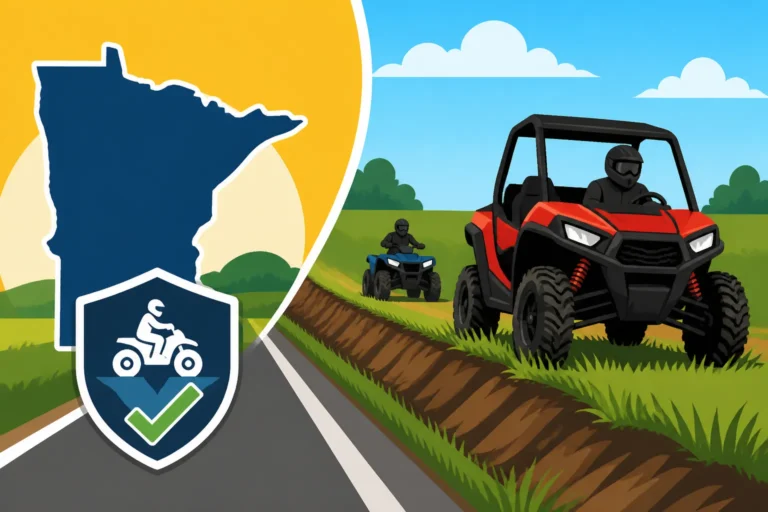
Once you've retrieved your deer from the field and are heading home, you'll likely encounter public roads. Minnesota has specific rules about transporting deer (and other game) on or across public roads with an ATV or UTV. While ATVs and UTVs generally have very limited access to public roads in Minnesota, primarily restricted to crossing roads or riding shoulders in specific instances (often called ditch riding), these rules still apply. When a deer is on your machine, it should be visible enough for law enforcement to confirm it's tagged and legally harvested. This means not completely covering it up in a way that obscures the tag or the species. The deer should also be securely fastened to prevent it from shifting or falling off, which could create a road hazard.
The overarching principle here is transparency and safety. Conservation officers often patrol during hunting season, and they will be looking for legally tagged game. Having your deer prominently displayed, with the tag clearly visible, makes their job easier and prevents you from being stopped for an unnecessary inspection. If you're on a multi-day hunt and storing your deer, ensure it's kept in a way that respects game preservation laws, often requiring cooling. For longer hauls, you'll likely be trailering your ATV or UTV with the deer still attached, or the deer might be transferred to a separate cooler or vehicle for transport. The DNR website or local conservation officer can provide clarity on any specific regional rules for game transport.
Common Misconceptions and Penalties
With so many rules and regulations, it's easy for misconceptions to take root. Clarifying these common misunderstandings and understanding the potential penalties for violations is crucial for any responsible ATV/UTV hunter in Minnesota. Ignorance of the law is never an excuse.
Misconceptions About ATV Use and Hunting
One pervasive misconception is that during hunting season, especially deer season, "all bets are off" regarding where you can ride your ATV. Many believe that if you're actively hunting, the usual trail restrictions or off-road prohibitions are somehow suspended. This is absolutely not true. As mentioned, public land rules, particularly those restricting motorized vehicles to designated trails, remain firmly in place. You cannot use your ATV to scout new areas off-trail, chase wounded game (unless specifically allowed under very limited circumstances for recovery, and even then, usually not with a machine), or simply cut cross-country to save time. These actions can damage habitat, disturb other hunters, and lead to citations.
Another common misunderstanding revolves around the "necessity" of an ATV for hunting. While a machine is incredibly convenient, it's not a license to bend the rules. Just because it would be easier to drive to your stand doesn't make it legal if the area is closed to motorized traffic. Some hunters also mistakenly believe that if they have a disabled hunter permit, all ATV restrictions are lifted. While such permits often grant specific accommodations, they typically don't give carte blanche to ignore fundamental motorized vehicle access rules on public lands. Always clarify the exact scope of any special permits with the DNR. It's also easy to think that if you're just "driving slowly" or "only going a short distance," you won't get caught. Conservation officers are often out in full force during hunting season, and they know the common areas where violations occur. Understanding your limits, and equipping your machine with proper navigation tools (like GPS with trail maps, perhaps even custom mounts for your SuperATV accessories to hold a tablet), can prevent you from inadvertently straying off legal routes.
Penalties for Violations
The penalties for violating Minnesota's ATV and UTV rules during deer season can range from minor citations to significant fines, confiscation of equipment, and even loss of hunting privileges. Simple violations, like riding off a designated trail in a state forest, might result in a substantial fine for an illegal off-road vehicle operation. Repeat offenses or more severe transgressions, such as driving an ATV into a WMA where motorized vehicles are strictly prohibited, could lead to higher fines, a misdemeanor charge, and potentially the seizure of your ATV. Additionally, if your ATV use is linked to other hunting violations, such as poaching or illegal take, the consequences can become much more severe, including felony charges and a lengthy ban from hunting.
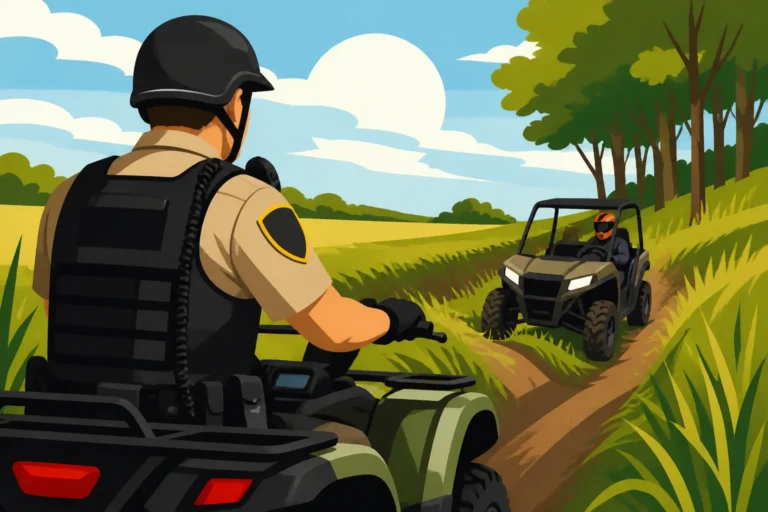
Conservation officers have a wide range of enforcement tools at their disposal. They can issue warnings, write tickets, and even investigate more serious offenses. Remember that conservation officers are peace officers and have the authority to stop and inspect your vehicle and your game. Be respectful, cooperative, and always carry your [Do You Carry Papers on a Minnesota Trail?] such as your ATV registration, hunting license, and any necessary permits. Losing your hunting privileges for a season or longer is a devastating consequence for any avid hunter, and the financial penalties can be significant. A little preparation and adherence to the rules can save you a lot of headache and expense down the road. Understanding what a [Minnesota Conservation Officer Enforcement in Minnesota] involves will help you navigate any encounters calmly and correctly.
| Aspect of ATV Use | Public Land (State Forests) | Public Land (WMAs) | Private Land (Owned/Permitted) |
|---|---|---|---|
| Trail Access | Restricted to designated trails | Highly restricted, usually only parking lots/specific access routes | Generally unrestricted by state law, defer to landowner |
| Off-Trail Driving | Prohibited | Prohibited | Permitted with landowner consent |
| Blaze Orange on Rider | Required during firearms season | Required during firearms season | Required during firearms season (if another hunter might be present) |
| Blaze Orange on Machine | Highly recommended (flags, tape) | Highly recommended (flags, tape) | Recommended |
| Firearm Transport | Unloaded and encased | Unloaded and encased | Unloaded and encased (unless specific landowner rules apply) |
| Ammunition Storage | Separate from firearm | Separate from firearm | Separate from firearm |
| Game Retrieval | On designated trails only | Specific retrieval routes/parking lots (check WMA rules) | Permitted with landowner consent |
| Tagging Deer | Required before moving | Required before moving | Required before moving |
| Road Crossing/Ditch Riding | Subject to general ATV road rules | Subject to general ATV road rules | Subject to general ATV road rules |
| Conservation Officer Stops | Likely and authorized | Likely and authorized | Authorized if suspected violation |
Disclaimer
This article is for general informational purposes only and does not constitute professional advice. Laws, prices and regulations vary by location and change over time. Consult a qualified professional for guidance on your specific situation.