Minnesota Helmet Rules for Riders Under 18
Navigating the world of ATV and UTV riding with children can feel like a minefield of regulations, especially when it comes to safety gear. Many parents in Minnesota find themselves scratching their heads, wondering exactly what the law requires for their young riders, particularly regarding helmets. The confusion is real: does it apply on private land? What about passengers? This comprehensive guide is here to untangle Minnesota's helmet rules for riders under 18, ensuring you and your family can enjoy the trails safely and legally, without any lingering doubts.
The Foundation: Minnesota's General Helmet Law for Minors
Minnesota takes the safety of its youngest off-highway vehicle (OHV) enthusiasts very seriously, and this commitment is perhaps most evident in its strict helmet laws for minors. These aren't just suggestions; they are legally mandated requirements designed to protect those who are most vulnerable on the trails. Understanding the core of this law is the first step toward responsible riding.
The "Under 18" Rule Defined
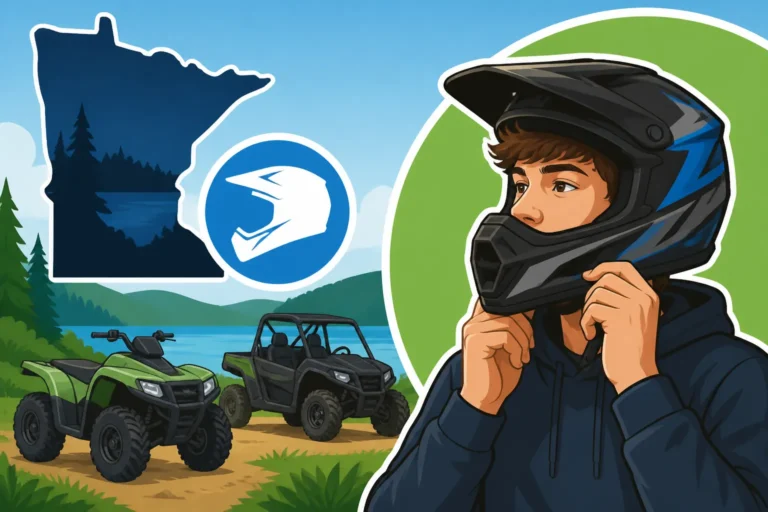
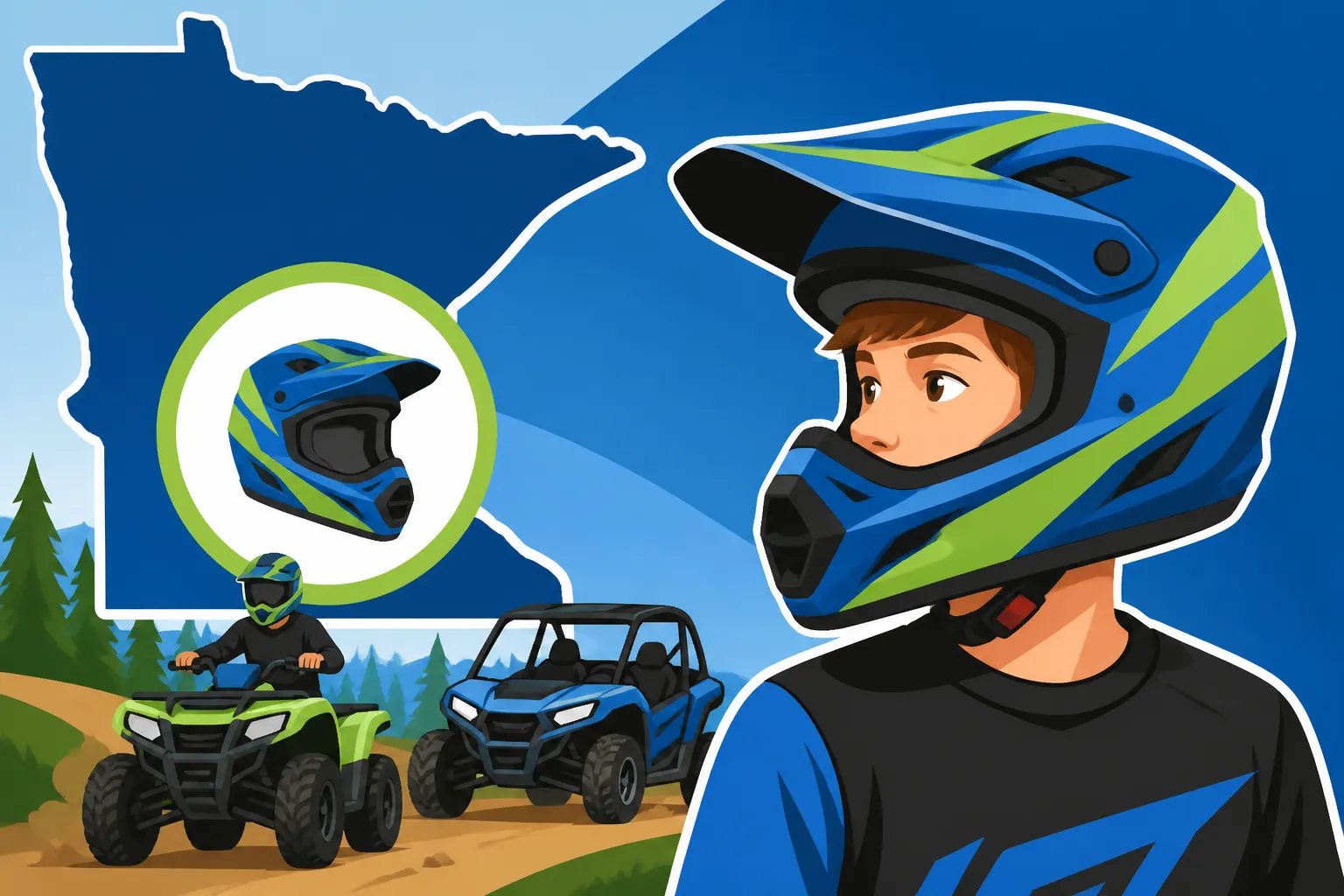
At its heart, Minnesota's helmet law for ATVs and UTVs states unequivocally that any operator or passenger under the age of 18 must wear a DOT-approved helmet while riding on public land or public rights-of-way. This isn't a guideline that offers flexibility; it's a hard and fast rule. The "under 18" cutoff means that from the moment a child first sits on a machine until the day they turn 18, a helmet is legally required in most riding situations. This includes not just designated trails but also ditches, shoulders, and any other area considered part of the public right-of-way. The intent behind this strict age mandate is clear: to provide a critical layer of protection for developing brains and bodies, which are inherently more susceptible to severe injury in the event of an accident. While adults have the choice to forgo a helmet in many situations, for minors, that choice is removed in favor of their safety.
This rule stands as a stark difference from the regulations that apply to adults, which often allow for discretion in helmet use once riders reach 18 years of age. For a parent, grandparent, or guardian, this means there's no grey area when it comes to a minor in their care. The responsibility falls directly on the supervising adult to ensure compliance. It's not just about avoiding a ticket; it's about adhering to a fundamental safety principle. Failing to follow this rule can lead to legal consequences, but more importantly, it leaves a child exposed to preventable and potentially life-altering injuries.
Who Is Affected: Operators and Passengers
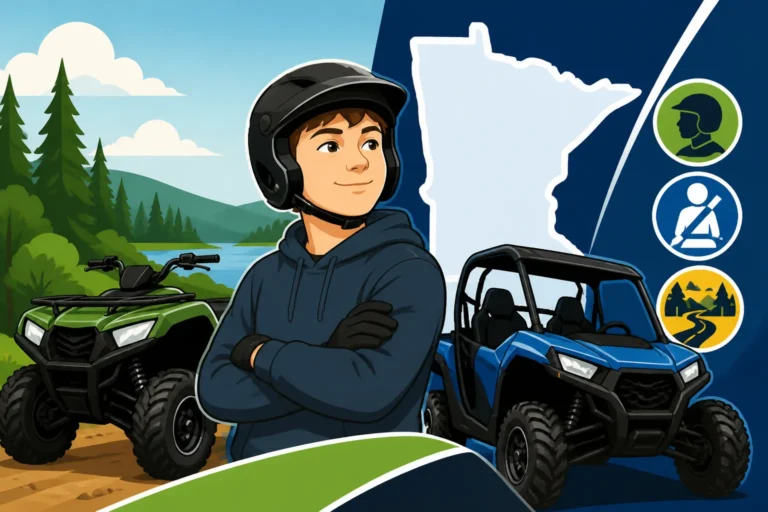
It's a common misconception that helmet laws only apply to the person actively driving the ATV or UTV. However, Minnesota's regulations are far broader, specifically covering both the operator and any passenger who is under the age of 18. This means if you have a 16-year-old operating a side-by-side and their 12-year-old sibling riding shotgun, both individuals are legally required to be wearing a DOT-approved helmet. The law doesn't differentiate between the roles; it focuses solely on the age of the individuals on the machine.
Consider a scenario where a parent is riding their ATV with their 10-year-old child as a passenger on the back seat (assuming the machine is designed for two riders). In this instance, even though the parent is over 18 and may not be legally required to wear a helmet themselves in certain situations, their child, being under 18, absolutely must wear one. The same principle applies if an older minor, say a 17-year-old, is driving a UTV with a younger minor as a passenger. Both are subject to the helmet law. This comprehensive approach ensures that all young people on an OHV are afforded the same level of crucial head protection, regardless of whether they're steering the machine or just along for the ride. Parents and guardians must always factor this into their planning, ensuring enough correctly sized, approved helmets are available for every minor joining an excursion.
Why Helmets Are Non-Negotiable for Youth Riders
While the law dictates helmet use for minors, understanding the "why" behind this rule underscores its critical importance. It’s not simply a bureaucratic formality; it’s a vital measure born from a deep understanding of human physiology and the inherent risks of off-road riding, especially for younger individuals.
The Vulnerability of Young Riders
Children and adolescents are not simply smaller versions of adults; their bodies and brains are still very much in development, making them uniquely vulnerable to injury in ATV and UTV accidents. For starters, a child's skull is not fully fused or as thick as an adult's, offering less natural protection to the brain. Their neck muscles are also weaker, making them more susceptible to whiplash and severe head trauma from sudden impacts or jolts. What might be a jarring bump for an adult could translate into a serious concussion or worse for a child.
Beyond physical development, young riders often lack the fully developed spatial awareness, judgment, and rapid reaction times that come with age and experience. They might misjudge speeds, distances, or obstacles on a trail, leading to unforeseen hazards. A child's natural curiosity and tendency to take risks can also contribute to dangerous situations. In a high-speed environment or challenging terrain, these developmental differences can be the deciding factor between a minor mishap and a catastrophic injury. A helmet acts as the last line of defense, absorbing and distributing impact forces that would otherwise directly affect the delicate brain, significantly reducing the severity of potential head injuries. This is why for children, a helmet isn't just a piece of gear; it's a vital safety system.
Crash Statistics and Preventable Injuries
The statistics surrounding ATV and UTV accidents involving minors are sobering and emphatically underscore the importance of helmet use. Head injuries are among the most common and devastating consequences of OHV crashes, especially for children. Without a helmet, a rider's head is completely exposed to impact with the ground, rocks, trees, or even the machine itself during a rollover or ejection. Such impacts can lead to traumatic brain injuries (TBIs), which range from concussions to severe, permanent neurological damage, coma, or even death.
Studies consistently show that helmets significantly reduce the risk of head injuries and fatalities in ATV accidents. While no helmet can prevent all injuries, a properly worn, DOT-approved helmet can reduce the risk of head injury by a substantial margin. For children, whose brains are still developing and recovering from injury can be a much longer and more complicated process, this protection is invaluable. Think about a common scenario: a minor loses control on a turn, the machine rolls, and they are thrown. Without a helmet, their head is directly exposed to impact, which could result in a skull fracture or a severe concussion. With a helmet, those forces are diffused, potentially turning a life-threatening injury into a minor one, or even preventing it entirely. For further insights into the long-term impact of such incidents, it's worth reviewing information on [Minnesota ATV Injury Claims]. These numbers and real-world scenarios are precisely why Minnesota's law makes helmets non-negotiable for anyone under 18, turning a critical safety recommendation into a legal requirement.
Understanding DOT-Approved Helmets in Minnesota
When Minnesota law specifies that minors must wear a helmet, it's not just any helmet. It specifically mandates a "DOT-approved" helmet. This isn't an arbitrary detail; it refers to a crucial safety standard that ensures the helmet provides a minimum level of protection. Choosing the right helmet, and understanding what makes it "approved," is fundamental to complying with the law and, more importantly, protecting your child.
What "DOT Approved" Truly Means
The term "DOT approved" refers to helmets that meet the safety standards set by the U.S. Department of Transportation (DOT), specifically Federal Motor Vehicle Safety Standard (FMVSS) 218. When you see a helmet with a DOT sticker on the back, it signifies that the manufacturer certifies the helmet can withstand specific impact forces, penetration, and has a certain field of vision. This standard is designed to ensure that the helmet provides effective protection against head injuries in various crash scenarios. It's a rigorous testing process that evaluates factors like how much energy the helmet can absorb, how well it resists sharp objects, and how securely it stays on the wearer's head during an impact.
The dangers of opting for non-DOT helmets, often referred to as "novelty helmets," cannot be overstated. These helmets, while sometimes stylish or less bulky, offer little to no real protection in a crash. They are not designed to absorb impact energy or prevent penetration. Wearing one might technically look like compliance, but it provides a false sense of security and leaves the wearer just as vulnerable as if they were wearing no helmet at all. A quick check for the DOT certification sticker, usually located on the back of the helmet, is a non-negotiable step before any minor puts it on. You can learn more about these specific requirements by checking information like [DOT Helmet Ratings Minnesota Accepts]. Always prioritize true safety over aesthetics or comfort when it comes to head protection for young riders.
Sizing and Fit: More Than Just the Law
Even a DOT-approved helmet is only as effective as its fit. A helmet that is too large can shift during a ride or, critically, in an impact, exposing vulnerable areas of the head. One that is too small will be uncomfortably tight, distracting the rider, and likely won't be worn correctly anyway. Achieving a snug, yet comfortable, fit is paramount for maximum protection and rider focus. When trying on a helmet for a child, ensure it sits level on their head, not tilted back or forward. The helmet should feel snug all around, with no pressure points.
A good test is the "shake test": with the chin strap securely fastened, gently shake the child's head from side to side and front to back. The helmet should move with their head, not slide independently. If the helmet slides around, it's too big. Conversely, if it causes immediate pain or leaves deep red marks after a short wear, it's likely too small. Remember that children grow quickly, so a helmet that fit perfectly last season might be too small this year. Regularly check the fit and be prepared to invest in a new helmet as your child grows. Different brands and models can have slightly different internal shapes, so trying on several options is always a good idea. Brands like SuperATV offer a range of helmets, and checking their sizing guides, or those of other reputable manufacturers, can help you find the right fit that protects effectively, regardless of the brand.
Scenarios Where the Helmet Rule Applies to Minors
Understanding when Minnesota's helmet rule for minors applies is just as crucial as knowing what the rule is. Many riders, and parents, make assumptions about where the law does and doesn't reach, sometimes to their detriment. Clarity on these scenarios ensures full compliance and safety.
Public Lands and Grant-in-Aid Trails
The most straightforward application of Minnesota's helmet law for minors is on public lands and the state's extensive network of grant-in-aid trails. These are the places most commonly associated with recreational ATV and UTV riding, and they are rigorously patrolled by conservation officers and local law enforcement. Whether you're exploring the Iron Range OHV Area, navigating the Nemadji State Forest, or traversing the Soo Line North Trail, if a minor (under 18) is operating or riding as a passenger on an OHV, a DOT-approved helmet is mandatory. There are no exceptions for these areas, regardless of the machine type or the minor's experience level.
Conservation officers are well-versed in these regulations and frequently conduct checks. Getting caught with an unhelmeted minor on these trails will almost certainly result in a citation, and it signals a serious breach of safety protocol. The fees for these infractions can be significant, but the potential for injury without the proper head protection is the far greater concern. These trails are maintained with funding that often comes from registration and trail pass fees, and in return, riders are expected to adhere to all safety regulations. For more detail on these riding areas, you can consult resources like [Minnesota's Grant-in-Aid Trail System]. Always double-check that every young rider has their helmet securely fastened before hitting these public trails.
Riding on Road Ditches and Right-of-Ways
This is an area that often causes confusion, but Minnesota's law is clear: riding an ATV or UTV in road ditches, on shoulders, or on other public rights-of-way is considered public use, and therefore the helmet law for minors applies unequivocally. Many rural areas in Minnesota allow for ditch riding, which can seem less formal than designated trails, leading some to believe safety regulations might be relaxed. This is a dangerous assumption. Any area that is public property, or accessible to the public, falls under the purview of the state's OHV regulations.
Imagine a scenario where a family is riding their UTV along a county road ditch to access a nearby trail system. If a 14-year-old is driving, or an 11-year-old is a passenger, both must wear DOT-approved helmets. Even if you're just moving a short distance, perhaps from one section of your property to another via a ditch, if that ditch is part of a public right-of-way, the law applies. Law enforcement, including county sheriffs and state troopers, can and do enforce these rules. Ignoring the helmet requirement in these "less formal" riding environments puts minors at significant risk and can lead to costly citations. For specific rules regarding minors on roads, you should also review [Minnesota Road Rules for Riders Aged 12 to 15]. The rule is simple: if a minor is on a public thoroughfare or publicly accessible land, they need a helmet.
Exceptions and Misconceptions: Private Land and Farm Use
While Minnesota's helmet law for minors is extensive, there are specific contexts where it might not apply, though strong recommendations for helmet use always remain. The primary "exception" is riding exclusively on truly private land that is not open to public access and where the OHV itself is not registered for public use. If you own a large tract of land, for example, and your child is riding an ATV solely within the boundaries of that private property, away from any public roads or trails, the legal mandate for a helmet generally does not apply. However, even in this scenario, every safety expert, and any responsible parent, would still strongly advocate for helmet use. The risks of head injury are just as real on private property as they are on public trails.
Another area that can cause confusion is agricultural or utility use. Minnesota does have some exemptions for machines used exclusively for agricultural purposes on private land or when crossing roads for farm work. However, these exemptions are often narrowly defined and typically relate to registration or certain operational aspects, not necessarily blanket exemptions from safety gear, especially for minors. If a machine registered for farm use ends up on a public trail or even a public road ditch for recreational riding, the minor helmet rule will apply. Similarly, if your machine is registered for public use, even if you are mostly riding on private land, the spirit and sometimes the letter of the law still lean towards compliance when public access is possible. For insights into different types of registration and their implications, explore [Do You Need Registration on Your Own Minnesota Land?]. The key takeaway is: if there's any public element to the riding, or if the machine is registered for public use, assume the helmet law applies to minors. When in doubt, always err on the side of safety and ensure a helmet is worn.
Penalties for Non-Compliance in Minnesota
Ignoring Minnesota's helmet laws for minors isn't just a safety oversight; it's a legal transgression with tangible consequences. The state takes the protection of its young riders seriously, and enforcement reflects this commitment. Understanding these penalties is crucial, not just to avoid them, but to grasp the full weight of the law's intent.
Fines and Citations for Unhelmeted Minors
If a minor under 18 is caught operating or riding as a passenger on an ATV or UTV on public land or a public right-of-way without a DOT-approved helmet, a citation will likely be issued. In most cases, the parent, legal guardian, or supervising adult present will be held responsible and receive the ticket. These fines are not trivial; they are designed to be a deterrent and reflect the seriousness of the safety violation. While specific amounts can vary by jurisdiction and officer discretion, they often start in the range of several hundred dollars, and can increase for repeat offenses or if other violations are present.
Beyond the initial fine, a citation can also mean a mark on your record, and in some severe cases, repeat offenses could lead to more significant penalties or increased scrutiny. Law enforcement officers, including DNR conservation officers, county sheriffs, and state patrol, have the authority to pull over OHV riders and verify compliance with all state regulations, including helmet laws. They are typically vigilant about minors, recognizing the heightened risk. It's a simple stop that can quickly turn into a costly interaction if a minor isn't wearing the required head protection. For a broader understanding of legal consequences, you can refer to information on [Minnesota Fines for Illegal Road Riding], which often applies to ditch riding and similar public access areas. The message is clear: the state is serious about helmet use for its youngest riders, and the penalties reflect that commitment.
The Real Cost: Injury and Liability
While fines are an immediate and unwelcome consequence of non-compliance, the "real cost" of an unhelmeted minor riding an ATV or UTV is far greater: the potential for devastating injury and the subsequent financial and emotional burden of liability. A head injury, even a seemingly minor concussion, can have long-lasting effects on a child's development, learning abilities, and overall quality of life. Severe traumatic brain injuries can lead to permanent disability, requiring extensive medical care, rehabilitation, and potentially lifelong support. These medical costs can quickly escalate into hundreds of thousands or even millions of dollars, dwarfing any state fine.
Beyond the immediate medical expenses, there are significant liability concerns. If a minor is injured while riding without a helmet, and negligence on the part of the supervising adult can be proven, that adult could face civil lawsuits. This could come from family members, or in tragic cases, if the injury leads to permanent disability, future care expenses. Furthermore, your ATV insurance policy might have clauses that could deny or reduce coverage for medical expenses or liability claims if state laws, such as mandatory helmet use for minors, were violated at the time of the accident. This means you could be personally responsible for all medical bills and legal judgments. For a clearer picture of what a family might face, it's worth reviewing general information on [Minnesota ATV Injury Claims]. The physical, emotional, and financial toll of a severe head injury is a risk no parent should ever take, making helmet use for minors not just a legal requirement, but a profound moral obligation.
Beyond the Helmet: Comprehensive Safety for Young Minnesota Riders
While Minnesota's helmet law for minors is foundational, true safety on ATVs and UTVs extends far beyond just strapping on a helmet. A holistic approach to youth riding safety involves education, proper equipment, and unwavering adult supervision. It’s about creating a culture of safety that protects young riders from every angle.
Safety Training and Certification
Helmets protect in a crash, but safety training helps prevent the crash from happening in the first place. Minnesota requires ATV safety certification for anyone born after July 1, 1987, who wishes to operate an ATV on public lands. For minors, this is absolutely critical. These courses, available both online and through hands-on clinics, teach essential riding skills, safe operating procedures, trail etiquette, and an understanding of state laws. They cover topics like proper throttle control, braking techniques, climbing and descending hills, turning, and avoiding obstacles.
Parents have a vital role here, not just in ensuring their child completes the required training, but in reinforcing those lessons in real-world scenarios. Taking a child to a hands-on riding clinic can be particularly beneficial, as it provides supervised practice in a controlled environment. Even if a child meets the legal age and training requirements, consistent practice and ongoing education are key. Think of it as defensive driving for off-road vehicles; the more prepared and skilled a rider is, the less likely they are to encounter situations where a helmet becomes their last line of defense. For full details on these requirements, consult [Minnesota ATV Safety Training Requirements].
Appropriate Machine Size and Riding Gear
A helmet is just one piece of the protective puzzle. Ensuring a minor is riding an age and size-appropriate machine is equally critical. Over-sized ATVs or UTVs are much harder for a child to control, increasing the risk of accidents. Youth ATVs are specifically designed with smaller engines, lighter frames, and appropriate ergonomics for younger riders. Matching the machine to the rider's physical capabilities – strength, height, and weight – is crucial for safe operation. You can find more information about these considerations in guides like [Youth Machine Sizes and Prices for Minnesota Families].
Beyond the machine itself, comprehensive riding gear should be a non-negotiable part of every ride. This includes:
- Eye Protection: Goggles or a full-face helmet visor are essential to protect eyes from dust, debris, branches, and insects. Even with a helmet, separate eye protection is often needed, as outlined in [Eye Protection on a Minnesota Ride].
- Gloves: Protect hands from blisters, abrasions, and impact.
- Long Sleeves and Pants: Durable fabrics like denim or specialized riding gear provide protection against scrapes, cuts, and minor impacts.
- Over-the-Ankle Boots: Offer crucial ankle support and protection from the machine's hot parts and trail hazards.
When looking for quality gear, many riders turn to brands like SuperATV for everything from helmets to protective clothing. Investing in good quality, purpose-built riding gear is not an extravagance; it's a smart investment in your child's safety and comfort.
Parental Supervision and Role Modeling
Perhaps the most influential factor in a minor's ATV and UTV safety is active parental supervision and consistent role modeling. Simply sending a child off with a helmet isn't enough. Parents should always supervise young riders, especially when they are new to the activity or riding in unfamiliar terrain. This means riding with them, keeping them in sight, and being available to assist if needed. For very young riders, Minnesota law often requires adults to be in direct sight and control, sometimes even on a separate machine, as detailed in [Accompanied Riding for Minnesota Minors].
Furthermore, parents should lead by example. If adults riding with minors choose to wear helmets themselves, even when not legally required (as may be the case for [Minnesota Helmet Law for Riders Over 18]), it reinforces the importance of safety for the younger generation. Consistently demonstrating safe riding practices – adhering to speed limits, staying on marked trails, avoiding reckless behavior, and always wearing appropriate gear – instills good habits in children. Discussing potential hazards, reviewing safety rules before each ride, and teaching them to recognize their own limits are all vital components of parental guidance. Ultimately, comprehensive safety for young riders is a continuous process that involves education, proper equipment, and the unwavering commitment of responsible adults.
| Helmet Type | Pros for Youth Riders | Cons for Youth Riders | Best Use Case |
|---|---|---|---|
| Full-Face | Maximum protection for head, face, and chin; Integrated eye protection. | Can feel heavy or hot; May limit peripheral vision slightly. | Most common and recommended for all trail riding. |
| Open-Face (3/4) | Lighter, better airflow; Wider field of vision. | No chin or face protection; Requires separate eye protection. | Less aggressive trail riding, often in warmer weather. |
| Modular (Flip-Up) | Combines benefits of full-face with ability to open chin bar. | Heavier and more complex; More expensive. | Versatile for various conditions, but often overkill for youth ATVs. |
| Motocross Style | Excellent ventilation; Good for high-exertion riding. | Requires separate goggles; No integrated chin bar for some models. | Aggressive off-road riding, often paired with neck braces. |
| Youth Specific | Lighter shells, smaller sizing; Designed for child's anatomy. | May lack some advanced features of adult helmets. | Always preferred for best fit and comfort for children. |
Disclaimer
This article is for general informational purposes only and does not constitute professional advice. Laws, prices and regulations vary by location and change over time. Consult a qualified professional for guidance on your specific situation.