Where Minnesota ATV Registration Money Goes
It's incredibly frustrating to fork over hard-earned cash for things like vehicle registrations year after year, sometimes feeling like that money just vanishes into the ether. You sign the check, get your stickers, and then wonder, "Where does it all go?" When it comes to your Minnesota ATV or UTV registration fees, rest assured, that money isn't just disappearing. This guide will walk you through precisely how those funds are allocated, directly supporting the trails you ride and the broader OHV community here in the Land of 10,000 Lakes.
Understanding the Initial Sticker Shock: Why Registration Costs What It Does
Let's be honest, nobody loves paying fees, especially when it feels like a mandatory tax just to enjoy your passion. But those Minnesota ATV registration fees, while a required expense, are actually a crucial investment in the very infrastructure and opportunities you use. Think of it not as a tax, but as your direct contribution to maintaining and expanding the robust off-highway vehicle (OHV) system we're lucky enough to have. The amount you pay for your registration is set to cover a broad range of initiatives, all designed to ensure that ATV and UTV riding remains safe, accessible, and enjoyable for everyone in Minnesota.
When you register your machine, whether it's a nimble Class 1 ATV or a powerful Class 2 side-by-side, that fee is collected by the state. This initial collection is the very first step in a cycle that funnels money back into the riding experience. It might seem like a simple transaction, but behind that counter, a sophisticated system begins to allocate those dollars. Without these fees, the state would simply not have the dedicated funding stream necessary to manage, develop, and oversee the vast network of trails, the safety programs, and the enforcement efforts that keep our sport thriving.
The cost for a [Minnesota ATV Registration Fee for Three Years] reflects the ongoing needs of a dynamic and growing recreational activity. It's not a one-time charge, but a periodic investment that ensures continuous support for our trails and riding areas. This fee also distinguishes public use machines from those kept solely on private property, recognizing that public access requires public funding. The process of [Registering an ATV in Minnesota] ensures accountability and provides the baseline funds for all the benefits we're about to explore.
The Lifeline of Trails: How Your Fees Directly Fund OHV Infrastructure
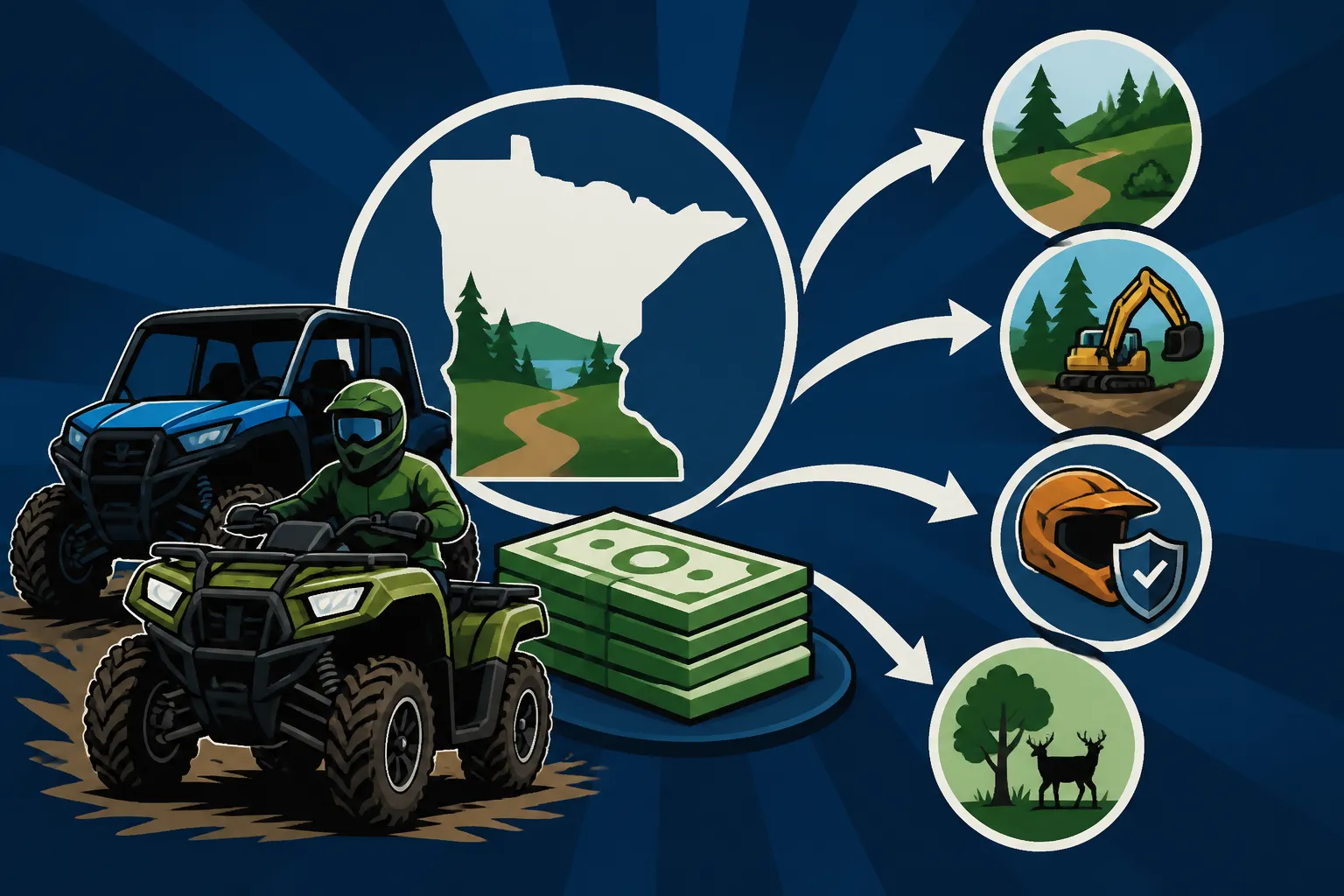
Perhaps the most significant and direct impact of your Minnesota ATV registration money is on the actual trails you explore. Imagine trying to ride through overgrown brush, over broken bridges, or on routes with no signage. It would be a frustrating, and potentially dangerous, experience. Your registration fees are the financial backbone that prevents this scenario, ensuring that Minnesota’s extensive OHV trail system remains in top condition, accessible, and enjoyable for all riders. This isn't just about cutting grass; it's about complex land management, environmental protection, and user experience.
These funds help pay for everything from the heavy machinery used to grade and surface trails to the smaller tools used by volunteer crews. They cover the costs of building new bridges over streams, installing culverts to manage water flow, and erecting clear, consistent signage to guide riders and prevent trespassing. Without this steady stream of dedicated funding, the responsibility for trail maintenance would fall squarely on the shoulders of local governments or private organizations, many of whom simply don't have the resources to keep up with the demands of hundreds of miles of trail.
The investment your registration represents truly shines when you consider the sheer scale of Minnesota's OHV trail network. From the vast expanse of the [Nemadji State Forest] to the rugged terrain of the [Iron Range OHV Area at Gilbert], these trails require constant vigilance and resources. Your fees are literally the fuel that keeps those trails groomed, open, and ready for your next adventure. It's a direct connection between your annual expense and the quality of your weekend ride.
Grant-in-Aid Program: The Backbone of Trail Maintenance
A huge chunk of your ATV registration dollars flows directly into Minnesota’s highly successful Grant-in-Aid (GIA) program. This program is essentially a partnership between the Minnesota Department of Natural Resources (DNR) and local units of government, often working hand-in-hand with local ATV clubs. Instead of the state trying to manage every single mile of trail directly, it provides financial assistance to these local entities. This empowers the people closest to the trails – the local townships, counties, and especially the passionate volunteers from ATV clubs – to do the hands-on work.
These GIA funds are used for everything from routine maintenance like brushing trails and clearing downed trees after a storm, to more substantial projects such as repairing trailheads, fixing erosion problems, and even acquiring new land for trail expansion. When you see a well-maintained trail, with clear signs and smooth surfaces, chances are it's benefiting from these very grants. The beauty of this system is that it leverages local knowledge and volunteer power, making every dollar stretch further. It fosters a strong sense of community ownership and pride in our trail systems.
The clubs apply for these grants, outlining their planned projects and budgets, and if approved, they receive the funding to execute the work. This direct funding mechanism is critical because it ensures that the money collected from riders is reinvested directly into the places where riders recreate. It's a transparent and effective way to ensure that the infrastructure remains robust. For more details on how this works, you might find [Minnesota Grant-in-Aid Trail Funding] helpful.
DNR Enforcement and Education Initiatives
Beyond the physical trails, a significant portion of registration fees supports the Minnesota DNR's efforts in enforcement and education. Conservation Officers (COs) play a vital role in ensuring that everyone is riding responsibly and safely, protecting both riders and our natural resources. They patrol trails, check registrations and safety certifications, and respond to incidents. Their presence helps deter illegal riding, reduces conflicts with other land users, and ensures compliance with environmental regulations. Without proper enforcement, trails could quickly become unsafe, overused, or damaged, diminishing the experience for everyone.
Education is another crucial piece of the puzzle. A portion of your fees goes towards developing and delivering ATV safety training programs, especially for young riders. Minnesota has specific [Minnesota ATV Safety Training Requirement] rules, particularly for those born after a certain date, and these programs are essential for teaching new riders how to operate their machines safely and responsibly. This includes instruction on trail etiquette, environmental considerations, and emergency procedures. These educational efforts reduce accidents, protect natural habitats, and ensure the long-term sustainability of the sport.
Imagine a trail system without rules or proper guidance; it would quickly devolve into chaos. The presence of DNR staff, both in patrol vehicles and in classrooms, helps maintain order and promotes a culture of safety and respect within the OHV community. This investment in enforcement and education is as vital to the health of our trail system as the physical maintenance itself.
Supporting Local Clubs and Volunteer Efforts
While the Grant-in-Aid program directly funds projects, your registration fees also indirectly bolster the incredible volunteer efforts of local ATV and UTV clubs. These clubs are the unsung heroes of Minnesota's OHV scene, dedicating countless hours to planning, maintaining, and advocating for trails. Many club members volunteer their time, their machines, and even their personal funds to keep trails open and enjoyable. The GIA program, fueled by your registration fees, often provides the financial leverage these clubs need to tackle larger projects that would be impossible with volunteer labor alone.
Think about the sheer amount of work involved in keeping a trail system open: countless hours of brushing, sign installation, bridge repair, and event planning. Clubs organize group rides, host safety clinics, and often act as the first line of communication between riders and the DNR. By providing funding for their projects, your registration money essentially empowers these dedicated volunteers to do more, acquire better tools, and make a greater impact. It's a synergistic relationship where state funds amplify community effort.
These clubs also play a critical role in advocacy, working with local governments and landowners to secure and expand trail access. They represent the voice of riders, ensuring that the needs of the OHV community are heard when decisions are made about land use and recreational opportunities. Your registration dollars, therefore, contribute to a stronger, more organized, and more effective community of riders who are actively working to preserve and enhance the sport for everyone.
Beyond the Trails: Other Critical Investments Funded by Your Registration
While trail maintenance and development are often the most visible outcomes of your registration fees, the money also supports several other critical areas that ensure the overall health and future of OHV recreation in Minnesota. These investments might not always be as tangible as a newly surfaced trail, but they are equally vital for maintaining a thriving and responsible riding environment. It's about building a comprehensive ecosystem that benefits all stakeholders, from riders to landowners to the environment itself.
These additional allocations help cover administrative costs, support long-term planning, and even contribute to broader conservation efforts. Think of it as the foundational work that allows the more exciting, on-the-ground trail projects to happen efficiently and sustainably. Without these less visible expenditures, the entire system would struggle to function, leading to inefficiencies, gaps in safety, and a less enjoyable experience for everyone.
It's a testament to Minnesota's commitment to OHV recreation that a dedicated fund exists for these diverse needs, ensuring that all aspects of the sport receive the attention and resources they require. This holistic approach helps to future-proof our riding opportunities and fosters a sense of responsibility within the riding community.
Safety and Training Programs
A significant portion of your registration fees directly contributes to promoting safe riding practices across the state. This isn't just about handing out pamphlets; it's about funding comprehensive safety education and training initiatives designed to prevent accidents and protect riders. For instance, the costs associated with running ATV safety courses, developing educational materials, and supporting certified instructors are all covered by these funds. This is especially vital for ensuring that younger riders meet the necessary requirements and understand the inherent risks and responsibilities of operating an OHV.
These programs are particularly important for riders born after July 1, 1987, who are legally required to complete an approved safety training course to operate an ATV or UTV on public lands and trails in Minnesota. Your fees help subsidize these courses, making them more accessible and affordable for families. This investment in human capital—in knowledgeable, responsible riders—is just as important as investing in physical infrastructure. It directly contributes to a safer riding environment for everyone sharing the trails. You can learn more about specific requirements in [Minnesota ATV Safety Training Requirements].
Beyond the formal courses, funds also support public awareness campaigns about safe riding practices, helmet use, and the dangers of impaired riding. These initiatives aim to reach a broader audience, reinforcing good habits and minimizing preventable injuries. Ultimately, your registration dollars are literally saving lives and preventing serious injuries by fostering a culture of safety throughout the Minnesota OHV community.
Administrative Costs and System Upkeep
While not the most glamorous aspect, a certain percentage of your registration fees covers the essential administrative costs of managing the entire OHV program within the Minnesota DNR. This includes everything from processing applications and issuing new registrations and decals to maintaining comprehensive databases of registered machines and their owners. Think about the staff salaries, the computer systems, the office supplies, and the utilities needed to keep the wheels turning. These are the behind-the-scenes expenses that ensure the smooth operation of the registration system itself.
Moreover, these funds also contribute to the larger DNR infrastructure that supports all outdoor recreation, including OHV use. This might involve funding for mapping technologies, GIS specialists who help plan new trail routes, or legal teams who navigate land access agreements. While some services, like online renewal through [Registering Online Through Minnesota eLicense], streamline the process, they still require initial investment and ongoing maintenance. Without these administrative capacities, the entire system—from collecting fees to disbursing grants—would grind to a halt.
It's easy to overlook these operational expenses, but they are absolutely critical for maintaining an efficient and effective system. Just as your machine needs regular maintenance, so too does the administrative framework that supports your riding opportunities. Your fees ensure that the state can continue to manage the program effectively, allowing riders to get their registrations without unnecessary delays and ensuring that funds are distributed appropriately.
Research and Planning for Future Riding
Your registration dollars also contribute to vital research and long-range planning initiatives by the DNR. This isn't just about fixing today's problems; it's about anticipating tomorrow's challenges and opportunities. For example, funds might be used to conduct environmental impact studies for potential new trail corridors, ensuring that future development is sustainable and minimizes harm to sensitive ecosystems. They also fund studies on rider demographics, usage patterns, and the economic impact of OHV recreation, which helps the DNR make informed decisions about resource allocation and policy development.
This forward-thinking approach is crucial for securing the future of OHV riding in Minnesota. It means proactively identifying areas where new trails could be developed, assessing the needs of the growing riding population, and ensuring that our natural resources are protected for generations to come. When the DNR considers expanding [Minnesota's Grant-in-Aid Trail System] or opening trails in new areas, a lot of preliminary research and planning, funded by registration fees, goes into those decisions.
Think about how important it is to have data when advocating for OHV access or securing funding from other sources. Your fees help provide that data, strengthening the case for continued investment in the sport. This research helps create a clearer picture of where the sport is heading, allowing for strategic decisions that benefit both riders and the environment.
The Bigger Picture: The Economic Impact of OHV Recreation in Minnesota
While your registration fee directly funds the nuts and bolts of the OHV system, it's also important to understand how your participation in the sport contributes to a much larger economic ecosystem within Minnesota. The money you spend on registration is just one small piece of a much grander financial impact that reverberates throughout the state, particularly in rural communities and trail towns.
When you factor in not just registration, but also the purchase of ATVs and UTVs, fuel, lodging, food, gear, maintenance, and accessories, the total economic footprint of OHV recreation is substantial. Your registration fee contributes to the legitimacy and sustainability of this activity, making Minnesota an attractive destination for both resident and out-of-state riders. This, in turn, boosts local economies, creating jobs and supporting small businesses.
Consider the ripple effect: a new trail segment opens (funded by registration fees), which attracts more riders. Those riders fuel up at a local gas station, grab lunch at a diner, and maybe even spend a night at a small-town motel. This generates sales tax revenue, supports local employment, and helps keep small businesses afloat. Without the foundation provided by registration fees for trails and safety, this economic engine would simply not be as robust.
Here's a simplified breakdown of how registration money contributes to the broader OHV economy:
| Category | Direct Impact of Registration Fees | Broader Economic Impact (Enabled by Fees) |
|---|---|---|
| Trail Development & Maintenance | Directly funds GIA projects, new trail construction, repairs. | Attracts riders, boosting local tourism, hospitality, fuel sales. |
| Safety & Education | Funds training courses, materials, and instructor support. | Reduces accidents, lower healthcare costs, encourages new riders. |
| DNR Operations & Enforcement | Covers administrative costs, staff salaries, patrol vehicles. | Ensures compliance, protects resources, fosters responsible use. |
| Planning & Research | Supports environmental studies, demographic analysis. | Guides sustainable growth, secures future riding opportunities. |
| Community Support | Empowers volunteer clubs with project funding. | Strengthens local communities, creates social capital. |
This table illustrates that while your registration fee is a relatively small investment, it's a critical catalyst for a much larger economic and recreational benefit. It helps ensure that places like Appleton, with its ATV-friendly routes, can continue to welcome riders and thrive.
So, the next time you get your renewal notice or pick up your [Minnesota Registration Renewal Every Three Years], remember that your contribution is doing far more than just getting you a sticker. It's an investment in the trails you love, the safety of your fellow riders, and the economic vitality of countless Minnesota communities. It's truly money well spent, ensuring that the roar of an engine on a well-maintained trail remains a cherished sound in Minnesota for years to come.
Disclaimer
This article is for general informational purposes only and does not constitute professional advice. Laws, prices and regulations vary by location and change over time. Consult a qualified professional for guidance on your specific situation.