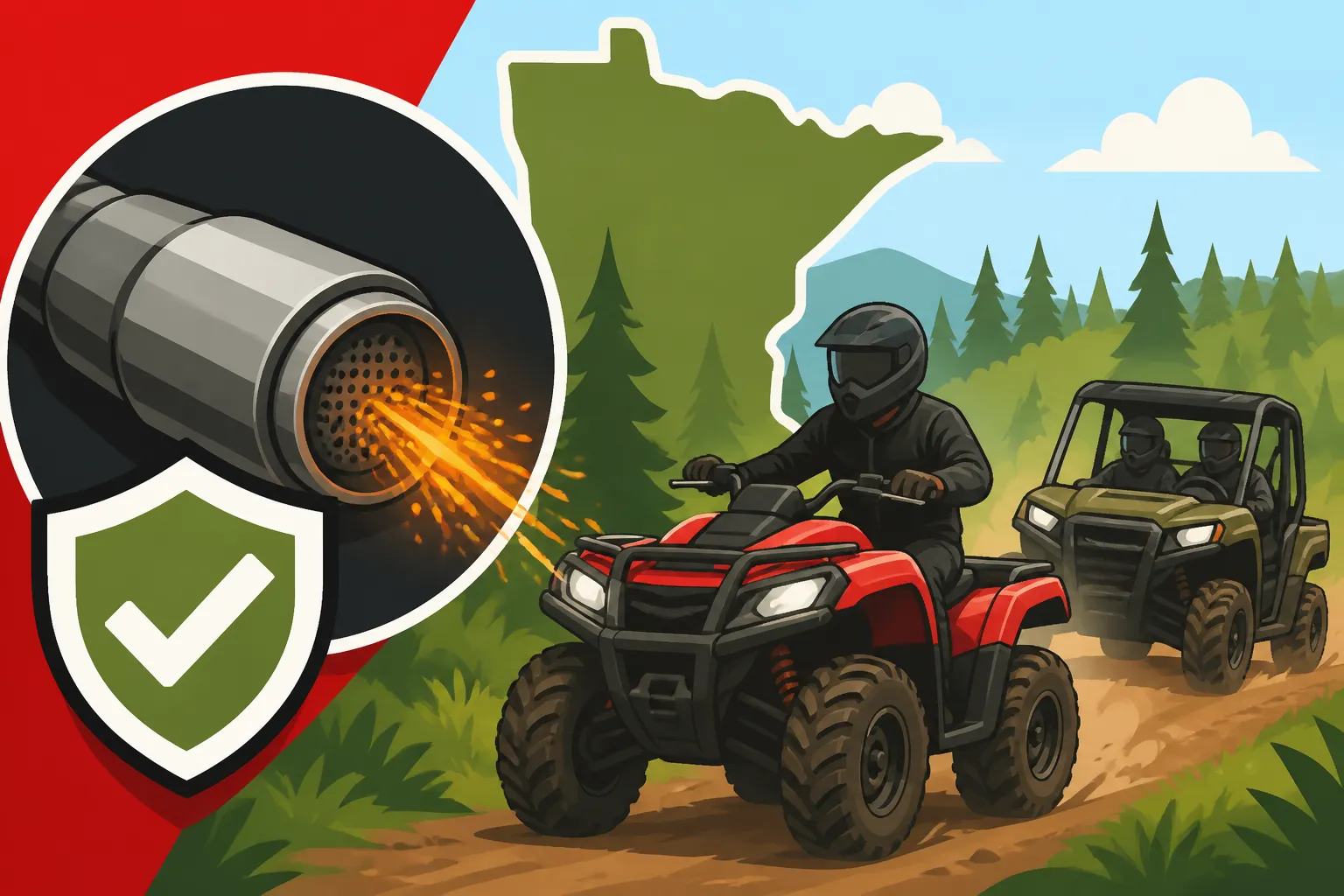
Spark Arrester Rules on Minnesota Public Land
There’s nothing quite like the thrill of exploring Minnesota’s vast public lands on your ATV or UTV – the crisp air, the winding trails, the sheer freedom of it all. But before you hit those scenic routes, there's one small, often overlooked, piece of equipment that can make a huge difference in your ride's legality and safety: the spark arrester. Many riders don't fully understand what it is, why it's so important, or how to ensure their machine is compliant, leading to unnecessary stress and potential fines. This guide will walk you through everything you need to know about spark arrester rules on Minnesota public land, so you can ride confidently and responsibly.
What Exactly Is a Spark Arrester and Why Does Minnesota Care?
When you’re gearing up for a ride through Minnesota's beautiful state forests or along a winding grant-in-aid trail, the last thing you're probably thinking about is a tiny mesh screen inside your exhaust pipe. Yet, that’s precisely what a spark arrester often is, and its job is absolutely critical for safeguarding our wild spaces. It’s not just some obscure regulation thrown in to make your life harder; it’s a vital piece of fire prevention equipment designed to protect our natural resources and the very trails we love to ride.
The Basics: How a Spark Arrester Works
Imagine your ATV or UTV's engine at full throttle. Inside, combustion is happening rapidly, creating not just power and exhaust gases, but sometimes also tiny, superheated carbon particles – basically, microscopic embers. Without anything to stop them, these incandescent particles can shoot out of your exhaust pipe at high speed, like miniature fireballs, and land on dry leaves, pine needles, or tall grass along the trail. That's where a spark arrester comes into play.
A spark arrester is essentially a special filter, typically a screen or a series of baffles, designed to trap or cool these hot carbon particles before they can exit the exhaust system. It works by forcing the exhaust gases, and any embedded hot particles, to pass through a fine mesh or a labyrinthine path. The mesh or baffles either physically block the larger, dangerous sparks or cool them down to a safe temperature before they can escape into the environment. Think of it like a coffee filter for your exhaust, catching the dangerous "grounds" before they cause a problem. This simple, yet ingenious, device is an unsung hero in preventing countless potential wildfires, especially during dry seasons when the risk is naturally higher.
The "Why": Wildfire Prevention on Public Lands
Minnesota is blessed with incredible natural beauty, from the dense forests of the Northwoods to the sprawling prairies in the west. Our public lands, including state forests, wildlife management areas, and the extensive [Minnesota's Grant-in-Aid Trail System], are not only recreational havens but also delicate ecosystems. A single spark, escaping from an unequipped or faulty exhaust, can rapidly ignite dry vegetation, turning a pleasant afternoon ride into a devastating wildfire. We’ve all seen the news reports about massive wildfires consuming forests, destroying homes, and displacing wildlife. In Minnesota, preventing such disasters is a top priority, and that’s why spark arresters are non-negotiable on public lands.
The consequences of a wildfire sparked by an OHV are catastrophic. Beyond the immediate danger to human life and property, a fire can decimate wildlife habitats, ruin air quality, and leave behind barren landscapes that take decades, if not centuries, to recover. For riders, it can also lead to long-term [Minnesota Resource Damage Citations], trail closures, and a negative public perception that ultimately impacts our access to these lands. The rule requiring a spark arrester is a small ask to ensure that we can continue to enjoy Minnesota's trails for generations to come, without inadvertently leaving a trail of destruction behind us. It’s about being a responsible steward of the land, something every true outdoor enthusiast understands deeply.
Navigating the Specifics: Minnesota's Spark Arrester Laws for Public Land
The regulations surrounding spark arresters on public lands in Minnesota aren't just suggestions; they are explicit requirements backed by law. It’s easy to get caught up in the excitement of a ride and overlook these details, but understanding the specifics is crucial for staying legal and avoiding unwanted interactions with law enforcement. The Minnesota Department of Natural Resources (DNR) takes these rules seriously, and for good reason: preventing wildfires is paramount.
The Legal Mandate: What the DNR Requires
In Minnesota, any ATV or UTV operating on public land must be equipped with a U.S. Forest Service (USFS) approved spark arrester. This isn't just about having any spark arrester; it must specifically meet the standards set by the U.S. Forest Service. What does "USFS approved" actually mean? Typically, it means the device has been tested and certified to effectively prevent the emission of hot carbon particles. You'll often find a stamp or label directly on the spark arrester or the muffler itself that clearly states "USFS Approved" or includes the specific code (like "SAE J350" for ATV spark arresters) indicating its certification. Without this visible certification, even if you think you have an arrester, it might not pass muster with a [Conservation Officer Enforcement in Minnesota].
This is where a lot of riders get tripped up, especially if they’ve installed an aftermarket exhaust system. While many aftermarket exhausts are designed with spark arresters, some high-performance or "race-only" systems omit them entirely or use designs that don't meet USFS standards. If you're running such a system, you're not compliant on public land. It's vital to check your exhaust system for this specific stamp. If you're unsure, consulting your owner's manual or contacting the manufacturer of your exhaust can provide clarity. Remember, the burden of proof is on you, the rider, to ensure your machine is legally equipped.
Public Land Defined: Where the Rules Apply
Understanding where the spark arrester rule applies is just as important as knowing the rule itself. In Minnesota, "public land" isn't just a vague concept; it refers to specific areas managed by the state or federal government. This includes, but isn't limited to:
- State Forests: Minnesota boasts numerous state forests like Nemadji, Huntersville, and Paul Bunyan, all offering extensive OHV trails. [Minnesota State Forest Riding] is a fantastic experience, but compliance is mandatory.
- Grant-in-Aid Trails: These are trails that receive state funding and are often maintained by local clubs. They are considered public access trails, and the rules apply.
- State Parks and Recreation Areas: While some state parks might have limited OHV access, if you're riding in a designated area, the rules are in effect.
- Wildlife Management Areas (WMAs): These lands are managed for wildlife, but some may have designated trails or access routes where OHVs are permitted.
The key takeaway is that if you are riding on any land that is not privately owned by you or someone who has given you express permission, you should assume the USFS spark arrester rule applies. This contrasts with riding exclusively on your own private property, where the state might not regulate such equipment, though it's always wise for safety and fire prevention to use one regardless. The spirit of the law is to protect shared resources, so wherever the public has access, the regulations are in force to keep those spaces safe for everyone.
The Visual Check: What an Officer Looks For
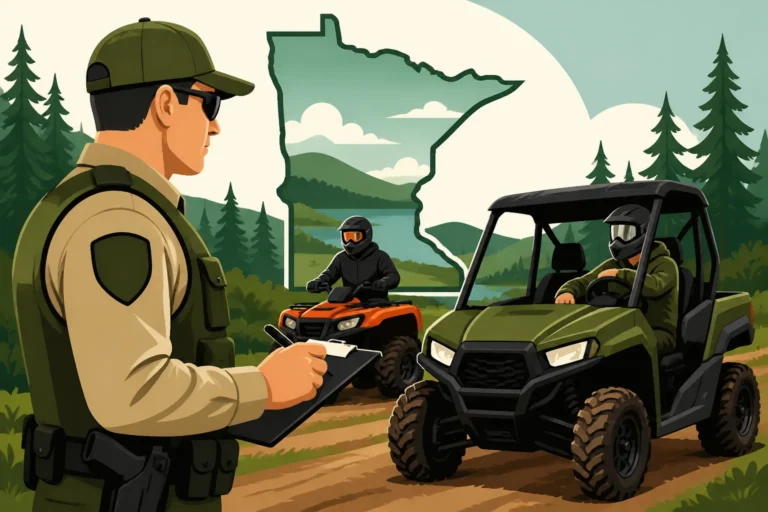
When a conservation officer or park ranger pulls you over for a routine check – which is a common occurrence on popular trails – they won't just ask if you have a spark arrester; they’ll likely want to see it. Officers are trained to quickly identify compliant exhaust systems. They'll typically look for the physical presence of the spark arrester and, most importantly, the USFS stamp or certification mark. This mark is usually etched or stamped onto the muffler body or the end cap of the exhaust.
What constitutes a "non-compliant" exhaust system in an officer's eyes?
- Missing Arrester: The most obvious sign is a complete absence of the device. If it's been removed or was never installed, you're immediately in violation.
- Modified Arrester: If the arrester screen is damaged, has large holes, or appears to have been altered (e.g., punched out), it’s no longer functioning as intended and will be considered non-compliant.
- Non-Certified Arrester: Even if there’s a screen, if it lacks the proper USFS stamp, an officer may deem it non-compliant because there's no proof it meets the required safety standards.
- Excessive Noise: While technically separate from spark arresters, exhaust noise can often be a red flag. If your machine is unusually loud, it might prompt an officer to check your exhaust system more thoroughly, potentially revealing a missing or faulty spark arrester. You can learn more about [Mufflers and Spark Arresters in Minnesota] and [Minnesota Noise Rules Near Lake Homes] to understand related regulations.
If an officer finds your machine non-compliant, you'll likely face a citation. It's a quick check that can save a lot of trouble, both for you and for the environment. So, before you head out, do your own visual inspection and know what they’ll be looking for.
Ensuring Your Machine Complies: Checks, Maintenance, and Common Pitfalls
Alright, so you understand why spark arresters are important and where the rules apply. Now, let’s get down to the practical side of things: how to ensure your own machine is always ready for the trail without running afoul of the law. It’s all about routine checks, proper maintenance, and knowing what to look out for, especially if you're venturing into the world of aftermarket upgrades.
Locating and Inspecting Your Spark Arrester
Most ATVs and UTVs come equipped with a USFS-approved spark arrester right from the factory. It’s typically integrated into the muffler or located at the very end of the exhaust pipe where the gases exit.
To perform a quick check:
- Locate the Muffler: This is usually the largest component of your exhaust system, often situated at the rear or side of your machine.
- Find the Outlet: Look at the very end of the muffler where the exhaust gases come out.
- Visual Inspection:
- The Screen: Many spark arresters use a fine mesh screen across the exhaust opening. Check that this screen is intact, not torn, bent, or clogged. Sometimes, carbon buildup can completely block the screen, reducing exhaust flow and rendering it less effective.
- The Stamp: Look for the "USFS Approved" stamp or a similar certification (like SAE J350) usually etched or stamped directly onto the muffler or the spark arrester end cap. This is your definitive proof of compliance.
- Damage: Inspect for any physical damage, such as dents that might compromise the arrester's function or signs of tampering.
Maintenance is Key: Spark arresters, especially screen types, can get clogged with carbon deposits over time, particularly if your machine burns oil or runs rich. A clogged arrester can restrict exhaust flow, reduce engine performance, and become less effective at trapping sparks. Many manufacturers recommend periodic cleaning. This usually involves removing the screen (if it’s a removable type) and brushing or scraping away carbon buildup. If your spark arrester is integrated and not easily removable, some riders use a wire brush or pick to clear the opening. Always consult your owner's manual for specific cleaning and maintenance instructions for your particular model. If you're in need of replacement parts or specific exhaust tips that include spark arresters, reputable aftermarket providers like SuperATV often offer compliant options, but always double-check for the USFS stamp.
Aftermarket Exhaust Systems and Compliance
The allure of an aftermarket exhaust is strong for many riders. Improved performance, a deeper growl, or a custom look can really enhance the riding experience. However, this is also where most spark arrester problems arise. Many performance exhausts are designed primarily for racing or off-road use on private land, where spark arrester regulations might not be enforced. This means they might not come equipped with a USFS-approved spark arrester.
If you’re considering an aftermarket exhaust or already have one installed, here’s what you need to do:
- Confirm USFS Approval: Before purchasing, or immediately checking your current setup, explicitly verify that the aftermarket exhaust system includes a USFS-approved spark arrester. Look for that crucial stamp or designation. Don’t just assume!
- "Race Only" Systems: Be extremely wary of exhausts labeled "for competition use only" or similar phrases. These are almost always designed without spark arresters and are illegal for use on public lands in Minnesota.
- Add-on Arresters: Some aftermarket exhausts, if they don't come with an integrated arrester, might have provisions for adding a separate, removable spark arrester insert. If this is the case, ensure the insert itself is USFS approved and properly installed. Brands like SuperATV offer a wide range of accessories, and while they cater to many needs, it’s always on the rider to ensure any performance upgrade, especially to the exhaust, meets all local and state regulations for public land use.
The bottom line is that an aftermarket exhaust, no matter how cool it looks or sounds, must still meet the exact same spark arrester requirements as your stock system if you plan to ride on public lands. Don't let a performance upgrade lead to an expensive ticket or, worse, a devastating fire.
Common Problems and Solutions
Even with the best intentions, spark arresters can encounter issues. Knowing these common problems and their solutions can save you a headache down the trail.
- Clogged Screen: As mentioned, carbon buildup is frequent.
- Solution: Follow your owner's manual for cleaning. Often, this involves removing the end cap or screen, scrubbing it with a wire brush, and scraping off stubborn carbon. For a machine with an integrated, non-removable arrester, specialized brushes or even a gentle application of carburetor cleaner (ensure it’s safe for your muffler material) can help, but always let it dry completely before use.
- Damaged or Missing Screen: The mesh can rust, tear, or even fall out due to vibration or impacts.
- Solution: If the screen is damaged or missing, it needs to be replaced. Many aftermarket companies and even OEM parts departments sell replacement spark arrester screens or end caps. Make sure any replacement part is USFS approved.
- Loose End Cap: The part of the muffler holding the spark arrester might become loose, causing rattling and potentially allowing sparks to escape.
- Solution: Tighten any bolts or screws securing the end cap. If the threads are stripped, you might need to consult a mechanic or consider a new muffler or end cap assembly.
- Incorrect Installation: If you or a previous owner installed an aftermarket exhaust, the spark arrester might be installed incorrectly, rendering it ineffective.
- Solution: Double-check the installation instructions. Ensure the arrester is seated properly and securely.
A quick inspection before each major ride, especially during dry seasons, can prevent these small issues from becoming big problems. If you frequently find your spark arrester getting clogged, it might also be a sign that your engine is running too rich or burning a bit of oil, which could warrant a separate mechanical check. Staying on top of these little details keeps your machine running clean, safe, and legal.
Consequences of Non-Compliance: What Happens If You Don't Have One?
Ignoring the spark arrester rule on Minnesota public land isn't just a minor oversight; it carries a range of potential consequences, from immediate legal penalties to significant environmental and community impacts. It’s far more than just a bureaucratic nuisance; it's about responsible recreation and protecting shared resources.
The Immediate Repercussions: Tickets and Fines
Let's be direct: if you're caught riding on public land in Minnesota without a USFS-approved spark arrester, you're looking at a ticket. While specific fine amounts can change and vary, they are certainly not insignificant. A citation from a DNR officer or local law enforcement for a missing or non-compliant spark arrester can quickly sour a fun day on the trails. These aren't just warnings; they are penalties that often require a court appearance or payment of a substantial fee.
Beyond the monetary fine, an officer may also order you to cease operation of your machine immediately. This means your ride is over, and you might have to arrange for your machine to be trailered off the public land, which can be an inconvenience and an additional unexpected cost. Repeated violations or severe cases could potentially lead to more serious penalties, including temporary loss of riding privileges on public lands. Ignorance of the law is rarely accepted as an excuse, so understanding and adhering to these rules is solely your responsibility as the operator. Think of it as another piece of required equipment, much like your [Minnesota Helmet Rules for Riders Under 18] or other safety gear – it’s simply part of the deal.
The Greater Risk: Environmental Damage and Liability
Beyond the legal penalties, the most profound consequence of not having a spark arrester is the very real danger of starting a wildfire. A single hot carbon particle, ejected from your exhaust, can ignite dry grass, leaves, or pine needles with astonishing speed, especially during Minnesota's often dry spring and fall seasons. The resulting wildfire can spread rapidly, consuming acres of forest, destroying wildlife habitats, and posing a direct threat to homes and communities.
If your machine is found to be the cause of a wildfire due to a missing or non-compliant spark arrester, you could face immense civil liability for the damages. This isn't just about a small fine; this could involve claims for firefighting costs, property destruction, timber losses, and environmental restoration, which can amount to hundreds of thousands, if not millions, of dollars. It’s a sobering thought, but one that underscores the critical importance of this small device. The potential for such devastation far outweighs the minor inconvenience of ensuring your machine is properly equipped. When you’re out enjoying the pristine beauty of our public lands, you’re also accepting the responsibility to protect them.
Impact on Riding Access and Community Perception
Every time a fire starts on public land, regardless of its cause, it raises questions about access and responsible use. When OHVs are linked to wildfires, even if it's only a few irresponsible riders, it casts a negative shadow over the entire riding community. This can lead to increased scrutiny, stricter regulations, and even the closure of trails or entire riding areas. We've seen it happen in other regions, and Minnesota riders are vigilant about preventing it here.
Trail systems like those managed by the [Minnesota DNR ATV Registration Explained] and various clubs rely on a positive relationship with land managers and the public. A string of fire incidents attributed to OHVs can quickly erode that trust, making it harder for clubs to maintain existing trails or advocate for new ones. It can even influence public opinion, leading to less support for motorized recreation. By ensuring your machine is compliant, you're not just protecting yourself from a ticket; you're contributing to the collective image of responsible OHV enthusiasts and helping to preserve access for everyone. It's a small act of due diligence that has far-reaching benefits for the future of ATV and UTV riding in Minnesota.
Disclaimer
This article is for general informational purposes only and does not constitute professional advice. Laws, prices and regulations vary by location and change over time. Consult a qualified professional for guidance on your specific situation.