Selling Before a Minnesota Registration Expires
Selling an ATV or UTV in Minnesota can sometimes feel like navigating a maze, especially when you've got registration time left on the clock. Many of us have been there, wondering if that unused registration carries over to the new owner, or if we just lose out on the money we paid. This guide is here to clear up that confusion, explaining exactly what happens with your Minnesota ATV registration when you decide it's time to part ways with your machine before its three-year sticker expires.
Understanding Your Minnesota ATV Registration When You Sell
When you decide to sell your trusty quad or side-by-side, one of the first questions that often pops into mind is about the remaining registration. You paid good money for that three-year sticker, and it feels like a waste to let it go. But in Minnesota, the process works a little differently than you might expect.
What Registration Really Means in Minnesota
Let's break down what that registration truly represents. In Minnesota, registering your ATV or UTV isn't just about getting a sticker; it's a crucial permit that allows your machine to legally operate on public lands, state trails, and designated routes. It's how the Minnesota Department of Natural Resources (DNR) keeps track of machines and, importantly, how the fees contribute to maintaining those very trails we all love to ride. The registration is intrinsically tied to the machine itself, giving it the legal right to be on public property for a set period.
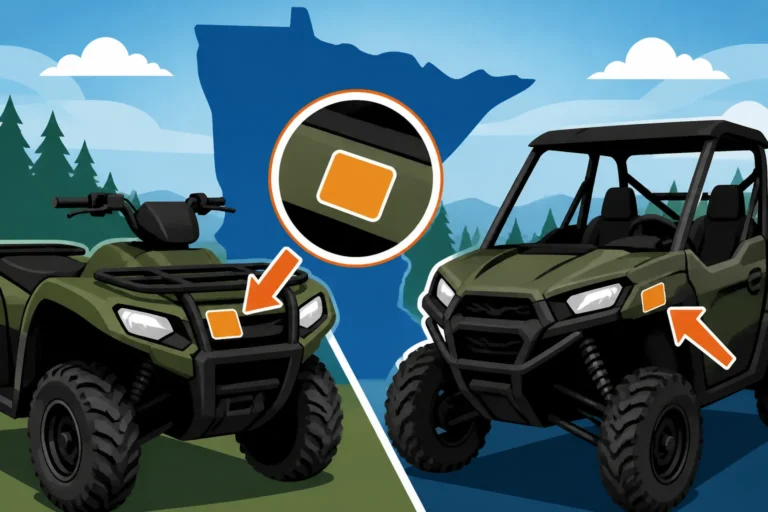
Minnesota's system is based on a three-year registration cycle. You pay a fee, and your machine is good to go for three years from the date of issuance, or until a specific expiration date. [Minnesota's Three-Year ATV Registration] That little sticker you place on your machine is the physical proof of this registration, easily visible for conservation officers or local law enforcement. [Where a Minnesota ATV Registration Sticker Goes] It shows that your machine is compliant and contributes to the overall trail system. While it's tied to the machine, the benefit of that registration—the right to ride—is held by the current owner/registrant.
Why Transferring Registration Isn't a Thing
Here's where many people get tripped up: you don't actually "transfer" your existing registration to a new owner in Minnesota. Think of it like a library card; your card grants you access to books, but when someone else wants to borrow books, they need their own card. Similarly, when you sell your ATV or UTV, the existing registration, even if it has time left, doesn't automatically become valid for the new owner.
The new owner is required to register the machine in their own name, paying the appropriate fees to the DNR. This effectively starts a new registration cycle for them. This might seem counterintuitive if there's still a year or two left on your sticker, but it's how the state ensures accurate ownership records and that all machines on public trails are properly accounted for by their current operator. The new owner will have to go through the process of registering the machine just as you did when you first acquired it. [Minnesota Registration After a Private Sale]
The Seller's Responsibilities and Paperwork
Even though the registration doesn't transfer, selling your ATV or UTV properly still involves some crucial steps on your end. These steps protect you as the seller and ensure the buyer has everything they need to get their new machine legally registered and ready for the trails.
The Critical Bill of Sale
This cannot be stressed enough: a detailed bill of sale is your absolute best friend when selling any vehicle, including an ATV or UTV. It serves as legal proof that you no longer own the machine and that ownership has been transferred to the buyer. Without it, you could potentially be held liable for something the new owner does with the machine, or face complications if they fail to register it.
Your bill of sale should clearly include:
- The full names and addresses of both the seller and the buyer. This identifies who is involved in the transaction.
- A detailed description of the ATV/UTV, including its make, model, year, and most importantly, the Vehicle Identification Number (VIN). The VIN is unique to your machine and is critical for identification.
- The agreed-upon purchase price. This is important for sales tax calculations the buyer will eventually face.
- The date of the sale. This establishes exactly when your ownership ended and the buyer's began.
- A statement confirming the machine's condition, often "as-is, where-is," to protect you from future claims about mechanical issues.
- Signatures from both the seller and the buyer. This legally binds both parties to the terms.
Many resources exist for creating a robust bill of sale. Using a service like LawDepot can be incredibly helpful here, as they provide professional templates tailored for these types of transactions, ensuring you don't miss any critical details that could come back to haunt you. [What a Minnesota Bill of Sale Should Carry] Taking the time to fill this out thoroughly and correctly is an investment in your peace of mind.
Providing Proof of Ownership
While the existing registration card doesn't transfer the registration itself, it is vital proof of your ownership to provide to the buyer. When the new owner goes to register the machine in their name, the Minnesota DNR will require proof that they legally acquired the machine. Your current registration card, along with the detailed bill of sale, will typically satisfy this requirement.
Make sure you hand over your current, unexpired registration card (or a copy, if you want to keep the original for your records, though usually, the buyer will want the original). This card, coupled with a well-drafted bill of sale, forms the chain of ownership that the buyer needs. The buyer will need these documents when they head to a Deputy Registrar office or the DNR to complete their new registration. [Documents a Minnesota Registrar Wants] It can be tricky if you're trying to sell a machine without a clear ownership history, which is why having your current registration and a solid bill of sale is so important. [Registering a Minnesota ATV With No Ownership History]
Removing Your Name from the Record
Even though the new owner is responsible for registering the machine, it's a very smart move to notify the DNR that you've sold the machine. While not a strict legal requirement in all cases, it's a proactive step that can save you potential headaches down the line. If the new owner delays registering the machine, and it's involved in an incident, having proof that you've sold it and notified the state can help prevent any unwanted liability from falling back on you.
The process for this is usually straightforward and involves submitting a notice of sale to the DNR. This small step formally severs your connection to the machine in the state's eyes. It ensures that the state's records reflect the change in ownership, effectively "transferring" your responsibilities for that particular machine off your plate, even if the actual registration isn't transferred. For more details on this, look into the specific process for [Transferring a Minnesota ATV After a Sale]. It's a small administrative task that offers a lot of protection.
What Happens to the Remaining Registration Time?
This is often the core of the question for sellers: what about all that unused time you've already paid for? It’s a completely understandable concern, and it’s important to manage expectations here.
No Refund for Early Sale
Let's get straight to it: generally, Minnesota does not offer refunds for the unused portion of an ATV or UTV registration when you sell the machine before its expiration date. While it might feel like you're losing money, the state's perspective is that the registration fee is a payment for the privilege of operating on public trails for a specific period. Once that privilege is granted and paid for, it's non-refundable, regardless of whether you utilize the full term or sell the machine.
This is a common point of frustration for many sellers, but it's standard practice. The fee contributes to the maintenance and development of the entire trail system, not just your individual usage. So, when you sell your machine with a year or two left on the sticker, don't expect a check from the DNR for the prorated amount. You can read more about this topic specifically in [Minnesota ATV Registration Refunds Explained].
Value for the Buyer (Or Not)
The remaining registration time really offers no direct, legal benefit to the buyer in terms of their registration requirements. As discussed, they still need to register the machine in their own name and pay the full fee. So, from a purely financial standpoint, the buyer isn't saving money on registration because your machine still has time left. They'll incur their own costs, regardless.
However, having a machine that is currently registered, even if it's in your name, can offer a subtle psychological benefit to the buyer. It indicates that the machine has been actively used and likely maintained, that it was legitimate enough to be registered, and that it isn't some forgotten machine pulled out of a barn with no paperwork. A currently registered machine suggests it's been part of the riding community. This contrasts sharply with the challenges and potential penalties associated with acquiring or riding an unregistered ATV. [Penalties for an Unregistered ATV in Minnesota] While it won't save the buyer money on their new registration, it can sometimes be a positive sign in the overall buying decision.
Pricing Your ATV with Unused Registration
When you're trying to figure out an asking price for your ATV or UTV, you might be tempted to factor in the remaining registration value. Let's look at whether this is a realistic approach.
Is it an Added Value?
For the most part, no. As we've established, the buyer will still have to pay for their own registration. So, trying to add a prorated value of your remaining registration to your asking price is generally not going to fly with a savvy buyer. They know they'll have to pay the state regardless. Your focus should be on the machine's true value, which is determined by its condition, hours of use, any modifications or accessories, and its overall desirability in the market.
Buyers are primarily interested in the mechanical soundness, appearance, and included features of the machine. Things like a winch, a good set of tires, or a well-maintained engine will add far more value than the leftover time on a registration sticker. Focus on being realistic about how off-road machines depreciate and what similar models are selling for. [How Off-Road Machines Lose Value] Resources like Blue Book values for ATVs and side-by-sides can give you a good starting point for pricing. [Blue Book Values for ATVs and Side-by-Sides]
Being Transparent with Buyers
The best approach when selling any vehicle is always transparency. When a buyer asks about the registration, be clear. Explain that the machine is currently registered in your name, and there's X amount of time left on the sticker. Crucially, then explain that the buyer will still need to register it in their name after purchase.
You might say something like: "This machine is currently registered with the Minnesota DNR, and the registration is valid until [date]. However, please note that when you purchase it, you'll need to register it in your own name as Minnesota law requires new owners to obtain their own registration." This honest approach builds trust and avoids any misunderstandings later. It shows you're knowledgeable and upfront, which is always appreciated by potential buyers.
Using clear, legally sound documents also reinforces this transparency. A robust bill of sale, perhaps generated through a service like LawDepot, can explicitly state that the sale includes the machine "as-is" and that the buyer acknowledges their responsibility for all future registration, titling, and insurance requirements. This removes any ambiguity and sets clear expectations, preventing issues like [Selling a Quad in Minnesota With No Paperwork].
| Aspect | Seller's Responsibility | Buyer's Responsibility |
|---|---|---|
| Current Registration | Maintain current registration up to point of sale. | Obtain new registration in their name after purchase. |
| Bill of Sale | Provide a detailed, signed bill of sale. | Obtain a detailed, signed bill of sale from seller. |
| Proof of Ownership | Provide current registration card and/or title (if applicable). | Use seller's documents to prove ownership for their new registration. |
| Notification to DNR | (Recommended) Notify DNR of sale to remove name from record. | Not applicable directly from seller's notification. |
| Remaining Registration Value | No refund for unused time. Cannot be directly factored into price. | No direct value; still must pay full registration fee. |
| Sales Tax | Not directly applicable (buyer pays sales tax). | Pay Minnesota sales tax on the purchase price. |
Selling your ATV or UTV in Minnesota before its registration expires is a fairly common scenario, and it's quite straightforward once you understand that the registration simply doesn't transfer. Your primary focus as the seller should be on proper documentation – a solid bill of sale, like those offered by LawDepot, and clear proof of ownership. Be transparent with your buyer about their need to register the machine in their own name, and price your machine based on its condition and market value, not on the residual registration time. Do all that, and you'll have a smooth sale and a happy new owner ready to hit the trails!
Disclaimer
This article is for general informational purposes only and does not constitute professional advice. Laws, prices and regulations vary by location and change over time. Consult a qualified professional for guidance on your specific situation.