What No Registration Weekend Does Not Cover
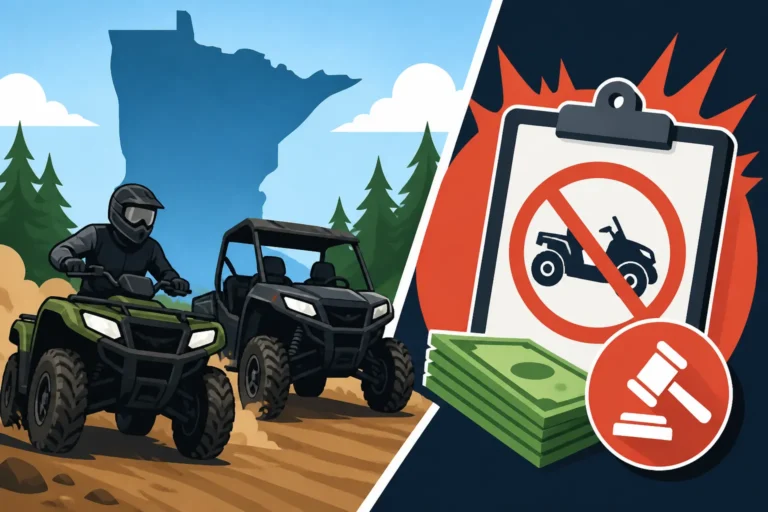
There's a common misconception swirling around Minnesota's annual "No Registration Weekend" that it's a completely free pass for all things ATV and UTV. While it's a fantastic opportunity to ride without the state's standard registration requirement, many riders misunderstand what isn't covered, leading to potential fines, safety hazards, and real headaches. This guide aims to clear up those foggy areas, ensuring you can enjoy the trails and ditches responsibly and legally during this special weekend.
Understanding the True Scope of Minnesota's No Registration Weekend
When the Minnesota Department of Natural Resources (DNR) announces its "No Registration Weekend," it's truly a generous offer for off-highway vehicle (OHV) enthusiasts. It allows residents and non-residents alike to hit designated public trails and certain public lands without needing a current Minnesota ATV or UTV registration sticker. This is a big deal, especially for folks who might be trying out the sport for the first time, bringing a newly acquired machine out, or just want to explore Minnesota's incredible trail system without the usual fee.
However, the key word here is "registration." This special weekend specifically waives only the registration requirement. It's not a blanket exemption from all rules and responsibilities that come with operating an off-highway vehicle in Minnesota. Thinking it's a free-for-all could land you in hot water with a conservation officer, or worse, put you or others at risk. It’s critical to understand that almost every other rule, regulation, and safety measure still applies, just as it would on any other riding day.
What the Waiver Actually Means
The "No Registration Weekend" fundamentally means you don't need to display a current Minnesota DNR registration decal on your machine. That annual or three-year fee that usually goes to the state? You're off the hook for that specific weekend. This is particularly appealing for those who don't ride frequently enough to justify year-round registration or for out-of-state visitors who might be hesitant about the cost of a temporary registration for just a short trip. It’s designed to encourage trail use and introduce more people to the sport.
But it’s crucial not to confuse this with a lack of accountability. While the registration itself is waived, the expectation is still that you are operating a legitimate machine. This isn't a loophole for stolen ATVs or an excuse to ignore the basic legal framework surrounding OHV ownership. The DNR is simply removing one financial barrier for a limited time, hoping to foster community and trail enjoyment.
Why Your Machine Still Needs to Be Identifiable
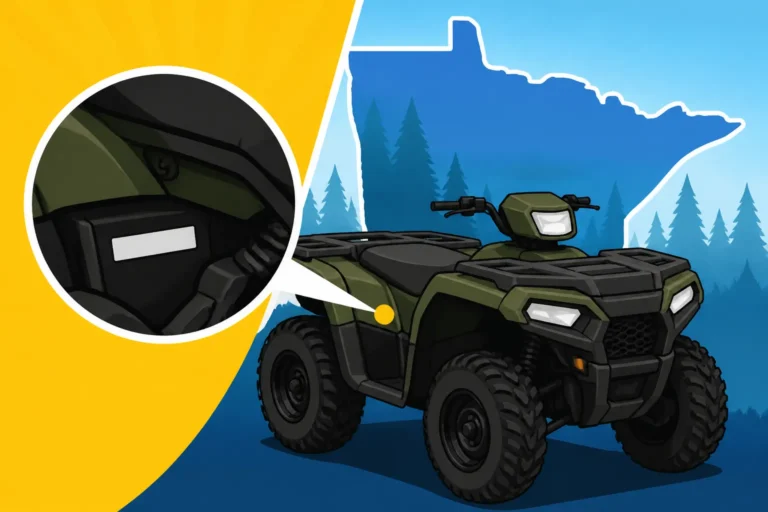
Even without a current registration sticker, your ATV or UTV isn't suddenly anonymous. Every machine has a unique identity, primarily through its Vehicle Identification Number (VIN). This VIN is a crucial piece of information that ties the machine to its manufacturing history and, more importantly, to its legal owner. Should there be an accident, a theft, or any other incident, that VIN is the first thing authorities will look for to identify the machine and its rightful owner.
Think of it like driving a car without current license tabs on a special weekend. While you might not get a ticket for expired tabs, the car still has a VIN, and you still need to be able to prove you own it. For ATVs and UTVs, the VIN helps conservation officers confirm that the machine hasn't been reported stolen and allows them to investigate any incidents properly. Knowing [Where the VIN Sits on a Quad] is always good practice.
The Importance of a Valid Bill of Sale or Proof of Ownership
During "No Registration Weekend," you might think that since you don't need to show a registration, you don't need any paperwork. This is a dangerous assumption. While a registration card isn't required, you absolutely must be able to prove that you are the rightful owner of the ATV or UTV you are operating. This typically means having a valid bill of sale, a certificate of origin (if it's a brand new machine), or an old registration from when you did have it registered.
Imagine a scenario where you're riding a friend's property and something happens—the machine is damaged, or worse, it's involved in an incident. Without clear proof of ownership, things can get incredibly complicated. A well-drafted bill of sale, perhaps one you created using a template from a service like LawDepot, can save you a world of trouble. It clearly states who bought the machine, who sold it, and for how much, providing that essential link of ownership. Conservation officers can, and often do, ask for proof of ownership even during "No Registration Weekend" to ensure legitimate use. If you’ve just made a purchase, make sure to keep a copy of [What a Minnesota Bill of Sale Should Carry] handy.
Essential Rules That Remain in Effect
Beyond just the registration itself, there's a whole host of regulations governing ATV and UTV operation in Minnesota that continue to apply, regardless of whether it's "No Registration Weekend" or any other time of year. These rules are in place for safety, environmental protection, and to ensure a harmonious experience for all outdoor enthusiasts. Ignoring them won't be excused just because you saved a few bucks on a registration sticker.
Minnesota takes its OHV rules seriously, and conservation officers are out on the trails and roadsides enforcing them. They're not just looking for registration decals; they're looking for safe, responsible operation. If you're planning to ride, make sure you're up to speed on all the rules, not just the one that's temporarily waived.
Public Trail Permits and Fees Are Not Waived
This is a big one that often catches riders off guard: the "No Registration Weekend" does not mean "No Trail Pass Weekend." If you're a non-resident, you still need to purchase a Minnesota non-resident trail pass to ride on public ATV trails, even during the "No Registration Weekend." This pass is separate from registration and helps fund the maintenance and development of Minnesota's extensive trail system. Residents typically pay for this through their registration fees, but since non-residents don't register their machines in Minnesota, they need the specific trail pass. You can learn more about [Minnesota's Non-Resident ATV Trail Pass Explained] to avoid issues.
Similarly, if you're riding in a specific OHV park, like the Iron Range OHV Area at Gilbert, any entry fees or special permits required for that area still apply. These fees contribute to the specific infrastructure and services of those parks, and they are distinct from state registration or general trail passes. Always check with the specific park or trail authority before you head out, especially if you're venturing somewhere new, to ensure you have all the necessary permits.
Safety Certification, Helmets, and Operating Laws
Safety is paramount when operating ATVs and UTVs, and Minnesota's rules reflect that. The "No Registration Weekend" absolutely does not waive safety requirements. This means:
- Safety Training: If you were born after July 1, 1987, you must still have an ATV safety certificate to operate on public lands, regardless of the weekend. This is a critical requirement designed to ensure riders understand safe operating practices and the rules of the trail. Missing this could result in a fine. For more information, check out [Minnesota's ATV Safety Training Requirement].
- Helmet Laws: Riders under 18 years of age are legally required to wear a DOT-approved helmet when operating an ATV or UTV, both on public and private land (unless on land owned or leased by a parent/guardian). This law is strictly enforced and is non-negotiable, even during the special weekend. Passengers under 18 also need helmets. You can find more details in [Minnesota Helmet Rules for Riders Under 18].
- Eye Protection: All riders, regardless of age, must wear eye protection on public lands.
- Passenger Rules: Carrying passengers beyond the manufacturer's design capacity for the machine (e.g., two people on a single-rider ATV) is still illegal and extremely dangerous. Side-by-sides are designed for multiple passengers and have appropriate restraints, but ATVs generally do not. Doubling up on a machine not designed for it is a recipe for disaster and a definite citation.
- Operating Under Influence: Driving an ATV or UTV while under the influence of alcohol or drugs is just as illegal and dangerous as operating a car in that condition. Minnesota has strict [Minnesota Alcohol Limits for ATV Operators], and those rules apply at all times, including the "No Registration Weekend." Don't ever risk it.
These safety rules are in place to protect you, your passengers, and other trail users. Disregarding them puts lives at risk and can lead to severe penalties, regardless of your registration status.
Road and Ditch Riding Regulations Still Apply
Minnesota has very specific and often misunderstood rules about operating ATVs and UTVs on public roads and in road ditches. The "No Registration Weekend" does not grant you free rein to ride anywhere you please. The limitations on riding on road surfaces, crossing highways, and using road ditches remain firmly in place. You still cannot simply ride down a paved road or highway, except for designated crossings or where local ordinances specifically allow it.
For instance, [Minnesota's Ditch Riding Rules] specify which ditches can be ridden, at what times, and under what conditions. Speed limits, rules for approaching intersections, and requirements for lighting (especially during dawn, dusk, or night) are all still enforced. These rules exist to ensure the safety of OHV riders, pedestrians, and motorists. Ignoring them could result in serious accidents or citations for illegal operation. Don't assume that because registration is waived, road rules are too.
Financial and Legal Responsibilities Beyond Registration
While the "No Registration Weekend" offers a temporary reprieve from a specific fee, it doesn't absolve you of other financial and legal obligations tied to owning and operating an ATV or UTV in Minnesota. These include tax implications, insurance requirements, and rules for machines brought in from other states.
It's common for new buyers or those new to the state to overlook these details, assuming registration is the be-all and end-all. However, these often hidden costs and requirements can quickly add up or lead to legal issues if not addressed properly.
Sales Tax and Other Purchase-Related Obligations
If you've recently purchased an ATV or UTV, especially if you're hoping to take advantage of "No Registration Weekend" to try out your new toy, remember that sales tax obligations are entirely separate from registration. Whether you bought your machine from a dealer or in a private sale, Minnesota sales tax is generally due. For private sales, this often comes into play when you do eventually register the machine, as the Deputy Registrar will collect the sales tax then.
If you bought it from a dealer, they would typically handle the sales tax at the time of purchase. If you bought it privately and haven't paid the sales tax yet, the "No Registration Weekend" is not a get-out-of-jail-free card for that tax. When you eventually go to formally register your machine, that sales tax will still be due. It's an important financial consideration, so be sure you understand [Minnesota Sales Tax on an ATV Purchase]. Similarly, if you purchased your machine out of state and brought it into Minnesota, you may owe a use tax, which is essentially the same as sales tax for out-of-state purchases.
The Ever-Present Need for ATV Insurance
While Minnesota does not mandate liability insurance for all ATV/UTV operation on private land, it is often required for public land access or trail systems. More importantly, insurance is a crucial safety net for your investment and your liability. "No Registration Weekend" does not change your insurance status or your need for coverage. If you get into an accident, whether it's your fault or not, your insurance is what will help cover damages, medical bills, and potential legal fees.
Many homeowners' insurance policies do not cover ATVs or UTVs, especially when operated off your private property. You typically need a separate ATV insurance policy. Driving without adequate insurance, even during a free riding weekend, is a huge gamble. Imagine damaging someone else's property or causing an injury; without insurance, you could be facing massive out-of-pocket expenses. Always make sure your machine is properly insured. For more insights, consider reading [Insuring an ATV in Minnesota].
Implications for Out-of-State Machines and New Residents
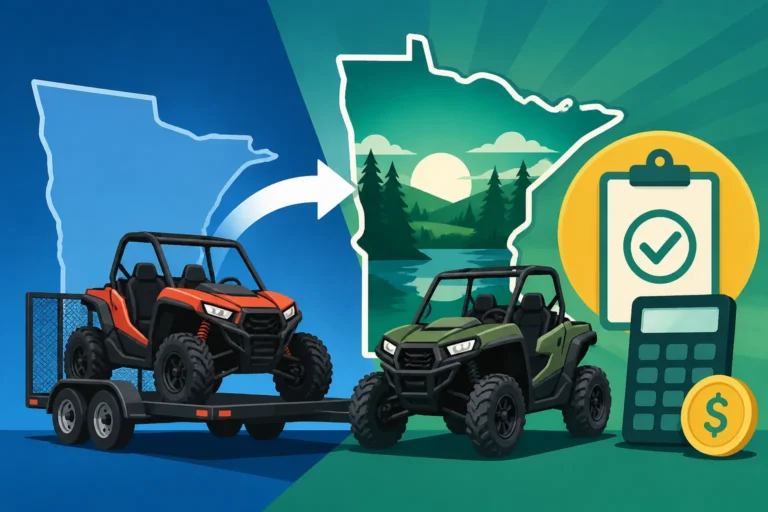
For visitors from out of state, the "No Registration Weekend" can be a fantastic way to experience Minnesota's trails. However, as mentioned, you still need that non-resident trail pass. What about bringing your machine into Minnesota as a new resident? The "No Registration Weekend" might allow you a temporary reprieve, but it doesn't change the fact that you will eventually need to register your machine in Minnesota once you establish residency.
Minnesota has specific rules and deadlines for new residents to register their out-of-state vehicles, including ATVs and UTVs. While you might enjoy the "No Registration Weekend" as a temporary measure, you'll still need to follow through with the proper steps to get your machine registered for ongoing use in the state. Delaying this process beyond the grace period for new residents could lead to complications later on. You can find more specific details on [Minnesota Registration for a New Resident].
Remember, "No Registration Weekend" is a fantastic opportunity, but it's a specific, limited waiver. Understanding what it doesn't cover is just as important as knowing what it does. Ride safely, ride responsibly, and enjoy Minnesota's beautiful outdoors!
| Feature | Covered by No Registration Weekend? | What Still Applies/Is Needed? |
|---|---|---|
| State Registration Sticker | YES | You don't need a current MN DNR sticker for that weekend. |
| Proof of Ownership | NO | Bill of sale, certificate of origin, or old registration is critical. |
| Non-Resident Trail Pass | NO | Out-of-state riders still need to purchase a separate MN trail pass. |
| Safety Training | NO | Riders born after July 1, 1987, still need a safety certificate. |
| Helmet Requirement | NO | Riders under 18 (and their passengers) must still wear DOT-approved helmets. |
| Eye Protection | NO | All riders must wear eye protection on public lands. |
| Passenger Limits | NO | Machines must be ridden as designed (e.g., no doubling up on single-seat ATVs). |
| Operating Under Influence | NO | DWI laws apply strictly to OHVs. |
| Road/Ditch Riding Rules | NO | Specific rules for ditches, crossings, speed, and lighting still apply. |
| Sales Tax Obligation | NO | Sales tax (or use tax) on purchase is still owed, typically when you formally register. |
| ATV Insurance | NO | Insurance is still highly recommended/required, and liabilities remain. |
| VIN Number Requirement | NO | Every machine needs a traceable VIN for identification. |
Disclaimer
This article is for general informational purposes only and does not constitute professional advice. Laws, prices and regulations vary by location and change over time. Consult a qualified professional for guidance on your specific situation.