Recovering a Stolen Machine in Minnesota
The sickening feeling of walking out to your garage, shed, or even your campsite, only to find your beloved ATV or UTV gone – it's a gut punch no Minnesota rider ever wants to experience. Beyond the immediate shock and anger, there's a cascade of questions: What do I do first? Will I ever get it back? This guide is here to walk you through the essential steps for recovering a stolen off-highway vehicle (OHV) in Minnesota, offering practical advice and a clear action plan during an incredibly stressful time.
Immediate Steps After Discovery
When you first realize your ATV or UTV is gone, it's natural to feel a whirlwind of emotions – disbelief, anger, panic. But taking immediate, clear-headed action can significantly improve your chances of recovery. Every minute counts in these initial stages, as the longer a machine is gone, the further it can travel and the harder it becomes to track down. Don't waste time second-guessing; move swiftly through these critical first steps.
Secure the Scene and Gather Initial Details
Before doing anything else, take a moment to assess the situation at the scene of the theft. While it might feel counterintuitive, resist the urge to immediately clean up or touch anything unnecessarily. Your goal here is to gather as much information as possible without contaminating potential evidence. Look for signs of forced entry, tools left behind, or any other anomalies that could point to how the theft occurred. If the machine was parked in a garage, check windows and doors for pry marks. If it was outside, look for tire tracks other than your own, or any items dropped by the thieves.
As you do this, make mental notes or even jot down key observations. What time did you last see the machine? Who might have seen something suspicious? Were there any security cameras in the area, even a doorbell camera from a neighbor? Think about anyone who might have been near your property. The more details you can provide to law enforcement, even seemingly minor ones, the better picture they'll have to work with when they begin their investigation. This initial forensic scan, however brief, sets the foundation for everything that follows.
Contact Law Enforcement Right Away
This is arguably the most crucial step. As soon as you confirm the theft, call 911 or your local non-emergency police line immediately. Do not delay. When you speak to the dispatcher, clearly state that your ATV or UTV has been stolen and provide your exact location. They will send an officer to your property to take an official police report. This report is absolutely vital, not only for the investigation but also for any insurance claims you might file later. The officer will ask you for specific details about your machine, the circumstances of the theft, and any evidence you've gathered.
Be prepared to provide your machine's Vehicle Identification Number (VIN), make, model, year, color, and any unique features or aftermarket accessories. Having this information readily available will expedite the reporting process. This is also where you’d want to confirm that the officer files an official "stolen vehicle" report, which is essential for placing your OHV's VIN into national databases, alerting other agencies to be on the lookout. Make sure to get a copy of the police report or at least the case number; you'll need this for your insurance company and for tracking the investigation. This official record is the backbone of your recovery efforts, proving to all involved parties that a crime has indeed occurred.
Notify Your Insurance Company
Once the police report is filed, your next call should be to your insurance provider. Even if you're not sure about your coverage, contact them anyway. Many standard homeowners policies do not cover ATVs or UTVs, or they might have very limited coverage while the machine is stored on your property, not while in use. However, if you have a dedicated [Insuring an ATV in Minnesota] policy, then you're in a much stronger position. Give them the police report number and all the details you provided to law enforcement. They'll open a claim and explain the next steps in their process, which will likely include asking for proof of ownership and the circumstances surrounding the theft.
Be upfront and honest about everything. They'll want to know the last known location of the machine, what security measures were in place, and any details about the theft itself. Your insurance company will likely ask for documentation such as the bill of sale, title, or registration. This is why keeping meticulous records is so important. Even if your machine isn't recovered, your insurance policy could provide financial compensation, allowing you to eventually replace your stolen ride. Understanding [What an Insurer Wants After a Minnesota Theft] can help you prepare for this conversation and ensure you provide all necessary documentation.
Leveraging Your OHV's Unique Identifiers
Think of your ATV or UTV's unique identifiers as its DNA. These specific details are what set your machine apart from every other one out there, making them incredibly powerful tools in the recovery process. The clearer and more widely you can disseminate these identifiers, the better the chances that someone, somewhere, will recognize your machine if it's spotted. Without these specifics, finding a needle in a haystack becomes an almost impossible task.
The Critical Role of the VIN
The Vehicle Identification Number (VIN) is the single most important piece of information for identifying your stolen ATV or UTV. This 17-character alphanumeric code is unique to your machine, much like a fingerprint. It contains information about the manufacturer, model year, and specific features of your OHV. When you reported the theft to the police, they entered this VIN into national databases such as the National Crime Information Center (NCIC). This means that if law enforcement anywhere in the country runs the VIN, it will immediately flag as stolen.
It's absolutely essential to know [Where the VIN Sits on a Quad] for both reporting and verification purposes. Typically, it’s stamped on the frame, often near the front wheel, under the seat, or on a crossmember. When buying a machine, you should always [Checking a Serial Number Before You Pay] to ensure it hasn't been reported stolen. After a theft, having your VIN readily accessible – perhaps from your registration, title, or a bill of sale – is paramount. If you don't know it offhand, you can usually find it on your registration documents or previous maintenance records. The more people who have your VIN and are looking for it, the better.
Other Identifying Marks and Features
While the VIN is king, don't underestimate the power of other distinguishing features. Think about anything that makes your ATV or UTV stand out. Was it a specific, uncommon color? Did it have custom decals or paint? What about aftermarket accessories like a particular brand of winch, a unique lighting setup, custom tires and rims, a specific plow system, or even a specialized storage box? Perhaps you had a specific kind of skid plate or an aftermarket exhaust that has a distinct sound. Even minor scratches, dents, or wear patterns that you know well can serve as identifying marks.
Take photos of your machine, if you have them, highlighting these unique characteristics. These images can be incredibly helpful when sharing information with others. Criminals often try to disguise stolen machines by removing decals, repainting them, or swapping out easily identifiable parts. However, a distinctive dent or a specific, hard-to-remove accessory can be much more difficult for them to conceal. The more detailed your description of these unique features, the more likely someone will recognize your machine, even if it's been partially altered.
Spreading the Word with Specifics
Once you've filed your police report and gathered all the identifying details, it's time to spread the word. This isn't just about general awareness; it's about sharing specific, actionable information that can help others identify and report your machine. Start with local social media groups dedicated to ATV/UTV enthusiasts, riding clubs, and community pages. Post clear photos of your machine, its make, model, year, color, and, most importantly, the VIN. Highlight those unique features we just discussed. Ask people to share the post widely.
Consider creating a simple "stolen" poster (even a digital one) that includes all this information, along with a contact number for local law enforcement and the police report number. Avoid asking people to contact you directly, as this can open you up to scams or dangerous situations; always direct them to the authorities. You might even consider posting this information on regional or national forums for ATV/UTV owners. [Checking Whether a Quad Was Reported Stolen] is something many responsible buyers do, so making your machine's VIN available increases the chances of it being flagged if someone tries to sell it. The wider and more precise your net, the better your chances of a successful recovery.
| Information Category | Essential Details for Reporting | Where to Find It |
|---|---|---|
| Vehicle Details | Make, Model, Year, Color | Registration, Title, Photos |
| Identification | Full 17-Digit VIN | Frame, Registration, Title, Bill of Sale |
| Registration Info | Minnesota Registration Number | Registration Card, DNR Records |
| Unique Features | Aftermarket parts, custom paint, distinctive damage | Photos, Personal Knowledge |
| Theft Details | Date/Time of Theft, Location, How it was stolen | Your Observation |
| Law Enforcement | Police Department, Case/Report Number | Police Report |
| Insurance | Policy Number, Claim Number | Insurance Card, Policy Documents |
The Search and Recovery Process
Getting your stolen ATV or UTV back is often a marathon, not a sprint. While the initial reporting is critical, the ongoing efforts in the days and weeks that follow are equally important. This phase involves active collaboration with law enforcement, diligent monitoring of potential resale markets, and leveraging the power of the riding community. It can be a frustrating period, but staying proactive and persistent can make all the difference.
Working with Law Enforcement
After you've filed the initial report, law enforcement will begin their investigation. This might involve patrolling areas known for suspicious activity, reviewing surveillance footage, or following up on leads. However, police departments often have numerous cases, and staying in communication can help keep your case active. Don't call daily, but a polite follow-up every week or two to see if there are any updates is generally acceptable. Provide them with any new information you uncover, no matter how small it seems. Did a neighbor mention seeing a suspicious vehicle? Did you spot something odd on a local social media marketplace? Pass it along.
Law enforcement uses various tools to track stolen vehicles. Your VIN will be in their databases, and they often share information with other agencies. They might also be on the lookout for parts being sold online if the machine has been dismantled. Understand that police are limited in what they can share about an ongoing investigation, but confirming that your machine is still actively listed as stolen is important. Having a strong paper trail for your ownership, such as a [What a Minnesota Bill of Sale Should Carry] from when you purchased it, and your current [Proof of Ownership for a Minnesota ATV] with the DNR, will aid their efforts if they recover a machine that needs to be positively identified as yours.
Monitoring Online Marketplaces
Thieves often try to quickly sell stolen ATVs and UTVs through online classifieds, social media marketplaces, or even pawn shops. This is where your active role in the search becomes crucial. Regularly monitor sites like Craigslist, Facebook Marketplace, and local online groups. Search for your specific make, model, and year, but also use broader terms like "quad for sale" or "side-by-side MN." Be mindful that thieves might alter details, misspell words, or use generic descriptions to avoid detection. Look for suspiciously low prices, sellers who seem overly eager to sell quickly, or those who can't provide proper documentation.
If you find a listing that you suspect is your machine, do not contact the seller directly. This can be dangerous and could compromise the police investigation. Instead, gather all the information about the listing – screenshots, the seller's profile, the location – and immediately provide it to the law enforcement agency handling your case. They have the resources and legal authority to investigate these leads safely. They can arrange a controlled meetup or use other investigative techniques. This diligence in monitoring can often lead to a breakthrough, as many stolen machines are recovered through tips from the public.
Engaging with the Riding Community
The Minnesota ATV and UTV riding community is vast and incredibly supportive. This network of fellow enthusiasts can be an invaluable asset in the recovery process. Beyond just sharing your "stolen" post on social media, consider reaching out to local riding clubs, trail associations, and even dealerships. Many clubs have their own forums or social media pages where they can share information about stolen machines. Dealerships might also be on the lookout for certain models or parts if they hear about a theft.
Word-of-mouth among riders can travel fast, especially if someone spots a machine that fits your description. People who frequent local trails, campgrounds, or popular riding spots might be more likely to notice something out of place. Encourage them to keep an eye out for machines matching your description, especially if they see one being trailered or ridden in an unusual location. Just as you might use a service like LawDepot to draft important legal documents, the riding community can serve as a powerful informal network, extending your reach far beyond what official channels alone might achieve. Their collective eyes and ears can be a force multiplier in getting your machine back home.
Dealing with the Aftermath and Prevention
The journey of recovering a stolen ATV or UTV doesn't end when the machine is found, or when the insurance claim is settled. There's an aftermath to navigate, whether it's reuniting with your recovered machine, dealing with the financial implications, or, most importantly, taking steps to prevent such a traumatic event from happening again. This final phase is about finding closure and enhancing your security moving forward.
When Your Machine is Recovered
If your ATV or UTV is recovered, it's a moment of immense relief, but also one that requires practical steps. Law enforcement will notify you, and they will typically require you to positively identify the machine before it's released. This is where those detailed descriptions, photos, and your VIN become critical. You'll need to confirm it's truly your machine. Be prepared for potential damage; unfortunately, stolen machines are often ridden hard, neglected, or stripped of parts. Document any damage with photos immediately, especially if you have an active insurance claim, as this can affect your payout for repairs.
You'll also need to consider how to transport the recovered machine home. Depending on its condition, it might not be rideable. There may be impound fees or storage costs, particularly if it was recovered by an agency outside your immediate jurisdiction. Your insurance company might cover these costs, so keep all receipts. If the machine was significantly damaged, you might face a decision: repair it, or if the damage exceeds a certain percentage of its value, your insurance company might declare it a total loss. This could then bring into play concepts of [Salvage and Rebuilt Machines in Minnesota] if you decide to repair and re-register a significantly damaged OHV.
Understanding Insurance Payouts
If your machine isn't recovered, or if it's totaled after recovery, your insurance claim will move towards a payout. The amount you receive will depend heavily on your policy's terms, including your deductible, the type of coverage (e.g., actual cash value vs. replacement cost), and the agreed-upon value of your machine. Be prepared to provide extensive documentation, including the police report, proof of ownership, photos of the machine, and any receipts for aftermarket parts and accessories that might increase its value. Understanding the intricacies of [Minnesota ATV Insurance Cost] and coverage types beforehand can significantly impact your experience here.
The insurance company will likely conduct its own investigation and might request additional information. Be patient but persistent in providing what they need. If you had customized parts, try to provide receipts for those as well, as they may add to the valuation. For comprehensive documentation, some owners create detailed asset lists, perhaps even using a digital template from a service like LawDepot, to track their OHV's original purchase details, upgrades, and maintenance history. This kind of robust record-keeping can be invaluable in substantiating your claim and ensuring you receive a fair settlement, helping you recover financially from the loss.
Proactive Steps to Prevent Future Theft
Losing a machine to theft is a horrible experience, and the best "recovery" is always prevention. Once you've gone through this ordeal, you'll likely be highly motivated to enhance your security. Start by improving physical security measures. Invest in heavy-duty chains and locks to secure your ATV or UTV to an immovable object, even when it's stored in a garage or shed. Consider ground anchors for added security. A high-quality alarm system with GPS tracking can also be a significant deterrent and aid in Recovering a Stolen Machine in Minnesota if it happens again. GPS trackers can often provide real-time location data, greatly increasing the chances of immediate recovery.
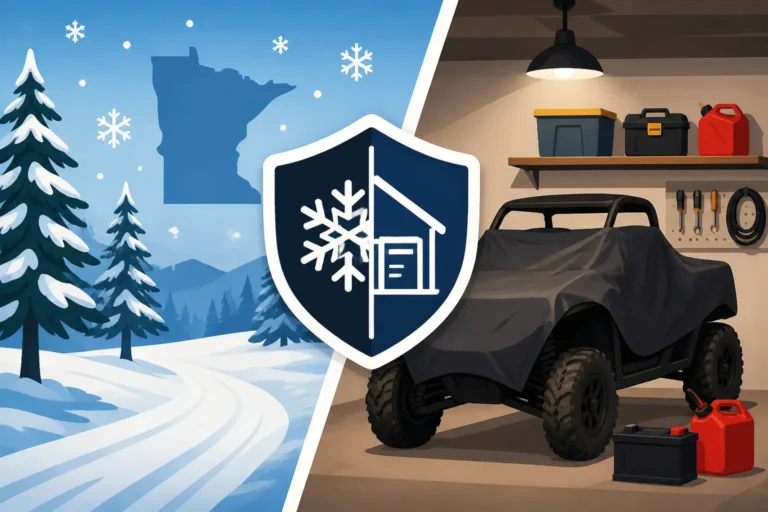
Review your storage practices. If possible, store your machine out of sight, in a locked garage or shed. Don't leave keys in the ignition or readily accessible. Consider adding motion-sensor lighting around your storage area. Think about your [Minnesota Records and a Machine's Ownership History] – ensure all your documentation is up-to-date and stored securely, but separate from the machine itself. When buying a used machine, always check its history thoroughly, using services to look up the VIN to ensure it isn't stolen. Companies like LawDepot also provide templates for bills of sale and other ownership documents that can help establish a clear chain of title, which is crucial if you ever need to prove ownership after a theft or in any other legal dispute. Remember, while no security measure is 100% foolproof, a layered approach makes your machine a much less appealing target for thieves.
Disclaimer
This article is for general informational purposes only and does not constitute professional advice. Laws, prices and regulations vary by location and change over time. Consult a qualified professional for guidance on your specific situation.