Buying From a Minnesota Dealer: What They File
Buying a new or even a "new to you" ATV or UTV can be exhilarating, but the thought of all the paperwork often brings that excitement crashing down. Especially in Minnesota, where registration and titling rules can feel like navigating a bog, understanding what your dealer handles for you is a huge relief. This guide will walk you through the essential paperwork and filing processes a Minnesota dealer typically manages, so you can focus on hitting the trails, not getting stuck in bureaucratic mud.
The Dealer's Role in Minnesota ATV/UTV Sales
When you purchase an off-highway vehicle (OHV) like an ATV or UTV from a licensed dealer in Minnesota, you're not just buying a machine; you're also benefiting from their expertise in navigating the state's intricate registration and titling requirements. This isn't just a courtesy; it's often a legal responsibility for them, and it simplifies your life immensely. Dealers are equipped to handle the initial heavy lifting, ensuring your new ride gets properly recorded with the Minnesota Department of Natural Resources (DNR) and the Minnesota Department of Public Safety (DPS) Driver and Vehicle Services (DVS).
Why Dealers Handle the Paperwork
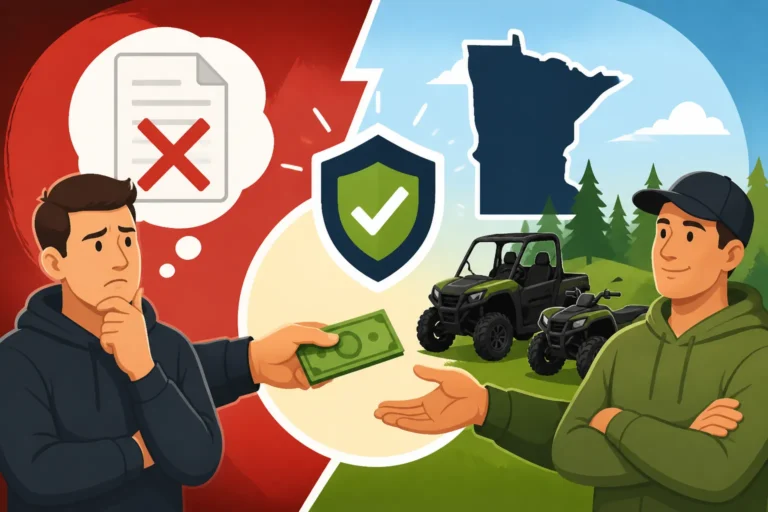
Think about it: a reputable dealership processes dozens, if not hundreds, of these transactions every year. They know the forms inside and out, they understand the nuances of the laws, and they have established systems for submitting everything correctly and promptly. For you, the buyer, this means a significantly reduced risk of errors that could delay your registration or, worse, lead to fines down the line. Imagine trying to figure out which specific forms you need, filling them out perfectly, calculating the correct sales tax, and then finding the right office to submit it all to. It's a daunting task that dealers are set up to manage efficiently.
This dealer-handled process is a stark contrast to buying a used machine from a private seller, where the burden of filing everything falls squarely on your shoulders. While that can save you a few bucks on "doc fees," it often translates into hours of your own time spent researching, waiting in line, and double-checking every detail. With a dealer, that expertise is baked into the service, letting you bypass much of the initial administrative hassle.
Temporary Permits and Immediate Riding
One of the biggest perks of buying from a dealer is the ability to get a temporary operating permit right there on the spot. This isn't just a nice-to-have; it's crucial if you're eager to get your new machine out onto the trails or your property almost immediately. A temporary permit usually allows you to operate the ATV or UTV for a limited time, typically 21 days, while the official registration and title are processed by the state.
This temporary permit means you don't have to wait for the state to mail you your permanent registration card and decal before you can enjoy your purchase. It provides peace of mind that you're operating legally during that interim period. Just make sure you understand the expiration date and know that you still need to carry proof of this temporary permit with you whenever you ride. It’s always a good idea to confirm with your dealer exactly what steps they take to issue this permit and what information you'll need to keep handy.
The Essential Paperwork Your Dealer Files
When you purchase an ATV or UTV from a Minnesota dealer, they act as an intermediary, collecting necessary information and fees from you and submitting them to the appropriate state agencies. This process is designed to ensure your ownership is recorded, your taxes are paid, and your machine is legally ready for Minnesota's varied terrain.
Application for Title and Registration
This is arguably the most critical piece of paperwork the dealer handles. When you drive off the lot with your new machine, the dealer will typically submit the "Application for Title and Registration" on your behalf. This form is what officially transfers ownership to you and initiates the process of getting your unique Minnesota registration number and sticker. The dealer collects all the pertinent information from you — your name, address, contact details, and any co-owners — and accurately records the machine's details, such as the Vehicle Identification Number (VIN), make, model, and year. They'll also ensure that the correct DNR Off-Highway Vehicle (OHV) fees are paid for the [Minnesota ATV Registration Fee for Three Years].
Think of this as the foundation for your machine's legal identity in Minnesota. Without this properly filed, your machine won't be officially recognized as yours by the state, which can lead to complications with insurance, future sales, or even law enforcement. The dealer's accuracy here is paramount, as mistakes on this initial application can create headaches down the road, potentially requiring you to file for a [Correcting a VIN on a Minnesota Record] if an error slips through.
Sales Tax Collection and Remittance
Minnesota requires sales tax to be paid on the purchase of ATVs and UTVs, just like most other vehicle sales. When you buy from a dealer, they are responsible for calculating, collecting, and remitting this sales tax to the state on your behalf. This is a significant convenience, as it means you don't have to worry about separate filings or payments for the tax. The sales tax amount will be clearly itemized on your purchase agreement or bill of sale.
The dealer uses the purchase price of the machine, minus any trade-in value, to calculate the sales tax. For instance, if you trade in an older machine, the sales tax is only applied to the difference you pay out of pocket. This is an area where buying from a dealer is often simpler than a private sale, where you might have to pay [Minnesota Sales Tax on a Private ATV Sale in Minnesota] directly to the state or face [Use Tax on a Machine Brought Into Minnesota] if you buy out of state. The dealer streamlines this financial aspect, bundling it into your overall transaction, so you're not left with an unexpected tax bill weeks later.
Reporting Any Liens
If you finance your ATV or UTV purchase through the dealership or an associated lender, the dealer will also be responsible for reporting the lien to the state. A lien is a legal claim against the machine by the lender until the loan is fully paid off. This means the state's records will show that the machine has a lien holder, preventing you from selling the machine freely without satisfying the outstanding debt.
The dealer ensures this information is correctly recorded with the titling agency as part of the overall application. This protects the lender by documenting their interest in the property. It's important for you, as the buyer, to understand that until the loan is paid off, the title to your machine will be held by the lender, or a lien will be prominently noted on it. This is a standard practice in vehicle financing, and the dealer's role is to ensure all parties are legally documented. Understanding [Liens on a Minnesota ATV Record] is crucial for any financed purchase.
Understanding Fees and Taxes Handled by the Dealer
Beyond the basic purchase price, there are several fees and taxes involved in buying an ATV or UTV in Minnesota. A reputable dealer will clearly itemize these costs on your purchase agreement, making it transparent what you're paying for. Understanding these additional charges upfront can help you budget accurately and avoid any surprises.
Registration Fees
As mentioned earlier, the dealer collects the necessary registration fees for the Minnesota DNR on your behalf. This fee covers the cost of officially registering your ATV or UTV for a three-year period. It ensures your machine is entered into the state's system and that you receive the required registration card and decal. The amount of this fee is set by the state and can vary depending on the type or class of your machine. For example, [Minnesota ATV Classes and What They Mean] might dictate different fees for a smaller utility quad versus a larger side-by-side.
When the dealer collects this fee, they forward it to the DNR, initiating the mailing of your official registration materials. It’s important to note that this is a separate fee from the sales tax and any documentation fees. While the dealer facilitates the payment, the fee itself goes directly to the state to support trail systems and OHV programs, an investment into our fantastic [Minnesota's Grant-in-Aid Trail System].
Documentation Fees
Often referred to as "doc fees" or "dealer prep fees," these are charges imposed by the dealership for the administrative work involved in processing your sale. This includes preparing the paperwork, submitting forms to the state, and ensuring compliance with all regulations. Documentation fees are a common practice in the automotive and powersports industry, and while they can sometimes feel like an extra burden, they cover the real costs associated with the dealer's time and resources in handling the complex administrative tasks.
These fees can vary from one dealership to another, so it's always a good idea to ask about them early in the buying process. While they are usually non-negotiable, a transparent dealer will explain what they cover. It's critical that these fees are disclosed upfront and are not sprung on you at the last minute. This fee is distinct from the actual state registration and titling fees; it goes directly to the dealership for their services.
Title Fees
In Minnesota, off-highway vehicles, including ATVs and UTVs, are generally titled, much like cars and trucks. The title is the official document proving ownership. The dealer will collect the state-mandated title fee from you and submit it along with your application for title and registration. This fee covers the cost of processing and issuing your official Minnesota title certificate.
The title certificate is a crucial document that you'll need if you ever sell your machine in the future. It's often the ultimate proof of legal ownership. While the dealer handles the initial filing and fee, the title document itself will be mailed to you (or your lienholder, if financed) by the state, typically after your registration is complete. Understanding the significance of this document, and ensuring it eventually arrives, is part of being a responsible OHV owner. This process ensures you adhere to [Minnesota Title Rules for an Off-Highway Vehicle].
What You Need to Bring to the Dealership
Even though the dealer handles much of the heavy lifting, your cooperation is essential. There are certain documents and pieces of information you'll need to provide to them to ensure a smooth and legal transaction. Being prepared will help speed up the process and get you on the trails faster.
Personal Identification
Just like any other major purchase, you'll need to prove who you are. The dealership will require a valid form of personal identification, typically a Minnesota driver's license or state ID card. This is used to verify your identity, ensure the accuracy of your name and address on all official documents, and meet anti-fraud regulations. If there are multiple owners, each person will need to provide their identification.
Make sure your ID is current and matches the information you intend to use for registration. Any discrepancies could cause delays. For instance, if your address on your license is outdated, it's best to update it with the DVS before heading to the dealer, or at least be prepared to provide proof of your current residence. The dealer needs to be sure they are registering the machine to the correct individual(s).
Proof of Insurance
While Minnesota does not mandate liability insurance for ATVs and UTVs statewide for all types of riding, many dealers and lenders will still require you to show proof of insurance before you can take possession of your new machine, especially if you're financing it. This is a smart practice for everyone involved, protecting you, the lender, and potentially others. Some private trails or riding areas might also require proof of insurance to access them.
It's highly advisable to arrange for insurance coverage before you pick up your new machine. Contact your insurance agent and get a policy in place that covers your ATV or UTV for both liability and potentially collision or comprehensive coverage, depending on your preferences. Having the insurance policy number or a binder from your insurer ready will prevent any last-minute holdups. You can learn more about [Insuring an ATV in Minnesota] to make an informed decision.
Payment Method and Trade-In Details
Naturally, you'll need to arrange for payment. This could involve cash, a cashier's check, a personal check (though dealers may hold the vehicle until it clears), a loan through the dealership, or financing from your own bank or credit union. If you've secured external financing, be sure to bring all the necessary loan documents and contact information for your lender.
If you're trading in an existing ATV or UTV, be prepared with its title and any current registration documents. The dealer will need these to properly transfer ownership of your trade-in and apply its value towards your new purchase. Make sure any existing liens on your trade-in are clear, or that you have arrangements in place with your dealer and lender to pay them off. Having all these financial details sorted out beforehand will make the final transaction seamless.
Your Responsibilities After the Sale
While a Minnesota dealer handles a significant portion of the initial registration and titling process, your job isn't entirely over once you shake hands and ride off the lot. There are still a few important responsibilities that fall to you to ensure everything remains legal and up-to-date.
Verifying Receipt of Official Documents
After the dealer submits all your paperwork to the state, you'll need to keep an eye out for your official registration card, the registration decal (sticker), and your title certificate (or notification to your lienholder). This can take a few weeks to arrive by mail. If you haven't received them within a reasonable timeframe (which your dealer should be able to estimate), it's your responsibility to follow up.
First, contact the dealership to inquire about the status of the submission. If they confirm everything was sent, you may need to contact the Minnesota DNR directly to check on the processing status. This verification step is crucial, as operating your ATV or UTV without current registration is illegal and can result in [Penalties for an Unregistered ATV in Minnesota]. Make sure you know [Where a Minnesota ATV Registration Sticker Goes] once it arrives!
Keeping Paperwork Accessible
Once you receive your official registration card, it's a legal requirement to carry it with you whenever you operate your ATV or UTV on public lands or trails. This can be a physical copy in a waterproof bag on your machine, or a digital copy on your phone if allowed by law enforcement (though a physical copy is often preferred in areas with no cell service).
The registration decal needs to be prominently displayed on your machine in the designated location. The title certificate, being a highly important document, should be stored securely in a safe place at home, separate from your machine, to prevent loss or theft. It's always a good idea to make copies of all essential documents for your records. Consider using a service like LawDepot to organize your personal records if you're managing multiple machines or need to formalize any personal agreements related to your OHV use.
Registration Renewal
Remember that Minnesota ATV and UTV registrations are valid for three years. It is your responsibility to renew your registration before it expires. The Minnesota DNR typically sends out renewal notices as a courtesy, but it's not guaranteed, and relying solely on these reminders can lead to an expired registration if one gets lost in the mail.
Mark your calendar or set a reminder for when your registration is due. You can often renew your [Minnesota Registration Renewal Every Three Years] online through the Minnesota eLicense system or at a [Deputy Registrars That Handle ATV Registration] office. Staying on top of renewals ensures continuous legal operation and helps fund the very trail systems we all enjoy. Forgetting to renew is a common oversight that can easily be avoided with a little proactive planning.
Choosing the Right Dealer for a Smooth Process
The dealership you choose can significantly impact your buying experience, particularly concerning the paperwork and state filings. Not all dealerships offer the same level of service or efficiency in this area. Taking the time to select a reputable and competent dealer is a critical step in ensuring a hassle-free purchase and registration.
Reputation and Experience
Look for dealers with a strong reputation for customer service and extensive experience in selling ATVs and UTVs. Ask fellow riders for recommendations, read online reviews, and check with local riding clubs. A dealer who has been in business for many years and specializes in off-highway vehicles is more likely to have a streamlined process for handling registration and titling. They'll also be more knowledgeable about Minnesota's specific laws and any recent changes.
A dealer's reputation often reflects their commitment to doing things right, which includes meticulous attention to detail on paperwork. Conversely, a dealer with a history of complaints about lost paperwork or delayed registrations should be approached with caution. You want a partner in your purchase, not an additional source of stress.
Transparency in Fees and Process
A trustworthy dealer will be completely transparent about all costs involved in your purchase, including the sales tax, registration fees, title fees, and any documentation fees. They should provide a clear, itemized breakdown of these charges in your purchase agreement before you sign anything. If a dealer is vague about fees or tries to add unexpected charges at the last minute, that's a red flag.
Don't hesitate to ask questions about each line item on the invoice. Understand what each fee covers and how it contributes to the final cost of your machine. A good dealer will be patient and willing to explain every detail, ensuring you feel confident and informed about your investment. This transparency extends to how they handle the state filing process itself — they should be able to articulate the steps they take and what you can expect as a timeline for receiving your documents.
Post-Sale Support
Even after the sale is complete, a good dealer will offer some level of post-sale support, especially if you encounter issues with your registration or title documents arriving. They should be accessible and willing to assist if you need to follow up with the DNR or DVS, providing copies of submitted forms if necessary.
While they can't control the state's processing times, they can act as an advocate or provide guidance. This kind of ongoing support is invaluable and distinguishes a truly customer-focused dealership from one that simply makes a sale and moves on. Building a relationship with a dealer who stands by their customers can make a huge difference, particularly for new riders who are navigating the world of Minnesota OHV ownership for the first time.
| Aspect | Dealer Responsibility | Buyer Responsibility |
|---|---|---|
| Sales Contract | Prepares and finalizes | Reviews, understands, and signs |
| Application for Title/Reg | Completes, collects data, submits to state | Provides accurate personal info and ID |
| Sales Tax | Calculates, collects, and remits to state | Pays sales tax as part of purchase |
| Registration Fees | Collects and remits to DNR | Pays registration fees |
| Title Fees | Collects and remits to DVS | Pays title fees |
| Lien Reporting (if any) | Reports lien to state on behalf of lender | Understands lien terms and payment obligations |
| Temporary Permit | Issues temporary operating permit | Carries temporary permit while riding |
| Official Documents | Ensures submission; may track status | Verifies receipt (registration, decal, title) |
| Document Storage | Maintains internal sales records | Stores registration card on machine, title securely at home |
| Renewal | May send courtesy reminders | Initiates and completes timely renewal |
| Insurance | May require proof, can offer options | Arranges and maintains adequate coverage |
Disclaimer
This article is for general informational purposes only and does not constitute professional advice. Laws, prices and regulations vary by location and change over time. Consult a qualified professional for guidance on your specific situation.