Liens on a Minnesota ATV Record
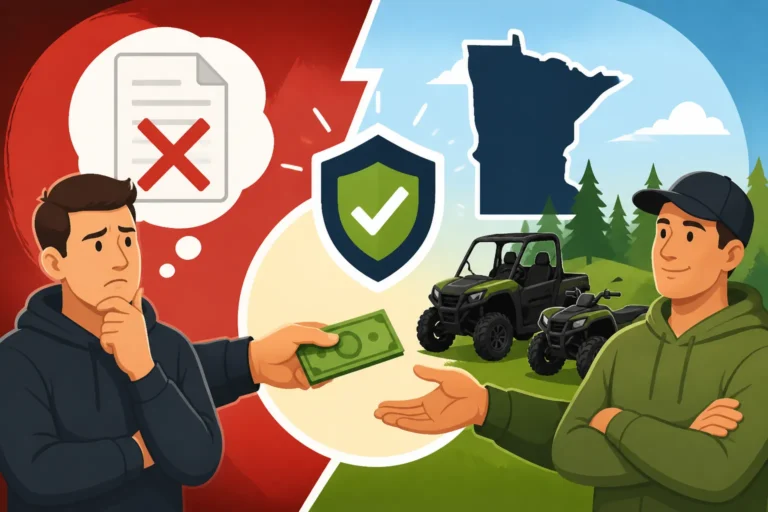
One of the trickiest things about buying or selling an ATV or UTV in Minnesota, especially if you're dealing with a private party, is navigating the world of liens. It's a frustrating situation when you think you've found the perfect machine, only to discover a hidden claim on its title, or when you're ready to sell, but your old loan paperwork is nowhere to be found. This guide is here to walk you through everything you need to know about liens on a Minnesota ATV or UTV record, from what they are and how they get there, to checking for them before you buy, and ultimately, how to get them removed so you can truly call that machine your own.
Understanding What a Lien Is and Why It Matters for Your ATV
Let's start with the basics, because understanding what a lien actually is is the first step to confidently dealing with one, whether you're a buyer, a seller, or just an owner who's curious about their own machine's status. It's not some abstract legal jargon; it's a very real claim that can dictate the future of your beloved off-road vehicle.
The Basic Definition of a Lien
At its heart, a lien is simply a legal claim or right against an asset, which in our case, is your ATV or UTV. Think of it like a safety net for a creditor. If you borrow money to buy something valuable, the lender wants to make sure they get their money back. A lien is their way of saying, "If you don't pay us back, we have a legal right to take possession of that thing you bought with our money." It’s a formal declaration that someone else has a financial interest in your property, even if you’re the one currently driving it around.
For your ATV or UTV, this almost always means that a bank, credit union, or dealership that provided financing for the purchase has placed a lien on the machine's title. This lien essentially tells the world, and more importantly, the Minnesota DNR, that there's an outstanding debt tied to that specific vehicle. Until that debt is fully satisfied, the lien remains active, preventing a clear transfer of ownership. It’s a vital piece of information because it directly impacts who truly has the final say over the machine's future, especially if payments fall behind. Without understanding this fundamental concept, you could unknowingly buy a machine with a significant legal entanglement, putting your investment at serious risk.
Why Liens Are Crucial for Minnesota ATV Owners
The presence of a lien transforms your ownership from absolute to conditional. While you might be the one riding the trails of Nemadji State Forest or navigating the mud at the Iron Range OHV Area, if there's an active lien, you don't hold full, unencumbered ownership. This distinction is absolutely crucial for several reasons, and ignoring it can lead to some truly heartbreaking and financially damaging situations down the line.
First and foremost, if you're looking to sell your ATV or UTV, an active lien means you cannot provide a "clear title" to a buyer. The Minnesota DNR will not transfer registration and titling into a new owner's name until that lien is satisfied and removed. Imagine you’ve found a keen buyer, you shake hands, and they hand over the cash, only to find out later that they can’t legally register the machine because a bank still holds a claim. That buyer will be furious, and you’ll be on the hook to resolve the lien, potentially needing to return their money or face legal action. This is why when someone asks about [Transferring a Minnesota ATV After a Sale], the presence of a lien is often the first hurdle.
Secondly, for buyers, encountering an undisclosed lien after purchase is a nightmare scenario. If you buy a used ATV and the seller hasn't paid off their loan, the lender still has a right to repossess that machine, even from you, the new, unsuspecting owner. You could be out your money and your machine, left with only a potential lawsuit against the original seller, who might be difficult to track down. This is why checking for liens is paramount and non-negotiable when you’re looking at [Buying a Used ATV in Minnesota: The Paperwork]. It's not just about getting the machine; it's about getting the legal right to it.
Finally, for current owners, understanding your lien status is vital for financial planning. If you want to use your ATV as collateral for another loan, or simply have a full understanding of your assets, knowing if there’s a lien provides clarity. It dictates your freedom to make decisions about the machine without needing the lender’s involvement. In short, a lien is a silent partner in your ATV ownership, and it’s one you always need to be aware of and eventually, pay off to truly gain full control.
How Liens Get Placed on a Minnesota ATV Record
It's natural to wonder how these liens appear on a record in the first place. For most folks, it's a very straightforward process tied directly to how they acquired their machine. But sometimes, other less common scenarios can lead to a lien appearing, which is why it's good to be aware of the different pathways a claim can take on your ATV's record.
The Role of Financing in Creating a Lien
The most common way a lien finds its way onto a Minnesota ATV or UTV record is through financing. When you walk into a dealership, like one of the big Polaris or Can-Am dealers, or even a local credit union, and take out a loan to purchase a new (or sometimes a used) off-road vehicle, the lender isn't just handing over cash based on your good looks. They need security for that loan, and that security is the ATV itself.
Here's how it generally works: When you sign the loan agreement, you're also typically signing a "security agreement" or a "promissory note" that explicitly states the ATV is collateral for the loan. The lender then takes this documentation and files a lien statement with the appropriate state authority. In Minnesota, for ATVs and UTVs, this usually means filing with the Department of Natural Resources (DNR), which manages the registration and titling of off-highway vehicles. They'll note the lienholder's information directly on the machine's title record. This doesn't mean the DNR is doing the financing; rather, they are the central registry that keeps track of these legal claims for transparency and to facilitate proper ownership transfers.
So, for example, if you finance a new Polaris Ranger at a dealership in Brainerd, the dealer will process the paperwork, send it to the bank or financing company, and that lender will then officially notify the Minnesota DNR of their interest in your Ranger. From that moment on, until that loan is paid in full, your ATV record will show an active lien, serving as a public notice that a third party has a financial claim to your machine. This process ensures that if you were to try and sell the ATV before paying off the loan, any buyer performing due diligence would discover the lien, protecting them from an unfair transaction. It’s a standard operating procedure designed to protect lenders and future buyers alike.
Other Types of Liens and Uncommon Scenarios
While financing is the usual suspect, there are other, less common ways a lien might appear on an ATV record. These can be particularly frustrating because they often arise from unexpected situations or disputes. Knowing about them can help you protect yourself and avoid future headaches.
One such scenario, though rarer for ATVs than for cars, is a mechanic's lien. Imagine you take your UTV to a repair shop for a costly engine overhaul, and for whatever reason, you don't pay the bill. In some jurisdictions and under specific circumstances, the shop owner might be able to place a lien on your vehicle to secure payment for their services. This usually involves the shop maintaining possession of the vehicle until the debt is settled, but if the ATV is released and the debt remains, they might still pursue a lien. These situations are highly dependent on local laws and specific contracts, so it's not a blanket rule, but it's a possibility.
Another type is a judgment lien. This arises when someone sues the ATV owner for an unpaid debt (perhaps an old credit card bill, or a personal loan) and wins a court judgment. If the owner doesn't pay the judgment, the creditor can then go to court to place a lien on the owner's assets, which could include an ATV. This turns an unrelated personal debt into a claim on your machine. Similarly, if your ATV is impounded for a violation and you fail to pay storage fees or fines, the impounding authority or storage facility might be able to place a lien for the outstanding costs.
These non-financing liens are typically more complex to resolve and often involve court orders or specific legal procedures. They highlight the importance of not just financial responsibility but also legal awareness as an ATV owner. While less frequent, they are stark reminders that liens aren't solely confined to the purchase price of your machine. It’s always best to keep your financial house in order to avoid these kinds of complications appearing on your [Minnesota Records Request for a Machine].
How to Check for Liens on a Minnesota ATV Before You Buy
This section is for every single one of you out there looking to score a sweet deal on a used ATV or UTV. I cannot stress this enough: never skip checking for a lien. It might feel like an extra step, but trust me, it’s the most important one you’ll take to protect your hard-earned cash from turning into a nightmare.
The Importance of Due Diligence for Buyers
Let's be brutally honest: buying a used ATV or UTV can feel like navigating a minefield. There are fantastic deals to be had, but there are also plenty of pitfalls, and an undisclosed lien is perhaps the biggest and most devastating one. Due diligence isn't just a fancy phrase; it's your shield against losing thousands of dollars and ending up with nothing but regret.
The cold, hard truth is that if you buy an ATV with an active lien on its record, you're buying someone else's debt. The lienholder (usually a bank or finance company) still has a legal claim to that machine, regardless of who is currently holding the keys. This means that if the original owner stops making payments, the bank can come looking for their collateral – your newly purchased ATV. They have the legal right to repossess it, even from an innocent buyer. You, the buyer, would then be out the money you paid, and the machine you thought was yours. Your only recourse would be to pursue the seller, which can be an expensive, time-consuming, and often futile endeavor if the seller has disappeared or has no assets.
Sellers, whether intentionally or unintentionally, sometimes "forget" to mention a lien. Maybe they’re desperate for cash, or perhaps they genuinely don’t understand the full implications. This is why you can’t simply take a seller’s word for it. It's your responsibility to verify the machine's clean title status before any money changes hands. This isn’t about mistrusting people; it’s about smart financial practice and protecting yourself in a transaction where thousands of dollars are at stake. Always prioritize confirming the machine's legal status over rushing to seal the deal. This is absolutely critical when considering [Buying a Used ATV in Minnesota: The Paperwork].
Performing a Minnesota ATV Record Search
Now that you understand why checking for liens is so vital, let's talk about how to actually do it. Fortunately, the process in Minnesota for uncovering an ATV's history, including any active liens, is fairly straightforward, though it does require a bit of proactive effort on your part.
The primary method for a buyer to check for liens is by requesting a record search from the Minnesota Department of Natural Resources (DNR). The DNR maintains the registration and titling records for all off-highway vehicles in the state. To initiate this search, you'll typically need the machine's Vehicle Identification Number (VIN). This unique 17-character code is like the ATV's fingerprint and will allow the DNR to pull up its complete history. While not always required, having the current owner's name can sometimes help narrow down the search, especially if there's any ambiguity with the VIN. You can often find the VIN stamped on the frame, usually on the front right side, near the handlebars, or on the engine casing. It's crucial to verify the VIN on the machine matches any paperwork the seller provides.
Once you submit your request and any associated fees, the DNR will provide you with a report detailing the machine's registration history, previous owners, and most importantly for our discussion, any active liens recorded against it. If a lien is present, the report will typically list the lienholder's name (e.g., "Bank of Minnesota," "First Credit Union") and sometimes the date the lien was filed. This information gives you immediate leverage to discuss the lien with the seller and demand that it be satisfied before you proceed. This type of detailed search is precisely what is covered in [Minnesota Records Request for a Machine].
Beyond the official DNR search, always ask the seller for any original title documents or proof of ownership. If they claim the machine is paid off, they should have a clear title in hand, or at the very least, a lien release letter from their bank. If they can't produce these documents, it's a major red flag, and you should proceed with extreme caution, or better yet, walk away. Don't let the excitement of a potential purchase override your common sense here; a few dollars for a record search can save you thousands in potential heartache.
Removing a Lien from Your Minnesota ATV Record
So, you've successfully paid off your ATV loan – congratulations! That's a huge milestone. But the celebration isn't quite over until that lien is officially removed from your Minnesota ATV record. This final step is essential to ensure you have clear title to your machine, ready for future adventures or a smooth sale.
The Payoff Process for Financed ATVs
When you finally make that last payment on your ATV loan, it’s a moment of triumph. But the process of actually removing the lien from your record isn't always automatic and requires a little follow-through. It’s crucial to understand these steps to ensure you gain full, unencumbered ownership.
Once your loan is paid in full, your lender (whether it’s a bank, credit union, or finance company) has a legal obligation to release their claim on your ATV. Typically, they will do this by sending you a "Lien Release" document. This document is essentially a formal statement on the lender’s letterhead, often signed and notarized, confirming that the loan has been satisfied and they no longer have any financial interest in your machine. This might come in the mail automatically, or you might need to specifically request it. It's important to be proactive here; don't assume it will just show up. Keep track of when your last payment was made and follow up with the lender if you don't receive the release within a reasonable timeframe (usually a few weeks).
Once you have this precious Lien Release document in hand, the next step is to formally update the records with the Minnesota DNR. You'll need to submit the lien release to the DNR, along with your original title (if you had a paper title with the lienholder noted) or a request for a new, "clear" title. The DNR will process this paperwork, remove the lienholder's name from your machine's record, and then issue you a new title that shows no liens. This new title is your ultimate proof that the ATV is truly yours, free and clear. Without this final step, even though you've paid off your loan, the DNR's records would still show an active lien, which could cause issues down the road when you go to sell or transfer ownership. Ensuring your [Minnesota Title Rules for an Off-Highway Vehicle] are correctly updated is the final piece of the puzzle.
Handling Lost Lien Releases or Uncooperative Lenders
Life doesn't always go according to plan, and sometimes, despite your best efforts, the lien release documentation goes missing, or you hit a snag with an uncooperative lender. These situations can be incredibly frustrating, but there are steps you can take to resolve them.
First, if you've paid off your loan but never received the lien release, or you've misplaced it, the absolute first step is to contact the original lender directly. Many banks and credit unions have dedicated departments for title and lien services. Explain your situation clearly and request a duplicate lien release. Be prepared to provide your account number, the ATV's VIN, and the date the loan was paid off. Most reputable lenders are accustomed to these requests and can usually provide a duplicate, sometimes for a small administrative fee. Keep a record of all your communications, including dates, names of representatives you spoke with, and any reference numbers provided.
If you encounter an uncooperative lender – perhaps the company has gone out of business, been acquired, or is simply unresponsive – the situation becomes more complex, but not impossible. In such cases, gathering as much proof of payment as possible is critical. This could include bank statements showing payments made, a final payment confirmation, or a letter from your bank confirming the payoff. With this evidence, you might need to contact the Minnesota DNR directly to discuss how they handle situations with uncooperative or defunct lienholders. They may have specific forms or procedures for requesting a clear title under these circumstances, sometimes requiring an affidavit from you swearing the debt is satisfied. In rare and extremely difficult cases, consulting with an attorney may be necessary to petition a court to declare the lien satisfied and compel the DNR to issue a clear title. This is definitely a situation where having all your ducks in a row with documentation, perhaps even leveraging documents prepared using tools like LawDepot for affidavits, can make a significant difference.
The Impact of Liens on Selling and Transferring a Minnesota ATV
When it comes time to part ways with your ATV or UTV, the presence or absence of a lien dramatically impacts the ease and legality of the transaction. Understanding this is key to a smooth sale, whether you’re the buyer or the seller. Nobody wants a deal to fall through because of unforeseen paperwork!
Selling an ATV with an Active Lien
It's a common misconception that you absolutely cannot sell an ATV with an active lien on it. The truth is, you can sell it, but the lien must be satisfied at or before the time of sale. This isn't just a suggestion; it's a legal requirement for a legitimate transfer of ownership in Minnesota. Failing to do so can create massive headaches for both you and the buyer.
There are a few ways this typically plays out when selling an ATV with an active lien:
- Seller Pays Off Lien Beforehand: This is the cleanest and most straightforward method. The seller completely pays off the outstanding loan balance before listing the ATV for sale. They then obtain the lien release from their lender and update the title with the Minnesota DNR to get a clear title in their name. This way, when a buyer comes along, the seller can immediately provide a clear title, making the transaction seamless and building trust.
- Buyer Pays Off Lien Directly: Sometimes, a buyer might agree to pay the outstanding lien amount directly to the seller's lender, with the remainder of the purchase price going to the seller. This requires a high degree of trust and careful coordination. The buyer would need confirmation from the lender about the exact payoff amount. Upon payment, the lender would then release the lien, and the paperwork would be submitted to the DNR to issue a clear title to the buyer. This method requires a very detailed [What a Minnesota Bill of Sale Should Carry] to protect both parties.
- Seller Pays Off Lien at Time of Sale (using buyer's funds): This is perhaps the most common scenario for private sales involving a lien. The buyer and seller agree on a price. At the point of sale, the buyer pays the seller, and the seller immediately takes a portion of those funds to pay off the lien. This often happens at a bank or credit union branch where the lien is held. The lender can then provide an immediate lien release or confirmation of payoff, which is then submitted to the DNR. This method offers some security as the transaction and payoff happen simultaneously, often with the bank as a neutral intermediary.
Regardless of the method chosen, transparent communication with the buyer is paramount. Full disclosure about the lien up front builds trust. It also helps to draft a solid private sale agreement, perhaps utilizing a template from a service like LawDepot, which clearly outlines who is responsible for what, when the payoff will occur, and how the lien release will be handled. The DNR will not transfer ownership until that lien is officially cleared, so anticipating this step is crucial for any successful sale.
The Role of a Clear Title in Transferring Ownership
A "clear title" is truly the holy grail in any vehicle transaction, and this holds especially true for ATVs and UTVs in Minnesota. It means that there are no outstanding liens, no legal claims, and no clouds on the ownership of the machine. When you're dealing with [Transferring a Minnesota ATV After a Sale], having a clear title makes all the difference in the world.
The Minnesota DNR, as the record-keeping authority for off-highway vehicles, has a very clear protocol: they will not transfer the ownership of an ATV or UTV into a new owner's name if there is an active lien recorded against it, unless that lien is formally addressed during the transfer process. Why? Because to do so would be to transfer a machine that legally still belongs, in part, to the lienholder. This protects lenders and prevents fraudulent sales.
For a new owner to receive a title in their name, the old title, along with a formal lien release document, must be submitted to the DNR. The lien release, provided by the lender after the loan is paid off, is the critical piece of paper that gives the DNR the green light to remove the old lienholder's name from the record. If the original title already had the lienholder's name physically printed on it, they would typically need to sign off on that document as well, or provide a separate notarized release. Without that signature or release, the transfer simply won't happen.
This is why, as a buyer, insisting on seeing a clear title or having a clear plan for the lien's satisfaction before you hand over payment is absolutely essential. As a seller, ensuring you have a clear title in hand, or a concrete plan to obtain one during the sale, streamlines the process immensely. It eliminates doubt, reduces risk, and ensures that the new owner can complete the [Registering a Minnesota ATV After a Private Sale] process without any unnecessary delays or complications. In essence, a clear title is the definitive proof that the machine is legally yours to transfer, and without it, the transaction will hit a major roadblock.
Legal Documents and Resources for Minnesota ATV Liens
Navigating the legalities of liens might seem daunting, but thankfully, there are specific documents and resources designed to simplify the process. Knowing what these are and how to use them can save you a lot of stress and ensure your ATV transactions are always above board.
Essential Paperwork for Lien Management
When dealing with liens on a Minnesota ATV record, there are several key documents that you'll encounter and need to understand. These pieces of paper are more than just forms; they are legal instruments that define ownership, debt, and claims. Keeping them organized and knowing their purpose is paramount for any ATV owner.
- Promissory Note: This is the foundational document for any financed purchase. It's the written promise you make to repay the loan amount to the lender. While it doesn't directly state the lien, it is the debt instrument that the lien secures.
- Security Agreement: This document, often signed in conjunction with the promissory note, explicitly states that the ATV is being used as collateral for the loan. It gives the lender the legal right to repossess the machine if you default on the loan. This is the document that legally binds the lien to your specific ATV.
- Lien Release Form (or Satisfaction of Lien): As discussed, this is the most critical document once your loan is paid off. It's the official notice from the lienholder stating that their claim has been satisfied and they no longer have an interest in the ATV. This form, usually on the lender's letterhead and sometimes notarized, is what you submit to the Minnesota DNR to clear the lien from your record.
- Certificate of Title: This is the official document issued by the Minnesota DNR that identifies the legal owner(s) of the ATV and, crucially, lists any active lienholders. When you pay off a loan, you'll want to exchange your old title (which likely listed the lienholder) for a new, "clear" title with no lienholder noted.
- Bill of Sale: While not directly a lien document, a robust bill of sale is essential when buying or selling an ATV with a lien. It should clearly outline the purchase price, the VIN, and crucially, how any existing lien will be addressed and satisfied as part of the transaction. A well-drafted bill of sale helps protect both buyer and seller. [What a Minnesota Bill of Sale Should Carry] should always cover the details of who is responsible for clearing the lien.
Understanding each of these documents and keeping them in a safe place is critical. When it comes time to submit a lien release to the DNR, ensure you have the correct form (often available on the DNR website) and all necessary fields are completed accurately to avoid delays.
Utilizing Online Resources for Legal Forms
In today's digital age, you don't always need a lawyer for every basic legal document. Online resources can be incredibly helpful for drafting standard forms, especially when dealing with private sales or documenting the satisfaction of a minor lien.
Platforms like LawDepot offer a variety of customizable legal forms that can be adapted for situations involving ATV liens in Minnesota. For instance, if you're selling your ATV and want to ensure a thorough agreement for the payoff of an existing lien, you could use LawDepot to generate a comprehensive Bill of Sale or a Promissory Note, if the buyer is also financing part of the purchase with you. These forms can be tailored to include specific clauses about the existing lien, who is responsible for its removal, and the timeline for obtaining a clear title. This is particularly useful in private party transactions where you might not have the formalized structure of a dealership.
However, it's vital to remember that while these online tools are convenient and cost-effective for standard situations, they are not a substitute for professional legal advice. For complex lien disputes, situations with uncooperative lenders, or if you're dealing with a lien that isn't straightforward (like a judgment lien), consulting with an attorney familiar with Minnesota property and vehicle laws is always the best course of action. Online templates provide a strong starting point and can give you a professional-looking document, but they depend on you accurately inputting the details and understanding the implications for Minnesota's specific ATV laws. Always review any document carefully, ensure it aligns with your agreement, and if there's any doubt, seek expert guidance. Using these resources wisely means knowing their limitations as well as their strengths.
Here's a quick comparison of common lien scenarios and the actions required:
| Scenario | Involved Parties | Key Action Required for Seller | Key Action Required for Buyer | Documents Typically Needed |
|---|---|---|---|---|
| Buying a Used ATV with a Lien | Buyer, Seller, Lender | Disclose lien, coordinate payoff with buyer/lender. | Perform DNR record search, verify payoff plan. | Bill of Sale, Lien Release, New Title Application |
| Selling an ATV with a Lien | Seller, Buyer, Lender | Pay off lien (before or at sale), obtain Lien Release. | Ensure lien is satisfied, receive clear title. | Bill of Sale, Lien Release, Old Title |
| Removing a Lien | Owner, Lender, DNR | Request Lien Release from lender after payoff. | N/A | Lien Release Form, Title/Record Update Request |
| Lien is Paid Off, No Release | Owner, Lender, DNR | Proactively request duplicate Lien Release. | N/A (if you are the owner) | Proof of Payment, Duplicate Lien Release Request |
| Lien from a Judgment | Owner, Creditor, Court | Satisfy judgment, obtain court-ordered release of lien. | N/A (likely avoided by record search) | Court Order, Lien Release (from creditor/court) |
Disclaimer
This article is for general informational purposes only and does not constitute professional advice. Laws, prices and regulations vary by location and change over time. Consult a qualified professional for guidance on your specific situation.