Blind Approaches on a Ditch Ride
Ditch riding in Minnesota offers a unique sense of freedom and access to vast landscapes, but it also comes with its own set of challenges that can catch even experienced riders off guard. One of the biggest, and frankly, scariest, concerns is navigating blind approaches—those hidden spots where your view of what's ahead, or what might be coming from the side, is completely obscured. It’s frustrating to feel like you’re constantly guessing what’s around the next bend. This guide is here to help you understand these hazards and equip you with practical strategies and a crucial mindset to safely conquer those hidden dangers, keeping your rides enjoyable and incident-free.
What Exactly is a Blind Approach in Ditch Riding?
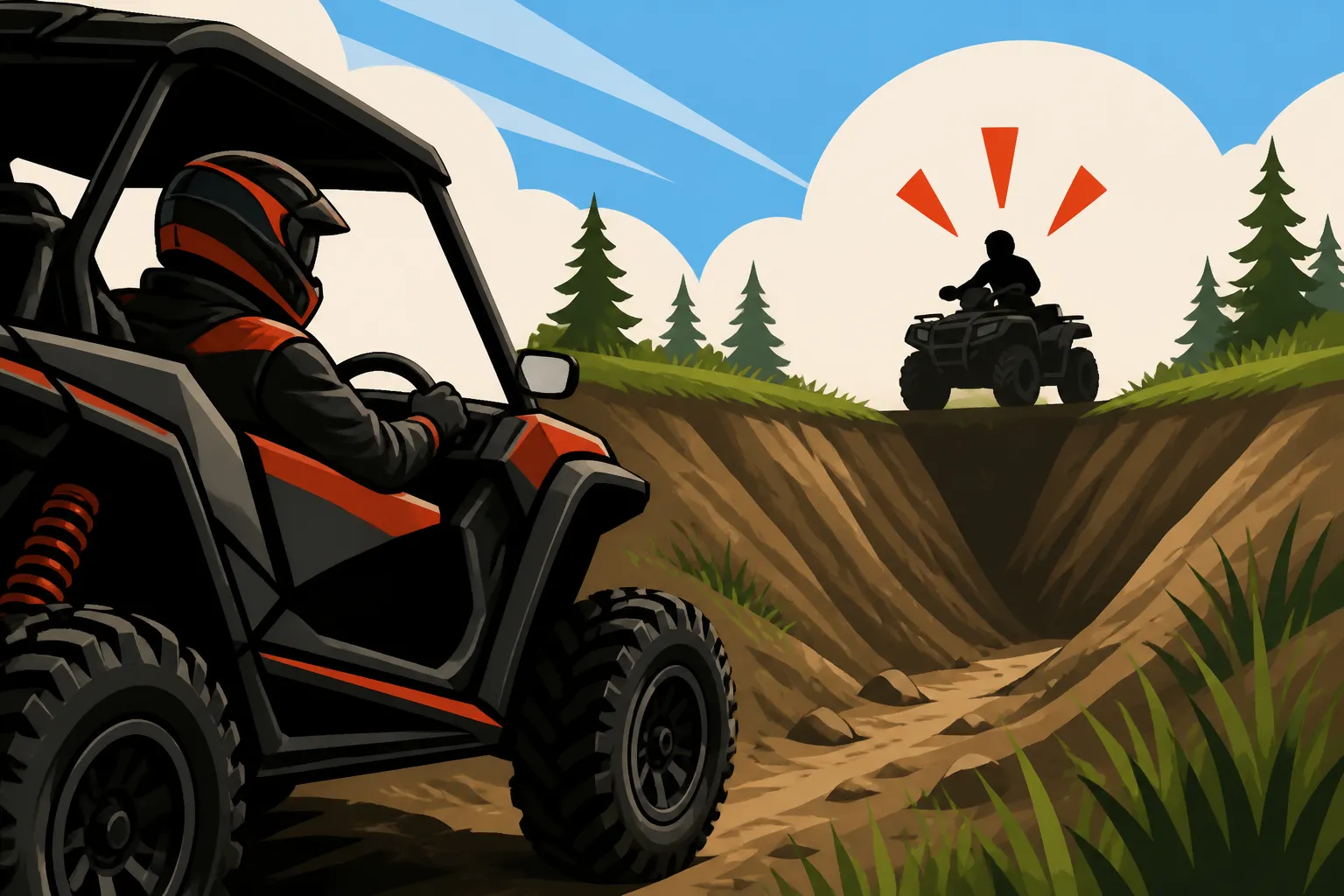
When we talk about a "blind approach" in the context of ditch riding, we're referring to any situation where your line of sight is obstructed, preventing you from seeing potential hazards until you're already upon them. Think of it as driving a car around a sharp curve with a high embankment—you just don't know what's on the other side until you're there. In the world of Minnesota ditches, these blind spots are incredibly common and can be far more treacherous than you might initially imagine. It’s not just about what’s directly in front of you; it’s also about what’s approaching from unseen angles.
The Hidden Dangers of Intersections and Driveways
One of the most frequent and dangerous blind approaches occurs at intersections with roads, private driveways, and field entrances. You might be cruising along a ditch line, feeling the open air, and suddenly, a county road or farm driveway appears out of nowhere. The biggest issue here is that drivers of cars, trucks, and even farm equipment pulling out of these spots are almost never looking for an ATV or UTV in the ditch. Their sightlines are designed for traffic on the main road, not for a machine tucked away beside it. They might be looking left for oncoming cars, and by the time they glance right, they’re already halfway into your path. This speed differential, combined with the often-ignored presence of ditch riders, creates a high-risk scenario where an unexpected collision is a very real possibility.
These aren't just limited to busy roads; even quiet, gravel township roads can present significant hazards. A vehicle pulling out from a hidden farm lane might be accelerating quickly, or a combine turning in from a field could unexpectedly block the entire ditch path. Mailboxes, thick hedges, dense stands of trees, and even tall snowbanks in winter can completely obscure your view of these crucial access points until the last possible second. It’s a situation that often leaves riders feeling helpless, realizing they had no chance to react.
Natural Obstacles and Terrain Changes
Beyond man-made structures, nature itself contributes significantly to blind approaches. Tall grasses, dense brush, and especially cornfields stretching to the horizon during the summer months, can create literal walls, blocking your view of anything beyond them. You might be riding parallel to a field, and suddenly, the ditch takes a sharp, unseen bend, or the terrain dips down unexpectedly for a culvert you didn't anticipate.
These dips, rises, and turns hide everything. They can conceal an oncoming machine, a walker, a patch of mud, or a section of washed-out ditch. [Crossing a Culvert on a Minnesota Ditch Ride] involves a momentary dip that can create a blind spot, and if you don't slow down, you might be launching into an unknown. In winter, snow drifts and frozen ground can make the ditch topography even more unpredictable, with hidden ice patches and deep snow that can throw you off balance. The frustration comes from knowing there's something out there, but having no way to see it until you're right on top of it.
Limited Sightlines and the "Surprise" Factor
Ultimately, the core of a blind approach is the surprise factor. You're riding, perhaps at a moderate speed, and then bam—something is there that wasn't a second ago. This lack of reaction time is what makes blind approaches so dangerous. Whether it’s an unexpected turn in the ditch, a hidden driveway, or an oncoming machine, your brain simply doesn't have enough time to process the information and send the commands to your hands and feet for a safe evasive maneuver or stop.
This surprise can lead to panic braking, swerving, or even a collision. It's the moment when you realize you've lost control of the situation because crucial visual information was withheld until it was almost too late. Many experienced riders have a story about a near-miss at a blind spot, illustrating just how quickly situations can escalate from serene riding to an urgent emergency. This feeling of being ambushed by your environment is what we want to help you prevent.
Essential Strategies for Approaching Blind Spots Safely
Navigating those tricky blind approaches in Minnesota's ditches requires more than just good reflexes; it demands a proactive mindset and a set of consistent strategies. It’s about becoming a more defensive rider, always anticipating the unexpected, and giving yourself every possible advantage to react safely. The goal is to transform those moments of "surprise" into moments of "I expected that and was ready."
Slow Down, Scan, and Be Ready to Stop
This is arguably the most crucial strategy when encountering any potential blind spot: slow down, and be prepared to stop. You need to reduce your speed significantly before you enter the blind section. This buys you precious seconds of reaction time, which can make all the difference between a close call and a serious incident. Don't wait until you're in the thick of it; anticipate. As you slow, actively scan your surroundings. This means not just looking straight ahead, but sweeping your head and eyes from side to side, peering around corners, and trying to see through any breaks in the vegetation. Look for signs of activity: a wisp of dust, the glint of a vehicle, or the movement of a person or animal.
Your hands should always be covering the brakes—fingers draped over the levers, foot hovering over the pedal—so you can engage them instantly if needed. This isn't about slamming on the brakes at the last second, but about a smooth, controlled reduction in speed. You should always assume there's something coming around that bend or pulling out of that hidden driveway. This "always something coming" mindset might sound a bit pessimistic, but it's the safest way to ride defensively and keep yourself out of trouble.
Audible Warnings: Horns and Engine Noise
Being heard is almost as important as being seen, especially when visibility is poor. Your machine’s horn is not just for emergencies; it's a valuable tool for signaling your presence. As you approach a blind spot, a quick, assertive honk or two can alert anyone on the other side—whether it’s a car, another rider, or a pedestrian—to your presence. Don't be shy about using it.
While your engine noise provides some audible warning, it's often not enough, especially if you have a quieter machine or if the other party is in an enclosed vehicle with their windows up. [Minnesota Muffler and Noise Limits] are in place, so excessively loud machines aren't the answer, but a deliberate horn blast cuts through ambient noise much more effectively. For UTVs with enclosed cabs, remember that your noise might be muffled to those outside, making the horn even more critical. Make a habit of a polite but firm honk at every blind crest, curve, or intersection.
Riding Position and Group Dynamics
When riding with a group, how you position yourselves can significantly impact safety at blind approaches. The golden rule in ditches, especially when dealing with limited sightlines, is [Single File in a Narrow Ditch]. Riding side-by-side might be fun on wide-open trails, but in a narrow ditch with hidden hazards, it drastically reduces reaction time for everyone. Maintain adequate spacing between machines in your group. This space isn't just for dust control; it gives each rider enough room to react to something unexpected without colliding with the machine in front or behind them.
If you’re riding with someone who knows the area well, designating them as the lead rider can be a huge advantage. They might know where the trickiest blind spots are and can signal the group to slow down or use their horn. Even if you're not on a formal group ride, staying aware of your fellow riders' positions and actions can help you anticipate potential issues. If the rider ahead suddenly slows or honks, it’s a clear signal for you to do the same.
Gear and Machine Considerations for Enhanced Visibility and Safety
While rider skill and strategy are paramount, your machine and the gear you choose can play a significant role in enhancing your safety, especially when dealing with blind approaches. It's about making yourself as visible as possible and ensuring your machine is ready to respond instantly when you need it most. A little investment here can go a long way in preventing stressful situations or even accidents.
Enhancing Visibility: Flags, Lights, and Reflective Gear
Making yourself easily seen by others is your first line of defense against blind approach accidents. A bright orange [Whip Flags for a Ditch Ride] mounted high on your machine can be seen over tall grass, cornfields, or snowbanks long before your machine comes into view. This simple accessory is incredibly effective at alerting drivers and other riders to your presence, giving them more time to react. The higher it flies, the better!
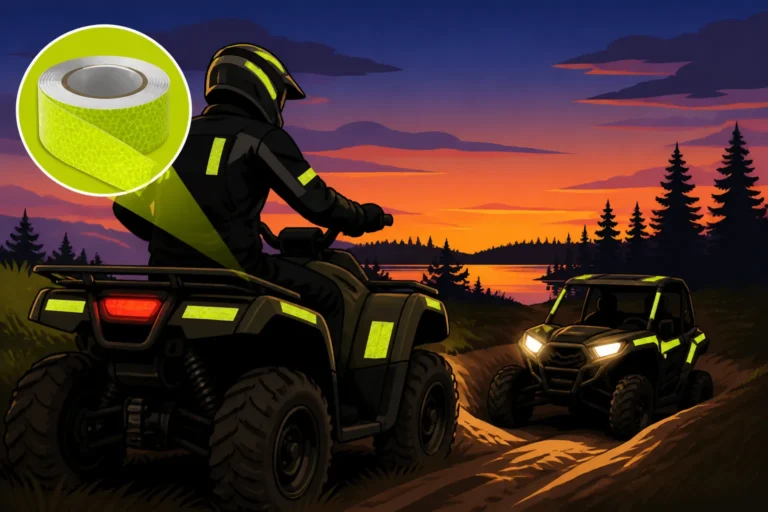
Beyond flags, think about your machine's lighting. Even during the day, running your headlights and taillights can make you more conspicuous. [Headlight Rules After Dark] are crucial, of course, but daytime visibility is often overlooked. Consider adding extra LED auxiliary lights if your machine allows, especially if you frequently ride near roads. Furthermore, reflective tape on your machine, helmet, and riding gear, particularly in bright, contrasting colors, can make you stand out. [Reflective Tape for a Dusk Ditch Ride] can catch the faintest light from an approaching vehicle, giving both you and them an extra warning. Think of it as a low-cost insurance policy for your visibility.
Machine Maneuverability and Braking Performance
Even with all the warnings in the world, sometimes you still need to react quickly. This is where your machine's mechanical condition becomes critical. Ensure your brakes are always in top working order. Regular inspection of pads, rotors, and fluid levels is a must. Worn brakes increase stopping distances, turning a close call into a collision. Similarly, your tires need to be in good condition, with adequate tread, to provide optimal grip for both braking and steering, especially on varied ditch terrain that might be loose, muddy, or gravelly.
Your machine's suspension also plays a role in maneuverability. A well-maintained suspension allows for quick, controlled changes in direction, helping you swerve around an unexpected obstacle without losing control. If your suspension is soft, worn, or incorrectly adjusted, sudden movements can lead to instability. The ability to smoothly and predictably stop or turn quickly is your final failsafe when a blind approach turns into an immediate hazard.
Investing in a Wider Field of View (UTVs)
For UTV owners, there are even more options to enhance your field of view beyond the standard setup. Side mirrors and a wide-angle rearview mirror can dramatically improve your ability to see what's around and behind you, reducing blind spots that are inherent in enclosed cab designs. Aftermarket mirrors from reputable brands like SuperATV are widely available and can be a fantastic upgrade for improving situational awareness. These often offer wider viewing angles or more durable construction than stock options.
Keep your windshield and side windows clean, especially if you have a full cab enclosure. Dirt, mud, and dust can severely limit your vision, turning an already blind approach into a completely invisible one. Some UTVs also offer a higher seating position compared to ATVs, which can provide a slight advantage in seeing over some obstacles, but this should never be a substitute for slowing down and scanning. Any investment that helps you see more, and see it sooner, is a smart investment in safety.
Common Scenarios and How to Handle Them
Understanding the general principles of navigating blind approaches is one thing, but knowing how to apply them in specific, real-world scenarios makes all the difference. Minnesota's ditch riding presents a diverse range of situations that require slightly different tactics. Let's walk through some of the most common challenges you'll face and discuss the most effective ways to tackle them head-on, or rather, cautiously around them.
Intersecting a County Road or Driveway
This is probably the most frequent and most dangerous blind approach scenario. You're cruising along the ditch, and suddenly there's a paved or gravel road cutting across your path, or a hidden driveway leading to a farmhouse or field. The key here is to treat every intersection like a stop sign, even if there isn't one. As you approach, begin reducing your speed significantly. Your eyes should be in constant motion: look left, then right, then left again, mimicking what you'd do in a car. This repeated check helps you spot fast-approaching vehicles that might have been out of sight on your first glance.
Do not assume drivers will see you. They simply aren't looking for you in the ditch. If hedges, trees, or buildings block your view, be prepared to come to a complete stop before the actual intersection, allowing you to creep forward slowly until you have a clear line of sight in both directions. Never rush. Wait for a truly clear gap in traffic before proceeding. If you're on a county road, always remember [Crossing a County Road on a Minnesota ATV] requires extreme caution and adherence to state rules. Patience here is not just a virtue; it's a life-saving habit.
Navigating Sharp Bends or Hills in the Ditch
When the ditch itself curves sharply or goes over a crest, you're dealing with a natural blind spot. Just like with intersections, your speed needs to drop. Think about it: if you're going too fast and something is on the other side—another machine, a walker, an animal, or a large obstacle—you won't have time to react. As you enter the blind bend or crest, always stay as far to the right of the ditch as possible. [Which Side of the Ditch Minnesota Riders Use] often depends on the specific ditch rules, but generally, staying right provides the most buffer from anything unseen coming the other way.
Anticipate what might be around that bend. Could there be a wash-out? A tree branch? Another rider coming in the opposite direction? Use gentle throttle and steering inputs. Jerky movements can lead to losing control, especially on loose or uneven terrain. A quick, polite honk of your horn can also serve as a useful audible warning to anyone on the other side that you are approaching. Smoothness and caution are your best friends here.
Encountering Pedestrians, Bicyclists, or Farm Equipment
One of the more surprising encounters in a ditch can be with people on foot, bikes, or slow-moving farm equipment. Unlike other ATVs or cars, these parties often move silently or are much larger, with their own blind spots. Pedestrians or bicyclists might be enjoying a quiet walk or ride and may not hear or expect an ATV to be in the ditch. Farm equipment, from tractors pulling planters to combines harvesting crops, can be massive and take up significant space, often spilling out of a field entrance and into the ditch without much warning. [Sharing a Road With Farm Equipment] is challenging enough, but encountering it in a ditch is another matter.
When you encounter any of these, slow to a crawl, almost to a stop. Make eye contact if possible to ensure they see you. Always yield the right-of-way to them. They are more vulnerable, and it's simply good trail etiquette. Be patient. If a piece of farm equipment is slowly entering or exiting a field, wait until it's clear. Don't try to squeeze by. They often have very limited visibility to their sides and rear, and their movements can be unpredictable. A friendly wave and a slow pass show respect and prevent potential conflicts or accidents.
Blind Approach Strategy Summary
Successfully navigating blind approaches in Minnesota's ditches boils down to proactive awareness and conservative riding. Here's a quick summary of key strategies:
| Strategy | Key Actions | Why It Matters |
|---|---|---|
| Slow Down & Scan | Reduce speed before the blind spot. Continuously scan left, right, and ahead. | Buys crucial reaction time and allows early hazard detection. |
| Cover Your Brakes | Keep fingers on brake levers, foot over pedal. | Enables instant, controlled braking in emergencies. |
| Use Audible Warnings | Give a quick, assertive honk at blind spots. | Alerts others to your presence when you can't be seen. |
| Ride Single File | Maintain adequate spacing from other riders. | Prevents group collisions and maximizes individual reaction time. |
| Enhance Visibility | Use whip flags, run headlights/taillights, wear reflective gear. | Makes you more visible to others, especially at a distance or in low light. |
| Maintain Machine | Ensure brakes, tires, and suspension are in top working order. | Allows for quick, safe stopping and maneuvering when needed. |
| Yield to Others | Give way to pedestrians, bicyclists, and farm equipment. | Promotes safety and prevents conflicts with more vulnerable users. |
| Anticipate Hazards | Assume something is always around the bend or pulling out. | Cultivates a defensive riding mindset, preparing you for the unexpected. |
Disclaimer
This article is for general informational purposes only and does not constitute professional advice. Laws, prices and regulations vary by location and change over time. Consult a qualified professional for guidance on your specific situation.