Riding Slowly Past a Farmyard
There's nothing quite like the feeling of hitting a Minnesota trail or cruising a gravel road on your ATV or side-by-side, but that freedom comes with a big responsibility, especially when you find yourself passing through settled areas. One of the trickiest, yet most common, scenarios is navigating past someone's farmyard. It's easy to just keep your speed up and assume everyone understands you're just passing through, but the truth is, a moment of thoughtlessness can create a lot of frustration for the folks who live there. This guide is all about helping you understand the unwritten rules, the legalities, and the sheer common courtesy that goes into riding respectfully past a farmyard, ensuring a smoother, more enjoyable experience for everyone on Minnesota's rural routes.
The Unspoken Rules of Rural Courtesy: Why Your Speed Matters
When you’re out on a Minnesota township road or even a roadside ditch, enjoying the ride, it can be easy to forget that these aren't just pathways; they're often someone's front yard. This is especially true in rural areas where farmyards often sit right up against the road. The impulse might be to keep your momentum, but I can tell you from countless conversations with rural residents, maintaining speed past a home, especially a farm, is one of the quickest ways to ruffle feathers and create a negative impression of ATV riders.
Think about it from their perspective. A farm isn't just a home; it's a business, often a multi-generational livelihood, and a place where animals live and sensitive equipment operates. A roaring engine and a cloud of dust aren't just an annoyance; they can be a real disruption. This isn't just about being polite; it's about safeguarding our riding privileges. When local residents feel impacted negatively, it often translates into calls for stricter regulations or even outright bans on local routes. We want to be good neighbors, and that starts with understanding why slowing down isn't just a suggestion, it's essential.
Minimizing Dust: The Silent Irritant
Dust is probably the number one complaint I hear from rural residents about ATVs and UTVs. On a dry day, even at a moderate speed, an off-highway vehicle can kick up an impressive plume of dust. When that dust cloud envelops a farmyard, it's not just making things dirty. It can get into homes, coat outdoor furniture, ruin freshly washed laundry hanging on the line, and even settle on crops in fields near the road. More seriously, for livestock, constant dust can irritate their respiratory systems, leading to health issues.
Imagine living in that farmyard. Every time a rider goes by too fast, you're hit with a gritty, choking cloud. It's not just annoying; it feels disrespectful. When you approach a farm, think about how much dust you're kicking up. If you see a house, a barn, or any signs of active farm life, gently ease off the throttle. Slowing to a crawl, even just for the length of the property, dramatically reduces the amount of dust you generate. It's a simple act that goes a long way in showing consideration. Some riders even invest in things like windshields or dust reduction panels for their side-by-sides from companies like SuperATV, which can help contain some of the kick-up, especially in group rides.
Taming the Noise: Respecting Peace and Animals
The second big concern for farm families is noise. While we love the rumble of our machines, the sound can carry a long way in the quiet countryside. A loud exhaust, especially if you're accelerating or decelerating aggressively, can be startling. This isn't just a human annoyance; it can seriously stress out livestock. Cows, horses, chickens, and even family pets can be spooked by sudden, loud noises. A startled herd can be dangerous, potentially breaking fences or injuring themselves. A dog, constantly barking at passing machines, can become a nuisance to its owners.
When you're approaching a farmyard, particularly if there are visible animals or children playing outside, it's time to ease up on the throttle. Coasting quietly past, minimizing gear changes, and avoiding any sudden acceleration or braking will make a huge difference. If you've got an aftermarket exhaust, remember that sound carries further than you think. While it might sound great out on the open trail, it can be deafening for someone trying to enjoy their porch swing or tending to their animals. Being mindful of your [Minnesota Noise Rules Near Lake Homes] can also apply to rural residences.
Practical Steps for a Respectful Pass
So, what does riding "slowly and respectfully" actually look like when you encounter a farmyard? It's more than just tapping the brakes; it's about a complete change in your approach. We're talking about specific actions that communicate your consideration to the residents. This isn't just about avoiding a ticket, it's about building goodwill within the rural communities that share our riding areas. When riders consistently show this level of respect, it makes everyone's experience better and helps secure access to these routes for years to come.
The Slow Roll: How and When to Decelerate
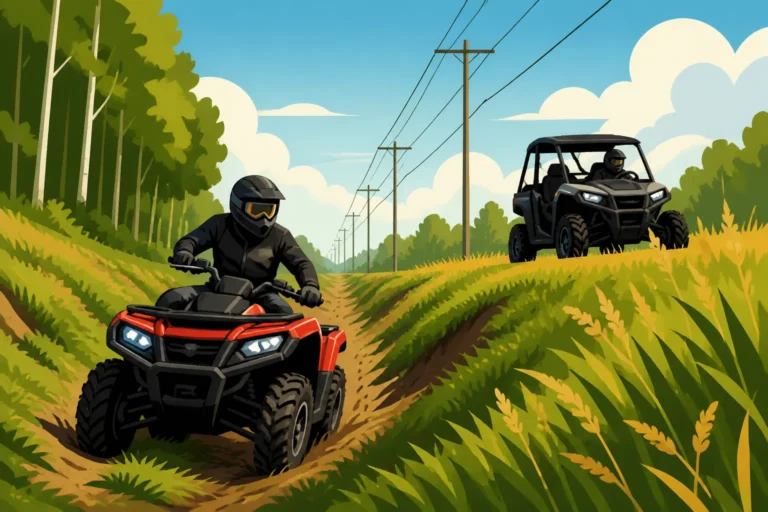
The moment you spot a farmyard or a rural home alongside the ditch or road you're riding, that's your cue. Don't wait until you're right in front of the house. Begin to decelerate well in advance, giving yourself plenty of time to smoothly drop your speed. The goal is to be moving at a walking pace, or just slightly faster, as you pass the main buildings and yard area. This isn't just about the speed limit, which on some gravel roads might still feel fast when you're kicking up dust; it's about the impact of your speed.
Engage a higher gear if possible to keep your RPMs lower and the engine quieter. Avoid sudden downshifts that can cause a burst of engine braking noise. A smooth, steady roll is what you're aiming for. Once you are well clear of the property – I usually give it at least a couple of hundred feet past the last visible building – you can gradually resume your normal, appropriate speed for the conditions. This deliberate slowdown shows you're aware of your surroundings and considerate of the people and animals living there. It's a small inconvenience for you, but a significant gesture of respect for the residents.
Eye Contact and Hand Waves: Acknowledging Your Presence
While you're performing your slow roll, remember that you're a visitor in someone's home space. If you see people outside, especially children, a friendly wave and a nod go a long way. This simple human interaction can completely change the perception of riders. Instead of being an anonymous, noisy blur, you become a friendly individual. It de-escalates any potential tension instantly. Acknowledging someone with eye contact and a wave can convey, "I see you, I respect your space, and I'm being mindful."
This isn't just polite; it can also be a safety measure. If a child or a pet is near the road, your acknowledged presence makes it clear you're aware of them. Avoid any aggressive or overly demonstrative gestures. A simple, open-handed wave is perfect. This small act of connection makes it harder for residents to view all ATV riders as a faceless nuisance. Remember, [Group Etiquette Through a Quiet Town] extends to individual actions as well.
Understanding Ditches and Right-of-Way
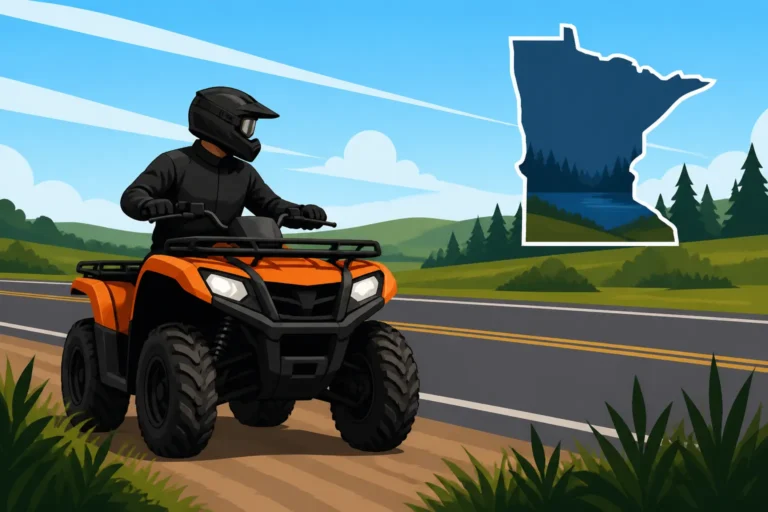
In Minnesota, many rural roads allow ATV riding in the ditch or on the far right of the paved or gravel surface. However, this legal right to ride doesn't negate the responsibility to be respectful. Even if you're technically in the "right-of-way" and not on private property, the proximity to a home still demands courtesy. The legal right to ride there doesn't give you the right to be a nuisance.
Always be aware of what constitutes private property versus the public right-of-way. While [Minnesota's Ditch Riding Rules] permit you to be there, recognize that the farmer views that ditch as the edge of their domain. Maintaining a safe distance from mailboxes, fences, and especially any livestock or farm equipment visible near the roadside is important. If you see actively working farm equipment or machinery parked near the ditch, give it a wide berth. A thoughtful rider understands the difference between what's legally permissible and what's genuinely respectful.
Navigating Specific Challenges Around Farmyards
Even with the best intentions, rural riding can throw a few curveballs your way. From unexpected livestock encounters to dusty roads that seem to stretch forever, understanding how to react appropriately to specific challenges near farmyards is key to being a responsible rider. It's not always just about your machine; it's about being aware of the environment and the livelihoods around you.
Livestock and Pets: Unexpected Encounters
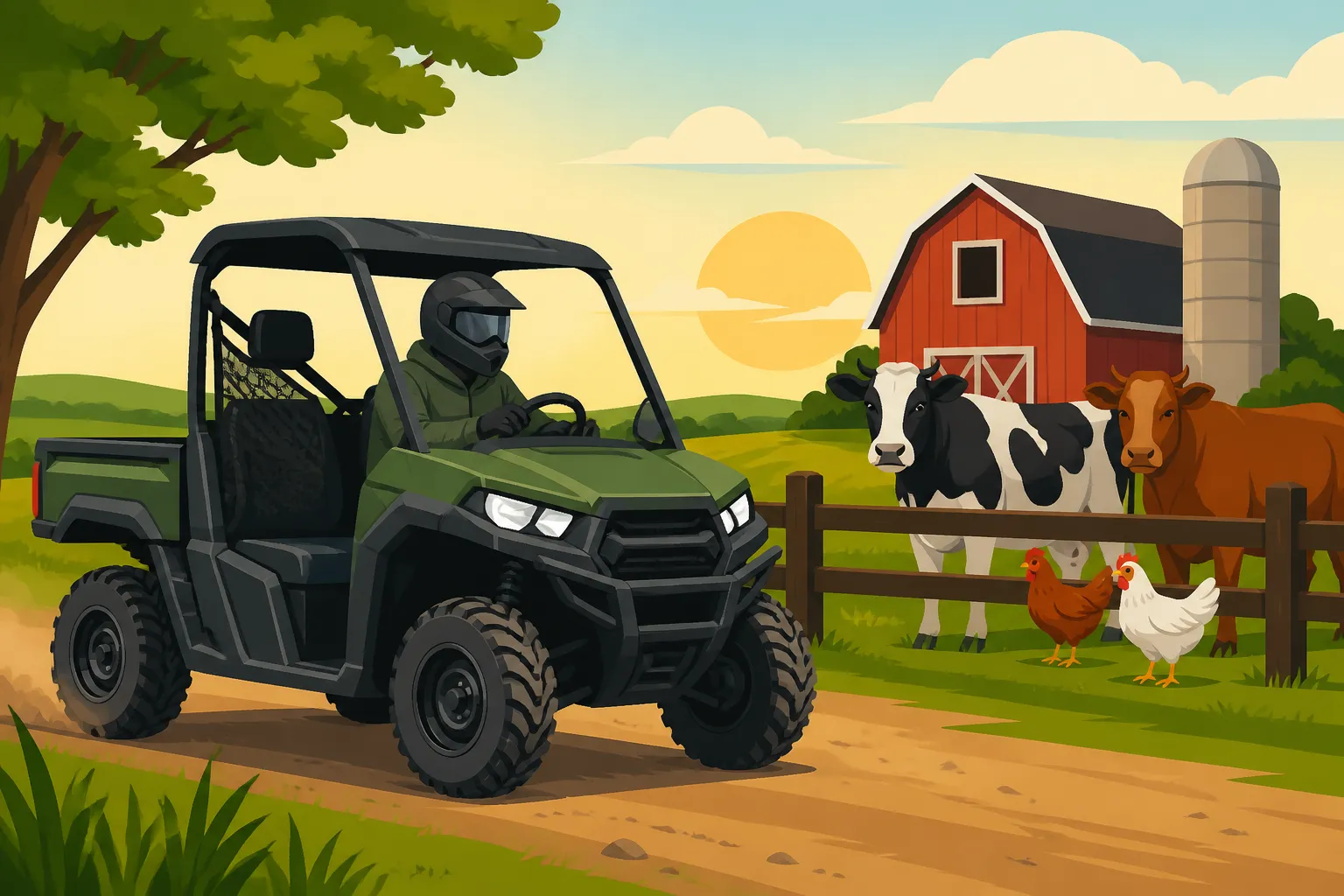
Imagine you're slowing down, doing everything right, and suddenly a cow is staring at you from just inside a fence, or a dog bolts out from the farmyard. Livestock are unpredictable and easily startled. If you see animals, slow down even further, to a crawl if necessary. Avoid any sudden movements, loud engine revs, or honking your horn (if your UTV has one). Give them space. If a cow seems agitated or a horse looks nervous, stop completely and wait for them to calm down before slowly proceeding.
The same goes for farm dogs. Many farm dogs are working animals, protective of their property and livestock. Some might bark, some might even give chase for a short distance. Do not try to outrun them or provoke them. Maintain your slow, steady pace. Avoid spraying gravel or dust in their direction. Most will quickly lose interest once you've passed their perceived territory. If you encounter a dog that seems overly aggressive or persistent, it's safer to stop, turn off your engine, and wait for the owner to appear, if they're visible. This minimizes risk for both the animal and yourself. Remember, part of being a respectful rider is understanding the unique dynamics of a working farm.
Road Conditions: Managing Dust and Mud
Rural roads in Minnesota can vary wildly, from perfectly graded gravel to deeply rutted mud. Each condition presents its own challenge when passing farmyards.
| Road Condition | Impact on Farmyard | Responsible Riding Action |
|---|---|---|
| Dry Gravel/Dirt | Excessive dust, poor visibility | Slow to walking speed, avoid quick acceleration, consider dust-reducing accessories from brands like SuperATV. |
| Muddy/Wet Gravel | Splatter, throwing mud onto property | Maintain very low speed, avoid spinning tires, hug the far right edge of the ditch or road if safe. |
| Paved Rural Road | Noise, perceived speed, exhaust | Decelerate smoothly, maintain steady low RPMs, avoid heavy braking or acceleration. |
| Snowy/Icy Ditch | Loss of control, potential for getting stuck near property | Exercise extreme caution, very slow speed, avoid areas with poor traction, be ready to stop. |
When it's dry and dusty, your speed is your biggest enemy. Even a small increase in speed can multiply the dust cloud. When it's wet, especially after a rain, mud splatter becomes a concern. Spinning tires will throw mud high into the air, potentially coating nearby fences, crops, or even buildings. In these conditions, reduce your speed to an absolute minimum and maintain smooth, controlled movements. Avoid sharp turns or sudden braking that could destabilize your machine and throw more material. Your goal is to pass by as cleanly and quietly as possible, leaving no trace of disruption. If you're riding with a group, encourage everyone to adopt the same slow, controlled approach, especially when riding on [Dust on a Dry Township Road].
Building Positive Relationships in Rural Minnesota
Ultimately, the goal of riding slowly past a farmyard isn't just to avoid trouble; it's about fostering positive relationships between the riding community and rural residents. When we show respect, we earn respect. This approach ensures that our beloved trails and road routes remain open and accessible for future generations of riders. Nobody wants to be the reason a community decides to shut down ATV access.
The Long-Term Impact of Good Etiquette
Every time you pass a farmyard slowly and respectfully, you're not just making a good impression on that one family; you're contributing to the overall image of ATV and UTV riders in Minnesota. These small acts add up. When local residents see consistent, considerate behavior, they are much more likely to support continued access to riding areas, or at least tolerate the presence of machines. Conversely, a few bad apples riding recklessly can quickly sour an entire community's opinion, leading to complaints to the DNR, local law enforcement, or county commissioners.
Think of it as an investment in our riding future. The more positive interactions we create, the stronger our community's reputation becomes. This helps ensure that when discussions about trail expansion or new routes come up, local landowners and residents are more amenable to the idea. Riders who understand and practice good etiquette are true ambassadors for the sport. It reflects well on everyone, including the clubs and organizations that work hard to maintain trails and promote responsible riding, and those who sell accessories such as SuperATV products to enhance their machine.
Where to Find More Minnesota Riding Information
Navigating the nuances of riding in Minnesota means staying informed. The Minnesota DNR is your go-to resource for all official rules, regulations, and trail maps. They regularly update information on safety, registration, and permissible riding areas. Don't rely on hearsay; always check the official sources.
Here are a few other resources and topics you might find helpful for staying safe and respectful on Minnesota's rural roads and trails:
- [Minnesota's Ditch Riding Rules]
- [Speed on a Minnesota Road Right of Way]
- [Minnesota Noise Rules Near Lake Homes]
- [Minnesota Trespass Rules Along Ditches]
- [Minnesota Rules on County Roads]
- [Minnesota Alcohol Limits for ATV Operators]
The more knowledgeable you are, the better equipped you'll be to make responsible decisions on the go. Taking the time to understand the rules and local expectations demonstrates a commitment to responsible recreation, which benefits everyone who shares Minnesota's beautiful outdoors.
Disclaimer
This article is for general informational purposes only and does not constitute professional advice. Laws, prices and regulations vary by location and change over time. Consult a qualified professional for guidance on your specific situation.