Minnesota Rules for a Child Passenger
Riding ATVs and UTVs with kids can be an incredible way to create lasting family memories, enjoying Minnesota's beautiful trails and wide-open spaces. But let's be honest, the worry about their safety – and the maze of rules you need to follow – can often overshadow the fun. It's frustrating trying to decipher who can ride, where they can sit, and what gear they absolutely need. This comprehensive guide is here to untangle Minnesota's specific regulations for child passengers on both ATVs (quads) and UTVs (side-by-sides), so you can hit the trails with confidence and keep your loved ones secure.
Understanding Minnesota's Core Rules for Child Passengers
Navigating the rules for bringing children along on your ATV or UTV ride in Minnesota can feel like a riddle sometimes. You want to make sure your child is safe, comfortable, and that you're not inadvertently breaking any laws. The state has clear guidelines, largely centered around age, seating, and the type of machine. These aren't just suggestions; they're in place to prevent accidents and protect our youngest riders. It's a common source of confusion for parents, especially when considering different machines or varying ages among siblings.
Age Restrictions and Seating Arrangements
Minnesota law is quite specific about who can be a passenger and how they must be seated. For starters, a child under the age of 15 cannot be a passenger on an ATV unless the ATV is "specifically designed by the manufacturer to carry more than one person and is equipped with a seat and footrests for the passenger." This is a critical distinction. Many single-rider ATVs might have a long seat, but if it wasn't designed for two, it's illegal and incredibly unsafe to carry a passenger, especially a child. You'll often see riders with homemade passenger seats or just an extra person squeezed on, but this puts them at severe risk and leaves you open to hefty fines. Always check your machine's manufacturer specifications to confirm its passenger capacity. If your quad is a single-rider machine, it's best to keep it that way for your child's safety and legal compliance.
On machines that are designed for multiple riders, like a two-up ATV or most UTVs, the child must be properly seated. This means they need to have their own designated spot, not just perched on your lap or squeezed next to you. The design intent is crucial here – a specific seat and footrests ensure they can maintain balance and stability, even on bumpy terrain. Don't forget, these rules apply regardless of whether you're on a public trail, ditch, or even just crossing a road. For more details on age-specific riding, you might find [Minnesota Age Rules for Young Riders] helpful.
Supervision Requirements for Young Riders
Beyond just seating, Minnesota also has rules about supervision when a younger rider is operating a machine, which indirectly affects child passengers. While the specific passenger rule doesn't dictate direct supervision of the passenger itself by another adult on a separate machine, it's implied within the broader youth riding laws. If you're riding with a child passenger, you as the operator are responsible for their safety and adherence to all regulations. This often means you need to be at least 18 years old to operate an ATV or UTV with a child passenger.
The law is designed to ensure that a competent adult is always in control, especially when a child's safety is at stake. Imagine a scenario where you're on a multi-rider ATV with your 10-year-old in the back. If you're under 18 yourself, you're not only breaking the law regarding your own operation in certain situations, but you're also putting that child at increased risk due to your lack of legal authorization or potentially insufficient experience. Always consider the full picture of Minnesota's youth riding laws before heading out. [Accompanied Riding for Minnesota Minors] provides more insights into this important topic.
Specific Rules for UTVs Side-by-Sides and Younger Riders
Side-by-sides (UTVs) have rapidly grown in popularity for family riding because they offer a more car-like experience with bucket seats, roll cages, and often more storage. This design naturally lends itself to carrying passengers, including children, in a seemingly safer environment than a traditional ATV. However, Minnesota still has specific stipulations for UTVs, and simply having a roof and seatbelts isn't a free pass to ignore all safety protocols for your youngest companions.
Manufacturer Seating and Seatbelt Use
The golden rule for UTVs, just like ATVs, revolves around manufacturer design. Your UTV must be specifically designed to carry the number of passengers you intend to transport. If your side-by-side has two seats, you can carry one passenger. If it has four seats, you can carry three passengers, and so on. The key is that each passenger must have their own designated seat. You cannot squeeze three kids into a two-seat UTV, no matter how small they seem. This goes against manufacturer design and, more importantly, compromises their safety.
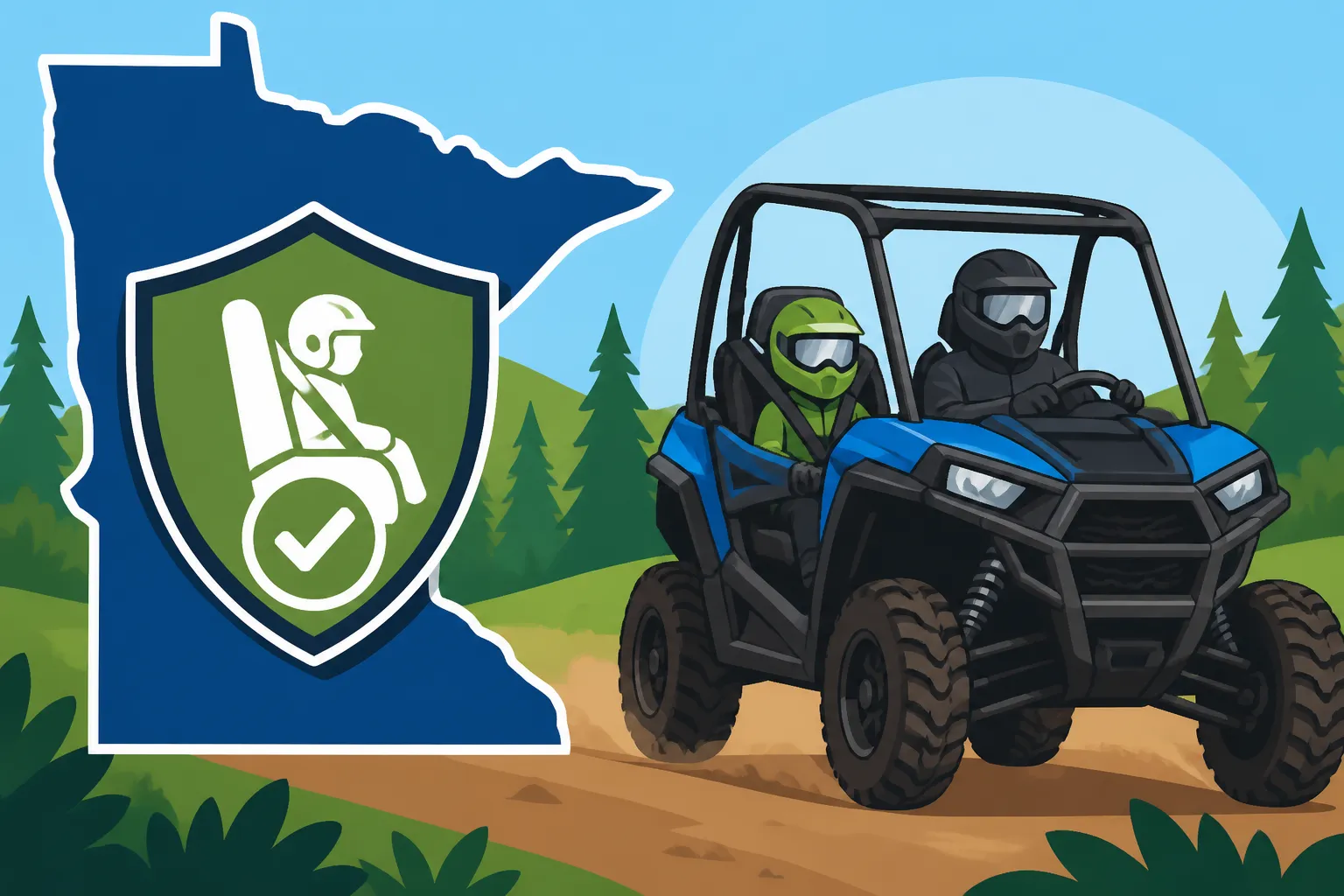
Furthermore, every passenger in a UTV must use a seatbelt or child restraint system if one is available and designed for the vehicle. Most UTVs come equipped with factory seatbelts, and it is a legal requirement to use them. For younger children, factory seatbelts might not fit properly, leading to the belt riding too high on their neck or not securing them adequately. This is where supplementary safety equipment becomes crucial. While the factory setup is required, ensuring your child is properly secured often means looking at additional measures.
Harness Systems and Booster Seats for Enhanced Safety
While factory seatbelts are mandatory, they are not always perfectly suited for smaller children. A standard UTV seatbelt might leave a young child able to slide around too much or not provide adequate upper body restraint. This is where aftermarket harness systems and booster seats can make a huge difference, greatly enhancing safety for your child passenger. Many parents opt for a 4-point or 5-point harness system for their UTV, which provides a much more secure fit than a lap-and-shoulder belt, especially when navigating rough terrain. Brands like SuperATV offer robust harness kits that are designed to integrate seamlessly into many UTV models, providing superior restraint and keeping little ones firmly in place during bumps and turns.
Booster seats, similar to those used in cars, can also elevate smaller children so that the factory seatbelt fits them more effectively, crossing their chest and lap correctly rather than their neck or abdomen. Always choose a booster seat that is compatible with your UTV's seating and restraint system. The goal is to minimize movement within the vehicle and prevent ejection in the event of an unexpected jolt or tip-over. While not explicitly mandated by Minnesota law for all ages on UTVs (beyond the use of available seatbelts), these additions are a smart investment for any parent prioritizing their child's safety and comfort on the trails.
Essential Safety Gear and Training for Young ATV/UTV Passengers
When you think about taking your kids along for an ATV or UTV ride, the machine's rules are just one piece of the puzzle. What they wear and how they're prepared is equally, if not more, important. Imagine the sheer joy of a child experiencing the outdoors from the passenger seat, but then picture the potential consequences if they're not adequately protected. Minnesota has specific guidelines for protective gear, and while passengers may not need the same operating training as drivers, understanding general safety is still paramount. It's not just about avoiding a ticket; it's about preventing injury.
Helmet Requirements for All Young Riders
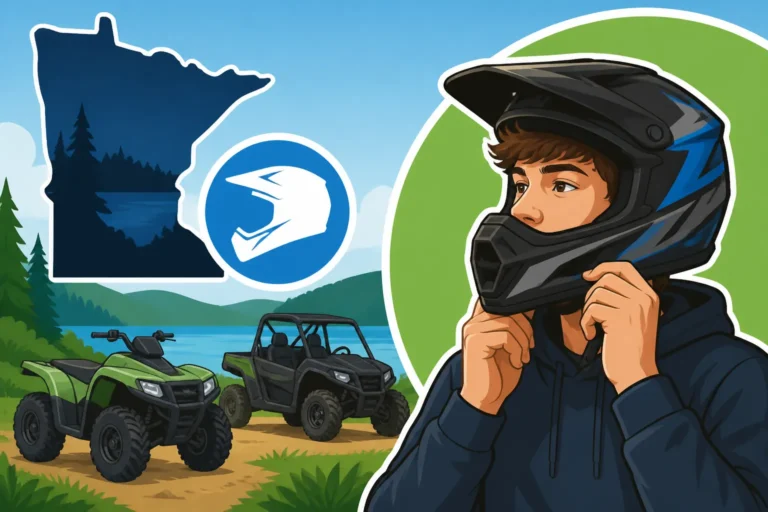
This is one of the most non-negotiable rules in Minnesota: all ATV and UTV riders and passengers under the age of 18 must wear a DOT-approved helmet. This isn't a suggestion; it's the law. This means your child, regardless of whether they are driving or simply riding shotgun, needs a properly fitting, certified helmet. A bicycle helmet or a construction hard hat simply won't cut it. The helmet must be designed for motorized use and meet Department of Transportation (DOT) standards. This is for their protection in case of a rollover, impact with an object, or any other unforeseen incident. Head injuries are among the most serious types of injuries in off-highway vehicle accidents, and a helmet is the best defense.
Ensuring the helmet fits correctly is just as important as wearing one. It shouldn't wobble or be too tight. Many manufacturers offer youth-specific helmets that are lighter and sized appropriately for smaller heads. Don't skimp on this piece of gear; it's arguably the most important safety item you'll buy for your child. For a deeper dive into these requirements, check out [Minnesota Helmet Standards and Who Must Wear One].
Eye Protection, Gloves, and Other Protective Apparel
Beyond the helmet, other protective gear is highly recommended, even if not always strictly mandated by law for passengers. Eye protection is critical for everyone, especially child passengers, to shield against dust, flying debris, bugs, and branches. Goggles or a full-face helmet visor are ideal. Imagine getting a pebble kicked up into your eye at speed; for a child, this could cause serious injury or lead to a panicked reaction.
Gloves can help protect small hands from scrapes and provide a better grip, while long pants and long-sleeved shirts can offer a barrier against sun, brush, and minor abrasions. Sturdy, over-the-ankle boots are also highly advised to protect feet and ankles from impacts, burns, or getting caught. Think about the full range of potential hazards on the trail – from low-hanging branches to rocks and mud – and dress your child accordingly. While a brand like SuperATV is known more for machine accessories, they also emphasize the importance of rider safety gear in their guides, reminding customers that protecting the rider is just as crucial as protecting the machine. Investing in good quality, comfortable gear means your child will be safer and more willing to wear it every time they ride.
The Role of Safety Training and Rider Education
While passengers don't typically undergo formal ATV safety training, understanding general off-highway vehicle safety principles is invaluable for everyone in the group. If your child is old enough to understand, talking to them about trail etiquette, staying seated, keeping hands and feet inside the vehicle, and what to do in an emergency can significantly enhance their safety. For instance, explaining why staying seated and secured in a UTV is so important, especially when navigating turns or inclines, helps them become active participants in their own safety.
For youth operators, Minnesota has specific training requirements, as highlighted in [Minnesota ATV Safety Training Requirements]. Even for passengers, understanding these basics can help them recognize potential hazards and react appropriately. It’s about creating a culture of safety within your family's riding adventures. Encourage open communication, make safety briefings a routine before every ride, and lead by example by always wearing your own protective gear and following the rules.
Navigating Public Land, Ditches, and Road Crossings with Kids
Taking your ATV or UTV out with child passengers means you'll inevitably encounter various types of terrain and access points – from dedicated trails to roadside ditches and official road crossings. Each environment comes with its own set of rules, and when you have children aboard, the stakes feel even higher. It's easy to get confused about what's permissible where, and the last thing any parent wants is to inadvertently put their child at risk or break the law.
Rules on Designated Trails and Public Land
Minnesota boasts an incredible network of ATV and UTV trails across its state forests and grant-in-aid systems. These trails are generally where families feel most comfortable riding with children, as they are designed for off-highway vehicle use. When riding on these designated trails, the rules we've already covered – proper seating, helmets, and UTV seatbelt usage – remain absolutely critical. You'll often find these trails clearly marked, and knowing where [Where to Ride an ATV in Minnesota] can help you plan family-friendly excursions.
However, even on trails, unexpected situations can arise. You might encounter other riders, wildlife, or sudden changes in terrain. Always maintain a safe speed, be aware of your surroundings, and never push your machine or your child's comfort level beyond what is safe. For example, if you're on a trail that's known for mud holes or steep climbs, consider if that's truly appropriate for a young passenger, even if your machine (perhaps with some robust SuperATV suspension upgrades) could handle it. The child's experience and safety should always be the priority. Remember that some trails might have specific restrictions or difficulty ratings that make them unsuitable for younger passengers.
Ditch Riding and Road Crossing Considerations
Minnesota has unique laws regarding riding ATVs and UTVs in road ditches and crossing roads. These areas present different challenges and risks compared to dedicated trails, especially when carrying child passengers. While ditch riding can offer access between trail sections or to local amenities, it requires extreme caution. Operators must be 12 years of age or older to operate an ATV on a public road right-of-way (ditch), and while the passenger rules for under 15 still apply, the environment itself is more hazardous due to proximity to vehicle traffic. You can find more specific rules for young operators in [Minnesota Road Rules for Riders Aged 12 to 15].
When crossing a road or highway, the rules are even stricter. You must come to a complete stop, yield to all traffic, cross at a 90-degree angle, and generally, do so only when it's safe and legal. With a child passenger, this requires an even greater level of vigilance. The sudden acceleration and braking required for crossing, combined with the stress of watching for traffic, can be unsettling for a child. Always ensure your child is securely fastened and briefed on what to expect during a road crossing. Never attempt a crossing that feels unsafe for you or your passengers. [Crossing a Minnesota Road on an ATV] offers crucial advice on navigating these situations.
Riding on Private Land with Child Passengers
The rules shift somewhat when you're riding exclusively on private land that you own or have permission to use. On private land, many state-level registration and operating age laws don't apply in the same way they do on public lands or road rights-of-way. However, the basic safety rules for child passengers, especially helmet use and proper seating, are still highly recommended and, in some cases, still legally enforced. For instance, even on private land, if a law enforcement officer witnesses unsafe operation involving a child, they may still intervene. More importantly, regardless of legal mandates, your moral responsibility for your child's safety remains paramount.
Think of it this way: while the long arm of the law might not reach every single aspect of private land riding, the laws of physics certainly do. A rollover or collision on your own property can be just as devastating as one on a public trail. Therefore, always adhere to the same safety standards for child passengers – proper seating, manufacturer design, helmets, and seatbelts (for UTVs) – even when riding on your own acreage or a friend's farm. Safety should never be sacrificed, regardless of the property lines. You can learn more about private land rules in [Minnesota Rules on Private Land].
Here's a quick reference table for Minnesota ATV/UTV passenger rules:
| Category | ATVs (Quads) | UTVs (Side-by-Sides) |
|---|---|---|
| Age Limit for Passenger | Under 15 years old cannot be a passenger unless… | Under 15 years old cannot be a passenger unless… |
| Seating Requirement | …machine specifically designed by manufacturer to carry more than one person, with a seat and footrests for passenger. | …machine specifically designed by manufacturer to carry more than one person, with a seat for each passenger. |
| Seatbelt/Harness | Not applicable unless factory-equipped on a two-up ATV; highly recommended if available. | Mandatory use of factory seatbelts or child restraint system if available. Aftermarket harnesses highly recommended for young children. |
| Helmet Requirement | Mandatory for all passengers under 18 years old (DOT-approved). | Mandatory for all passengers under 18 years old (DOT-approved). |
| Eye Protection | Highly recommended for all ages. | Highly recommended for all ages. |
| Supervision (Operator) | Operator typically must be 18+ to legally carry a child passenger. | Operator typically must be 18+ to legally carry a child passenger. |
| Public vs. Private Land | Rules generally apply on public land/ditches. On private land, safety precautions are still strongly advised. | Rules generally apply on public land/ditches. On private land, safety precautions are still strongly advised. |
Disclaimer
This article is for general informational purposes only and does not constitute professional advice. Laws, prices and regulations vary by location and change over time. Consult a qualified professional for guidance on your specific situation.