Eye Protection on a Minnesota Ditch Ride
It’s a beautiful day out, maybe you’re just running a quick errand on your ATV down the roadside ditch, or heading to a local trail access point. It’s easy to think, "Oh, I'll just skip the goggles this time," especially if it feels like just a short, casual ride. But trust me, as someone who's seen a lot of miles (and a few close calls), that seemingly harmless ditch ride can turn into an eye-watering, even dangerous, experience in a split second. This guide is here to walk you through exactly why eye protection isn't just a suggestion in Minnesota, but a crucial piece of your riding gear, covering everything from the law to choosing the best shield for your adventures.
Why Eye Protection Is Non-Negotiable on a Minnesota Ditch Ride
When you're out on your ATV or UTV, especially hugging the ditches that crisscross our beautiful Minnesota landscape, your eyes are surprisingly vulnerable. It’s not just about what might be legally required; it’s about a whole host of hazards that are just waiting to ruin your day, or worse, cause a serious accident. Many riders, myself included, have learned this the hard way.
The Invisible Gauntlet: Dust, Debris, and Nature's Surprises
Think about it: the ditches aren't paved, perfectly manicured paths. They're often gravel, dirt, or even overgrown with vegetation. Every time your tires kick up a little dust cloud, or another vehicle passes by on the main road, you're in a miniature blizzard of potential eye irritants. Dust, tiny pebbles, sand – they don't care if you're just going a quarter-mile. They're going to fly.
Then there’s the debris that just seems to materialize out of nowhere. A little twig snapped from a low-hanging branch, a grasshopper launching itself directly at your face, or even something as innocuous as a falling leaf can feel like a projectile at speed. I remember one time, a bumblebee hit my goggles so hard I thought someone had thrown a rock at me. If that had been my bare eye, my ride would have ended with a trip to the emergency room, not the trailhead. And if you’re riding in a group, the rider in front is constantly kicking up small stones and dirt right into your path. It's an unavoidable part of off-road riding, and your eyes are the first line of defense that needs protecting.
Weathering the Elements: Wind, Sun, and Cold
Even without flying objects, the wind alone can be a major problem. Riding without proper eye protection, even on a calm day, can lead to your eyes watering uncontrollably, blurring your vision, and making it impossible to see where you're going. And in Minnesota, we know a thing or two about wind! Factor in the sun, and you're battling glare that can hide obstacles, or direct sunlight that causes strain and fatigue. Over time, consistent exposure to UV rays without protection can contribute to long-term eye damage, too.
In the colder months, which is a good chunk of the year here, the cold wind can dry out your eyes, making them feel gritty and uncomfortable. If you’re like me and enjoy [Winter Road Riding in Minnesota], you know the sting of icy wind in your eyes. This isn't just discomfort; it’s a distraction that pulls your focus from the path ahead, increasing your risk of an accident. Think about riding home after dark, maybe after visiting a friend's cabin, and having blurry, wind-chapped eyes. It can be really disorienting.
Minnesota's Rules on Eye Protection for Ditch Riding
Alright, let's get down to brass tacks: what does Minnesota law actually say about keeping your peepers safe when you're out there? It’s not just about common sense (though there's plenty of that involved); there are specific rules you need to be aware of, especially when you're operating an ATV or UTV on public lands or rights-of-way like ditches. Ignoring these rules isn't just risky for your eyesight; it can also land you a ticket.
The Letter of the Law: Who Needs What
Minnesota law is pretty clear on safety requirements for ATV and UTV operators and passengers. While the state doesn't have a universal "eye protection at all times" law for all riders, it does make specific provisions that impact nearly everyone, especially those riding on the ditch or other public access points.
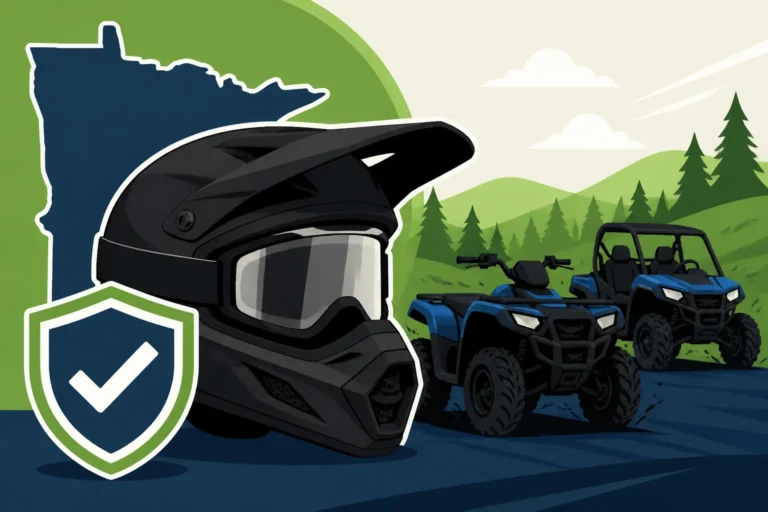
First and foremost, if you are required to wear a helmet, then suitable eye protection is also mandated. This is particularly relevant for younger riders. [Minnesota Helmet Rules for Riders Under 18] are very strict, requiring anyone under 18 years old to wear an approved helmet when operating or riding an ATV or UTV anywhere, including on private land. If a helmet is required, then eye protection is considered part of that overall safety equipment. This usually means a helmet with a face shield, or goggles worn with an open-face helmet. It's about ensuring a full level of protection.
Even for adults over 18, while a helmet might not be universally required on all private land, the moment you hit public rights-of-way like ditches, or designated trails, the expectation for safety gear elevates. Many adults choose to wear helmets with integrated visors or goggles because, frankly, it's just smart. A conservation officer stopping you for a routine check, maybe to confirm your [Minnesota ATV Registration Explained], will likely be looking at your overall safety setup. While they might not ticket an adult specifically for lack of eye protection on a ditch if no helmet is required, the spirit of the law and safety is certainly there. And remember, [Minnesota Fines for Illegal Road Riding] can apply to a range of safety violations.
The Interplay with Helmet Laws
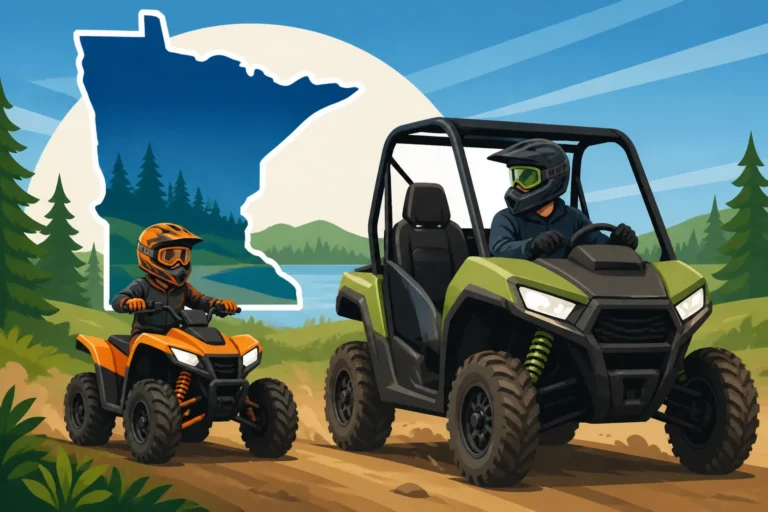
It's really important to understand that in Minnesota, eye protection is often intertwined with helmet requirements. If you're riding an ATV or UTV and state law mandates you wear a helmet, it's pretty much a given that your eyes need protection too. For example, if you're under 18 and riding your ATV in a roadside ditch, you absolutely need a DOT-approved helmet and eye protection that meets specific standards. This isn't just a suggestion; it’s a legal requirement.
For adults, while you might not always be legally required to wear a helmet on a ditch ride (depending on specific circumstances and local ordinances), many helmets come with integrated face shields. This makes the eye protection choice simple and automatic. If you opt for an open-face helmet, or no helmet at all where permissible, then you must actively seek out separate eye protection like goggles or safety glasses. Don't fall into the trap of thinking "no helmet, no problem" when it comes to your eyes. The hazards don't discriminate based on age or helmet choice. For a deeper dive into overall head protection, check out [Minnesota Helmet Standards and Who Must Wear One].
Choosing the Right Eye Protection for Your Minnesota Ride
With all the talk about why and what the law says, let's get practical. What kind of eye protection should you actually be wearing? There's a wide range of options out there, and what works best for one rider might not be ideal for another. It often comes down to personal preference, the type of riding you do, and the conditions you typically encounter on your [Minnesota's Ditch Riding Rules] adventures.
Goggles: The All-Around Workhorse
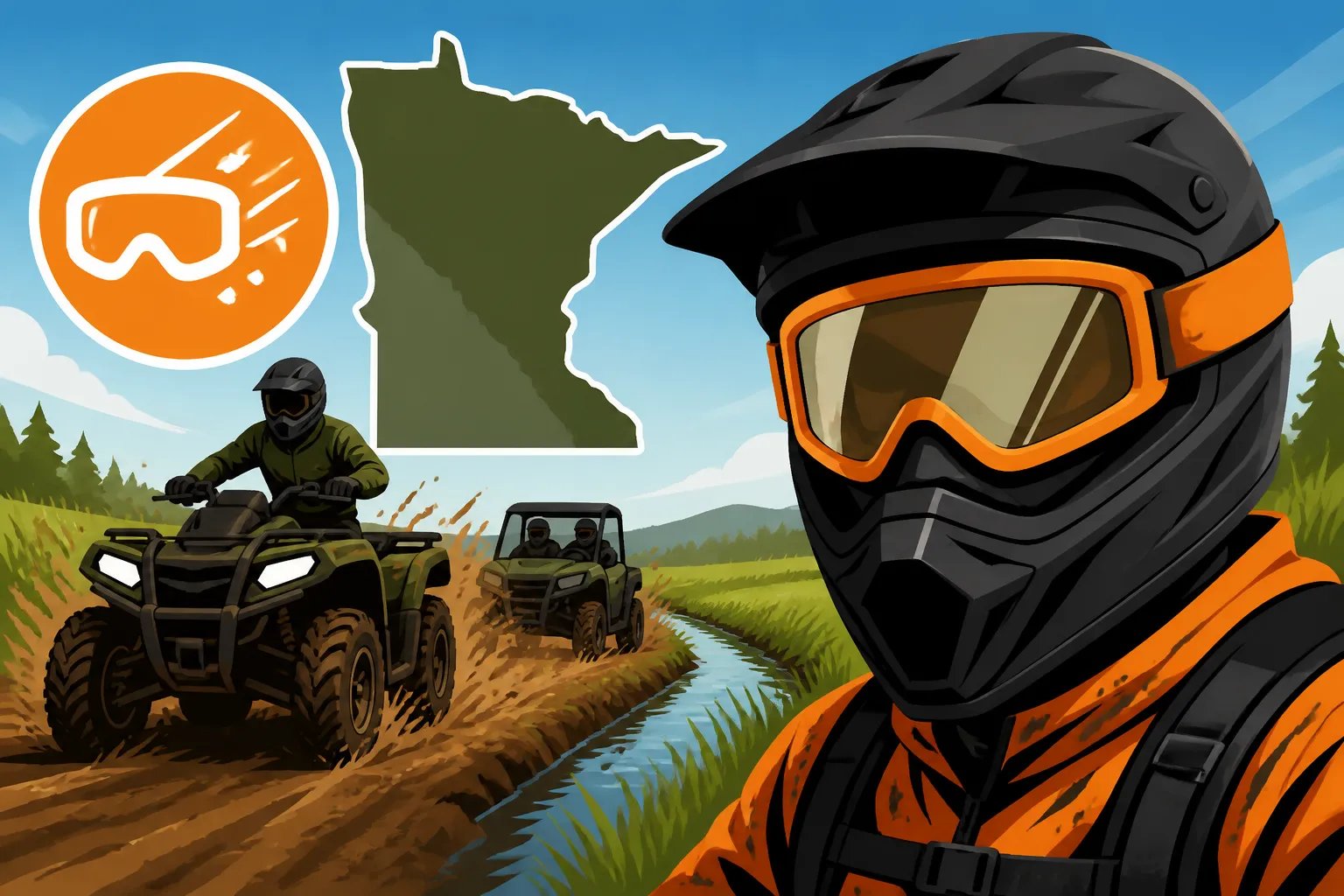
For many ATV and UTV riders, especially those who spend a lot of time on dusty trails or in varying conditions, goggles are the gold standard.
- Pros:
- Superior Seal: Goggles are designed to form a snug seal around your eyes, keeping out virtually all dust, dirt, wind, and debris. This is incredibly important on a dry gravel ditch, where fine particles are constantly airborne.
- Impact Protection: Most quality ATV goggles are built to withstand impacts, protecting your eyes from flying rocks, branches, or even unexpected wildlife.
- Ventilation: While some cheaper models can fog, good quality goggles often feature sophisticated ventilation systems to minimize fogging, especially when you're working hard or stopping frequently.
- Interchangeable Lenses: Many goggles allow you to swap out lenses for different light conditions – clear for night or overcast days, tinted for bright sun, or even amber for improved contrast in low light.
- Cons:
- Fogging: Still a potential issue, especially in humid or cold conditions, or if you're exerting yourself heavily. Anti-fog coatings and proper ventilation help, but it can still happen.
- Fit with Helmets: You need to ensure your goggles fit well with your chosen helmet, particularly if you wear an open-face model.
- Prescription Glasses: If you wear corrective lenses, you’ll need "Over-the-Glasses" (OTG) specific goggles that are designed to fit comfortably over your eyeglasses.
Helmet Visors: Convenience and Integration
Many full-face ATV or UTV helmets come equipped with an integrated face shield or visor. This is a popular choice for riders who want the convenience of all-in-one protection.
- Pros:
- Convenience: Simply pull down your visor, and you're protected. No need to fiddle with separate goggles.
- Integrated Design: The visor is designed to work seamlessly with the helmet, offering a complete seal against the elements.
- Good Visibility: Modern visors offer excellent optical clarity and wide fields of view. Like goggles, many visors are available in different tints for varying light conditions.
- Cons:
- Fogging: Just like goggles, visors can fog up, especially at lower speeds or when you stop. Look for helmets with good ventilation or "Pinlock ready" visors that allow for an anti-fog insert.
- Less Airflow: Sometimes, a full-face helmet with a visor can feel warmer and have less airflow than an open-face helmet with goggles, which might be a consideration on really hot days.
- Repair/Replacement: If a visor gets heavily scratched or damaged, it can be more costly to replace than just a goggle lens.
Safety Glasses: For Lighter Duty and Specific Situations
For some casual rides or specific UTV applications, safety glasses might seem like an acceptable option. However, it's crucial to understand their limitations compared to goggles or visors.
- Pros:
- Lightweight and Comfortable: They’re often less bulky and can be more comfortable for shorter rides or when you're in and out of the machine frequently.
- Ventilation: They offer excellent airflow, making them less prone to fogging than sealed goggles or visors.
- Prescription Options: You can get prescription safety glasses, which is a huge plus for those who need corrective lenses and don't like OTG goggles.
- Cons:
- Limited Seal: This is the biggest drawback. Safety glasses do not seal around your eyes, meaning dust, wind, and small debris can still get in from the sides, top, or bottom. This is a serious concern for ditch riding.
- Less Impact Protection: While they protect from direct front impacts, they offer minimal protection from side impacts or splashes.
- Wind Issues: At speed, wind can still cause your eyes to water significantly, defeating the purpose.
When choosing, always look for eyewear that is impact-rated (often indicated by ANSI Z87.1 certification). For UTVs, a full windshield can significantly reduce the need for eye protection at speed, but you'll still want to consider it for dust when you're going slow or if you don't have a full enclosure. Many UTV owners will even add a half-windshield from a company like SuperATV to deflect most of the wind and debris, still allowing some airflow. Even with a full windshield, if you're operating with the windows down or have a vented windshield, some form of eye protection is still a smart idea for those unexpected rogue bits.
Beyond the Law: Practical Tips for Keeping Your Eyes Safe and Clear
Knowing what to wear is only half the battle. Keeping your eye protection in good working order and understanding how to use it effectively can make all the difference between a clear, enjoyable ride and one filled with frustration. Especially on those long [Riding Back to the Cabin After Dark] trips, clear vision is paramount.
Maintaining Your Eyewear for Optimal Performance
Just like you maintain your ATV, your eye protection needs a little TLC. A scratched lens or a dirty visor is nearly as bad as no protection at all because it obscures your vision, creating dangerous blind spots.
- Cleaning is Key: Always use a soft microfiber cloth and a dedicated lens cleaning spray, or just plain water, to clean your goggles or visor. Never wipe them with a dirty glove or a dry shirt. Dust particles on the lens can act like sandpaper when wiped dry, leading to irreversible scratches. Carry a small cleaning kit with you, especially if you plan on riding on dusty trails.
- Anti-Fog Solutions: Minnesota weather, especially in spring and fall, can be a recipe for fogging. Invest in anti-fog sprays or wipes, or consider goggles/visors with anti-fog coatings or Pinlock inserts. Pinlock inserts create a double-pane effect, isolating the temperature difference and preventing fog from forming.
- Proper Storage: When you're not riding, don't just toss your goggles into a toolbox or on the seat. Store them in a soft bag or a dedicated case to prevent scratches. Keep your helmet visor up slightly if storing it in a warm environment to allow airflow and prevent moisture buildup.
Matching Protection to Conditions
The type of eye protection you choose might vary depending on the specific conditions of your ride.
- Bright Sun: Tinted or mirrored lenses are fantastic for reducing glare and eye strain on sunny days. Photochromic lenses, which adjust their tint based on UV exposure, are also an excellent option if you don't want to carry multiple sets of lenses.
- Low Light/Night Riding: Clear lenses are a must after dusk or in heavily wooded areas. Avoid tinted lenses entirely, as they significantly reduce the light reaching your eyes and can make obstacles hard to see. If you're going to be [Riding Back to the Cabin After Dark], ensure your clear lenses are spotless.
- Dusty Conditions: Goggles with a good foam seal and robust ventilation are your best friend here. Consider using tear-offs or roll-offs if you're riding in extremely muddy or dusty conditions, allowing you to quickly clear your vision without stopping.
- Cold Weather: Again, anti-fog solutions are critical. Some cold-weather specific goggles have dual-pane lenses, similar to ski goggles, to further prevent fogging. Also, ensuring your helmet is well-ventilated can help reduce the buildup of warm, moist air around your face that causes fog.
Don't Forget the Extras
- Hydration: Believe it or not, staying well-hydrated helps your body produce enough tears to keep your eyes moist, which can reduce irritation, especially when battling wind.
- Helmet Fit: Ensure your helmet fits properly. A poorly fitting helmet can allow more wind and debris to get behind a visor or goggles, or it can even shift, dislodging your eye protection.
- Spare Lenses: If you regularly ride in varying light conditions, having spare clear and tinted lenses on hand can be a game-changer.
- SuperATV: Companies like SuperATV offer a wide range of accessories that can enhance your visibility and protection, from replacement lenses to full UTV windshields that offer a comprehensive barrier. They even offer wipers and washers for those muddy adventures.
By taking these practical steps, you're not just complying with the law; you're actively ensuring a safer, more comfortable, and ultimately more enjoyable experience every time you head out on your Minnesota ATV or UTV. Don't underestimate the small details – they often make the biggest difference.
| Eye Protection Type | Primary Benefit | Key Consideration | Best Use Case |
|---|---|---|---|
| Goggles | Full seal against elements | Potential for fogging | Dusty trails, high speeds, all-weather riding |
| Helmet Visor | Convenience, integrated | Can fog at low speeds | General trail riding, UTVs with cab enclosures |
| Safety Glasses | High ventilation | Poor seal against elements | Very casual, low-speed UTV use, back-up option |
Disclaimer
This article is for general informational purposes only and does not constitute professional advice. Laws, prices and regulations vary by location and change over time. Consult a qualified professional for guidance on your specific situation.