Riding With a Parent on a Separate Machine
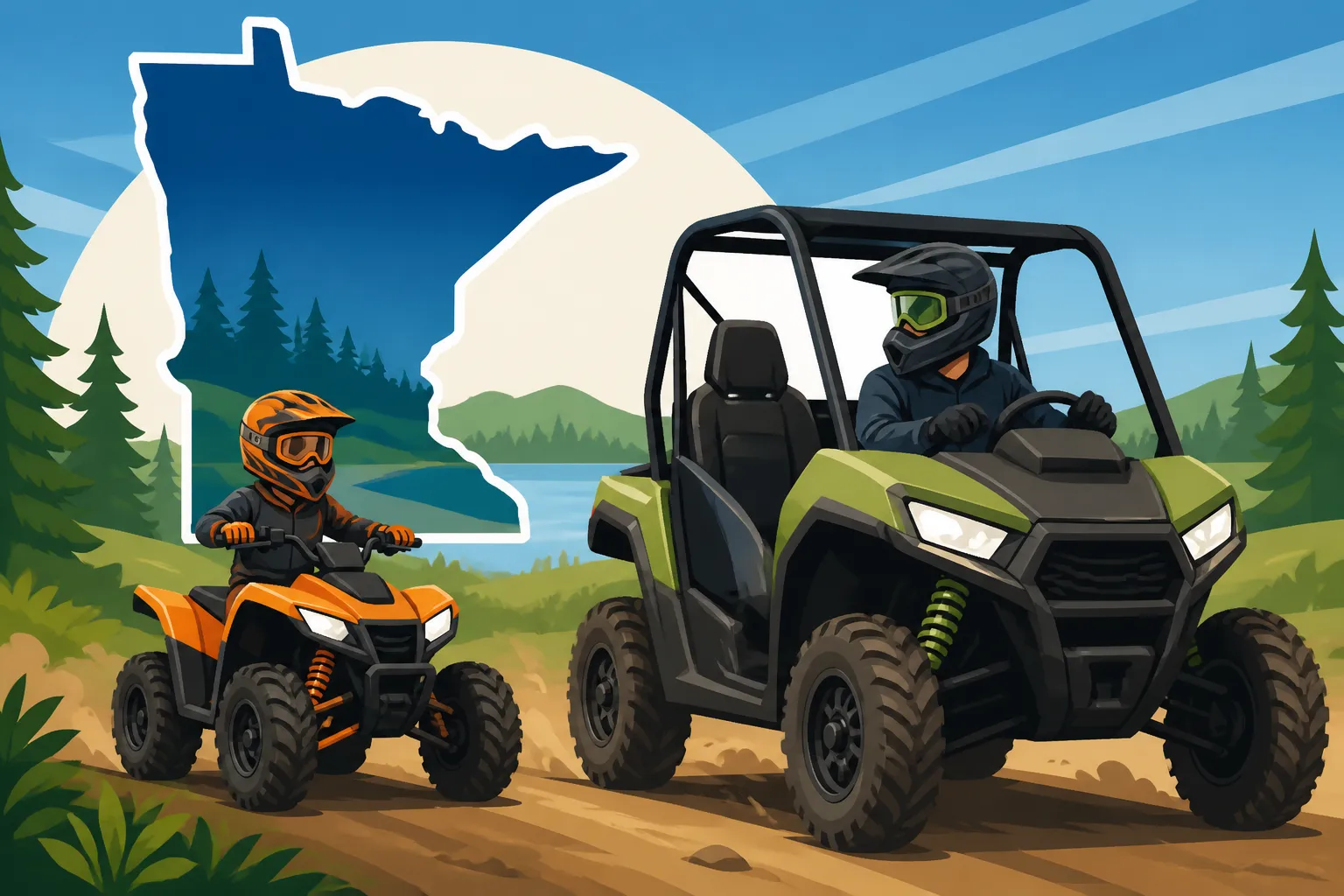
It's a beautiful sunny day, and all you want to do is head out to the trails or explore some of Minnesota's scenic ditch riding routes with your child. But you're not riding tandem on the same machine; you each have your own ATV or UTV. This brings up a common, often frustrating question for many parents: what are the specific rules in Minnesota when you're riding your own machine and supervising your child on theirs? It feels like it should be straightforward, but the nuances of age, supervision, and where you're riding can make things feel like a maze. This guide is here to untangle those rules and give you the clear picture you need for a safe and legal family ride.
Minnesota's Core Rules for Youth ATV Operators
Before we even get to the idea of riding on separate machines, it's absolutely vital to understand the foundational rules Minnesota has in place for young ATV and UTV operators. These aren't just suggestions; they are legal requirements designed to keep everyone safe. Many parents find themselves scratching their heads over the age cut-offs and what "certified" or "supervised" truly means, especially when they're not physically sitting on the same machine.
Age and Safety Training Requirements
Minnesota law is quite specific about who can operate an ATV or UTV, and when. For starters, no child under the age of 10 can operate an ATV or UTV on public lands, including trails or road rights-of-way. This is a hard-and-fast rule, regardless of supervision. Even on private property, it's crucial to consider their skill level and maturity. For children between the ages of 10 and 15, things get a bit more complex, hinging on whether they've completed the required safety training.
If your child is 10 or 11 years old, they can only operate an ATV or UTV on public lands or road rights-of-way if they have successfully completed an approved ATV safety training course. Even with this certification, they must be directly supervised by a parent or guardian, or another adult 18 or older who has been authorized by the parent or guardian. This supervision isn't just a casual glance; it implies being close enough to intervene if needed. For kids aged 12 to 15, the rules are similar: they also need that safety certificate if they're going to ride on public land, and if they're under 16, they still need to be supervised when riding on public lands, except on private property with owner permission. This safety training is a real cornerstone of youth riding in Minnesota, ensuring that even at a young age, riders understand the basics of safe operation and trail etiquette. You can learn more about [Minnesota ATV Safety Training Requirements].
The Role of Parental Supervision
The concept of "supervision" is where a lot of confusion arises, especially when a parent is on their own machine. Minnesota statutes define "accompanied" in the context of minors operating ATVs, particularly on public roads or rights-of-way. It doesn't mean you just have to be in the general vicinity. The law generally implies that the supervising adult must be capable of providing immediate direction and assistance. When you're both on separate machines, this means maintaining close visual contact and being able to communicate effectively, often within hearing distance.
Imagine you're on a multi-machine ride with your child. The expectation isn't that you're just somewhere on the same trail. It means you are actively monitoring their riding, observing their speed, their handling of terrain, and their adherence to safety rules. If your child suddenly encounters a difficult obstacle, or perhaps gets too close to a road crossing without looking, you, as the supervisor on a separate machine, must be able to react quickly. This close supervision ensures that the certified young rider isn't just let loose, but continues to learn and ride safely under your watchful eye. This is especially true on shared public spaces like grant-in-aid trails or ditch routes, where other traffic and varying conditions demand constant vigilance.
Navigating Public Roads and Ditches on Separate Machines
Minnesota offers extensive opportunities for riding ATVs and UTVs, including designated trails and approved road rights-of-way (ditches and shoulders). When a parent is riding a separate machine while supervising a minor, these public spaces come with their own set of rules and expectations that go beyond just general supervision. It's not enough to simply be on the same trail; you need to understand the specifics of how to ride together legally and safely.
Understanding "Accompanied" on Road Rights-of-Way
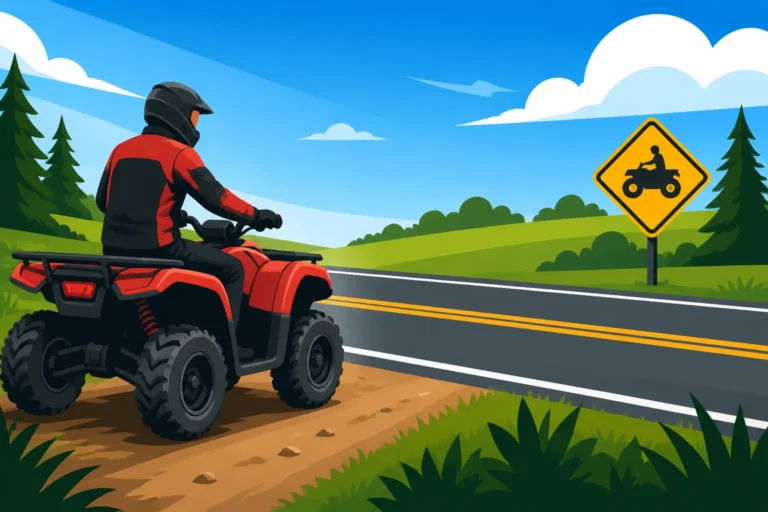
When you're riding with your child on separate machines along a public road right-of-way in Minnesota, the term "accompanied" takes on a very specific meaning. For riders under 16, Minnesota law requires them to be "accompanied by" a parent, legal guardian, or an adult 18 or older authorized by the parent or guardian. When the adult is also on a separate machine, this generally means riding in a position that allows for direct, unimpeded supervision. Typically, this would mean riding either directly behind or directly in front of the child, maintaining a safe but close distance.
You wouldn't want to be two curves ahead, or lag so far behind that you can't see your child's immediate actions or reactions to unexpected hazards like a hidden culvert or an approaching vehicle. The intent of the law is to have the supervisor immediately available to intervene, provide guidance, or render aid. Riding on a public road's shoulder or ditch often means interacting with other road users, farm equipment, or pedestrians. This heightened environment demands that the accompanying adult maintain constant awareness of both their child's riding and the surrounding conditions. For more on specific age rules, check out [Minnesota Road Rules for Riders Aged 12 to 15] and [Accompanied Riding for Minnesota Minors].
Legal Requirements for Adult Supervision
Beyond just "being there," the adult supervisor on a separate machine has several legal responsibilities. First and foremost, they must ensure the minor operator is adhering to all traffic laws and ATV regulations. This includes speed limits, proper signaling, yielding to other vehicles, and staying within designated riding areas. If the child deviates from safe riding practices or legal requirements, the accompanying adult is responsible for correcting that behavior.
Secondly, the adult must be prepared to physically assist the child if they encounter mechanical trouble, get stuck, or have a minor accident. This means having the necessary tools, recovery gear (if appropriate for the terrain), and first-aid supplies. It’s also important that the adult is not impaired, as Minnesota has strict [Minnesota Alcohol Limits for ATV Operators], and operating an ATV while under the influence with a minor in tow (even on a separate machine) could lead to severe penalties. The expectation is that the adult supervisor is fully engaged, vigilant, and prepared to act as a mentor and protector throughout the ride.
| Age Group | Public Land/Trail Access | Road/Ditch Riding | Safety Training Req. | Adult Supervision Req. | Helmet Req. (under 18) |
|---|---|---|---|---|---|
| Under 10 | No | No | N/A | N/A | Yes |
| 10-11 | Yes | Yes | Yes | Yes, immediate | Yes |
| 12-15 | Yes | Yes | Yes | Yes, immediate | Yes |
| 16-17 | Yes | Yes | Yes* | No | Yes |
| 18+ | Yes | Yes | No* | No | No (recommended) |
*Applies to riders born after July 1, 1987. All riders 12 and older must have a safety certificate to operate on public lands, regardless of supervision, unless specifically exempt.
Equipment and Safety Considerations for Separate Riders
When you're riding on separate machines, safety considerations extend beyond just supervision rules. The equipment you and your child use, and even the type of machine, play a critical role in ensuring a safe outing on Minnesota's trails and roads. Many parents understandably focus on the "rules of the road," but overlooking essential gear can put both riders at unnecessary risk.
Helmet Laws for Minors and Adults
This is one area where Minnesota law is absolutely clear: all ATV and UTV operators and passengers under the age of 18 must wear a DOT-approved helmet when riding on public lands, including designated trails and road rights-of-way. This rule applies whether the minor is riding their own machine or is a passenger on yours. There's no exception for riding with a parent on a separate machine; if your child is under 18, their helmet needs to be on and securely fastened the entire time they are operating their ATV or UTV.
While adults (18 and over) are not legally required to wear a helmet, it is highly recommended for all riders, regardless of age. A helmet is the single most effective piece of safety gear in preventing head injuries in the event of a fall or collision. When you're out there with your child on separate machines, modeling safe behavior by wearing your own helmet not only protects you but reinforces the importance of safety for them. Investing in a good quality, properly fitting helmet, along with other protective gear like goggles, gloves, long pants, and sturdy boots, should be a priority for everyone in the riding party. You can find more specific details on [Minnesota Helmet Rules for Riders Under 18].
Machine Classifications and Restrictions
Minnesota classifies ATVs into two main categories: Class 1 and Class 2. Class 1 ATVs are generally those less than 50 inches wide, designed for a single rider, or a single rider and a passenger. Class 2 ATVs are 50 inches wide or more, often side-by-sides (UTVs), and typically carry multiple passengers. This classification matters because different rules might apply to where and how these machines can be operated, especially on road rights-of-way.
For example, on certain ditch riding routes, there might be specific regulations regarding Class 2 machines due to their width, or limitations on their use on certain types of public roads. When you're planning a ride with your child, it's important to know the classification of both your machine and theirs. While youth machines are generally Class 1, understanding the dimensions and intended use of each vehicle helps ensure you're both riding legally. Also, ensure both machines are appropriately registered with the Minnesota DNR and display valid registration stickers. Having a properly maintained machine, potentially with robust aftermarket parts from suppliers like SuperATV that are known for durability, can give you extra peace of mind when venturing out on the trails.
Practical Tips for a Safe Family Ride
Riding ATVs and UTVs with your child on separate machines can be an incredibly rewarding experience, fostering a love for the outdoors and teaching responsibility. However, beyond legal compliance, there are many practical steps you can take to ensure every ride is as safe and enjoyable as possible. Planning and communication are key when you're not physically sharing the same seat.
Communication and Planning
Before you even load up the machines, sit down with your child and discuss the day's ride. Talk about the route you'll take, expected conditions, and any specific rules or challenges you might encounter. This is especially important for areas like ditch riding where you'll be sharing space with road traffic, or on popular trails where you'll encounter other riders. Establish clear communication methods: hand signals, agreed-upon stopping points, and how you'll handle turns or obstacles. If you have two-way radios or helmet communicators, these can be invaluable for maintaining constant contact without yelling, which is especially helpful when you're on separate machines and perhaps spread out a bit on the trail.
During the ride, periodically check in with your child. Ask if they're feeling comfortable, if they need a break, or if they're encountering any difficulties. Remember, while you're the supervisor, you're also their riding buddy. Maintaining open communication helps you assess their fatigue levels and ensures they're still having fun while staying safe. This proactive approach to communication not only ensures safety but also builds trust and a stronger riding partnership, making the whole experience more enjoyable for everyone involved.
Emergency Preparedness
Even the most experienced riders can encounter unexpected situations. When you're riding with a child on a separate machine, being prepared for emergencies becomes even more critical. Always carry a well-stocked first-aid kit that includes supplies for minor injuries. Knowing basic first aid is also crucial. Consider carrying tools for minor repairs, a tire repair kit, and a small air pump. Even something as simple as a fully charged cell phone (though service can be spotty in some remote areas) or a GPS device can be a lifesaver.
Discuss with your child what to do in case of separation or an accident. Who should they call? Where should they stay? These conversations, while sometimes uncomfortable, are vital for empowering them to act responsibly if something unforeseen happens. Additionally, let someone not on the ride know your planned route and estimated return time. Being prepared means you can often handle minor incidents independently, keeping everyone safe and allowing you to get back to enjoying Minnesota's beautiful outdoors without undue stress.
Disclaimer
This article is for general informational purposes only and does not constitute professional advice. Laws, prices and regulations vary by location and change over time. Consult a qualified professional for guidance on your specific situation.