Fueling an ATV in a Minnesota Small Town
You're out on the trails, the sun is shining, and your ATV is humming along, eating up those Minnesota miles. Then, you glance down at the fuel gauge and a familiar dread creeps in: you're running low, and the next gas station is in that quaint little town just up the road. The thought of pulling your off-highway vehicle (OHV) into a bustling small-town gas station can be a real headache, especially with all the questions swirling about what's legal, what's courteous, and how on earth you're supposed to navigate those rules without causing a scene or, worse, getting a ticket. This guide will walk you through everything you need to know about successfully and responsibly fueling your ATV or UTV in Minnesota's charming small towns, making sure your pit stop is smooth sailing.
The Unique Challenge of Fueling Your ATV in a Small Minnesota Town
Riding through Minnesota's incredible network of trails often means you'll eventually find yourself needing to resupply, and that inevitably leads to a small town. These towns are often trail-friendly, welcoming riders and their machines, but that doesn't mean you can just roll up to the pump any old way. There's a distinct set of challenges and considerations when you need to switch gears from off-road adventure to on-street practicalities.
Navigating Local Rules Versus State Guidelines
Minnesota has general statewide rules about ATV use, including regulations regarding ditch riding and road crossings. These rules are designed to provide a framework for safe and responsible operation across the state's vast landscape. However, the minute you enter an incorporated city or town, those general state guidelines can quickly become superseded or supplemented by local ordinances. This is where the confusion often begins for riders. What might be perfectly acceptable out on a rural township road ditch could be strictly prohibited on a main street within city limits.
Many small towns, especially those that actively promote themselves as "trail towns" or "ATV-friendly," have specific ordinances that designate certain streets or routes where ATVs and UTVs are permitted to operate. These routes are typically intended to allow riders to access services like gas stations, restaurants, or lodging without having to trailer their machines. The challenge lies in knowing which towns have these routes, where they are, and what the specific rules are for using them. Without this local knowledge, you might find yourself unknowingly in violation of a city ordinance, even if you’re trying to be responsible. It's a real frustration when you're just trying to get some fuel and keep your adventure going.
The Fine Line Between Convenient Access and Compliance
Small towns often rely on the business that ATV and UTV riders bring, especially during peak riding seasons. Gas stations, cafes, and local shops all benefit from the influx of visitors. This creates a push for convenient access, allowing riders to easily reach these establishments. However, this desire for convenience must always be balanced with public safety, traffic flow, and the comfort of other residents and visitors. Local authorities are tasked with finding this balance, which often results in specific, sometimes seemingly intricate, rules for OHV operation within town limits.
For example, a town might allow ATVs on a specific paved shoulder or the far right side of a road to reach a gas station, but strictly prohibit riding on sidewalks or through private parking lots not explicitly designated for ATV use. The rules might also stipulate speed limits, helmet requirements even for adults, or specific times of day when access is permitted. Ignoring these local nuances, even with good intentions, can lead to uncomfortable interactions with law enforcement or local residents. It’s important to understand that these rules, however inconvenient they may sometimes feel, are there to ensure that both riders and the community can coexist peacefully and safely. Checking the city's website or looking for posted signage as you enter town can save you a lot of grief. [Minnesota Cities With Posted ATV Routes] are typically keen to share this information.
Understanding Minnesota's ATV Road Access for Services
Minnesota's rules for ATV use on public roads and rights-of-way are designed to keep everyone safe, but they can be a maze to navigate when you're just trying to get a tank of gas. It's not as simple as "if there's a ditch, you can ride it," especially when you're near or in a small town. Knowing the specific types of access allowed and what's prohibited can make all the difference between a smooth stop and a stressful one.
Designated Routes and Permitted Road Sections
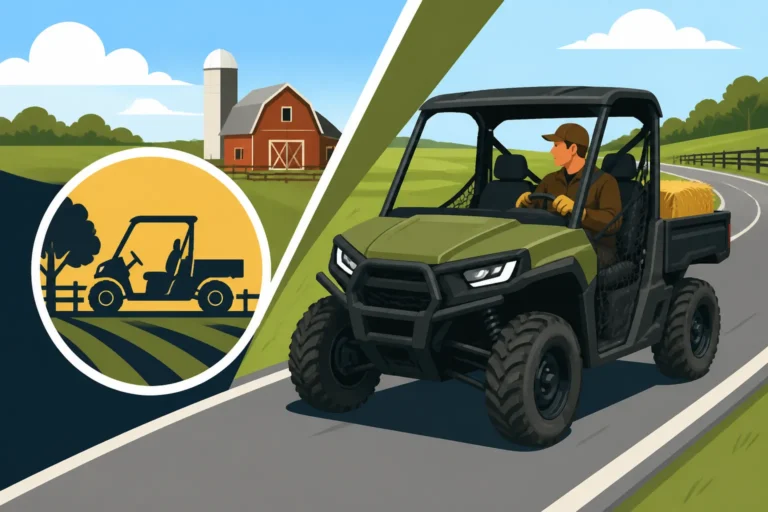
Many Minnesota small towns that embrace the ATV community will establish specific "ATV routes" or "OHV corridors" to facilitate access to services. These are typically marked roads or streets within the town limits where ATVs and UTVs are legally allowed to operate. These routes are invaluable because they provide a clear, legal path for riders to reach gas stations, eateries, and lodging without having to trailer their machines or guess which roads are permissible. You'll often see distinct signage, sometimes with an ATV symbol, indicating these routes as you approach or enter a town. It's truly a welcome sight after a long stretch of trail!
It's crucial to understand that these designated routes aren't a free pass to ride anywhere within the town. They are usually very specific, designed to minimize disruption to regular traffic and residential areas. Sticking to these marked routes is paramount. Deviating from them, even for a short cut or to visit a different store, could put you in violation of local ordinances. Think of it like a puzzle – these towns have carefully crafted the pieces to fit, and if you go off script, you could be creating problems for yourself and potentially jeopardizing the town's continued support for ATV access. Always look for those signs, and if in doubt, ask a local or check the city's information online. [Riding an ATV Into Appleton] or other trail towns is a great experience when you know the local layout.
Safe Crossing and Ditch Riding Considerations
Beyond designated routes, there are general state rules about how ATVs can interact with roads, particularly when it comes to crossing them or utilizing road ditches. Minnesota law generally allows ATVs to operate on the far right side of the road shoulder or in the ditch of a public road, unless prohibited by local ordinance or signage. This "unless prohibited" clause is the key sticking point when entering a town. While [Minnesota's Ditch Riding Rules] permit this in many rural areas, city limits often bring stricter rules, sometimes prohibiting ditch riding entirely for safety and aesthetic reasons.
When you do need to cross a road to reach a gas station or access a designated route, Minnesota law requires you to do so at an angle of approximately 90 degrees to the road, only after yielding to all traffic and when it can be done safely. You cannot operate your machine on the main travel lanes of a county road or state highway for any significant distance unless it's a designated ATV route. This means if the gas station is across a busy street, you need to exercise extreme caution, waiting for clear gaps in traffic. Remember, visibility for ATV riders to motorists can be compromised, especially if your machine is covered in trail dust or you're operating near dusk. Taking your time, making eye contact with drivers, and signaling your intentions clearly are vital steps for a safe crossing.
Furthermore, it's worth noting that even where ditch riding is technically allowed, the physical characteristics of a ditch can change dramatically within town limits. You might encounter culverts, mailboxes, utility poles, or even landscaping that makes ditch riding hazardous or impractical. [Minnesota Rules Where the Ditch Runs Out] and merges with a street or sidewalk are particularly important to understand. Always prioritize safety over convenience. If the ditch is unsafe or unclear, it’s far better to find a legal road crossing or designated route than to risk an accident or a citation.
Practical Steps for Fueling Up at a Small-Town Gas Station
Alright, you've successfully navigated the town's ATV routes, you're observing local ordinances, and now you can see the gleaming gas station ahead. This is where the rubber meets the road—or rather, the knobby tire meets the pavement. Pulling into a gas station with your ATV or UTV requires a bit of strategy and courtesy to ensure a quick, efficient, and hassle-free fueling experience.
Approaching and Parking Your Machine Respectfully
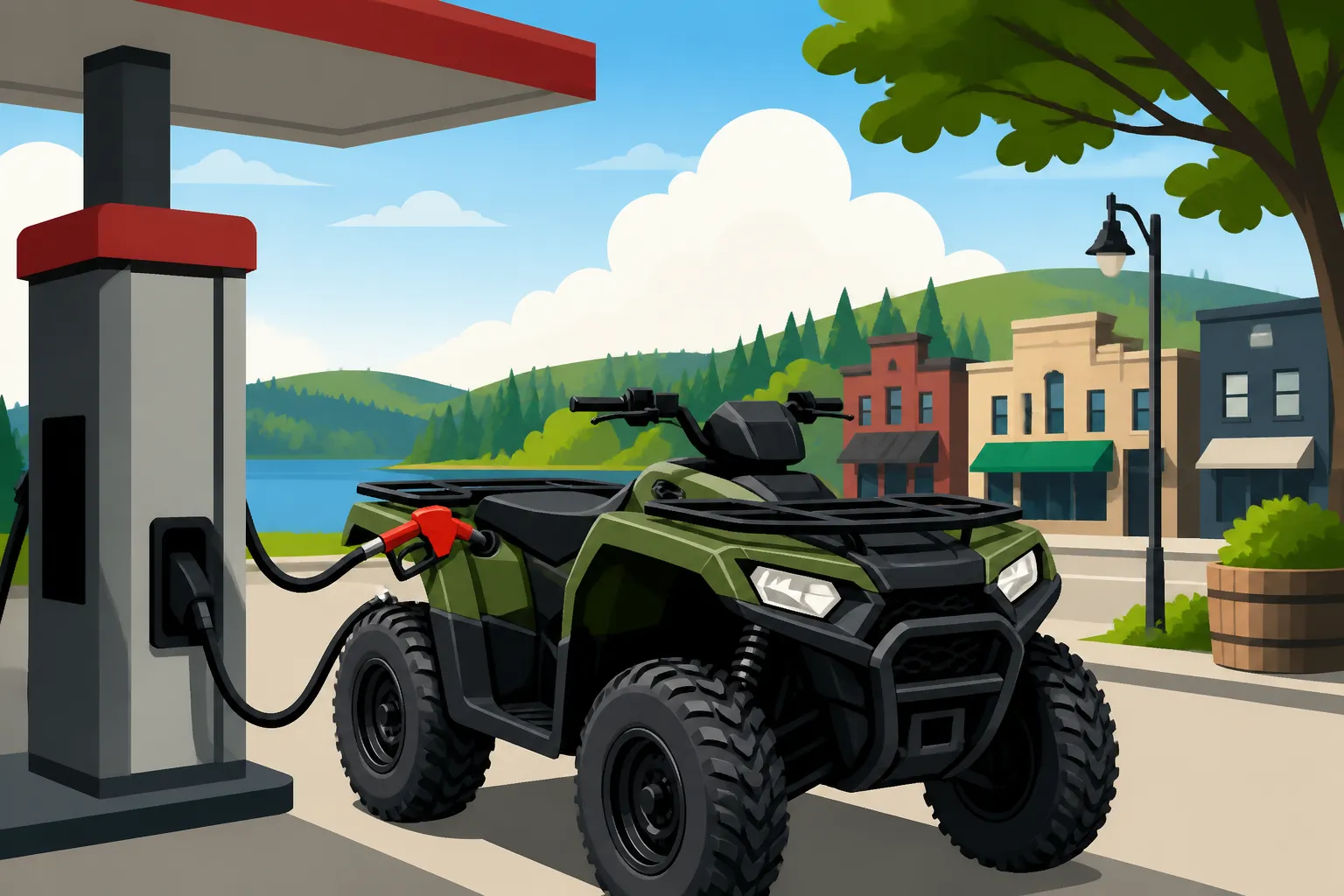
As you approach the gas station, remember that this isn't a trail staging area; it's a place of business often shared by many different types of vehicles. The first step is to slow down considerably and scan the area for available pumps and parking. You'll want to choose a pump that is easily accessible and, ideally, one that won't block other vehicles or through-traffic at the station. This is especially true if you're riding a larger side-by-side or have a long machine with extra cargo, perhaps with a SuperATV cargo rack on the back. Think about the flow of traffic at the pumps and try to fit in without causing a bottleneck.
Once you've chosen your pump, park your ATV or UTV carefully. Avoid pulling onto sidewalks or grassy areas unless explicitly instructed by the station staff or signage. These areas are not typically designed for vehicle weight or traffic. If the station is busy and you can't immediately get to a pump, find a safe, out-of-the-way spot in the parking lot to wait. This could be off to the side, away from the main flow of cars. [Parking an ATV at a Busy Trailhead] can offer some similar lessons on considerate parking. The goal is to be inconspicuous and not to create a nuisance. Remember, you're an ambassador for the entire ATV community, and a positive interaction at the gas station contributes to a good reputation for all riders in that town.
Making the Purchase: Pumps, Payment, and Departure
With your machine safely parked, the process of actually getting fuel is much like fueling any other vehicle, but with a few unique considerations. First, always make sure your engine is off before you begin fueling. This is not just common sense, it's a safety regulation at all gas stations. Remove your helmet and any other bulky gear that might make you appear less approachable to other patrons. If you're carrying a jerry can or an auxiliary fuel tank, ensure it's removed from your machine and placed on the ground before filling.
Most modern gas stations offer pay-at-the-pump options, which can be incredibly convenient, especially if you're still wearing some of your riding gear. However, some smaller, more rural stations might still require you to go inside to pay. Be prepared for either scenario. If you go inside, be mindful of tracking mud or dirt into the convenience store. Kicking off excessive mud from your boots before entering is a small gesture that can go a long way in showing respect for the business. Once you've paid and fueled up, replace the gas cap securely, then take a moment to double-check that you haven't left any litter or dropped anything around the pump. Finally, restart your engine, carefully check your surroundings for other vehicles and pedestrians, and slowly and safely pull away from the pump, rejoining the designated ATV route or leaving town as planned.
Pre-Ride Preparation for Stress-Free Town Stops
The best way to ensure a smooth fueling experience in a Minnesota small town isn't just knowing the rules when you're there, but by preparing for it long before you even leave your driveway. A little foresight can prevent a lot of headaches, save precious riding time, and ensure you're always on the right side of local regulations. Think of it as part of your overall ride planning, just like checking your tire pressure or packing a lunch.
Planning Your Route and Anticipating Fuel Needs
One of the most crucial steps in avoiding stress at town fuel stops is to integrate them into your ride plan. Before you even head out, take a look at your intended trail route and identify potential towns where you might need to refuel. It's a good idea to know the range of your machine and keep track of your fuel consumption throughout the day. Don't wait until the low fuel light comes on to start thinking about gas! Instead, aim to refuel when your tank is around a quarter full. This gives you a comfortable buffer in case the first gas station you planned for is closed, too busy, or inaccessible.
Researching the towns you'll be passing through is also invaluable. A quick online search for "[Minnesota Trail Towns Worth a Base Camp]" can often reveal specific information about ATV access, designated routes, and even which specific gas stations are most rider-friendly. Some towns might even have maps of their ATV routes available online. Knowing this beforehand will prevent that moment of panic when you roll into a town with no idea where to go. You could even use a GPS app or a printed map to mark these fuel stops and designated routes. Carrying a SuperATV cargo box or a sturdy dry bag with a small, approved fuel can for emergencies can also offer peace of mind, allowing you to reach the next town safely if you miscalculate your fuel.
Ensuring Your Machine and Paperwork are Ready
Beyond just fuel planning, making sure your ATV or UTV is properly equipped and that you have all your necessary paperwork in order is essential for a stress-free town visit. While you might keep your machine in top-notch condition for trail riding, those small-town encounters often involve more interaction with the public and, potentially, law enforcement. Your machine should be generally clean and well-maintained; a machine caked in mud can raise eyebrows and make you seem less respectful of the town environment. Ensure all your lights are working, including headlights and taillights, as many town ordinances may require them even during daylight hours on designated routes.
Equally important is having all your required documentation easily accessible. This typically includes your ATV registration, proof of ownership, and potentially proof of insurance. While [Do You Carry Papers on a Minnesota Trail?] is a good question to ponder for the backcountry, it's an absolute must for town riding. Minnesota Conservation Officers and local police officers may conduct routine checks, and being able to quickly produce these documents demonstrates your compliance and responsibility. Consider keeping copies in a waterproof pouch on your machine. For youth riders, ensure you have their safety training certificate if required by their age and birthdate. Being prepared with your paperwork not only avoids potential fines but also helps ensure a polite and efficient interaction if you happen to be stopped.
Being a Responsible Rider: Etiquette and Safety in Town
Riding your ATV or UTV into a small Minnesota town for fuel or supplies is more than just following the letter of the law; it's about being a good neighbor and an ambassador for the sport. The way you conduct yourself and operate your machine in town can greatly influence how residents and local authorities view ATV riders in general. A little common sense, courtesy, and a focus on safety can go a long way.
Blending In: Speed, Noise, and Courtesy
When you're riding through a small town, remember that you're no longer on an open trail where speed and engine noise are less of a concern. Town streets are shared spaces, often with homes, businesses, and pedestrians. Adhere strictly to posted speed limits, which are almost always much lower than what you might be used to on a trail. Even if there isn't a sign, assume a speed limit of 25 mph or less in residential or commercial areas. This slow pace not only increases safety but also significantly reduces dust and noise, showing respect for the community. [Speed on a Minnesota Road Right of Way] is a specific rule, but a general principle applies in town: slow is smooth, and smooth is safe.
Your machine's noise level is another critical aspect of blending in. While aftermarket exhausts might sound great on the trail, they can be jarring and disruptive in a quiet town setting. Be mindful of your throttle usage and avoid unnecessary revving. If you're riding in a group, maintain a single file and don't create an intimidating presence. [Group Etiquette Through a Quiet Town] is about minimizing your footprint and showing consideration for others. A friendly wave to pedestrians or a polite nod to motorists can also foster positive interactions. These small acts of courtesy help build a reputation of responsible riders, ensuring continued access and a warm welcome in the future.
Visibility and Awareness: Protecting Yourself and Others
Safety is paramount, especially when you transition from the relative solitude of the trails to the shared environment of town roads. Your visibility to other drivers and pedestrians is crucial. Even in daylight, wearing bright, high-contrast clothing can significantly increase your chances of being seen. Consider adding reflective tape to your helmet or machine, or using bright SuperATV LED lights, especially if you're riding near dusk or in adverse weather conditions. While Minnesota has specific lighting rules for night riding, being proactive with visibility during the day in town is just good practice.
Beyond being seen, you need to be constantly aware of your surroundings. Small towns often have parked cars, children playing near sidewalks, and drivers who might not be accustomed to sharing the road with ATVs. Keep your head on a swivel, anticipate potential hazards, and always be prepared to stop quickly. Avoid distractions, such as looking at your phone or engaging in overly animated conversations with fellow riders. Pay close attention to traffic signs, pedestrian crossings, and school zones. Remember that in Minnesota, [Minnesota Alcohol Limits for ATV Operators] apply universally, whether on the trail or riding legally on a designated town route. Operating your machine with a clear head and an abundance of caution ensures not only your safety but also the safety of everyone else around you in the small town.
Table: Dos and Don'ts of Fueling in a Minnesota Small Town
| Action | Do | Don't |
|---|---|---|
| Route Navigation | Stick to designated ATV routes and marked access points. | Ride on sidewalks, private property, or non-designated city streets. |
| Speed & Noise | Adhere to posted city speed limits; maintain low engine revs. | Exceed speed limits; make excessive noise; create dust plumes. |
| Parking at Gas Station | Park in a way that doesn't block traffic flow or other vehicles. | Block pumps, entrances/exits, or park on landscaping/sidewalks. |
| Fueling Procedure | Turn off engine, remove helmet, ensure fuel cans are on the ground. | Fuel with engine running; leave fuel cans attached to machine. |
| Interaction with Locals | Offer a friendly wave; be courteous and respectful to all. | Be confrontational; ignore requests from staff or residents; litter. |
| Documentation | Carry valid registration, proof of ownership, and safety certificate. | Ride without proper documentation; assume you won't be stopped. |
| Visibility | Wear bright clothing; ensure lights are functional. | Blend into traffic; operate with non-functioning lights. |
| Waste & Litter | Dispose of trash properly in receptacles. | Leave fuel receipts, empty bottles, or other trash at the pump or lot. |
[Small-Town Gas Stations That Serve Riders] are a great asset to the ATV community, and by following these guidelines, you help ensure they continue to welcome us.
Disclaimer
This article is for general informational purposes only and does not constitute professional advice. Laws, prices and regulations vary by location and change over time. Consult a qualified professional for guidance on your specific situation.