Eye Protection on a Minnesota Ride
There's nothing quite like the feeling of the open air and the rumble of your ATV or UTV on a Minnesota trail or ditch. But let's be real, that 'open air' often comes with a generous serving of dust, flying debris, branches, and even insects aimed squarely at your face. Ignoring proper eye protection isn't just a gamble; it's an invitation to a ride-ending injury or a permanent impairment. This guide will walk you through everything you need to know about keeping your vision clear and safe, from Minnesota's specific regulations to choosing the best gear for your adventures.
Why Eye Protection Isn't Just a Rule, It's Essential
Let's face it, when you're geared up and ready to hit the trails or cruise the ditches, the last thing on your mind might be a tiny pebble. But those tiny pebbles, or stray twigs, or even persistent bugs, can become serious projectiles at speed. Thinking about eye protection as an optional accessory is a dangerous mindset for any rider, especially here in Minnesota where our diverse terrain throws a lot more at you than just smooth sailing. It's not just about compliance; it's about protecting one of your most vital senses on every single ride.
The Unexpected Dangers on Minnesota Trails and Roads
Minnesota's landscape offers incredible riding, from the vast network of state forest trails to the hundreds of miles of public ditch lines. Each environment, however, comes with its own set of visual hazards. On wooded trails, you're constantly dodging low-hanging branches, snapping twigs, and the dust kicked up by the rider in front of you. Even a tiny piece of wood, propelled by the recoil of a passing machine, can strike with surprising force. On gravel roads and ditch lines, you're dealing with a whole different beast: small rocks, dirt clods, and even exhaust particles that can cloud your vision and cause irritation.
Then there are the less obvious dangers: an unexpected splash of water or mud, or even grit from another vehicle's tires if you're riding near a road. I've heard too many stories of a rider having their vision compromised by something seemingly harmless, leading to a loss of control or a sudden, painful stop. The truth is, your eyes are exposed to a constant barrage of potential threats, and it only takes one incident to change your ride – or your life – forever. Protecting them isn't being overly cautious; it's being smart and realistic about the environment we choose to play in.
Beyond Debris: Sun, Wind, and Fatigue
While impact protection is often the first thing we think of, eye protection does so much more. Our beautiful Minnesota sun, especially when bouncing off snow or reflecting from a lake, can cause intense glare that significantly reduces visibility and leads to long-term damage like cataracts or macular degeneration. A good pair of goggles or glasses will offer 100% UV protection, shielding your eyes from these harmful rays. This isn't just about comfort; it's about preserving your vision for years to come.
Then there's the wind. Riding without proper eye coverage leaves your eyes exposed to constant airflow, which can quickly dry them out, cause excessive tearing, and lead to eye fatigue. Imagine trying to navigate a challenging section of trail with watery, stinging eyes – it’s not only uncomfortable but incredibly dangerous. Dust and pollen, especially prevalent during certain seasons, can also cause severe irritation or trigger allergic reactions, turning a fun ride into a miserable ordeal. And let's not forget the buzzing, flying insects that seem to have a particular affinity for your face as you ride through forested areas or open fields. A direct hit from a bee or a beetle can be startling, distracting, and painful, easily leading to a mishap.
Personal Stories: The Ride That Went Wrong
I've been on rides where a buddy, thinking their windshield was enough, ended up with a nasty branch scar inches from their eye because a rogue limb snapped back unexpectedly. Another time, someone in our group learned the hard way about the importance of good goggle ventilation when they hit a damp section of trail, their lenses completely fogged over, and they almost took a tumble. We've all seen, or experienced, that moment when a large dust cloud from a passing machine momentarily blinds you. Without proper eye protection, that momentary blindness can have dire consequences.
These aren't just cautionary tales; they're real scenarios that happen every riding season across Minnesota. A seemingly innocent piece of gravel kicked up by a tire can chip a lens, but without that lens, it could have been your cornea. A low-hanging branch that would have scratched your helmet visor could have put out an eye. It's easy to think "it won't happen to me," but the unpredictable nature of off-road riding means preparation is key. Your eyes are irreplaceable, and a small investment in quality eye protection is perhaps the cheapest insurance you can buy.
Minnesota's Official Stance on Eye Protection
When we talk about legal requirements for ATV and UTV riding in Minnesota, it often circles back to safety. The state is committed to ensuring riders, particularly younger ones, are as protected as possible. While the rules aren't always as black and white for adults as they are for minors, understanding the spirit and letter of the law is crucial for everyone who enjoys our trails and public lands. Ignoring these regulations isn't just risking a ticket; it's risking your well-being.
Who Needs Eye Protection in Minnesota?
Minnesota statutes are quite clear when it comes to youth riders and safety equipment. If you're under the age of 18 and operating an ATV or UTV on public lands, public waters, or frozen surfaces in Minnesota, you are legally required to wear both a helmet and eye protection. This isn't a suggestion; it's a mandate designed to protect our youngest and often most vulnerable riders. This rule applies whether they are driving their own machine, riding a friend's, or even just crossing a public road.
For adult riders (18 and older), the law is a bit more nuanced. There is no blanket legal requirement for adults to wear eye protection while operating an ATV or UTV in Minnesota. However, this lack of a direct mandate should never be interpreted as permission to ride without it. The absence of a law doesn't negate the very real risks we discussed earlier. Common sense and personal safety should always dictate your gear choices, regardless of your age or perceived experience. After all, a pebble doesn't care how old you are. It’s the same common-sense approach that applies to things like carrying a first aid kit or a spare tire, even if the law doesn't specifically require it.
Understanding the Legal Requirements and Exceptions
Let's dive a little deeper into the specifics, especially since eye protection is often tied directly to helmet laws. According to Minnesota Statute 84.925, an ATV or OHV operator and any passenger under 18 years of age must wear an approved safety helmet and use eye protection. An "approved safety helmet" generally means one that meets U.S. DOT standards. Eye protection typically means goggles or a face shield attached to a helmet. This is not something that applies only to difficult trails; it applies to any public operation. So, if your child is riding an ATV to a [Minnesota Hunting Shack] or simply across a field that connects to public land, they need to be wearing that gear.
There are very few, if any, exceptions to this rule for minors on public lands or waters. The law is designed for universal protection. While adults are not legally required to wear eye protection, many choose to wear a helmet with a visor or goggles, understanding the inherent dangers of riding without them. It’s also important to note that if you are operating a UTV with an enclosed cab and a windshield, this might be considered sufficient eye protection in some contexts, especially for adults. However, even with a windshield, dedicated eye protection like glasses or goggles still offers superior protection from side impacts, bounce-back debris, or gaps in the enclosure. You can find more details on general headgear in [Minnesota Helmet Standards and Who Must Wear One].
[Eye Protection on a Minnesota Ditch Ride]
Ditch riding is a unique aspect of Minnesota ATV and UTV culture, offering miles of access along public road rights-of-way. However, ditch riding presents its own specific set of challenges when it comes to eye protection. You’re often closer to the road surface, meaning more exposure to gravel, dust, and debris kicked up by passing vehicles. Imagine a semi-truck passing you on a dry gravel ditch line – the dust cloud it generates can be blinding, and any debris it lifts is heading right for you. Without proper eye protection, you're not just uncomfortable; you're putting yourself in a critically vulnerable position.
For youth riders under 18 operating in a ditch, the eye protection requirement is just as firm as it is on any other public land. No exceptions. For adults, again, while not legally mandated, the practical necessity for eye protection in ditches is perhaps even greater than on some secluded forest trails. You're dealing with higher speeds, closer proximity to traffic, and often less forgiving terrain. Many [Minnesota's Ditch Riding Rules] focus on safe operation, and clear vision is paramount to that. A good set of goggles will prevent dust, wind, and even the occasional thrown rock from impairing your ability to see and react, ensuring you can safely navigate the ditch and cross roads.
Choosing the Right Eye Protection for Your Ride
Navigating the world of eye protection can feel a bit overwhelming, with so many options available. From sleek safety glasses to robust goggles, each type offers distinct advantages and disadvantages depending on your riding style, the conditions, and your personal preferences. The key is to find something that not only meets safety standards but also provides comfort and clarity throughout your ride. Don't just grab the cheapest thing off the shelf; think about what really works for you and the way you ride in Minnesota.
Goggles vs. Glasses: Pros and Cons
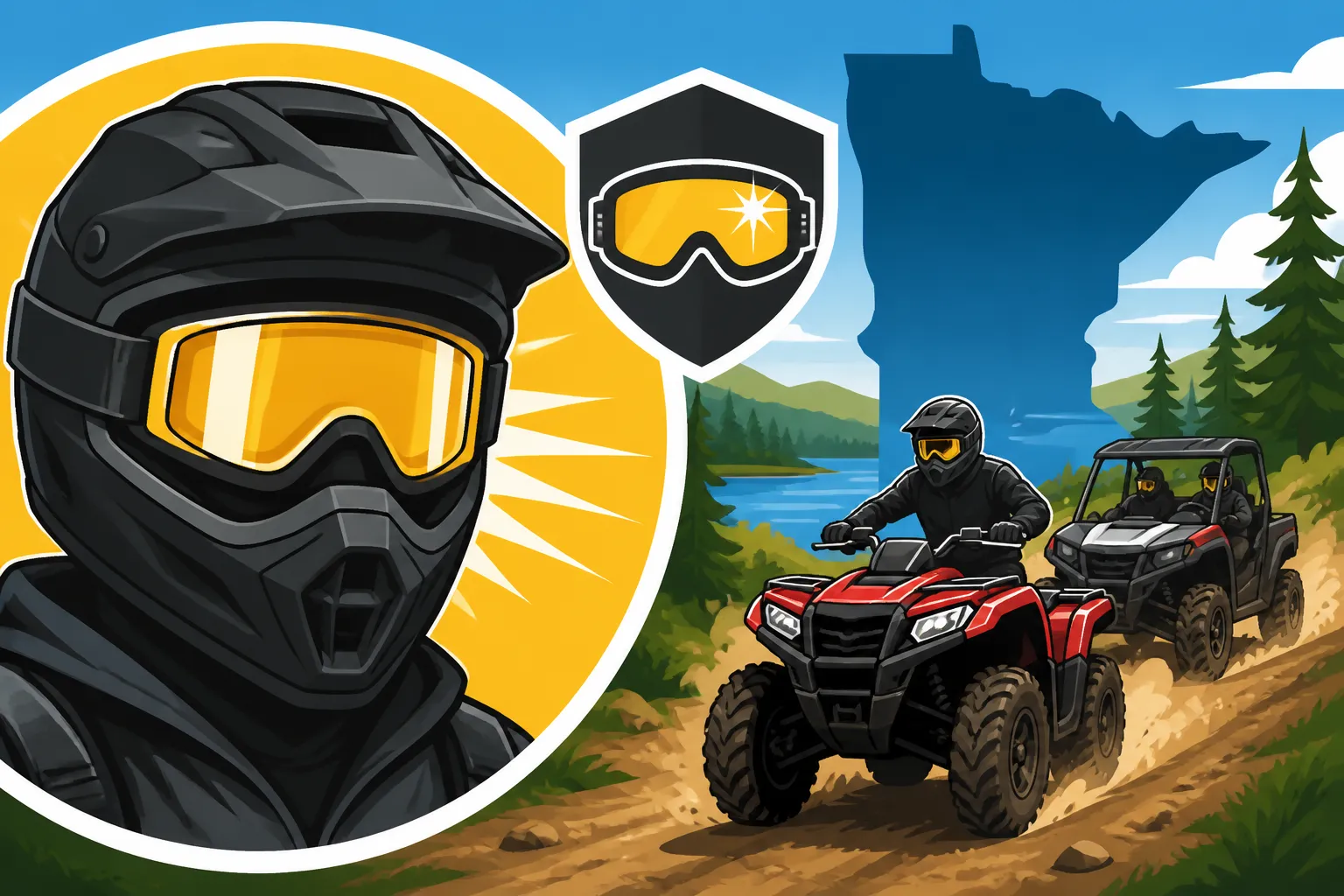
Let's break down the two main categories: goggles and glasses. Goggles, typically worn with an open-face or motocross-style helmet, offer a full seal around your eyes. This is fantastic for keeping out every speck of dust, wind, and even water splashes. They usually have interchangeable lenses, allowing you to switch between clear, tinted, or amber options for different lighting conditions. They often come with anti-fog coatings and good ventilation, though severe temperature changes can still challenge them. The main downside for some might be the feeling of bulkiness, and they often require a helmet for a secure, comfortable fit.
Safety glasses, on the other hand, are lighter and more convenient. They're great for casual rides, especially in a UTV with a windshield, and some riders prefer the more "normal" look. However, even wrap-around safety glasses will have gaps, allowing dust, wind, and small debris to get in. They don't offer the same level of impact protection from all angles that a full-seal goggle does. If you wear prescription glasses, you'll either need "over the glasses" (OTG) goggles, specialized prescription inserts for goggles, or safety glasses designed to go over your existing frames. Each has its merits, but the level of protection is vastly different.
Features to Look for in Quality Eye Protection
When you're shelling out your hard-earned cash for eye protection, you want to make sure it's actually going to protect you. Here are the crucial features to look for:
- Impact Resistance: This is non-negotiable. Look for eyewear that meets or exceeds ANSI Z87.1 standards. This certification means the lenses can withstand high-mass and high-velocity impacts, crucial for those unexpected projectiles on the trail.
- UV Protection: Ensure they offer 100% UVA and UVB protection. The sun's harmful rays don't take a day off, even on cloudy Minnesota days.
- Anti-Fog Coatings: Fogging is a rider's worst enemy, especially during temperature changes or strenuous activity. Quality anti-fog treatments, often combined with good ventilation systems, are vital.
- Ventilation: For goggles, proper vents prevent heat and moisture buildup, minimizing fogging and enhancing comfort.
- Strap Quality (for goggles): A wide, adjustable strap with silicone grip ensures the goggles stay put on your helmet, even during rough riding.
- Lens Tints:
- Clear: Best for night riding or very low light.
- Smoke/Gray: Excellent for bright, sunny days, reducing glare without distorting colors.
- Amber/Yellow: Enhances contrast in low light, foggy, or overcast conditions.
- Polarized: Reduces glare from reflective surfaces like water, snow, or shiny objects, though some riders find they can interfere with LCD screens.
Brands like SuperATV, known for robust off-road accessories, also often produce or recommend high-quality eye protection, ensuring it stands up to the rigors of our Minnesota riding conditions. Investing in reputable brands usually means better materials, superior coatings, and more durable construction.
Beyond the Basics: Shields, Helmets, and Accessories
Sometimes your eye protection is integrated right into your helmet. Full-face helmets and modular helmets come with built-in face shields, offering broad coverage and convenience. These shields are generally impact-resistant and offer good UV protection. The trade-off can be ventilation, as they might fog more easily than well-vented goggles unless they have specific anti-fog features or pinlock inserts. For many road-oriented riders or those using UTVs, a helmet with a shield is a perfectly viable option. Just remember that a shield can scratch over time, impairing vision, so regular inspection is key.
For UTV owners, while a full windshield provides a primary barrier against wind and large debris, it's not a foolproof solution for eye protection. Even a quality SuperATV windshield, designed to be durable, can't protect you from every angle or from fine dust that swirls around the edges. Therefore, combining a windshield with dedicated safety glasses or goggles is always the safest bet.
And then there are the specialized accessories. For muddy or rainy conditions, tear-offs or roll-off systems for goggles can instantly clear your vision with a pull of a tab. These are fantastic for keeping your view crystal clear during races or extremely messy rides. Prescription inserts are another excellent option, fitting inside your goggles to provide corrective vision without the bulk of wearing your regular glasses underneath. These additions can make a huge difference in comfort and safety, proving that eye protection is more than just a lens; it's a system tailored to your needs.
Maintaining Your Eye Protection for Clarity and Longevity
You've invested in good eye protection, whether it's a trusty pair of goggles or a high-tech helmet with an integrated shield. Now, the trick is to keep it performing at its best. A scratched lens, a smudged visor, or a broken strap isn't just an annoyance; it can seriously compromise your safety on the trail. Just like you wouldn't neglect your machine's oil changes, you shouldn't overlook the care your eye protection needs. After all, what good is protective gear if you can't see through it?
Cleaning Best Practices for Goggles and Lenses
One of the quickest ways to ruin good eye protection is to clean it improperly. Your lenses, especially those with anti-fog or anti-scratch coatings, are delicate. Never, ever wipe a dirty, dusty lens with a dry cloth or your glove. This is a surefire way to grind grit into the surface, creating permanent scratches that will distort your vision.
The best method is to first rinse the lenses under lukewarm running water to wash away any loose dirt or dust. If rinsing isn't an option, gently dab away surface dirt with a clean, damp microfiber cloth. For stubborn grime, use a specialized lens cleaning solution (often available where you buy your goggles) or a very mild soap and water mixture. Always use a clean, soft microfiber cloth to gently dry and polish the lenses. For goggles, avoid getting excess moisture into the foam or strap, as this can degrade the materials over time. Proper cleaning ensures you maintain the optical clarity and the integrity of any special coatings, keeping your view of the [Minnesota Grant-in-Aid Trail System] sharp.
Storing Your Gear to Prevent Damage
How you store your eye protection is almost as important as how you clean it. Tossing your goggles into a gear bag where they can get crushed, scratched by tools, or exposed to extreme temperatures is a recipe for premature wear. Most quality goggles and glasses come with, or at least have available, a soft protective bag or a hard case. Use it! These cases shield your lenses from scratches and impacts when not in use.
Always store your eye protection in a cool, dry place, away from direct sunlight or extreme heat. High temperatures can degrade plastics, elastic straps, and lens coatings over time. Leaving goggles baking in a hot car can warp the frames or dry out the foam, making them uncomfortable and less effective. Ensuring they're stored clean and dry also prevents mildew or unpleasant odors from developing, particularly in the foam elements of goggles. Treating your gear with respect extends its life and ensures it's ready and reliable for your next Minnesota adventure.
When to Replace Your Eye Protection
Even with the best care, eye protection doesn't last forever. Knowing when to replace it is crucial for maintaining optimal safety and visibility. Here are the key indicators:
- Scratches, Scuffs, or Pitting: Any significant scratch or scuff on your lens will distort your vision, causing eye strain and reducing your ability to react to hazards. Pitting from sand or small rocks can also make lenses blurry. If you find yourself constantly trying to look around a scratch, it’s time for a new lens or a new pair.
- Compromised Impact Resistance: If your eye protection has sustained a significant impact (even if it doesn't look obviously broken), its impact resistance may be compromised. The structural integrity of the lens or frame might be weakened, making it less effective in future incidents. Better safe than sorry – replace it.
- Degraded Coatings: Anti-fog or UV coatings can wear off over time, especially with repeated cleaning or exposure to harsh elements. If your lenses start fogging up excessively despite proper cleaning, or if you notice your eyes are more sensitive to glare, the coatings might be failing.
- Worn-Out Straps or Foam: For goggles, if the elastic strap has lost its stretch, constantly slips, or the foam padding around the frame is compressed, cracked, or falling apart, they won't fit securely or comfortably. This can lead to dust leaking in or the goggles shifting on your face or helmet.
- Yellowing or Discoloration: Over prolonged exposure to UV rays, some plastic lenses or frames can begin to yellow or become brittle. This is a clear sign that the material is degrading and should be replaced.
Don't wait until your eye protection is failing you. Regular inspection of your gear, much like checking the [Wear You Cannot See on a Used Quad], can alert you to issues before they become dangerous. Your vision is too important to compromise with old, worn-out gear.
Common Misconceptions and Smart Habits for Minnesota Riders
Even seasoned riders sometimes fall prey to myths or overlook simple habits that could significantly enhance their safety and enjoyment. When it comes to eye protection, there are a few lingering misconceptions that need to be addressed, alongside some smart practices that every rider in Minnesota should adopt. It’s all about creating a culture of safety, not just for ourselves, but for everyone we share the trails and ditches with.
"My Windshield is Enough": Why It's Not
It's a common thought, especially among UTV owners: "I have a windshield, so my eyes are protected." And while a good quality windshield (perhaps even one of those robust SuperATV options) certainly offers a primary barrier against larger debris and direct wind, it is not a substitute for dedicated eye protection. Think about it:
- Gaps and Swirls: Even full windshields have gaps, allowing dust, small debris, and insects to swirl into the cab.
- Side Impacts: A branch or rock kicked up from the side can still enter the open cab.
- Bounce-back: Debris that hits the windshield can sometimes bounce back towards the occupants.
- Fine Particulates: A windshield won't stop the fine dust particles that can irritate your eyes and reduce visibility, especially when riding in dry conditions or behind other machines on [Minnesota Trails That Suit a 50-Inch Machine].
Dedicated goggles or safety glasses provide a sealed or close-fitting barrier directly to your eyes, preventing these smaller, more insidious threats from reaching them. It's an additional layer of protection that significantly reduces risk. So, enjoy your windshield, but pair it with appropriate eyewear for true peace of mind.
Riding with Passengers: Protecting Everyone's Eyes
Often, when we talk about safety gear, the focus is on the operator. But what about your passengers? Whether it's a child riding with you on a two-up ATV or a group in your side-by-side, everyone in the machine is exposed to the same eye hazards. In fact, passengers might be even more vulnerable, as they often don't have the same defensive posture or awareness of the terrain as the operator.
For youth passengers under 18, Minnesota law is clear: they need approved helmets and eye protection, just like the operator. There's no exception for them simply being a passenger. For adult passengers, while not legally mandated, it is a moral imperative to ensure they are also wearing appropriate eye protection. Offer them a spare pair of goggles or safety glasses, or ensure they bring their own. Imagine the guilt if a passenger on your machine suffers an eye injury because they weren't adequately protected. Whether you're navigating [Minnesota Rules for a Rider Who Turns 16] or simply taking a friend out, make eye protection a non-negotiable for everyone onboard.
Year-Round Vigilance: Winter, Spring, Summer, Fall
The beauty of Minnesota is its distinct seasons, but each one presents its own set of challenges for your eyes. Eye protection isn't just a summer-season accessory; it's a year-round necessity.
- Winter: Riding in the snow offers breathtaking views, but the glare off fresh powder can be intense, requiring tinted or polarized lenses. Snow spray kicked up by tires or tracks can also blind you, and extreme cold wind can cause painful tearing. Protecting your eyes from these elements is crucial for safe winter rides, including on [Minnesota Rules on Frozen Lakes].
- Spring: This is mud season! Melting snow and spring rains create sloppy conditions where mud and water are constantly being flung into the air. Good goggles with tear-offs or roll-offs are invaluable. Early insects also start to emerge, adding another layer of airborne hazards.
- Summer: The classic riding season brings with it plenty of dust, especially on dry trails and gravel roads. Sun glare is at its peak, and insect activity is high. Clear, tinted, and anti-fog lenses are all essential depending on the time of day and conditions.
- Fall: As leaves change and fall, they can obscure vision and become another type of debris. The lower angle of the sun in fall can also create intense glare, particularly in the mornings and late afternoons. If you're out during hunting season, visibility is even more critical, sometimes requiring specific considerations like [Blaze Orange on a Deer Season Ride] for the rider, and always clear sight for the operator.
The changing seasons demand adaptability in your eye protection choices, reinforcing that one-size-fits-all isn't always the safest approach. Always check the conditions and choose your gear accordingly before you head out. This proactive approach is a hallmark of responsible riding, something Minnesota conservation officers appreciate when [What a Minnesota Conservation Officer Asks For].
| Eye Protection Type | Pros | Cons | Best Use Cases |
|---|---|---|---|
| Goggles | Full seal, excellent dust/debris protection, good ventilation, interchangeable lenses | Can fog in certain conditions, may feel bulky, often requires a helmet for best fit | Aggressive trail riding, dusty/muddy conditions, racing, youth riders, cold weather |
| Safety Glasses | Lightweight, comfortable, good ventilation, stylish options, prescription compatible | Gaps allow dust/wind in, less impact protection from sides/top, can slip | Casual riding, UTV with windshield, light trail use, warm weather, minimal dust |
| Helmet Visor/Shield | Integrated, convenient, wide field of view, good direct frontal protection | Can scratch easily, fixed tint (unless interchangeable), prone to fogging if not vented, limits peripheral vision | Road riding (where legal), UTV with partial windshield, general touring, less extreme conditions |
| OTG Goggles | Allows wearing prescription glasses underneath, full seal | Can be bulkier, may still cause pressure points, slightly reduced peripheral vision | Prescription glasses wearers needing full goggle protection |
| UTV Windshield | Primary barrier against large debris, wind, and rain; creates more comfortable cabin | Does not provide full eye protection from all angles, dust/debris can swirl in, cannot stop fine particulates | Combined with dedicated eye protection (goggles/glasses) for enhanced comfort and protection in a UTV environment |
Disclaimer
This article is for general informational purposes only and does not constitute professional advice. Laws, prices and regulations vary by location and change over time. Consult a qualified professional for guidance on your specific situation.