Parting Out a Quad That Will Not Run
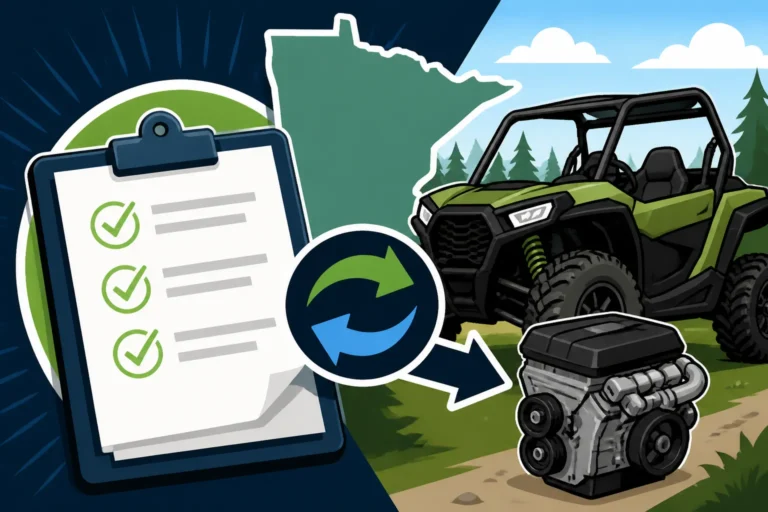
It’s a familiar, frustrating sight for many of us here in Minnesota: your beloved ATV or UTV, once a workhorse or a weekend warrior, now sits idle in the garage or shed, refusing to start or costing more to repair than it’s worth. When mechanical issues become insurmountable, or you simply don’t have the time or money for a full rebuild, the idea of parting it out often comes to mind. But before you grab your wrenches, it’s crucial to understand the unique registration and titling considerations involved when you decide to sell your off-highway vehicle in pieces, especially here in the Land of 10,000 Lakes. This guide will walk you through the complexities of legally dismantling and selling your machine’s components, ensuring you stay on the right side of Minnesota’s regulations.
Facing the Reality of a Non-Running Machine
Let’s be honest, nobody wants their quad to become a permanent fixture in the corner of the garage, gathering dust and serving as a reminder of what once was. Whether it’s a seized engine, a transmission that’s given up the ghost, or simply a frame that’s seen too many hard landings, reaching the decision to part out a machine is often a pragmatic, albeit sometimes difficult, one. You’ve likely explored repair options, maybe even gotten a few quotes, only to realize the financial black hole you’d be stepping into.
Why Parting Out Becomes an Option
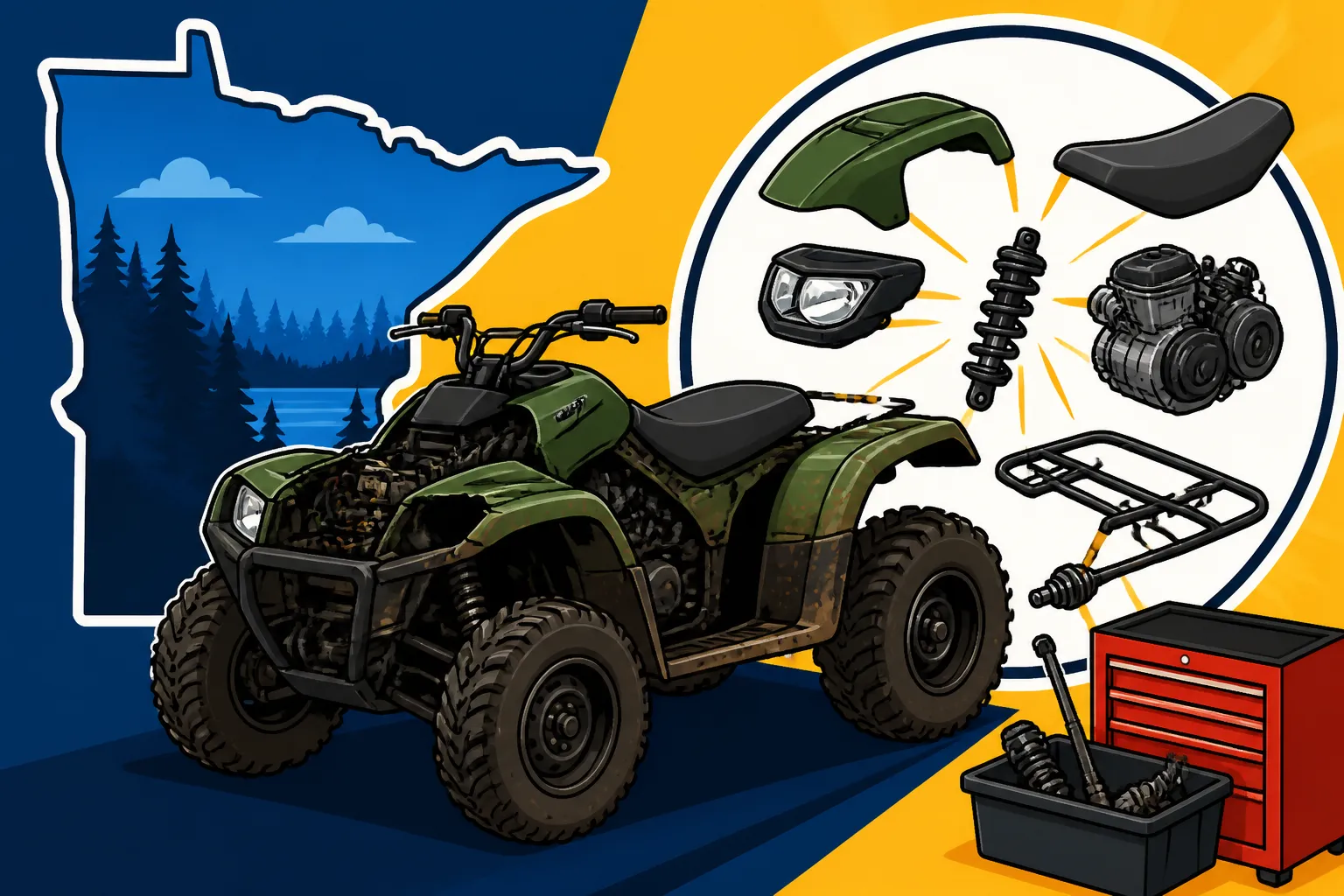
For many Minnesota owners, parting out isn't just about cutting losses; it's about maximizing value from a machine that's reached the end of its useful life as a whole unit. Sometimes, individual components—like a good set of tires and wheels, a functional winch, undamaged suspension parts, or even the plastic fenders—can fetch a decent price, far exceeding what the non-running complete machine might sell for. It’s a way to recoup some of your investment, clear out space, and perhaps even fund a down payment on a new (or new-to-you) machine. It’s also an environmentally conscious choice, ensuring that still-usable parts find new homes instead of heading straight to the junkyard.
Initial Considerations Before You Grab a Wrench
Before you even think about disconnecting a single wire or unbolting a fender, take a deep breath and consider a few key things. First, assess the market for parts. Are there specific components that are in high demand for your machine’s make and model? A quick look at online marketplaces can give you a good idea. Second, think about the time and effort involved. Disassembling a quad can be a messy, time-consuming process, and storing all those individual parts until they sell requires space. Third, and most importantly for this discussion, consider the legal implications regarding your machine’s title and registration. This is where many folks get tripped up, assuming that because it’s no longer a complete, running vehicle, the paperwork magically disappears. Not so fast! Ignoring the official record can lead to headaches down the road.
The Nitty-Gritty of Registration and Titling When Parting Out
This is where things get a bit more complex than just selling a whole, running machine. When you sell an ATV or UTV in Minnesota, whether it's running or not, the Minnesota Department of Natural Resources (DNR) wants to know about it. The process changes when you're selling it in pieces, but the underlying need to account for the original machine’s identity remains. [Minnesota Title Rules for an Off-Highway Vehicle] are clear about the need for proper documentation.
Does Registration Matter If It's Not a Whole Machine Anymore?
Legally, once you start dismantling an ATV or UTV with the intent to sell its parts, it ceases to be a registered vehicle in the traditional sense. You're no longer operating it on public land, so a current registration sticker isn't necessary. However, the existing registration record for the complete machine in your name is still out there, and you have a responsibility to address it. Simply letting the registration lapse isn't always the cleanest solution, especially if you plan to sell major components that could theoretically be used to build another machine. You certainly don't want to be held responsible if parts from your old machine end up in a new, unregistered, or illegally operated vehicle.
One option to consider, if you're sure the machine will never be registered or used as a whole unit again, is to officially 'junk' or 'retire' the vehicle from the DNR's records. This isn't always a formal process for ATVs like it is for road vehicles, but effectively, by dismantling it and addressing the title, you're achieving a similar outcome. Think of it as formally closing the book on that particular vehicle’s life as a registered entity. You might even find some useful information in [Minnesota ATV Registration Refunds Explained] if you happen to have a lot of time left on your current registration.
Handling the Certificate of Title: Your Legal Crossroads
The certificate of title is the single most important document for your ATV or UTV. It proves legal ownership and carries the vehicle identification number (VIN), which uniquely identifies your machine. When you part out a quad, the title needs to be handled carefully.
Here are your main options:
- Keep it: If you're selling small, non-essential parts, you might just keep the title. However, this leaves the VIN legally attached to your name, and potentially the frame, which still bears the VIN.
- Mark it "Junked" or "Dismantled": While not a formal process for ATVs with the DNR in the same way it is for cars with the Department of Public Safety, you can physically write "Dismantled for Parts" or "Junked" across the face of the title. This acts as a clear declaration of intent. When you sell the frame (if you do), this marked title, or a copy, should accompany it.
- Sign it over for parts: If you sell the entire frame, which still contains the VIN, to a salvage yard or another individual who plans to use it for parts, you should sign the title over to them. Ensure they understand it's for parts only.
The goal is to sever your legal tie to the complete vehicle. If you never sign off on the title or otherwise indicate its status, [Minnesota Records and a Machine's Ownership History] will continue to list you as the owner of a whole machine, even if it's in a hundred pieces. This can become an issue if the VIN plate, or the frame bearing it, falls into the wrong hands and is then used to create a "franken-quad" that could be tied back to you.
The VIN Plate and Its Importance
The Vehicle Identification Number (VIN) is your machine's unique identifier. It’s typically stamped directly into the frame, and sometimes also on a riveted plate. Even if you're parting out the machine, this VIN remains crucial. Why? Because the VIN is directly linked to the title and registration history.
When dismantling, you’ll inevitably remove many components, but the frame, which usually carries the primary VIN stamping, remains. If you sell off the engine, transmission, or other major components, they might also have their own serial numbers. However, the vehicle's identity hinges on the VIN on the frame.
If you plan to dispose of the frame itself, you have a few options:
- Destroy the VIN: If the frame is truly going to scrap and will never be used again, you can physically destroy the VIN plate and stampings. This is a definitive way to ensure the machine can never be reconstructed and tied back to you. Take photos of the destroyed VIN for your records.
- Sell the frame with the title: If someone wants the bare frame, perhaps for a custom build or to repair their own, you must transfer the title to them, preferably with "for parts only" noted. This shifts the legal responsibility for the VIN to the new owner. [Correcting a VIN on a Minnesota Record] might be a relevant read if any issues arise with the VIN itself during this process, though for parting out, destruction or clear transfer is usually the path.
It’s about making sure that the official identity of that quad, the one tied to your name, is either formally retired or correctly transferred.
Documenting the Disassembly and Sale of Parts
Even when selling individual components, smart documentation is your best friend. This isn't just about Minnesota regulations; it's about protecting yourself from potential liability and ensuring a smooth transaction for both you and the buyer. Imagine someone uses a major component from your dismantled quad in an accident—without proper documentation, you could find yourself in a tricky situation.
Creating a Paper Trail for Your Peace of Mind
Think of this as your "disassembly diary." Before you start taking anything apart, it’s a good idea to:
- Photograph the complete machine: Take pictures from all angles, clearly showing the VIN plate on the frame and any serial numbers on major components like the engine.
- Document the condition: Note any existing damage or issues with the machine before disassembly. This creates a baseline.
- Record disassembly: As you remove major components, make notes. Which part came from where? What's its condition?
- Maintain a parts inventory: Keep a running list of all the parts you remove and intend to sell. This helps you track what you have and what you’ve sold.
This informal paper trail isn't legally binding, but it serves as excellent personal documentation should any questions arise later about the original machine or the parts you've sold.
Selling Major Components: What Paperwork is Wise?
When you sell significant parts like an engine, a transmission, or the entire frame, a formal bill of sale becomes highly advisable. While minor components like handlebars or plastic fenders might not warrant extensive paperwork, anything that carries a serial number or is integral to the machine's core function should be documented.
A detailed bill of sale for these components should include:
- Your name, address, and contact information.
- The buyer's name, address, and contact information.
- A clear description of the part being sold (e.g., "Used Polaris Sportsman 570 Engine").
- Any serial numbers on the part.
- The VIN of the original machine from which the part came (this links the part back to the original vehicle you owned).
- The sale price.
- The date of sale.
- A statement that the part is sold "as-is, where-is" with no warranty.
- Signatures of both you and the buyer.
When you're looking for a reliable template for such a document, services like LawDepot can provide customizable bill of sale forms that you can adapt for selling individual components. Having a clear, professional document from a resource like LawDepot can add a layer of credibility and legal protection to your transaction. It shows you're taking the sale seriously, even if it's just for parts.
The Importance of a Clear Bill of Sale for Parts
A clear bill of sale protects both parties. For you, it creates a record that you sold a specific component on a specific date, from a specific machine, and that the buyer accepted it in its "as-is" condition. This limits your liability if the part fails or is misused after the sale. For the buyer, it provides proof of purchase and ownership, which can be important if they ever need to register a "rebuilt" machine (though this is rare for ATVs) or simply want to prove they lawfully acquired the part.
Here's a quick reference for what to include in your documentation:
| Document Type | Purpose | Key Information to Include |
|---|---|---|
| Original Title | Proof of complete machine ownership, VIN | VIN, your name, date, "Dismantled for Parts" notation |
| Disassembly Log | Personal record of process and parts | Date of disassembly, parts removed, original VIN |
| Parts Inventory | Track available parts for sale | Part description, condition, any part serial numbers |
| Bill of Sale (Parts) | Legal record of individual part sale | Seller/buyer info, part description, original VIN, sale price, "as-is" clause, signatures |
| Photos | Visual evidence of condition and VIN | Before/after disassembly, VIN plate, major parts' condition |
Remember, [What a Minnesota Bill of Sale Should Carry] offers guidance for complete machines, but many of the principles for clear identification and "as-is" clauses still apply to major component sales. Utilizing platforms like LawDepot to draft these documents can make the process straightforward and ensure you're covered.
Preventing Future Headaches and Liability
The last thing you want after finally clearing that non-running machine out of your space is to have lingering legal issues or unexpected liabilities. Thinking ahead can save you a lot of grief.
What to Do with the Frame and Remaining VIN
Once all the valuable components are stripped, you’ll likely be left with a bare frame. This frame, with its stamped VIN, is still the legal identity of your original machine.
- Scrap it responsibly: If you take the frame to a scrap metal dealer, ensure they understand it's a vehicle frame. Many scrap yards have procedures for handling VIN-bearing items to prevent them from being reused improperly. It’s ideal to remove or destroy the VIN plate and stampings yourself before scrapping.
- Sell it as a "parts frame": If you sell the frame to another individual, you must transfer the title, clearly noting it’s for parts. This protects you by ensuring the new owner is responsible for the frame and its VIN. If you sell it without the original owner's signature on the title, the buyer could face problems. See [Selling a Quad in Minnesota With No Paperwork] or [Registering a Minnesota ATV With No Ownership History] for examples of situations you want to avoid creating for future owners.
Avoiding Unintended Ownership Traps
Failing to properly dispose of the title or destroy the VIN on the frame can lead to what I call "ownership traps." Imagine this scenario: you sell a frame without transferring the title or destroying the VIN. Years later, someone finds that frame, cleans it up, maybe even registers it in another state using questionable means. If that machine is involved in an incident, and the VIN is still linked to you, guess who the authorities might come looking for first? It's a rare occurrence, but the risk exists. Always aim for a clean break.
Furthermore, if you are simply abandoning the machine, or leaving it on land you no longer own, you could also run into issues. Dealing with [An Abandoned ATV on Minnesota Property] is a headache no one wants, and by parting out and documenting, you prevent creating one.
When to Seek Professional Advice
For most situations, following these guidelines for documentation and title handling will suffice. However, if your situation is particularly complex—for example, if you have a lien on the machine, or if the original title is missing and you can't get a replacement—it might be wise to consult with a legal professional or directly contact the Minnesota DNR's Off-Highway Vehicle section. They can provide specific guidance tailored to your unique circumstances and help you navigate any unusual paperwork hurdles.
This comprehensive approach to parting out a non-running ATV or UTV in Minnesota ensures that you not only maximize the value of your old machine but also protect yourself legally, making way for new adventures without any lingering worries from the past.
Disclaimer
This article is for general informational purposes only and does not constitute professional advice. Laws, prices and regulations vary by location and change over time. Consult a qualified professional for guidance on your specific situation.