Weekday Riding on Minnesota Trails
Weekday riding can mean quieter Minnesota trails, easier parking, and a less hurried day in the woods. It can also mean arriving to a closed route, limited services, or a repair problem with fewer other riders nearby. This guide covers how to plan a weekday ATV or UTV ride, choose an area, check conditions, and stay prepared.
Why ride Minnesota trails on a weekday
Fewer crowds, with a different kind of quiet
A Tuesday or Wednesday ride may feel very different from a holiday weekend. Trailheads can be less congested, passing may feel less stressful, and you may have more room to take a break without blocking a busy staging area. That can be a real relief if you’re riding with children, getting used to a new machine, or simply hoping to enjoy the woods without a parade of rigs behind you.
Quieter trails do not mean empty trails. You may still encounter other ATVs, UTVs, hikers, maintenance crews, logging activity, or farm equipment, depending on the area. Ride at a speed that lets you respond to what’s around a bend, and give others room. On narrow routes, staying single file and communicating clearly can prevent the awkward squeeze that happens when two groups meet.
Weekdays can also make it easier to enjoy places that feel especially busy at popular times. You might explore the Iron Range OHV Area near Gilbert, ride sections of the Soo Line North Trail, or plan a trip around Nemadji State Forest. Each area has its own access points, riding rules, and conditions, so don’t assume a familiar route is open just because it was open on a previous visit. For more help choosing a destination, see Planning a Minnesota Riding Trip.
The trade-offs riders often overlook
A quieter trail day may come with fewer nearby services. A small-town gas station, repair shop, restaurant, or lodging desk may have reduced weekday hours, or may not be close to your route at all. Before leaving home, check the practical details that can turn a good ride into a frustrating one: where you can fuel, whether there is room to park a trailer, and what you’ll do if your machine needs attention.
There may also be fewer people around to help if you get stuck or have a mechanical problem. That does not mean you should avoid weekday riding; it means you should plan as if you might need to handle a delay yourself. Bring basic tools, water, a charged phone, and a way to communicate if you lose cell service. Let someone know where you plan to ride and when you expect to be back.
Weekdays can be especially convenient for riders who can take a half-day off, travel outside peak traffic, or choose a shorter loop. But trail access is not guaranteed by the day of the week. Seasonal closures, weather damage, maintenance work, and local rules can affect where you can ride. Review Checking Minnesota Trail Status Before You Drive before loading the machine.
Choosing a weekday riding area and route
Match the destination to your group and machine
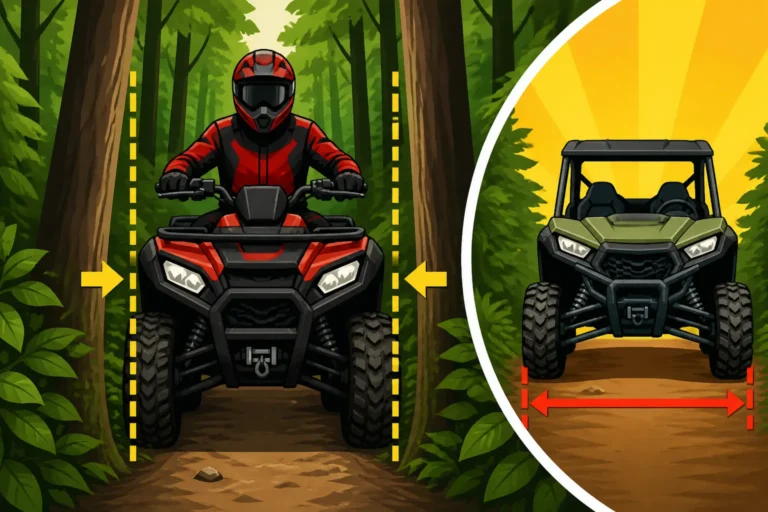
Start with your group, not the map. A new rider, a family with children, and a crew on full-size side-by-sides may all need different routes and pacing. Look at the area’s trail layout, machine-width restrictions, surface, and available staging before committing to a destination. If you’re bringing a wider rig, verify that your intended route is suitable rather than assuming every trail in a forest is open to every machine.
The Iron Range OHV Area near Gilbert is a designated riding destination with a range of terrain and trail experiences. Nemadji State Forest offers a different kind of forest riding, where conditions can vary substantially with rain and the character of the route. The Spider Lake area in the Foot Hills State Forest can be another option to explore, but route suitability and access details still need checking. These areas are not interchangeable: distance, terrain, trail width, and nearby services can all shape how enjoyable a weekday trip feels.
A map app can help you understand the general layout, but it should not replace official signs or current local information. Some riders use onX Offroad to plan routes and see their position, which can be helpful when comparing trail options before a trip. Even with a digital map, download or save what you need before entering a dead zone, and carry a paper map if you’re going somewhere unfamiliar. For more on choosing routes, read Reading a Minnesota OHV Trail Map and Minnesota Trail Difficulty Ratings.
Build a route around daylight, fuel, and safe stopping points
A route that looks short on a screen can take longer than expected when the ground is rough, muddy, or crowded. Plan a modest first outing, especially if you’re traveling with younger riders or people who haven’t ridden together before. Include time for breaks, a slower pace, and a possible detour. It’s much easier to extend a ride when everyone feels good than to rush back because the original plan was too ambitious.
Fuel planning deserves particular attention on a weekday. Identify where you can refuel before and after the ride, and start with enough fuel for your planned route plus a reasonable buffer. Don’t count on finding an open business along the way. If you’ll be riding far from town, share your route and expected return time with someone who is staying home.
Choose stopping places thoughtfully. Pull fully clear of the trail where it’s permitted, keep the route passable for others, and avoid stopping on blind corners or narrow sections. A quiet weekday can make it tempting to relax your attention, but another rider may come around a bend quickly. The basics in Minnesota Trailhead Parking and Staging and Fuel Planning for a Minnesota Trail Day can help you prepare the parts of a trip that are easy to overlook.
| Planning detail | What to check before leaving | Why it matters on a weekday |
|---|---|---|
| Trail access | Current openings, closures, and local restrictions | A route may be closed for conditions or maintenance |
| Machine fit | Trail width and vehicle restrictions | Not every route suits every ATV or UTV |
| Fuel | Nearby open stations and your machine’s range | Services may be limited outside busy periods |
| Parking | Trailer space and staging rules | A quiet trail does not guarantee convenient parking |
| Communication | Phone coverage and backup plan | You may have fewer nearby riders to ask for help |
| Ride length | Daylight, group pace, and turnaround point | Delays can matter more when the day is short |
Checking conditions and riding responsibly
Make a trail-status check part of the routine
Minnesota trail conditions change. Spring thaw can leave routes vulnerable to damage, heavy rain may create deep mud or washouts, and maintenance crews may need to close sections temporarily. A trail that was in good shape on your last trip may not be ready for your next one. Before driving to a trailhead, check current information from the relevant land manager and local trail organization, then pay attention to posted signs when you arrive.
This is particularly important for weekday rides because you may be less likely to see a group of riders who can tell you about a closure or a rough section ahead. If a route is closed, don’t treat the closure as a suggestion or try to find a way around the barrier. Use an authorized alternative or change your plan. Staying off a closed or damaged trail helps protect the route and can prevent a minor inconvenience from becoming a larger access problem.
Use onX Offroad as a planning aid if it helps you understand route choices, but confirm access and closures through current official information. Map layers can be useful for orientation; they do not make a trail open, establish permission to cross private land, or override a posted restriction. If a route or boundary is unclear, stop and verify rather than guessing. Minnesota Trail Closures in Spring Thaw and Minnesota Trail Conditions After a Wet Spring explain why conditions deserve attention before you head out.
Respect other users, private land, and local communities
A quieter ride is still a shared ride. Keep to signed routes, follow posted speed limits, and slow down when visibility is limited. Give other riders, trail workers, and people on foot enough room. If dust is hanging over a dry road or trail, reduce speed and increase following distance instead of riding close to the machine ahead.
Minnesota’s trail network may pass near private property, roads, homes, and other recreation areas. Stay on the designated route and do not assume an open-looking track is public access. If you stop in a nearby town, be mindful of where machines may be ridden and parked. Local rules can differ, and an ATV-friendly community may still have specific routes or restrictions. For more on trail etiquette and planning around communities, read Group Etiquette Through a Quiet Town.
Leave the trail as you found it. Avoid spinning tires in soft ground, making new tracks around a muddy section, or riding around a closure. If you see damage or an obstruction, note the location as accurately as possible and report it through the appropriate trail or land-management contact. That kind of small, responsible action can help keep routes usable for the next weekday visitor.
Preparing for a weekday ride
Pack for self-reliance, not just comfort
A weekday kit should cover ordinary problems, not only emergencies. Bring water, snacks, a first-aid kit, basic tools, a tire repair option suited to your machine, and any recovery equipment you know how to use. Add layers for changing weather, gloves, eye protection, and a way to keep essentials dry. If you ride in remote areas, think through what you would do if you had a flat, a dead battery, or a machine that would not restart.
Check the machine before loading it. Look at tires, brakes, lights, fluids, and visible belts or hoses. Confirm that your tie-downs are secure and that your trailer is ready for the drive. A quick check at home is easier than discovering a problem at a quiet trailhead, especially when you have limited time and no nearby shop. For deeper preparation, see What to Carry on a Remote Northwoods Ride and Flat Tires on a Rocky Forest Trail.
A phone is useful, but don’t build your entire safety plan around it. Save the route information you need in advance, keep the phone charged, and consider a backup communication option when riding beyond reliable coverage. Tell someone your destination, route, and expected return time. If the plan changes, let them know when you can.
Keep the day flexible
The best weekday plan includes a decision point. Agree in advance on when the group will turn back, what conditions mean you’ll shorten the ride, and how you’ll handle a rider who wants to stop. This can feel overly formal before the engine starts, but it prevents uncomfortable arguments when someone is tired, cold, or worried about getting back before dark.
Pay attention to the least experienced rider in the group. A route that feels easy to a regular trail rider may be tiring or intimidating to someone who rides only occasionally. Pause before difficult sections, make sure everyone understands the route, and don’t pressure anyone to keep up. If a machine is struggling or conditions are deteriorating, turning around is good judgment—not a failed trip.
Finally, leave room for the unexpected. A slower trail, an unplanned break, or a detour can be part of the day. Keep your return plan realistic, and resist the urge to make up time by riding faster. A weekday ride works best when the quieter pace extends to the way you travel, stop, and get home.
Disclaimer
This article is for general informational purposes only and does not constitute professional advice. Laws, prices and regulations vary by location and change over time. Consult a qualified professional for guidance on your specific situation.