Mud on a Township Road in April
Ah, April in Minnesota. The snow is (mostly) gone, the sun feels warmer, and that itch to get out on your ATV or UTV becomes unbearable. But then you hit it – that stretch of township road, seemingly innocuous, transformed into a quagmire of mud. It's frustrating, it's messy, and it raises a ton of questions about where you can legally and safely ride without causing trouble. This guide is all about navigating those notoriously muddy township roads in Minnesota during the spring thaw, helping you understand the rules, minimize your impact, and enjoy the season responsibly.
The Minnesota Spring Thaw: Why April Means Mud
That sticky, gooey, often tire-sucking mud on Minnesota's township roads in April isn't just a random occurrence; it's a direct consequence of our unique climate and the natural cycle of spring. After months of frozen ground, snowmelt, and spring rains combine to create a perfect storm of saturated, unstable roadbeds. Understanding why it happens is the first step in riding responsibly.
Understanding the Frost Law and Road Restrictions
Minnesota's "frost laws" are a big deal, especially in the spring. These aren't just obscure regulations; they're critical measures designed to protect our roads. When the frost goes out of the ground, the roadbed, especially on less-trafficked township and county roads, becomes incredibly vulnerable. The frozen layers underneath are thawing, releasing trapped moisture, and the structural integrity of the road surface weakens dramatically. Imagine a giant sponge that's been frozen solid, then suddenly starts to melt and is constantly soaked with new water – that's what's happening under those roads.
Local authorities, like county highway departments and township boards, often implement seasonal load restrictions or "spring weight limits" during this period. These limits are primarily aimed at heavy trucks, preventing them from causing irreparable damage to the soft roadways. However, the spirit of these restrictions extends to any vehicle that can cause significant damage, and that absolutely includes ATVs and UTVs, especially when driven aggressively or carelessly through already compromised sections. You might not see a specific "no ATV" sign related to frost laws, but the underlying principle of protecting vulnerable roads applies. Ignoring these conditions can lead to deep ruts that harden over time, creating hazards for everyone else, not to mention a lot of headaches for road maintenance crews.
How ATV/UTV Use Impacts Soft Roads
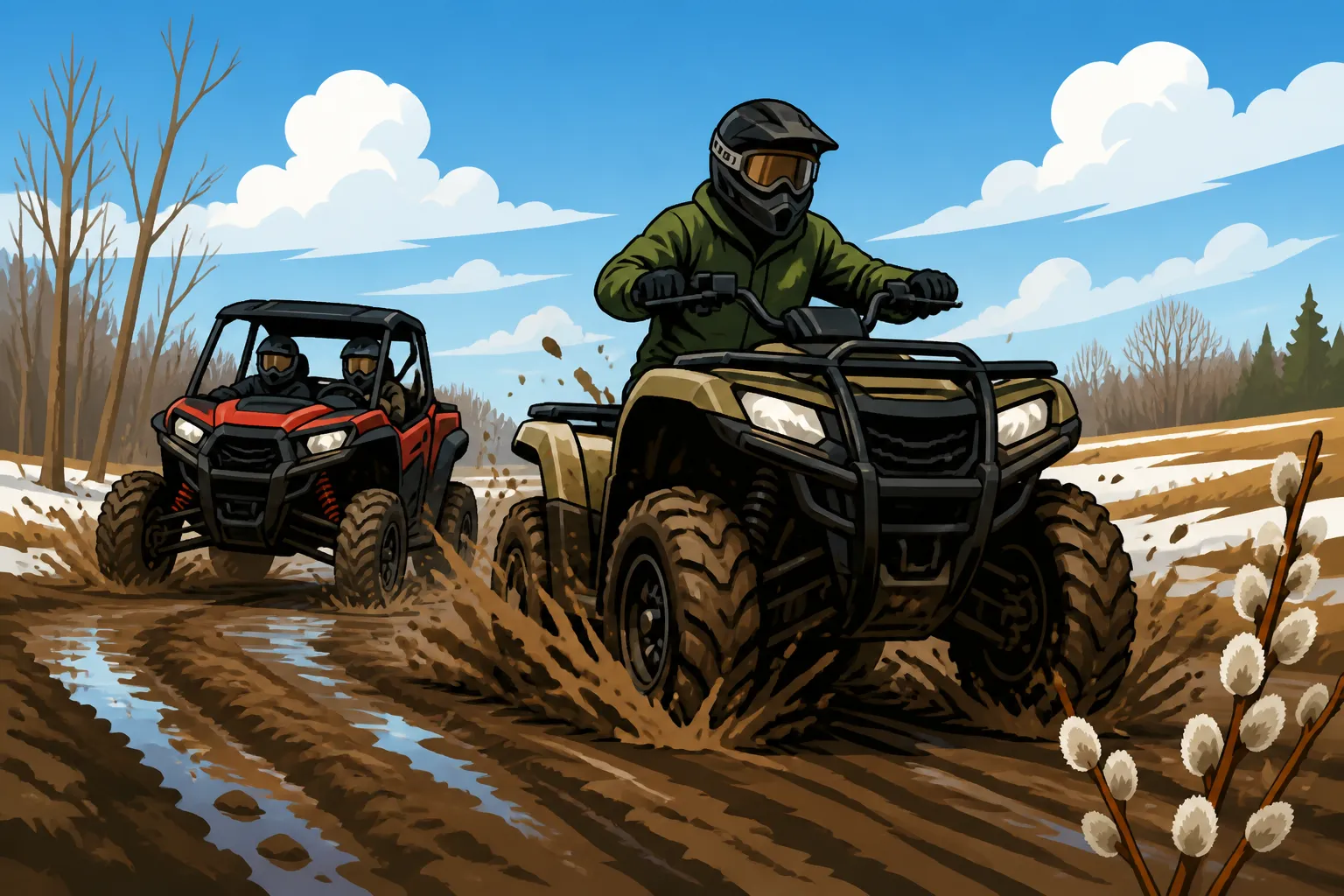
It’s easy to think, "My ATV is light, it won't do much damage," but that's not always the case, especially with mud. Modern side-by-sides, in particular, can be surprisingly heavy, and even a lighter quad, with its aggressive tire treads, can churn up a soft road surface or shoulder in no time. When you encounter a muddy patch, the natural inclination is often to power through it, or even to try and "play" in it. While exhilarating, this is precisely when the most significant damage occurs.
Spinning tires dig ruts that quickly fill with water, exacerbating the problem for the next vehicle. These ruts disrupt drainage, can lead to potholes, and make the road impassable or dangerous for smaller cars. It's not just about the weight, but also the rotational force of the tires and the way they displace soft material. Think about how much effort it takes to dig a hole with a shovel – now imagine four powerful tires doing that continuously. Your machine's impact might seem localized, but a series of riders making the same choices can turn a minor muddy spot into a major road repair issue for the township.
Common Challenges Riders Face in Spring Conditions
April riding brings its own set of unique challenges beyond just the mud. First, visibility can be poor. Rain, fog, and the spray from muddy conditions can obscure your view, especially if you're riding in a group. Then there's the unpredictability of the terrain: a seemingly shallow puddle can hide a deep rut or a submerged obstacle, leading to sudden stops or even rollovers. Traction is also a constant battle; what feels like solid ground one moment can become a slick, unstable surface the next.
Furthermore, these conditions put extra stress on your machine. Mud and water can get into everything – brakes, bearings, electrical connections – leading to premature wear and tear. It also means increased chances of getting stuck, which, while sometimes part of the fun, can quickly turn into a frustrating and potentially dangerous situation if you're not prepared. Dealing with a bogged-down machine in chilly, wet spring weather, far from help, is a situation no one wants to find themselves in. This is why proper preparation and cautious riding are paramount.
Navigating Muddy Township Roads Legally and Responsibly
Riding an ATV or UTV on the right-of-way of a Minnesota township road in April, especially when it's muddy, comes with specific rules and a huge dose of responsibility. It's not just about what you can do, but what you should do to be a good neighbor and avoid causing problems for yourself or the community.
Official Rules for Riding Township Road Rights-of-Way
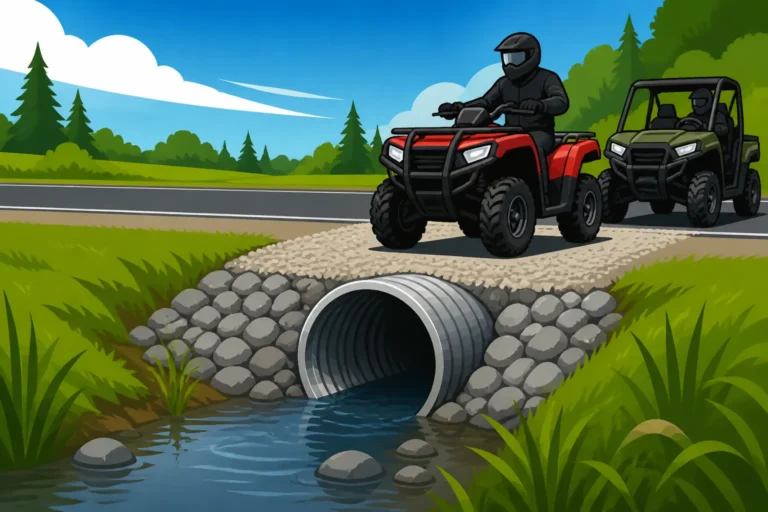
In Minnesota, the rules for riding ATVs and UTVs on public road rights-of-way are quite specific, and it's essential to know them. Generally, you can often ride on the right-of-way of a public road, which typically means the ditch or shoulder, not the paved or graveled travel surface itself. There are some exceptions for crossing roads or when the ditch is impassable, but these are narrow. For a deeper dive into these specifics, check out [Minnesota Road Rules Riders Get Wrong] and [Minnesota Rules on Township Roads].
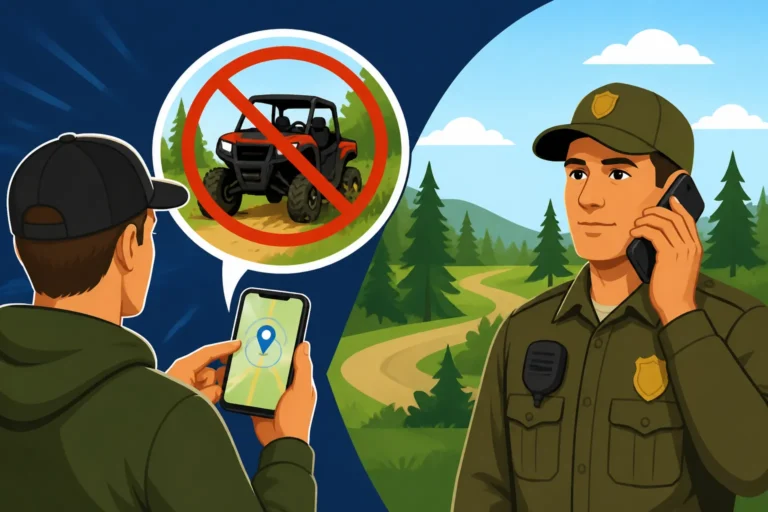
However, the key distinction in April is the condition of that right-of-way. While riding in the ditch might be legal, if the ditch is a mucky mess that you know your machine will tear up, then exercising discretion is crucial. Local townships also have the authority to pass ordinances that further restrict ATV/UTV use on roads or ditches within their jurisdiction, especially during vulnerable times like spring thaw. Always look for local signage and be aware that a muddy road might implicitly (or explicitly, if "road restrictions" are posted) require you to find an alternative route or wait until conditions improve. Remember, causing damage can lead to fines or liability, even if you technically thought you were following the general rules.
Best Practices to Minimize Road Damage
When you do find yourself needing to use a muddy township road's right-of-way, your approach can make a huge difference in preventing damage. The first rule of thumb is slow and steady. Avoid aggressive acceleration or braking that can churn up the mud. Maintain a consistent, moderate speed that allows you to maintain control without spinning your tires unnecessarily. If you see a particularly deep or unstable section, evaluate if you can safely avoid it, perhaps by staying closer to the side of the ditch if there's solid ground, or by turning back if it's truly impassable without causing major damage.
Consider the line you're taking. If there are already ruts, try to follow them rather than creating new ones. However, if the ruts are exceptionally deep and you know your machine will just get stuck, you might need to find a less-traveled, firmer path, but always with the utmost care to avoid pristine or delicate areas. Equipping your machine with appropriate tires for mud can also help. While super aggressive mud tires from a company like SuperATV can give you amazing traction in the deep stuff, remember that on a soft, exposed road surface, those same aggressive treads can dig even deeper if you're not careful. It’s a balance between capability and mindful operation.
Respecting Property Owners and Local Residents
This is perhaps the most critical aspect of riding muddy township roads. Many township roads pass directly by homes, farms, and cultivated fields. When you churn up mud, you're not just affecting the road itself; you're often splattering mud onto private property, fence lines, and even passing vehicles. The noise of machines struggling through mud, especially with aftermarket exhausts, can also be a major nuisance to residents, particularly early in the morning or late in the evening.
It's about common courtesy. If you cause mud to spray onto a homeowner's mailbox or vehicle, take the time to clean it. If you inadvertently leave deep ruts, or worse, get stuck and damage someone's lawn getting out, you are obligated to address it. A simple apology and an offer to help fix the damage can go a long way in maintaining positive relationships between riders and rural residents. Remember, a lot of the backlash against ATV/UTV use in certain areas stems directly from a lack of respect for private property and the local community. By being mindful and courteous, you contribute to a positive image for all riders.
Preparing Your Machine and Yourself for Spring Riding
Venturing onto muddy township roads in April without proper preparation is just asking for trouble. A little foresight can save you a lot of grief, keep you safer, and ensure your machine lasts longer.
Essential Gear for Muddy Conditions
When you're heading into potentially muddy territory, your gear strategy needs to be on point. First and foremost, you'll want good waterproof riding gear – a quality jacket, pants, and boots are non-negotiable. There's nothing worse than being cold and soaking wet halfway through a ride. Gloves that offer both grip and water resistance are also key. Eye protection is also absolutely critical. Mud and debris can fly up with surprising force, and a good pair of goggles or a full-face helmet with a visor will protect your vision.
For your machine, consider upgraded tires. While factory tires are okay for general use, truly muddy conditions demand something with a more aggressive tread pattern designed to clear mud and find traction. Many riders swear by specialized mud tires that really bite into the soft stuff. A reliable winch is also non-negotiable if you plan on exploring any challenging terrain. Even on a seemingly flat road, getting bogged down can happen, and a winch, perhaps a heavy-duty model from SuperATV or another reputable brand, can be a lifesaver. Don't forget basic recovery gear like a snatch strap, shackles, and a shovel. [Recovery Gear for Deep Mud] is a great resource to learn more about what to carry.
Machine Maintenance for Wet and Dirty Rides
Spring mud and water are notoriously tough on ATVs and UTVs, so preemptive maintenance is smart. Before you head out, give your machine a thorough once-over. Check all fluid levels – engine oil, coolant, brake fluid – as working harder in mud can put extra strain on these systems. Inspect your air filter; a dirty filter will quickly restrict airflow and reduce performance, and in muddy conditions, it's more likely to get clogged or wet. You might even consider a pre-filter or snorkel kit if you frequently ride in deep water or mud.
Pay close attention to your drivetrain. Check your CV boots for any tears, as mud and grit will quickly destroy a universal joint if the boot is compromised. Inspect your brakes for wear and ensure they're functioning properly, as stopping power can be reduced in wet conditions. After your ride, a thorough cleaning is essential. Don't let mud dry on your machine, as it can be incredibly corrosive and abrasive. Pay extra attention to cleaning around suspension components, wheels, and radiators. Grease all your zerks, and spray a corrosion inhibitor on electrical connections and exposed metal parts. This post-ride care will drastically extend the life of your machine.
What to Do if You Get Stuck or Cause Damage
Getting stuck is almost inevitable if you ride in challenging conditions, but how you handle it matters. First, stay calm. Don't just hammer the throttle, as this will only dig you in deeper and potentially damage your machine or the ground further. Assess the situation: can you rock the machine out gently? Is there solid ground nearby you can winch to? If you have a winch, follow proper winching safety procedures. Never winch alone if possible, and always use tree savers or proper anchor points. If you're out with buddies, recovery should be a team effort.
If you accidentally cause significant damage to the road, shoulder, or private property, acknowledge it immediately. If it's a minor rut in the ditch that you can easily smooth over with a shovel, do it. For more serious damage, contact the local township board or the property owner as soon as possible to report it. Trying to hide it or ignore it will only make things worse if discovered later. Offering to pay for repairs or assisting in the fix shows responsibility and respect. Remember, there can be penalties for damaging public property, and proving that you're a responsible rider goes a long way. This is also a good time to review [Minnesota Penalties for Reckless Riding] to understand the potential consequences of irresponsible behavior.
| Condition of Township Road Right-of-Way in April | Recommended Rider Action | Potential Impact & Considerations |
|---|---|---|
| Lightly Damp/Firm Soil | Proceed with caution, maintain moderate speed. | Minimal impact, enjoy the ride. |
| Soft & Puddly with Visible Ruts | Slow down significantly, choose your line carefully, avoid creating new ruts. | Moderate risk of damage, higher chance of getting mud on property. |
| Deep Mud & Standing Water (Road Restrictions Likely) | Avoid if possible. If unavoidable, use extreme caution, consider turning back. | High risk of damage to road/machine, potential for getting stuck, legal liability. |
| Road Surface Itself is Muddy/Damaged | Do NOT ride on the travel surface. Seek alternative routes. | Illegal and highly damaging. Only cross if absolutely necessary and safe. |
Beyond the Township Road: Finding Alternative Spring Riding
Sometimes, the best solution for muddy township roads in April is simply to find another place to ride. Minnesota offers a fantastic network of trails and designated riding areas that might be better suited for early spring conditions, or at least have clearer guidelines for when they're open.
Checking Trail Status for Spring Openings
Minnesota's Grant-in-Aid (GIA) trails, managed by the DNR in partnership with local clubs, are a huge draw for ATV and UTV riders. However, these trails, especially those in forested areas, are also highly susceptible to spring thaw and mud. The DNR is diligent about posting trail closures during this period to prevent damage, but it's your responsibility to check the status before you trailer up and head out. You can often find current trail conditions and opening dates on the Minnesota DNR's website. They provide updates on what trails are open, what's closed for the season, or what's under temporary restriction due to wet conditions.
Ignoring these closures isn't just a risk to your machine; it's a risk to the future of our trail system. Riding on a closed trail causes severe erosion, damages fragile ecosystems, and creates more work for the dedicated volunteers who maintain these trails. It can also lead to fines. Patience is key in the spring; waiting for trails to dry out ensures better riding for everyone and preserves access for years to come. Look up [Minnesota Trails Open Each Spring] for more details on typical opening times and how to check status.
Designated OHV Areas for Early Season Riding
While many linear trails might be closed, some designated Off-Highway Vehicle (OHV) parks, particularly those with varied terrain including gravel pits or harder-packed surfaces, might open earlier or offer riding opportunities better suited to transitional spring weather. The Iron Range OHV Area in Gilbert, for instance, is known for its diverse terrain, including rocky sections and old mining land, which can often handle moisture better than soft forest trails. These types of areas are specifically designed and maintained to withstand the impacts of motorized recreation, making them a much more responsible choice when other trails are too wet.
Always check the specific park's website or contact them directly for their current operating status and any weather-related closures. These areas often have staff on-site who can give you the most accurate assessment of conditions. While they might require an entrance fee or specific permits (like a non-resident trail pass for out-of-state riders), it's a small price to pay for legal, responsible riding on terrain that's built for it. Planning a trip to one of these areas can be a fantastic way to satisfy that spring riding itch without contributing to damage on township roads or linear trails that are still recovering from winter.
Disclaimer
This article is for general informational purposes only and does not constitute professional advice. Laws, prices and regulations vary by location and change over time. Consult a qualified professional for guidance on your specific situation.