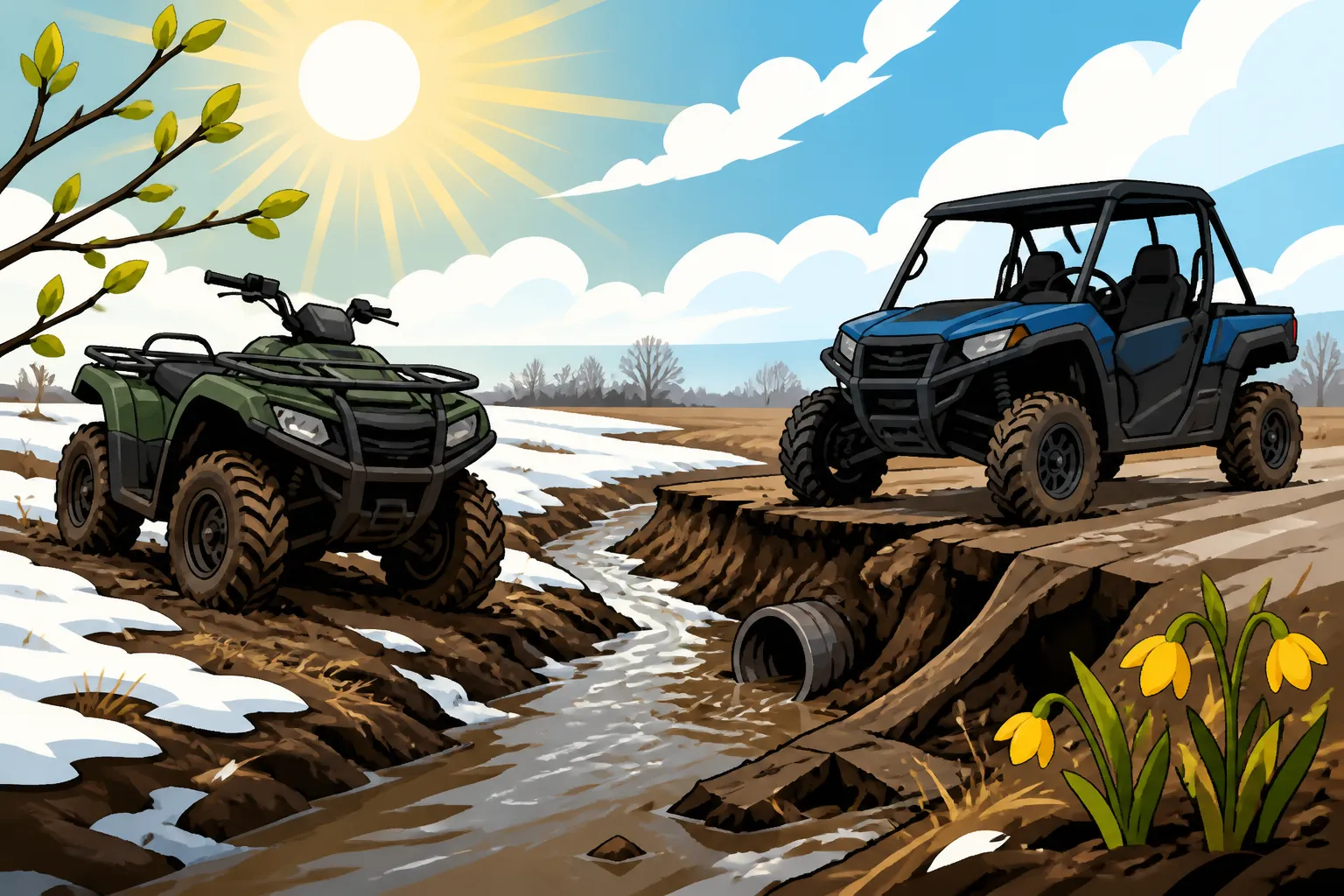
Spring Thaw and Minnesota Ditch Damage
Oh, that feeling! The snow is finally receding, the sun feels a little warmer on your face, and the long, cold Minnesota winter is finally losing its grip. After months of being cooped up, watching your ATV or UTV gather dust, the urge to hit the trails, or even just the local ditches, can be absolutely overwhelming. It’s a powerful call, but this time of year, especially during spring thaw, can be a real minefield for riders who aren't careful, leading to frustrating ditch damage and potential run-ins with local authorities. This guide is all about navigating that tricky transition, understanding why spring thaw is so challenging, and offering practical ways to satisfy that riding itch without causing harm.
The Allure and The Reality: Why Spring Thaw is a Minefield for Minnesota Riders
After what often feels like an eternity of snow, ice, and biting winds, the arrival of spring in Minnesota is nothing short of glorious. For ATV and UTV enthusiasts, it’s a siren song, promising open trails and the thrill of the ride once more. But this early spring period, particularly during the thaw, is also one of the most treacherous times for both riders and the very ground we ride on. It’s a delicate balance between cabin fever and responsible stewardship, and understanding the nuances is key to a smooth, sustainable riding season.
The Psychological Pull of Early Spring Riding
Let's be real: after surviving another Minnesota winter, the moment the thermometer creeps above freezing, most of us are practically bursting with pent-up energy. Our machines have been patiently waiting, perhaps tucked away in a shed, covered against the elements, dreaming of dirt and open air. That first sunny day, with the faint smell of damp earth instead of frigid ice, ignites an almost primal urge to fire up the engine and feel the rumble. You see bits of pavement, patches of grass, and your mind immediately jumps to adventure. It's a natural reaction to a long period of confinement, a yearning for freedom and the exhilarating connection with the outdoors that only an ATV or UTV can provide. This isn't just about fun; for many, it's a vital release, a way to reconnect with hobbies and friends. The thought of waiting any longer can feel like an impossible task when the sun is shining and the birds are singing.
Yet, this powerful desire to ride often collides head-on with the fragile state of the landscape. What looks like firm ground can often be a deceptive illusion, hiding a treacherous reality beneath a thin crust of drying mud. The anticipation builds, and it's easy to overlook the subtle signs that the ground isn't quite ready for the kind of impact an off-highway vehicle can deliver, especially in roadside ditches. We picture crisp, cool air and firm dirt, but what we often get is a recipe for deep ruts and environmental harm.
Beneath the Surface: What Happens During Thaw
While the top layer of soil might look like it's drying out, beneath that thin veneer, the ground is often still a soggy, unstable mess. This is due to a phenomenon called frost heave, where the ground freezes deeply over winter, trapping moisture. As temperatures rise in spring, that deeply frozen ground begins to melt from the top down. The water from the melting snow and ice on the surface, along with the thawing ground beneath, has nowhere to go. It can't drain deeper because of the still-frozen soil below, creating a saturated, muddy layer. It's like a sponge that's completely full, sitting on a concrete slab – any pressure on it will squeeze out water and displace the soft material.
This highly saturated soil has very little bearing capacity. When an ATV or UTV, even a relatively light one, passes over it, the tires can easily churn through the mud, creating deep ruts. These ruts not only damage the surface, but they also disrupt the delicate root systems of vegetation, leading to erosion. Furthermore, hidden pockets of ice can still be present, especially in shaded areas or depressions like ditches. A tire hitting one of these can cause an unpredictable skid or an abrupt stop, not to mention creating an even bigger hole when the ice eventually melts. This makes for unpredictable and potentially dangerous riding conditions, where seemingly solid ground can give way without warning, trapping your machine or causing a loss of control.
Understanding "Ditch Damage" and Its Impact
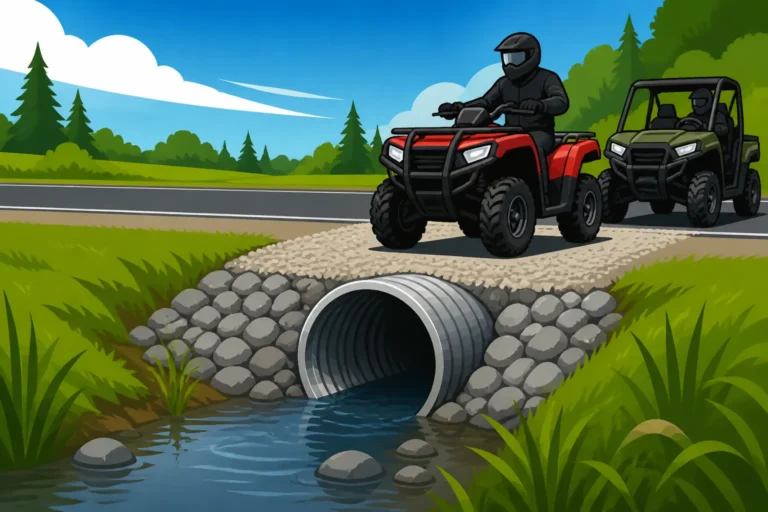
When we talk about "ditch damage" in Minnesota during spring thaw, we're referring to the negative impacts that vehicles, particularly ATVs and UTVs, can have on the roadside ditches that many riders utilize. These ditches, while seemingly just undeveloped strips of land, serve crucial functions. They help manage water runoff from roads and fields, preventing erosion and flooding. They also host native vegetation that stabilizes the soil and provides habitat for wildlife. When an ATV or UTV tears through a ditch during thaw, it can cause severe rutting, turning a smooth, vegetated area into a scarred landscape of deep trenches.
These ruts disrupt the natural drainage patterns, creating new channels for water to flow, which often leads to increased erosion and the washing away of topsoil. The churning action can also destroy the fragile grasses and plants that hold the soil in place, making the area even more susceptible to future erosion. From a practical standpoint, deep ruts can become hazards for other riders, pedestrians, or even farm equipment using the right-of-way. It also creates a less appealing visual for residents and other travelers, fostering negative perceptions of the riding community. Ultimately, ditch damage isn't just an inconvenience; it's an environmental impact that can require costly repairs by local municipalities, leading to increased scrutiny and potential restrictions on riding access for everyone.
The Rules of the Road (and Ditch) During Minnesota's Thaw Season
Navigating Minnesota's ditches and road rights-of-way during spring thaw isn't just about understanding the physical challenges; it's also about adhering to established rules and, perhaps more importantly, exercising good judgment and community stewardship. While explicit "no ATV in the ditch during thaw" signs might not be universal, the broader regulations governing road restrictions and resource protection certainly apply. Understanding these rules is crucial to being a responsible rider and avoiding fines or conflicts.
Minnesota's Road Restrictions During Spring Thaw
One of the biggest indicators that the ground isn't ready for heavy use is the prevalence of [Minnesota Road Restrictions During Spring Thaw]. While these restrictions primarily target heavy commercial vehicles like semi-trucks, their underlying purpose – to protect soft, thawing roadways from damage – directly translates to the spirit of riding in ditches. During thaw, county and township roads, especially those that are unpaved or have gravel shoulders, become highly vulnerable. The weight of heavy vehicles can cause significant damage, leading to potholes, washouts, and expensive repairs. Even though ATVs and UTVs are much lighter than a semi-truck, their concentrated weight and aggressive tires can still wreak havoc on saturated ditches, which are often considered part of the road right-of-way.
Local authorities impose these restrictions, often posting signs or issuing public notices, to minimize infrastructure damage. While your quad might not fall under the exact tonnage limits of a spring road restriction, the reason for those limits — the ground's instability — absolutely applies to ditch riding. Ignoring these conditions, even if not explicitly forbidden for ATVs, can be seen as irresponsible behavior, leading to complaints from landowners and local residents who rely on well-maintained ditches for drainage and property access. It's about respecting the land's current state and understanding that even small machines can contribute to significant problems when the ground is at its weakest. You can often find updates on these local restrictions through county highway departments or local municipal websites.
The Unspoken Rules of Respect and Stewardship
Beyond the written laws, there's an unspoken code of conduct that really defines responsible riding, especially during the vulnerable spring thaw. This is where "stewardship" comes in. It's about recognizing that the ditches, farm fields, and public lands we love to ride are shared spaces, and our actions directly impact others and the environment. Tearing up a ditch, even unintentionally, creates an eyesore, a hazard, and can lead to erosion that affects adjacent properties. Imagine living next to a freshly rutted ditch — it's not exactly welcoming. This kind of damage fosters resentment within communities, often leading to calls for stricter regulations or outright bans on ATV access.
To ensure continued access to riding areas, riders need to be proactive in demonstrating respect. This means voluntarily choosing not to ride in areas that are clearly too wet and soft, even if there's no official closure. It means understanding that patience during thaw pays dividends in the long run by preserving the trails and ditches for when they are truly ready. When you see a section of ditch that's a muddy swamp, opting to turn around or find an alternative route, even if it adds a few miles to your ride, sends a powerful message. It shows that you value the resource, respect your neighbors, and are committed to responsible recreation. This collective commitment ensures that riders don't just endure the spring thaw but actively contribute to a positive future for ATV and UTV access in Minnesota.
Penalties for Damaging Public Lands (or Rights-of-Way)
While there might not be a specific statute titled "Ditch Damage by ATV during Thaw," riders who cause significant damage to public lands or road rights-of-way can still face serious penalties under broader environmental and trespass laws. For instance, if your riding causes extensive rutting, erosion, or destroys vegetation, you could be cited for [Minnesota Resource Damage Citations]. These citations aren't just slaps on the wrist; they can come with substantial fines designed to cover the cost of repairing the damage you've caused. In some cases, repeated or severe infractions could even lead to your machine being impounded or your riding privileges being revoked.
Beyond environmental damage, riding in inappropriate areas during thaw could also lead to charges of trespass. While ditches are often public right-of-way, severe damage could lead to specific complaints from landowners or local authorities, particularly if you venture onto private property where the ditch meets a field. Conservation Officers and local law enforcement are often patrolling during this sensitive time, and they are well aware of the damage that can occur. They have the authority to issue tickets and investigate incidents of environmental harm. The message is clear: the cost of a few minutes of impatient riding in soft conditions can far outweigh the momentary thrill, leading to legal troubles, financial burdens, and a black mark against the entire ATV/UTV community. Always be mindful of where you ride, especially during thaw, and if in doubt, choose to err on the side of caution.
Practical Strategies for Smart Spring Riding in Minnesota
The desire to ride after a long winter is completely understandable, but responsible riders know that patience and preparation are key during Minnesota's spring thaw. While some areas will be off-limits, there are smart strategies you can employ to minimize your impact, stay safe, and still get your machine out for a spin when conditions allow. It's about being informed, having the right gear, and knowing when to seek alternative riding spots.
Checking Trail and Ditch Conditions Before You Ride
One of the most crucial steps you can take as a responsible rider is to proactively check conditions before you even load your machine onto the trailer. Don't just assume that because the sun is out, everything is dry and firm. Start by looking for official announcements regarding public land trails. The Minnesota DNR provides updates on [Checking Minnesota Trail Status Before You Drive], often announcing closures or restrictions due to spring thaw. For ditches and road rights-of-way, pay attention to local county and township road departments. They frequently post notices about [Mud on a Township Road in April] or specific road restrictions that, while aimed at heavier traffic, indicate the general instability of the ground.
Beyond official channels, use your own eyes. Drive by the areas you intend to ride. Look for standing water, saturated soil, or visible ruts from previous vehicles. If the ground looks like chocolate pudding, it's a clear sign to stay away. Consider the terrain: shaded areas and depressions (like ditches) will hold moisture and remain soft much longer than elevated, sun-exposed spots. Be especially cautious in low-lying areas or near wetlands. A little bit of scouting can save you a lot of trouble – from getting stuck to incurring penalties for damaging the landscape. Remember, the goal is to ride, not to perform an unplanned excavation project on public property.
Gear Up for Mud and Water, But Don't Seek It Out
While the smart choice is to avoid deep mud and standing water during thaw, sometimes you just can't completely escape it, especially if you're venturing out on a trail that's prone to seasonal moisture. This is where having the right recovery gear becomes invaluable, not as an invitation to seek out trouble, but as a safety net. A reliable winch is almost a necessity for any serious off-road rider in Minnesota, and companies like SuperATV offer a range of robust options designed to pull you out of sticky situations. Make sure it's properly installed, well-maintained, and that you know how to use it safely.
Beyond a winch, consider recovery straps, a shovel, and even a small handsaw for clearing minor obstacles. Good quality, aggressive tires can also make a significant difference in traction, but even the best tires can't defy physics on utterly saturated ground. Finally, protect your machine! Skid plates and A-arm guards (again, SuperATV has some fantastic options here) can help prevent costly damage from hidden rocks, stumps, or deep ruts if you do inadvertently encounter them. The key here is prevention, not participation. Equip your machine for the unexpected challenges of spring, but always prioritize riding responsibly and avoiding conditions that guarantee you'll need that recovery gear. It's about being prepared, not being reckless.
Alternative Riding Options During Thaw
When public trails are closed or ditches are clearly too wet, it can feel like your riding season is still on hold. However, there might be alternative options if you're willing to think outside the box and ensure you're riding legally and respectfully. One primary alternative is to ride on your own private land, assuming you have it. On your own property, you generally have more leeway to decide what's appropriate, though you should still consider the long-term impact on your land. Just remember that even on private land, common sense applies; you don't want to create massive ruts that lead to erosion on your own property. It's also a good idea to check if [Do You Need Registration on Your Own Minnesota Land?] still applies, even if you're not on public trails.
Another option, if available and carefully considered, is riding on a friend or family member's private property with explicit permission. This requires clear communication, setting boundaries, and ensuring you respect their land and wishes. Always ask first, and be prepared to abide by any rules they set. Some private parks or off-road facilities might have specific areas that drain better or have surfaces less susceptible to thaw, but these are rare in early spring. Ultimately, the best "alternative" during widespread thaw is often patience. Waiting until later in the spring, when [Minnesota Trails Open in May] and the ground has truly firmed up, will ensure a much more enjoyable and sustainable riding experience for everyone.
Maintenance Tips After a Muddy Ride
Even if you try your best to avoid the mud during spring thaw, sometimes you're going to encounter it. Whether it was an accidental splash or a necessary traverse, giving your ATV or UTV a thorough cleaning and inspection after a muddy ride is crucial for its longevity and performance. Mud, especially gritty, wet spring mud, can be incredibly abrasive and corrosive. Start with a good wash, ideally while the mud is still wet, using a pressure washer or strong hose. Pay close attention to the suspension components, undercarriage, engine fins, and radiator, where mud loves to collect and dry, potentially causing overheating or accelerating wear.
Once clean, it's inspection time. Check all your moving parts: universal joints, CV boots, brake lines, and electrical connections. Mud and water can force their way into seals, leading to premature wear or corrosion. Look for any new cracks, bent components, or loose bolts. Lubricate all grease points, as water can wash away existing grease. This is also a good time to check your air filter – a muddy ride can quickly clog it, reducing performance and potentially harming your engine. Regular cleaning and inspection not only prolong the life of your machine but also ensure that it's safe and ready for your next adventure. Taking care of your investment after a tough ride means more seasons of reliable fun.
| Spring Thaw Condition | Rider Consideration | Recommended Action |
|---|---|---|
| Saturated Ground | Deep ruts, erosion | Avoid riding; seek firmer terrain or wait. |
| Standing Water | Hidden obstacles, unknown depth | Proceed with extreme caution; avoid if possible. |
| "Dry" Surface, Wet Underneath | False sense of security, sudden sinking | Test ground carefully; look for official updates. |
| Road Restrictions in Effect | Indicates overall ground instability | Respect the spirit of restrictions, avoid ditches. |
| Visible Damage from Others | Area is fragile, prone to further harm | Do not contribute to existing damage; report if severe. |
| Frost Heave | Uneven terrain, potential for sudden bumps | Reduce speed, maintain vigilance for uneven surfaces. |
| Mud-Caked Machine | Accelerated wear, reduced performance | Thoroughly clean and inspect immediately after ride. |
Disclaimer
This article is for general informational purposes only and does not constitute professional advice. Laws, prices and regulations vary by location and change over time. Consult a qualified professional for guidance on your specific situation.