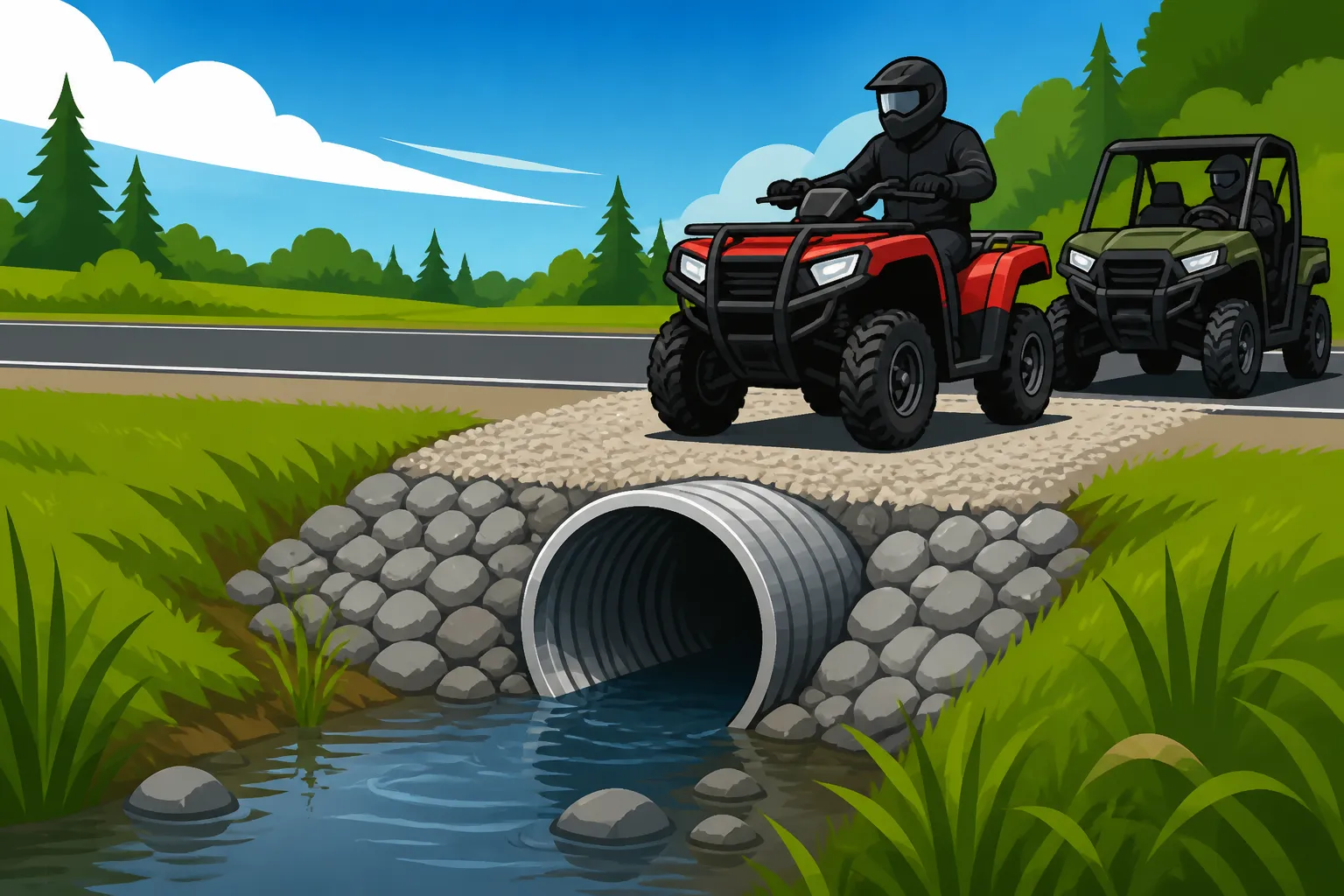
Driveway Culverts in a Roadside Ditch
You’re out there, enjoying a fantastic day on the trails or cruising a scenic ditch line in Minnesota, feeling the wind, taking in the sights. Then, suddenly, a driveway entrance appears, cutting through the ditch, complete with a culvert pipe buried underneath. Your immediate thought might be, "Can I even cross this, or do I need to turn back?" It's a common moment of hesitation for many ATV and UTV riders, and navigating these seemingly simple structures can actually be a bit more complex than it appears, both legally and safely. This guide is all about helping you understand the rules, identify the risks, and confidently handle those driveway culverts while keeping your machine in one piece and staying on the right side of the law.
Understanding the Minnesota Ditch Riding Rules
Before we dive into the nitty-gritty of culverts, it’s really important to grasp the bigger picture of ditch riding in Minnesota. Many of us see a ditch and think it's just open season, but that's not always the case. The ditches alongside public roads are often part of the public right-of-way, and Minnesota law has specific provisions for ATV and UTV use in these areas. It’s not just a free-for-all; there are rules designed to ensure safety for riders, other motorists, and to protect the infrastructure. Understanding these foundational rules helps us approach specific features like culverts with the right mindset. For a deeper dive into the general rules, check out our guide on [Minnesota's Ditch Riding Rules].
The Legal Framework for Ditch Use
Minnesota statutes permit ATV and UTV operation in certain road rights-of-way, which often includes the ditch line itself. However, this permission comes with important caveats. You're typically allowed to ride in the shoulder or the ditch, but not on the paved or graded surface of the road itself, except in very specific circumstances like crossing. The intent is usually to provide access to trails or to connect different legal riding segments, not to turn ditches into high-speed thoroughfares.
This is where the distinction between Class 1 and Class 2 machines often comes into play. Class 1 ATVs, generally narrower machines, have different rules than wider Class 2 machines, which include most side-by-sides. While both can often use ditches, the specifics of where and how can vary. For instance, some areas might have stricter rules for wider UTVs due to concerns about ditch width or potential damage. It’s always good to be aware of these distinctions, and you can learn more about them in [Minnesota Class 1 Machines on the Right of Way] and [Why Class 2 Machines Are Treated Differently]. These rules are in place to manage traffic flow, prevent conflicts with other vehicles, and maintain the integrity of the road infrastructure, which absolutely includes those culverts.
Where the Ditch Runs Out
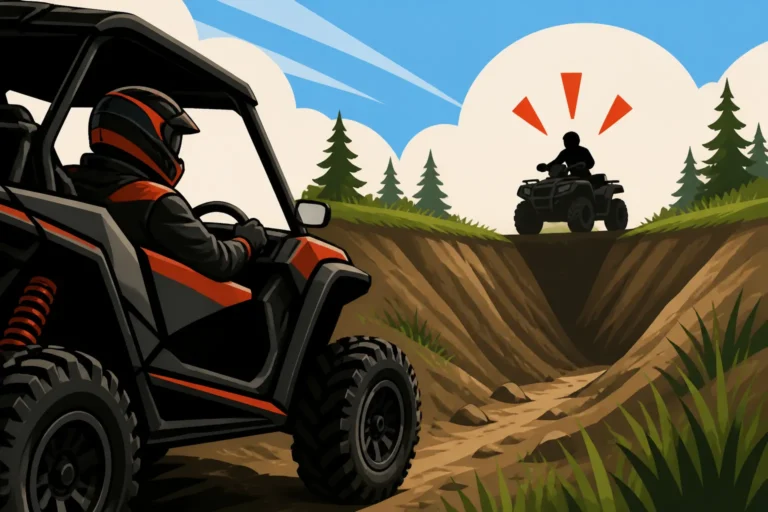
The ditch might seem like a continuous pathway, but it’s frequently interrupted. Driveways, field entrances, and even natural changes in terrain can cause the ditch to "run out" or significantly change character. A driveway culvert is a prime example of such an interruption. It's a structure designed to carry water under a driveway or access point, allowing vehicles to cross without impeding drainage.
When you're riding in a ditch and encounter a culvert, you're no longer just riding on a continuous piece of ground. You're now interacting with a man-made structure. This structure often means the ditch's typical characteristics – its depth, width, and surface – are temporarily altered, and this requires a different approach from the rider. You can't just power through a culvert area as you would an open ditch section; it demands respect and careful navigation to avoid damage to your machine or, more importantly, yourself. Recognizing these interruptions and understanding their purpose is the first step toward safe and legal navigation.
Navigating Driveway Culverts Safely and Legally
Encountering a driveway culvert while ditch riding means you need to shift gears, both literally and mentally. It's not just another bump in the road; it's a place where the ditch's flow is managed, and where your path needs to be considered carefully. The key here is not just getting over it, but doing so in a way that’s safe, prevents property damage, and adheres to the spirit of Minnesota’s road and ditch use laws.
The "Crossing Only" Principle
Generally speaking, when you encounter a driveway that crosses the ditch via a culvert, you are typically permitted to cross that driveway and culvert to continue your ride on the other side of the access point, provided you do so safely and yield to all traffic. The crucial distinction here is "crossing" versus "riding in" the culvert. You're not meant to treat the culvert as part of the ditch you can continuously drive through. Instead, you're momentarily traversing the driveway (which includes the culvert underneath) to get from one segment of the legal ditch or shoulder to another. This is similar to the principles applied when [Crossing a County Road on a Minnesota ATV] or even a [Crossing a Minnesota State Highway] – you're moving perpendicularly, not longitudinally.
This means approaching the culvert at a safe, controlled speed, scanning for oncoming traffic on the driveway or main road, and making sure the path is clear. Once you’ve crossed the driveway and culvert, you should immediately return to the legal ditch or shoulder area. It's not an invitation to ride up the driveway or linger on the road surface. The goal is minimal impact and maximum safety while maintaining your legal route.
Assessing the Culvert and Approach
Before you simply roll over a culvert, take a moment to assess the situation. Not all culverts are created equal, and their condition can vary wildly. Look at the angle of approach: is it a smooth, gradual slope, or a sharp drop-off? Some culverts might be almost completely buried, offering a relatively flat crossing, while others might have exposed ends or sharp edges. Pay attention to the material around the culvert – is it well-packed gravel, loose dirt, or even eroded asphalt? Loose material can cause your tires to lose traction, especially on an incline.
Also, check for debris. Sometimes culverts collect branches, rocks, or even trash, which can become hazards. Consider the width and depth of the ditch on either side of the culvert. A narrow, deep ditch meeting a relatively flat culvert can create a steep incline/decline that could challenge your machine's ground clearance or suspension. If you've invested in aftermarket parts like those from SuperATV, which often include robust skid plates or heavy-duty A-arms, you might feel a bit more confident, but even the toughest machine has its limits. Always prioritize a visual inspection and err on the side of caution.
Technique for a Safe Passage
Once you've assessed the culvert and determined it's safe to cross, the technique is fairly straightforward, but precision is key.
- Slow Down: Reduce your speed significantly as you approach. This gives you more time to react and minimizes the impact if you hit an unexpected obstacle.
- Straight Approach: Try to approach and cross the culvert as straight as possible, perpendicular to the culvert pipe itself. Angling sharply can put uneven stress on your suspension and increase the risk of a rollover, especially for wider UTVs.
- Light Throttle: Use just enough throttle to maintain momentum. Don't gun it over the culvert, but also don't completely let off, which could cause a sudden jolt as your front wheels drop into the ditch on the other side.
- Body Position: For ATVs, stand up on the footpegs, slightly leaning forward. This allows your legs to act as shock absorbers and helps you maintain balance. For UTVs, ensure all passengers are securely belted in and aware of the upcoming bump.
- Look Ahead: Keep your eyes focused on where you want to go, not directly at your front tire. This helps you steer smoothly and anticipate the next section of the ditch.
- After the Crossing: Once you've safely traversed the culvert, smoothly transition back into your normal ditch riding speed and position.
This methodical approach minimizes risk and ensures you navigate these common interruptions without incident.
Potential Risks and How to Avoid Them
Even with the best intentions and careful technique, navigating driveway culverts isn't entirely without risk. These structures, while functional for drainage, can present unique challenges for ATV and UTV riders. Being aware of these potential pitfalls is crucial for both your personal safety and the longevity of your machine. Thinking ahead and preparing for the worst can often prevent it.
Machine Damage and Personal Injury
The most immediate risks associated with culverts are physical. An improperly crossed culvert can lead to:
- Suspension Damage: Sudden drops or impacts can bend tie rods, break A-arms, damage shocks, or even crack frame components. The force of hitting a hard edge or bottoming out can be substantial. If you’ve upgraded to heavy-duty suspension components from a brand like SuperATV, you might have a bit more resilience, but no component is indestructible.
- Tire and Wheel Issues: Sharp edges of culverts, exposed rebar, or hidden rocks can cut tires, bend rims, or even cause immediate blowouts.
- Undercarriage Damage: Skidding over an exposed culvert pipe or a large rock can tear through skid plates, damage engine cases, or compromise drivetrain components.
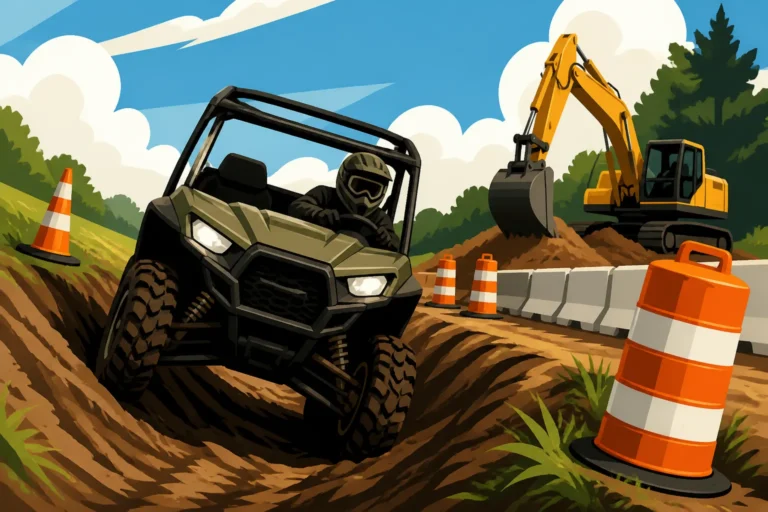
- Rollovers: Approaching a steep culvert at too sharp an angle or with excessive speed, especially in a wider UTV, can shift the center of gravity drastically and lead to a rollover.
- Rider Ejection/Injury: A violent impact or sudden stop can throw a rider from an ATV or cause unbelted passengers in a UTV to be jostled or injured. Head injuries are a significant concern, emphasizing the importance of helmets for all riders, especially those under 18, as detailed in [Minnesota Helmet Rules for Riders Under 18].
To avoid these, always follow the safe crossing techniques, invest in protective gear for both yourself and your machine (like full skid plates), and be realistic about your machine's capabilities and your own riding skill.
Legal Repercussions
Beyond physical harm, there are legal considerations when interacting with driveway culverts. While crossing might be permissible, damaging a culvert or the adjacent private property can lead to legal trouble.
- Property Damage Liability: If you damage a homeowner's culvert or driveway while riding, you could be held liable for the repair costs. This might seem minor, but replacing a culvert can be a surprisingly expensive undertaking.
- Trespassing: While the ditch itself is often part of the public right-of-way, the driveway beyond the ditch (and the property it leads to) is private land. Riding up a driveway, even briefly, without permission can constitute trespassing. This is different from the momentary crossing, which is typically understood as permissible to maintain a ditch-riding path.
- Reckless Riding Citations: If you're seen crossing a culvert at excessive speed, in a manner that's unsafe, or causing a disturbance, a conservation officer or local law enforcement could issue a citation for reckless operation. You can find more about the consequences in [Minnesota Penalties for Reckless Riding] and [Minnesota Fines for Illegal Road Riding].
- Accident Reporting: In the unfortunate event of a crash involving a culvert that results in injury or significant property damage, you may be required to report the incident, as outlined in [Minnesota ATV Crash Reporting].
Always remember that your actions reflect on the entire riding community. Respecting private property and riding responsibly is paramount.
Environmental Impact
While perhaps less obvious than physical and legal risks, careless culvert crossing can also have environmental consequences. Culverts are designed to manage water flow and prevent erosion.
- Erosion: Aggressive riding through a culvert area, especially one with loose soil, can accelerate erosion, washing away soil and potentially undermining the culvert itself.
- Sedimentation: Eroded soil can wash into nearby waterways, causing sedimentation that harms aquatic habitats. This is particularly relevant in Minnesota, with its abundance of lakes and rivers.
- Damage to Drainage Systems: A damaged culvert can impede water flow, leading to localized flooding or impacting wetlands and other natural water features. For example, riding near sensitive areas like [Riding the Ditch Past a Wetland] requires extra care to preserve these delicate ecosystems.
By taking a careful and respectful approach to culverts, you contribute to protecting the environment and preserving access for future generations of riders.
Tips for a Smooth Ride Near Culverts
Navigating driveway culverts doesn't have to be a source of stress or danger. With a few proactive steps and a mindful approach, you can ensure your rides remain smooth and incident-free. It’s all about preparation, awareness, and making smart decisions when the terrain changes. These tips will help you ride with confidence, knowing you’re ready for whatever the ditch throws your way.
Maintaining Situational Awareness
The most important tool you have as a rider is your awareness. When you're ditch riding, don't just focus on the few feet in front of your tires. Constantly scan ahead, looking for changes in the ditch line, upcoming driveways, and any potential obstacles. A long-range view gives you ample time to:
- Spot Culverts Early: The sooner you see a culvert, the more time you have to assess its condition, check for traffic, and adjust your speed and line.
- Identify Hazards: Not every culvert is clearly marked or perfectly maintained. You might spot loose gravel, standing water, or even a hidden dip that you wouldn't see if you were only looking directly down.
- Anticipate Traffic: Driveways mean potential vehicle traffic. Seeing a culvert ahead should trigger an immediate check for cars turning in or out of the driveway, or even coming down the main road.
- Plan Your Line: With early awareness, you can pick the safest and smoothest line over the culvert, avoiding any sharp angles or particularly rough sections.
This constant vigilance isn't just about culverts; it's a fundamental aspect of safe riding in any environment. Remember, a Minnesota Conservation Officer might stop you to check your registration and make sure you're riding safely, so being prepared for all eventualities is key. More on what they look for can be found in [What a Minnesota Conservation Officer Asks For].
Equipment Checks
Your machine is only as good as its maintenance. Before heading out for a ditch ride, a quick pre-ride inspection can save you a lot of trouble when you encounter obstacles like culverts.
- Tires and Pressure: Ensure your tires are in good condition, free of major cuts or bulges, and properly inflated according to your machine's specifications. Under-inflated tires can be more prone to pinch flats on sharp culvert edges, while over-inflated tires can make for a harsher ride. Many riders opt for robust, multi-ply tires for ditch riding to minimize flats.
- Suspension: Briefly check your shocks for leaks and listen for any unusual noises from your A-arms or tie rods when you bounce the machine. A healthy suspension system will absorb impacts much better than a worn-out one, which is vital for smooth culvert crossings. If you're running aftermarket suspension components, say from SuperATV, double-check those too, as even heavy-duty parts can wear over time.
- Skid Plates and Protection: If your machine has skid plates, give them a quick visual inspection. Are they securely fastened? Are there any deep gouges that might indicate a weak point? Good undercarriage protection can turn a potentially damaging hit into a minor scrape.
These quick checks ensure your machine is ready to handle the varied terrain that ditch riding, including culvert crossings, can present.
When in Doubt, Turn Around
This is perhaps the most crucial piece of advice for any off-road scenario, and it applies strongly to culverts. If you approach a driveway culvert and something just doesn't feel right, don't force it.
- Ambiguous Conditions: Perhaps the culvert is heavily eroded, covered in deep mud, has dangerously steep approaches, or you can't clearly see the other side.
- Heavy Traffic: If the main road is busy, or vehicles are frequently using the driveway, it might not be the right moment to attempt a crossing, even if it's legally permissible.
- Personal Comfort Level: Maybe you're on a new-to-you machine, or you're riding with less experienced partners, and you don't feel confident in the conditions.
There's no shame in turning around and finding an alternative route. Sometimes, this means backtracking to a different crossing point, or perhaps even temporarily trailering your machine a short distance. Your safety, the integrity of your machine, and avoiding legal trouble are far more important than pushing through a questionable situation. Ditch riding should be an enjoyable experience, not a white-knuckle test of bravery.
| Safe Culvert Crossing Practices | Risky Culvert Crossing Practices |
|---|---|
| Slow speed, controlled approach | High speed, uncontrolled approach |
| Straight, perpendicular crossing | Sharp angles, swerving over |
| Yield to all vehicular traffic | Assuming right-of-way, rushing across |
| Assess culvert condition beforehand | Blindly riding over without inspection |
| Stand (ATV) / Belted (UTV) body position | Seated (ATV) / Unbelted (UTV) for impact |
| Use light, consistent throttle | Gunning it or completely letting off gas |
| Focus on where you're going | Staring at front tire or ground right ahead |
| Turn back if uncertain or hazardous | Forcing a crossing when in doubt |
| Pre-ride equipment checks | Neglecting maintenance, ignoring wear |
Disclaimer
This article is for general informational purposes only and does not constitute professional advice. Laws, prices and regulations vary by location and change over time. Consult a qualified professional for guidance on your specific situation.