Minnesota Access to a Boat Launch by ATV
For many of us who love the Minnesota outdoors, the convenience of using our ATV or UTV to get things done around the lake cabin or out in the woods is simply unmatched. Whether you're thinking of hauling in fishing gear, moving a small dock section, or even trying to launch a small boat, the thought inevitably pops up: "Can I just drive my quad down to the boat launch?" It's a question that brings with it a whole lot of confusion, given all the varying rules for off-highway vehicles in our beautiful state. This guide is here to untangle those rules and help you understand when and how you can use your ATV or UTV to access Minnesota's boat launches.
Navigating Minnesota's Road Rules to Reach the Water
The first hurdle in using your ATV or UTV to access a boat launch often isn't the launch itself, but rather getting to it. Minnesota has a patchwork of rules regarding where and how off-highway vehicles (OHVs) can operate on roads and rights-of-way. It's not as simple as "if it has wheels, it can go." These machines are primarily designed for off-road use, and their interaction with public roadways is strictly regulated for safety and environmental reasons. Ignoring these rules can lead to hefty fines and a spoiled day out, which is the last thing anyone wants when they're just trying to enjoy the lake.
Understanding Ditch Riding and Road Crossings
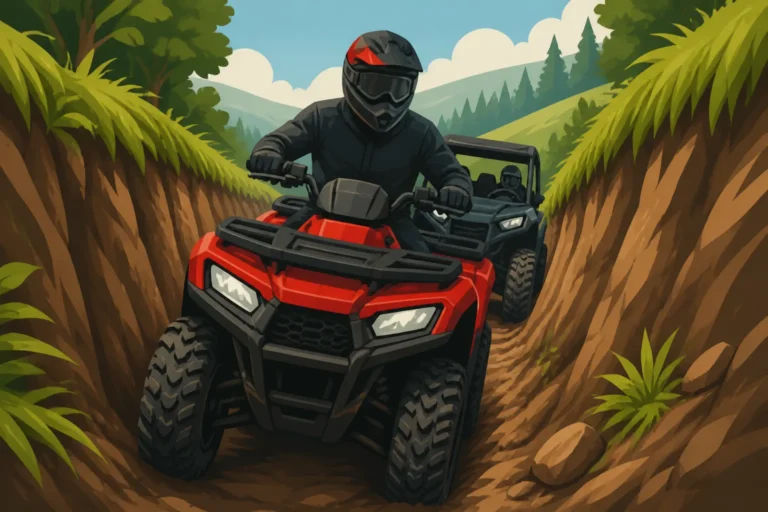
In Minnesota, many ATV and UTV operators rely on riding in road ditches or crossing public roads to get from one trail segment to another, or to reach a destination like a boat launch. The general rule is that you can often operate an ATV or UTV in the right-of-way of a public road, which typically means the ditch, not the paved or graveled surface itself. However, this isn't a blanket permission. You must operate as far to the right as possible, avoid the actual traveled portion of the roadway, and obey all traffic laws, including speed limits that might be reduced for OHVs in these areas.
Furthermore, the rules can differ significantly based on the class of your machine. Class 1 ATVs are generally narrower and lighter, while Class 2 machines, which include most side-by-sides, are wider and often heavier. Sometimes, restrictions might apply more stringently to Class 2 machines due to their size and perceived impact. Always remember that crossing a road is a very specific maneuver, not an excuse to ride down the road. You must come to a complete stop, yield to all traffic, and cross at a right angle to the road surface. This requires immense caution and visibility, especially on busy county roads or near blind spots. For a deeper dive into these specifics, you might want to read up on [Minnesota's Ditch Riding Rules] and [Crossing a Minnesota Road on an ATV], as well as [Minnesota ATV Classes and What They Mean]. It's crucial to know the difference before you ever put a tire on a public right-of-way.
When Public Roads Are Off-Limits (and What to Do)
While ditches can offer some connectivity, there are significant limitations. State highways, for instance, are generally off-limits for ATV and UTV travel, even in the ditch, unless specifically designated or for certain emergency or utility purposes. This can be a real headache if the only way to your favorite boat launch involves even a short stretch along a state route. It forces you to get creative, often meaning trailering your machine closer to the launch or finding an alternative route that sticks to county or township roads where ditch riding might be permitted.
Beyond state regulations, local ordinances play a huge role. A county or township can choose to be more restrictive than the state, prohibiting ATV use on certain roads or rights-of-way entirely, or limiting the hours of operation. What's allowed in one township might be strictly forbidden in the next. This makes it incredibly frustrating to plan a trip, as you can't assume consistency. Before you head out, especially if you're exploring a new lake, it's always best to check with the local law enforcement or the township office to understand their specific rules. Some progressive [Minnesota Cities That Allow ATVs on Streets] have designated routes that lead directly to amenities like gas stations or even boat launches, but these are often exceptions rather than the rule. Don't assume; always verify.
Direct Access at the Boat Launch: What's Permitted?
Once you've successfully navigated the journey to the boat launch, the question shifts to what you can actually do with your ATV or UTV once you're there. This is where the distinction between using your machine as transportation and using it as a utility vehicle for launching a boat becomes critical.
Public Boat Launches and DNR Regulations
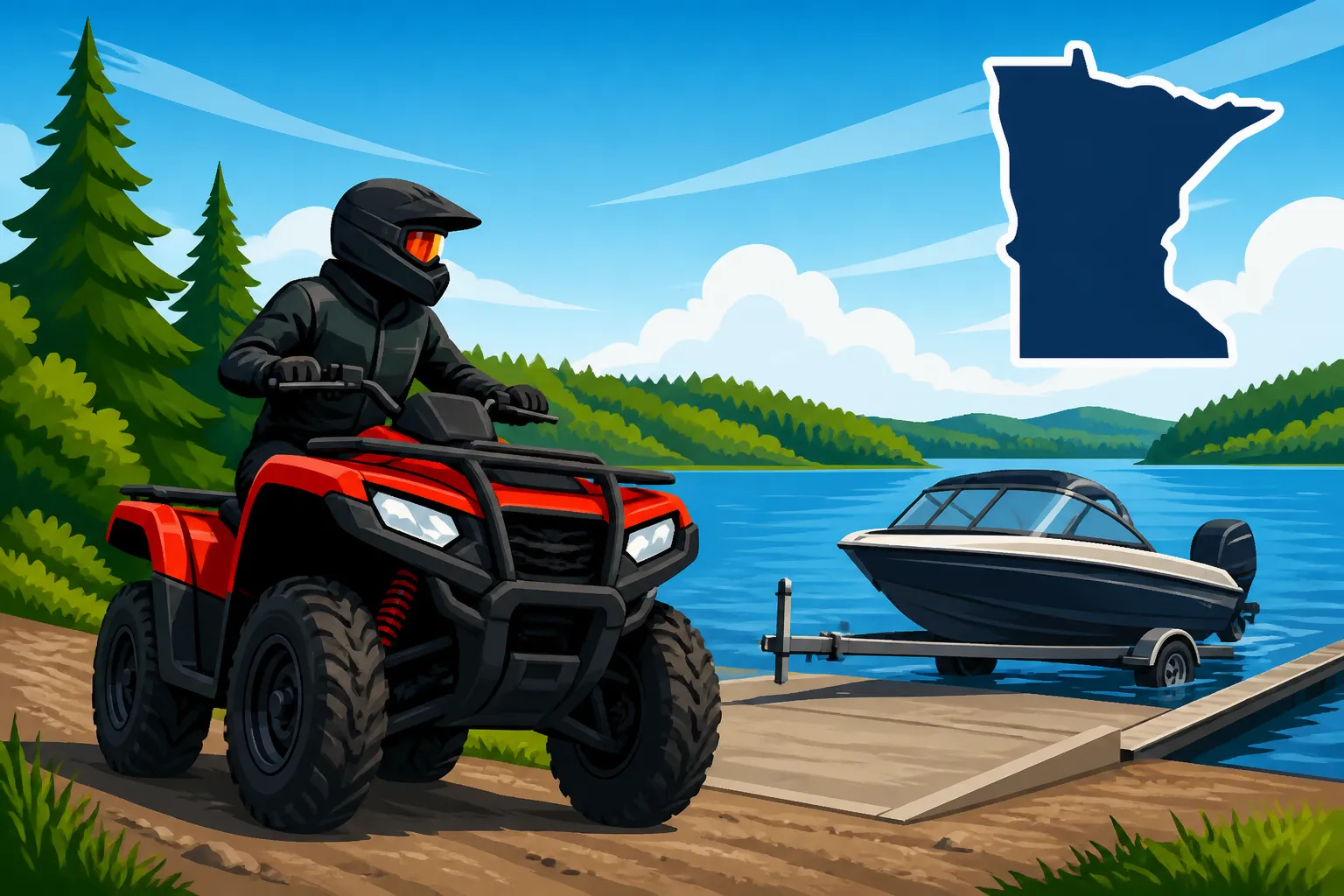
Minnesota's public boat launches, many of which are managed by the Department of Natural Resources (DNR), are primarily designed for the launching and retrieval of watercraft. While an ATV or UTV might seem like a perfect tool for pushing a small fishing boat into the water or pulling it out, the regulations often focus on vehicle type and purpose. Generally, if the ATV or UTV is being used as a primary means of transportation to and from the launch area, it needs to adhere to the existing road and right-of-way rules.
However, using an ATV or UTV on the launch ramp itself is often a grey area, and in many cases, outright discouraged or prohibited unless it's specifically for the purpose of launching or retrieving a watercraft that is too small or awkward for a standard vehicle. You wouldn't typically see someone driving their full-size pickup truck down to the water's edge and then joyriding it around; the same principle applies to an OHV. The DNR's concern is usually about environmental protection (preventing erosion, oil spills), safety for other users, and maintaining the integrity of the ramp itself. Parking your ATV or UTV near the launch area, while you handle your boat, is usually fine if it's in a designated parking spot and not obstructing traffic. But driving it onto the ramp to dip its tires in the water for fun, or using it as a beach buggy, is almost certainly a no-go. Understanding the spirit of the rules, which prioritize boat access and environmental care, is key. Information on DNR regulations is paramount, which is why familiarizing yourself with [Minnesota DNR ATV Registration Explained] can be helpful as it touches on the responsibilities of operators on public lands.
Private Launches and Resort Access
When you're dealing with private boat launches, the rules change considerably. If you're on private property, whether it's your own cabin land, a friend's property, or a resort's launch, the owner's permission and rules are paramount. On your own land, you have the most leeway, as long as you're not violating any environmental protection laws or local ordinances regarding noise or shoreline alteration.
Many resorts and private campgrounds around Minnesota's beautiful lakes understand that their guests often arrive with ATVs and UTVs, especially if they are located near extensive trail systems. These establishments might have their own designated access points to the lake that are more flexible. For instance, a resort might allow you to use your UTV to shuttle fishing gear down to a small, private dock, or even to launch a canoe or kayak from a specific spot. The key here is always to ask permission first. Never assume that because it's private land, anything goes. Property owners have liability concerns and may have specific rules about machine use, especially near the water. Respecting their guidelines ensures you can continue to enjoy their amenities without causing issues. If you're planning a trip and intend to use your machine extensively on private land, checking out resources like [Riding a Friend's Property in Minnesota] can offer good insights into the nuances of private property access.
Practical Considerations and Gear for Water Access
Using your ATV or UTV responsibly and effectively at a boat launch means thinking beyond just the legality of getting there. It involves preparing your machine and yourself for the unique challenges of operating near water.
Essential Equipment for Launch-Side Use
When you're trying to launch or retrieve a small boat, or simply get gear down to the water's edge, having the right accessories on your ATV or UTV can make all the difference. For example, a reliable winch is often invaluable. Whether you're pulling a small fishing boat up a tricky bank, or Heaven forbid, your ATV gets a little too close to the water and needs a gentle tug, a winch can save your day (and your back). Many riders turn to aftermarket accessories for enhanced capabilities, and brands like SuperATV offer a wide range of winches, from compact units for ATVs to heavy-duty options for larger UTVs, perfect for those lake-side tasks.
Beyond winches, tire choice can also be a significant factor. While your trail tires might be great for mud and rocks, they might not offer optimal traction on a slimy boat ramp or a wet, grassy shoreline. Having tires that offer good grip on various surfaces, including slippery ones, can prevent a precarious situation. Likewise, if you're frequently hauling gear, a small utility trailer designed for ATVs or UTVs can be incredibly useful. These trailers allow you to transport fishing rods, coolers, tackle boxes, and even small kayaks or canoes without overloading your machine or making multiple trips. They keep your essential gear organized and prevent it from falling off on bumpy trails or ditches. Thinking about accessories like these can transform your machine into a true multi-purpose utility vehicle. You can explore options like those offered by SuperATV to enhance your machine's capabilities for these specific tasks, as they often have specialized gear designed for varied terrain and utility. For more on adding utility to your machine, [Winch and Plow Pricing for Minnesota Owners] might provide some relevant cost comparisons and considerations.
Safety, Courtesy, and Environmental Responsibility
Operating any OHV, especially near water and other people, demands a strong commitment to safety and courtesy. Always maintain slow speeds when in the vicinity of a boat launch. There are often pedestrians, children, and other vehicles present, and visibility can be limited. A sudden turn or burst of speed could lead to an accident. Remember, the noise from your machine can also be disruptive, so being mindful of others enjoying the peace and quiet of the lake is part of being a responsible outdoor enthusiast.
Environmental responsibility is also paramount. Driving recklessly on or near boat ramps can cause erosion, stir up sediment, and potentially introduce pollutants into the water. Invasive species are a major concern in Minnesota's lakes. If you're using your ATV or UTV to launch or retrieve a boat, ensure both your machine and boat are clean, drained, and dry before entering a new body of water. This prevents the spread of harmful plants and animals. Always dispose of any waste properly and leave the area cleaner than you found it. Adhering to these principles not only keeps you safe but also helps preserve Minnesota's pristine natural beauty for everyone to enjoy. Understanding how your machine's operation impacts others is especially relevant, as discussed in [Minnesota Noise Rules Near Lake Homes], which emphasizes community considerations.
| Scenario for ATV/UTV Boat Launch Access | Permitted? | Key Considerations |
|---|---|---|
| Driving in Road Ditches to Reach Launch | Often Yes | Adhere to specific state/local rules, stay off road surface, Class 1 vs. 2 differences, high visibility. |
| Crossing Public Roads to Reach Launch | Yes | Stop, yield, cross at right angle, obey all traffic laws, high caution. |
| Riding on State Highway Right-of-Way | Rarely | Generally prohibited unless specifically designated; plan alternative routes. |
| Operating on the Paved/Gravel Launch Ramp | Conditional | Usually okay for actual boat launching/retrieval; not for joyriding or general transit. |
| Using ATV/UTV to Launch Small Watercraft | Often Yes | Treat as utility task; exercise extreme caution for traction, ramp damage, and safety. |
| Parking at Designated Boat Launch Parking | Yes | Park only in marked spaces, do not obstruct traffic or access. |
| Accessing a Private/Resort Launch | Conditional | Requires express permission from property owner; follow their specific rules. |
| Riding an ATV/UTV on Frozen Lake to Launch | Often Yes | Requires adherence to ice safety rules, machine registration, and respect for other users. |
| Hauling Gear to Launch with Small Trailer | Yes | Permitted if machine and trailer are operated safely and legally. Consider SuperATV cargo solutions. |
Using your ATV or UTV for boat launch access in Minnesota definitely has its complexities, but with careful planning and adherence to the rules, it can be an incredibly efficient way to enjoy our state's fantastic waterways. Always remember that diligence and respect for the regulations, other users, and the environment are your best guides.
Disclaimer
This article is for general informational purposes only and does not constitute professional advice. Laws, prices and regulations vary by location and change over time. Consult a qualified professional for guidance on your specific situation.