Minnesota Cities With Posted ATV Routes
It's a common frustration for ATV and UTV riders in Minnesota: you're out enjoying a fantastic trail system, maybe even [Minnesota's Grant-in-Aid Trail System], and suddenly you hit a town boundary. The trails seem to vanish, and you're left wondering, "Can I actually ride through this town to connect to the next section, or am I breaking the law?" This guide is here to clear up that confusion by diving deep into the world of Minnesota cities with posted ATV routes, helping you navigate these urban connections safely and legally.
Why Are City Routes Even a Thing?
Let's be honest, for most of us, the allure of ATV and UTV riding is the wide-open spaces, the dirt, the mud, the challenge of the trail. Riding pavement in town often feels counterintuitive to the spirit of off-roading. But the reality is, trails don't always connect perfectly, and sometimes towns become crucial bridges, both literally and figuratively, between segments of an epic ride.
The General Minnesota Road Rules
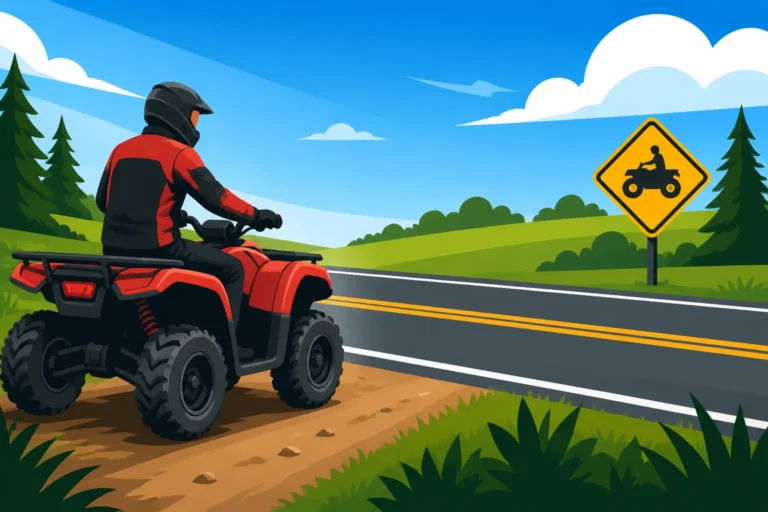
First, it's vital to understand the baseline: in Minnesota, ATVs and UTVs are generally not considered street legal for routine road use. You can't just hop on your quad and cruise down Main Street like it's a car. The state's default stance is that off-highway vehicles belong off-highway. Most of the time, when you're not on a designated trail, you're looking at [Minnesota's Ditch Riding Rules], which come with their own set of specific guidelines and restrictions. This general prohibition is why cities creating specific exceptions – "posted ATV routes" – is such a big deal. Without these routes, you'd be stuck trailering your machine from one side of town to the other, which is a major hassle when all you want to do is grab a burger or fill up your tank.
Why Cities Opt-In to ATV Routes
So, if the general rule is "no street legal ATVs," why do some cities go through the effort of creating special routes? It often boils down to economics and community spirit. Many smaller towns in Minnesota, especially those nestled near popular trail systems or outdoor recreation areas, have realized that welcoming ATV and UTV riders can be a significant boost to their local businesses. Imagine finishing a long day of riding, dusty and hungry, and being able to ride directly to a local diner, gas station, or even a hardware store for that quick repair. When riders can access these services directly, they spend money, support local jobs, and ultimately contribute to the vitality of the town. These cities become "trail towns," embracing the outdoor recreation lifestyle as part of their identity. They understand that by providing reasonable access, they're inviting more visitors, not just for a day trip, but potentially for an entire weekend, leading to more restaurant meals, hotel stays, and retail purchases. It's a win-win: riders get convenience, and towns get a much-needed economic injection.
Finding Those ATV-Friendly Towns
Okay, so you're convinced that riding through towns can be a good thing. The next question, naturally, is: how do you even find these magical places? It's not always as simple as looking for a sign, and sometimes the signs themselves can be a little inconspicuous.
Official Sources for Route Information
The most reliable places to start your search for Minnesota cities with posted ATV routes are official sources. The Minnesota Department of Natural Resources (DNR) is your best friend here. While they primarily focus on state trails, they often have maps or information that indicate where trails connect with or enter communities. Sometimes these maps will explicitly show the approved city routes. However, not every local route will be on a DNR map. For the most precise and up-to-date information, you really need to go directly to the source: the individual city's website or their local government offices. Many progressive trail towns will have specific ordinances, maps, or even dedicated pages on their municipal websites outlining their ATV/UTV rules and routes. Don't be afraid to make a quick phone call to the city clerk's office or even the local police department if you're planning a trip. They can confirm current regulations and point you to the correct information. Remember, laws and ordinances can change, so what was true last year might be different this year. While you might want to look at a [Minnesota DNR OHV Contacts] for general questions, for specific city routes, a direct call is often best.
Community and Club Resources
Beyond official channels, the ATV and UTV community itself is an incredible resource. Local riding clubs, like many of the [Minnesota ATV Clubs and the Trails They Keep], are often at the forefront of working with cities to establish and maintain these routes. They know the ins and outs of the local trail systems, where the routes are, and what the unspoken rules might be. Online forums, social media groups dedicated to Minnesota ATV riding, and even local tourism boards can offer a wealth of anecdotal and practical information. I remember hearing about Appleton, for instance, years ago, through word of mouth at a trailside picnic – a little tip that saved us a major detour. These communities can tell you which towns are truly welcoming, which ones have good services, and even which specific roads to take. Just remember to cross-reference with official sources when possible, as community information can sometimes be outdated or based on assumptions. It's always better to be safe than sorry, and a quick check can prevent an unwelcome interaction with a conservation officer.
| Category | Description |
|---|---|
| Speed Limits | Typically 10-20 mph on city routes, often lower than surrounding roads. Always obey posted limits. |
| Hours of Operation | Many cities restrict ATV/UTV travel to daylight hours or specific times, e.g., 7 AM to 10 PM. Check local ordinances for exact timings. |
| Helmets | Required for riders under 18. Some cities may strongly encourage or even require helmets for all ages on their routes, regardless of state law on trails. |
| Insurance | Required by Minnesota state law for ATVs/UTVs on public land and city routes. Always carry proof of current liability coverage. |
| Registration | Your machine must be properly registered with the Minnesota DNR, with current decals displayed. Ensure you have the [Where a Minnesota ATV Registration Sticker Goes] placed correctly. |
| Signage | Follow all street signs, traffic signals, and posted ATV route signs. These are typically smaller, specific signs indicating the route. |
| Mufflers/Noise | Stock mufflers are usually required. Excessive noise can lead to complaints and jeopardize city access. Consider quieter aftermarket options if yours is loud. |
| Lighting | Headlights, taillights, and brake lights are essential, especially if riding near dusk or dawn. Many riders add additional LED lights for visibility, though ensure they are legal for road use. |
| Mirrors | While not always explicitly required for ATVs on city routes, side mirrors are an excellent safety addition, especially for navigating traffic. SuperATV, for example, offers various mirror kits that greatly improve situational awareness. |
What to Expect When Riding a Posted City Route
So you've found an ATV-friendly town with clear, posted routes. Fantastic! But before you hit the gas and cruise in, it's crucial to understand that riding on city streets, even designated routes, is a different ballgame than ripping through the woods. You're entering a shared space with cars, pedestrians, and residents who may not be as enthusiastic about off-highway vehicles as you are.
Specific Rules and Requirements
Just because a city has posted ATV routes doesn't mean it's a free-for-all. Every city will have its own specific rules and requirements, often outlined in their local ordinances. Common restrictions include lower speed limits (often 10 or 15 mph), designated hours of operation (typically daylight hours), and sometimes even specific days of the week when routes are open. Your machine also needs to meet all state requirements, including proper [Registering an ATV in Minnesota] and displaying current registration stickers. Furthermore, safety equipment rules still apply, especially the [Minnesota Helmet Rules for Riders Under 18]. Even if you're an adult and legally not required to wear a helmet on a trail, some cities might have stricter local ordinances, or it might just be a very wise idea for added safety when mixing with street traffic. Many riders also find it beneficial to add accessories like turn signals, extra lighting, or mirrors from brands like SuperATV to make their machines more visible and compliant with general road etiquette, even if not strictly mandated. It's about being proactive for safety and blending in.
Etiquette and Respect
This might be the most important aspect of riding through an ATV-friendly town. The privilege of having these routes can be easily lost if riders behave irresponsibly. Imagine a resident trying to enjoy their backyard on a Saturday afternoon, only to have a group of loud ATVs constantly roaring past. It doesn't foster goodwill! Therefore, always ride slowly and quietly. Keep your speed well below the posted limit, especially in residential areas, and be mindful of your machine's noise level. If your aftermarket exhaust is borderline too loud, consider a quieter option. SuperATV and other manufacturers offer spark arrestors and muffler inserts that can help mitigate noise. Ride single file, yield to pedestrians and bicycles, and always obey all traffic laws, including stop signs and traffic lights. Think of yourself as an ambassador for the entire ATV/UTV community. One bad apple can spoil the bunch, leading to local residents complaining and city councils reconsidering their welcoming policies. We all want these routes to stay open and even expand, so respectful behavior is paramount.
Planning Your Ride: Beyond the City Limits
Incorporating city routes into your overall riding plan can significantly enhance your experience, allowing for longer, more continuous journeys and convenient stops. It's about seeing these routes not as isolated segments, but as integral parts of a larger network.
Connecting to State Trails
Often, the primary purpose of a city's ATV route is to provide a seamless connection between different segments of a larger trail system. You might be on one state trail, ride into a small town on its designated route, and then exit onto another state or county trail. This eliminates the need for repeated trailering, which can be a huge time-saver and makes for a more immersive riding experience. These connections are particularly valuable in areas where trails are fragmented by private land or natural barriers. Before you head out, study your maps carefully – both DNR maps for the trails and city maps for the routes. Knowing exactly where a trail ends and a city route begins, and where that route then picks up the next trail, is crucial for a smooth journey. You might also find that [Minnesota Rules on County Roads] can play a role in connecting these segments, as some county roads allow ATV use to link trails or towns.
Fueling and Resupply
One of the most practical benefits of ATV-friendly city routes is the ability to easily access services. Imagine you're deep in the woods, your fuel gauge is dropping, and you're starting to eye that extra gas can you forgot to pack. Being able to roll into a town, fill up at a gas station, grab a cold drink, or even pick up a spare part from a local store can be a trip-saver. Many [Minnesota Cities With Posted ATV Routes] are essentially "trail towns" where businesses are accustomed to serving riders. This access makes multi-day trips or longer loops much more feasible. It's also a great opportunity to grab lunch at a local cafe or pick up some snacks for the rest of your adventure. [Fueling an ATV in a Minnesota Small Town] isn't just about gas; it's about the full resupply experience. Some riders even carry extra fuel caddies or cargo boxes – perhaps from SuperATV – to extend their range even further, but these city routes give you options you wouldn't have otherwise. Always keep an eye out for places like Appleton and other ATV-friendly Minnesota cities as you plan your itinerary.
Disclaimer
This article is for general informational purposes only and does not constitute professional advice. Laws, prices and regulations vary by location and change over time. Consult a qualified professional for guidance on your specific situation.