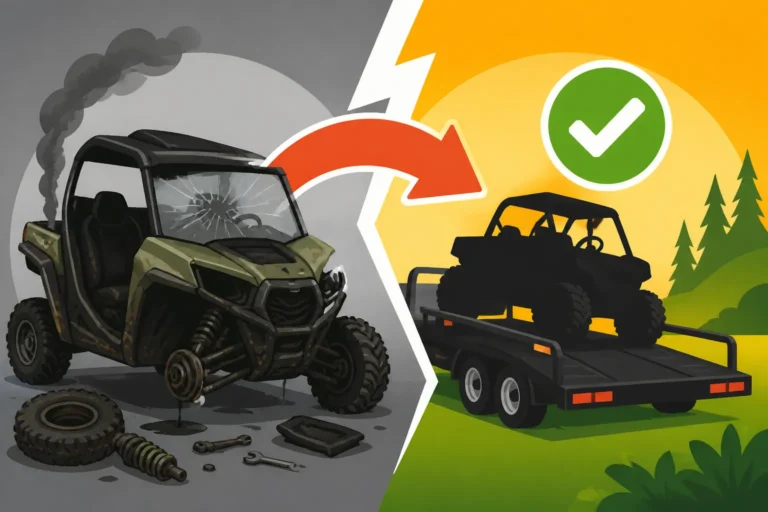
Storing a Machine Through a Minnesota Winter
Ah, the dreaded Minnesota winter. For us ATV and UTV enthusiasts, it often means our beloved machines are tucked away, gathering dust, and yearning for the thawed trails and sun-drenched fields of spring. But simply parking your quad in the corner of the garage and throwing a tarp over it is a recipe for headaches and expensive repairs once the snow finally melts. This guide is all about preparing your off-highway vehicle (OHV) for the long, cold slumber, ensuring it wakes up ready to roar come spring, saving you frustration and your hard-earned cash.
Why Winterizing Your ATV or UTV is Non-Negotiable in Minnesota
Let's be real, Minnesota winters are no joke. They’re long, they're cold, and they are incredibly hard on everything left exposed, including your prized ATV or side-by-side. Thinking you can just leave your machine as-is from your last fall ride until spring is like leaving a bucket of water outside and expecting it not to freeze solid – it's just not how things work around here. The unique challenges of our climate demand a thoughtful approach to winter storage.
The Harsh Realities of a Minnesota Winter on Your Machine
The sub-zero temperatures, the relentless moisture from snow and ice, and the drastic temperature swings between a sunny winter day and a frigid night can wreak havoc on your machine's components. Fuel systems are particularly vulnerable. Ethanol in modern gasoline can attract moisture, leading to phase separation and corrosion in your fuel tank and lines. Imagine trying to start your machine in April only to find stale, separated fuel clogging your carburetor or injectors – it’s a pain no one wants to deal with.
Beyond the fuel, the cold can stiffen rubber and plastic, making hoses and seals brittle and prone to cracking. Batteries lose their charge much faster in the cold, and if left unattended, they can completely discharge and freeze, causing irreversible damage. Tires can develop flat spots if left under constant pressure for months, and exposed metal parts are susceptible to rust and corrosion from humidity and condensation, even in seemingly dry conditions. It's a silent assault on your machine's integrity, happening slowly but surely all winter long.
Protecting Your Investment and Preventing Costly Repairs
Taking the time to properly winterize your ATV or UTV isn't just a recommendation; it's a critical act of self-preservation for your machine and your wallet. Consider the cost of replacing a corroded fuel pump, rebuilding a carburetor, or buying a new battery because you skipped a few simple steps. These repairs can quickly add up, easily costing hundreds of dollars, not to mention the lost riding time waiting for parts or a mechanic. Think about the peace of mind you'll have knowing your machine is safe and sound.
A well-winterized machine holds its value much better. When it comes time to sell or trade up, a quad that starts reliably in the spring and shows no signs of neglect from harsh winters will command a higher price. It tells a prospective buyer that you took care of your equipment, which translates into a machine they can trust. It’s an investment in the long-term health and performance of your ATV or UTV, ensuring that every time you head out, whether it's for ice fishing or trail riding, your machine is ready for the adventure. This is where those [Winterizing Costs for a Minnesota Owner] actually save you money down the line.
Step-by-Step Guide to Winterizing Your Machine
Alright, let's get down to business. Winterizing your ATV or UTV isn't rocket science, but it does require attention to detail. Skipping even one step can undermine all your efforts, so grab your tools, a good cup of coffee, and let's make sure your machine is prepped for its long winter nap. Don't rush this process; it's worth taking your time to do it right.
Fuel System Preparation and Stabilization
The fuel system is often the first place problems arise after winter storage. Modern gasoline, especially with ethanol blends, doesn't store well for long periods. Ethanol attracts and absorbs water, which can lead to phase separation in your fuel tank. This means the ethanol and water mixture separates from the gasoline, settling at the bottom, creating a corrosive cocktail that can damage your fuel system. You absolutely want to avoid this.
Your first step should be to fill your fuel tank completely full with fresh, non-ethanol gasoline if possible. If non-ethanol isn't readily available, use premium fuel and add a high-quality fuel stabilizer designed for long-term storage, such as Sta-Bil or Seafoam. Pour the recommended amount of stabilizer into the tank, then run the engine for 10-15 minutes. This circulates the stabilized fuel throughout the entire fuel system, including the fuel lines, fuel pump, and injectors or carburetor, protecting them from gumming up and corrosion. For carbureted machines, some riders also choose to drain the carburetor bowl entirely, but for most modern fuel-injected machines, proper stabilization is usually sufficient. Leaving the tank full minimizes air space, reducing condensation. You can read more about this in [Fuel Stabilizer Before Long Storage].
Battery Care and Electrical System Preservation
Your battery is particularly susceptible to cold weather damage. A cold battery holds less charge, and if it completely discharges and freezes, the expanding ice can crack the case and ruin the battery plates. To prevent this, the best practice is to remove the battery from your machine. First, disconnect the negative terminal, then the positive. Clean the terminals thoroughly with a wire brush to remove any corrosion.
Once removed, store the battery in a warmer location, ideally above freezing temperatures, like your basement or a heated garage. It's crucial to connect it to a "smart" trickle charger or battery tender. These devices maintain a full charge without overcharging, automatically monitoring the battery's condition and providing power only when needed. This ensures your battery stays healthy and fully charged, ready to deliver a strong crank when spring arrives. This simple step can save you the hassle and expense of buying a new battery, especially since [Battery Replacement on a Quad] can be quite an expense.
Fluids, Lubrication, and Rust Prevention
Just like your car, your ATV or UTV benefits from fresh fluids before a long sit. Old oil can contain contaminants and acids that can corrode internal engine components over time. Changing the engine oil and filter before storage ensures that only clean, fresh oil is protecting your engine’s internals. Check your coolant level and make sure it has the proper antifreeze protection for extreme Minnesota cold – you don't want your engine block cracking from frozen coolant.
For optimal internal engine protection, consider "fogging" the engine. This involves spraying a fogging oil into the air intake while the engine is running or directly into the spark plug holes (after removing the plugs) before rotating the engine a few times. Fogging oil creates a protective coating on cylinder walls and other internal parts, preventing rust and corrosion during storage. Don't forget to grease all zerks (grease fittings) on your suspension and drive shafts to keep components moving freely. Finally, use a rust preventative spray on exposed metal parts and painted surfaces that might be vulnerable to moisture. This creates a barrier against rust and corrosion, preserving the finish and integrity of these components. This detailed process goes beyond just an [Oil Change Cost on an ATV], it’s preventative care.
Tire and Suspension Considerations
Leaving your ATV or UTV sitting for months with deflated or even normally inflated tires can lead to flat spots, especially if the machine is heavy. To prevent this, over-inflate your tires slightly, typically to the maximum recommended PSI listed on the tire sidewall. This helps maintain the tire's shape. Even better, if possible, lift your machine off the ground using stands or blocks so the tires are completely unweighted. This completely eliminates the risk of flat spots and takes stress off the suspension components.
While you're checking the tires, give them a good cleaning. Remove any mud, dirt, or debris that could trap moisture and cause damage. Inspect the tires for any cracks, punctures, or excessive wear. For further protection, you can cover the tires with old towels or specialized tire covers to shield them from UV rays, even in a garage, as UV can still degrade rubber over time. This attention to detail can extend your [Tire Life in Miles on a Rough Trail] significantly.
Cleaning and Protecting the Exterior
Before putting your machine away for the winter, give it a thorough cleaning. Wash off all mud, dirt, and debris from the body, frame, and underside. Pay special attention to hard-to-reach areas where mud can cling and hold moisture, leading to rust. Use a good degreaser for oily or greasy spots. Once clean, dry the machine completely.
Apply a protective wax or polish to all painted and plastic surfaces. This creates a barrier that repels moisture and prevents fading or oxidation. If your machine has a lot of bare metal, consider a light coat of WD-40 or a specialized rust inhibitor. Finally, invest in a good quality, breathable cover for your ATV or UTV. A breathable cover allows moisture to escape, preventing condensation from forming underneath, which can actually promote rust. This cover will also protect your machine from dust, scratches, and potential pest intrusion, making sure it looks just as good in spring as it did when you parked it.
Choosing the Right Storage Location in Minnesota
Once your ATV or UTV is meticulously winterized, the next crucial step is choosing where it will spend the colder months. The right storage environment can significantly impact how well your machine fares through the Minnesota winter. We all have different options available, from a corner of the garage to a dedicated storage unit, and understanding the pros and cons of each is key.
Indoor Versus Outdoor Storage Pros and Cons
For many Minnesota riders, the ideal scenario is indoor storage. A heated garage, a shed, or a dedicated climate-controlled storage unit offers the best protection from the elements. Indoor storage means your machine isn't exposed to freezing rain, heavy snow, or drastic temperature fluctuations. It stays dry, protected from UV rays, and generally has better air circulation, which helps prevent rust and mold. This environment is gentler on plastics, rubber, and paint, and it significantly reduces the chances of critical components freezing or corroding. It’s also much harder for pests like mice to make a cozy home in your machine's airbox or wiring harness indoors.
| Feature | Indoor Storage (Heated/Climate-Controlled) | Indoor Storage (Unheated Garage/Shed) | Outdoor Storage (Covered) | Outdoor Storage (Uncovered) |
|---|---|---|---|---|
| Temperature | Consistent, above freezing | Fluctuates with ambient, but sheltered | Fluctuates with ambient, direct cold exposure | Direct exposure to all elements |
| Moisture/Humidity | Low, controlled | Sheltered from precipitation, humidity fluctuates | Protected from direct rain/snow, but high humidity | Direct exposure to rain, snow, ice, high humidity |
| UV Protection | Excellent | Good | Moderate (if cover is good) | None |
| Pest Control | Good (if sealed) | Fair (can still get in) | Poor (easy access) | Poor (easy access) |
| Rust/Corrosion | Lowest risk | Low risk | Moderate risk (especially with humidity) | Highest risk |
| Tire Flat Spots | Low risk (if properly prepped) | Low risk (if properly prepped) | Moderate risk | High risk |
| Battery Life | Excellent (if tended) | Good (if tended, but cold affects it) | Fair (requires frequent tending) | Poor (extreme cold, rapid discharge) |
| Cost | Highest (for climate-controlled) | Low (if owned space) | Low (for tarp/cover) | None (but high long-term machine cost) |
Outdoor storage, even with a cover, presents more challenges. While a good, breathable cover offers protection from direct precipitation and some UV, your machine is still exposed to ambient cold, wind, and fluctuating temperatures. Condensation can still form under a cover, and strong winds can tear a cover or allow moisture to penetrate. If outdoor storage is your only option, ensure your cover is securely fastened and regularly check on your machine throughout the winter. Ultimately, indoor storage is preferred in Minnesota, as discussed in [Indoor Versus Outdoor Winter Storage].
Renting Storage for a Machine in Minnesota
If you don't have adequate space at home, renting a storage unit is a fantastic alternative for protecting your ATV or UTV. Minnesota has a plethora of self-storage facilities, many of which offer specific units for vehicles, sometimes even with drive-up access, making it convenient to drop off and pick up your machine. When looking for a unit, prioritize one that is clean, secure, and ideally, climate-controlled or at least insulated.
Heated or climate-controlled units maintain a consistent temperature, which is the gold standard for preserving your machine. These units typically come at a higher cost but offer superior protection against extreme cold, condensation, and temperature swings. If a heated unit is out of your budget, an unheated, enclosed unit still provides excellent protection from direct precipitation, wind, and UV rays. Always verify the security measures of the facility – gated access, surveillance cameras, and good lighting are important. Read the rental agreement carefully, paying attention to access hours and any restrictions on vehicle storage. While it's an added expense, the peace of mind and protection it offers can be invaluable, especially when considering [Renting Storage for a Machine in Minnesota].
Prepping for Spring: Getting Your Machine Ready After Winter Storage
Spring is a glorious time in Minnesota, when the ice recedes, the snow melts, and the call of the trails becomes irresistible. But just as you carefully tucked your ATV or UTV away for winter, you need to perform a few crucial steps to wake it up properly. Don't make the mistake of assuming it's ready to go just because it's no longer frozen; a little springtime TLC can prevent a breakdown on your very first ride.
The Reverse Process: What to Check Before Your First Spring Ride
The first thing you'll want to do is reunite your battery with your machine if you removed it. Install it securely, connecting the positive terminal first, then the negative. If you used a battery tender, it should be fully charged and ready to go. Before attempting to start the engine, check all fluid levels: engine oil, coolant, brake fluid, and differential fluids. Top them off if necessary. Look for any leaks or drips that might have developed over the winter. If you over-inflated your tires, return them to their recommended operating pressure. Give your machine a good once-over.
Once everything looks good, it's time to fire it up. Remember, it's been sitting for a long time, so don't expect it to instantly roar to life. Turn the key or push the start button and let the engine crank for a few seconds. If it doesn't start immediately, give it a break and try again. Avoid continuously cranking, as this can drain the battery. Once it starts, let it idle for a good 10-15 minutes to allow the engine and fluids to warm up and circulate thoroughly. Listen for any unusual noises or smells. This gradual reawakening is crucial for a smooth transition from storage to the trail. For a full guide on this, check out [Spring Startup After a Minnesota Winter].
Essential Checks Beyond the Basics
After the engine has had a chance to warm up, it's time for some more detailed inspections. Test your brakes by applying both the front and rear levers/pedals. They should feel firm and responsive. Check all your lights – headlights, taillights, and brake lights – to ensure they are working. Inspect your throttle and brake cables for any stickiness or fraying. Smooth operation of controls is paramount for safety.
Don't forget to inspect your drive belt (for CVT machines) and spark plugs. While you changed your oil before winter, now is a good time to check your air filter for any signs of pest intrusion or excessive dust accumulation. Critters love to nest in airboxes over the winter, and a blocked filter can severely restrict engine performance. Look over your suspension components, making sure no rubber boots are torn and everything is moving freely. These often-overlooked details are what separate a trouble-free spring riding season from one plagued by unexpected issues. If you took care of your [Belts and Hoses on a High-Hour Machine] before winter, they should still be in good shape, but a quick check never hurts!
Disclaimer
This article is for general informational purposes only and does not constitute professional advice. Laws, prices and regulations vary by location and change over time. Consult a qualified professional for guidance on your specific situation.