Deputy Registrar Offices That Register ATVs
Navigating the world of ATV and UTV registration in Minnesota can sometimes feel like you're trying to solve a puzzle with missing pieces. Many riders assume the Department of Natural Resources (DNR) is the only place to handle their off-highway vehicle (OHV) paperwork, leading to confusion about where to go and what to bring. This guide is here to clear up that confusion, focusing on the incredibly convenient and accessible network of Deputy Registrar offices across Minnesota that are ready and able to help you with all your ATV and UTV registration needs.
Understanding Minnesota's Deputy Registrar Network for ATVs
When it comes to getting your ATV or UTV legally registered in Minnesota, it's easy to assume the DNR is the sole authority. After all, they manage our trails and enforce the rules, so it makes sense that they'd be the primary point of contact for all things registration, right? But the reality is, Minnesota has a fantastic, widely distributed system designed to make this process much simpler for residents: the Deputy Registrar network.
Why Not Just the DNR?
While the Minnesota DNR certainly oversees the OHV registration system and sets the guidelines, they don't handle every single transaction directly. Imagine if every single ATV, UTV, boat, and snowmobile owner in a state as passionate about outdoor recreation as Minnesota had to go to one central DNR office or only use an online portal. The lines would be endless, and the process would be a nightmare!
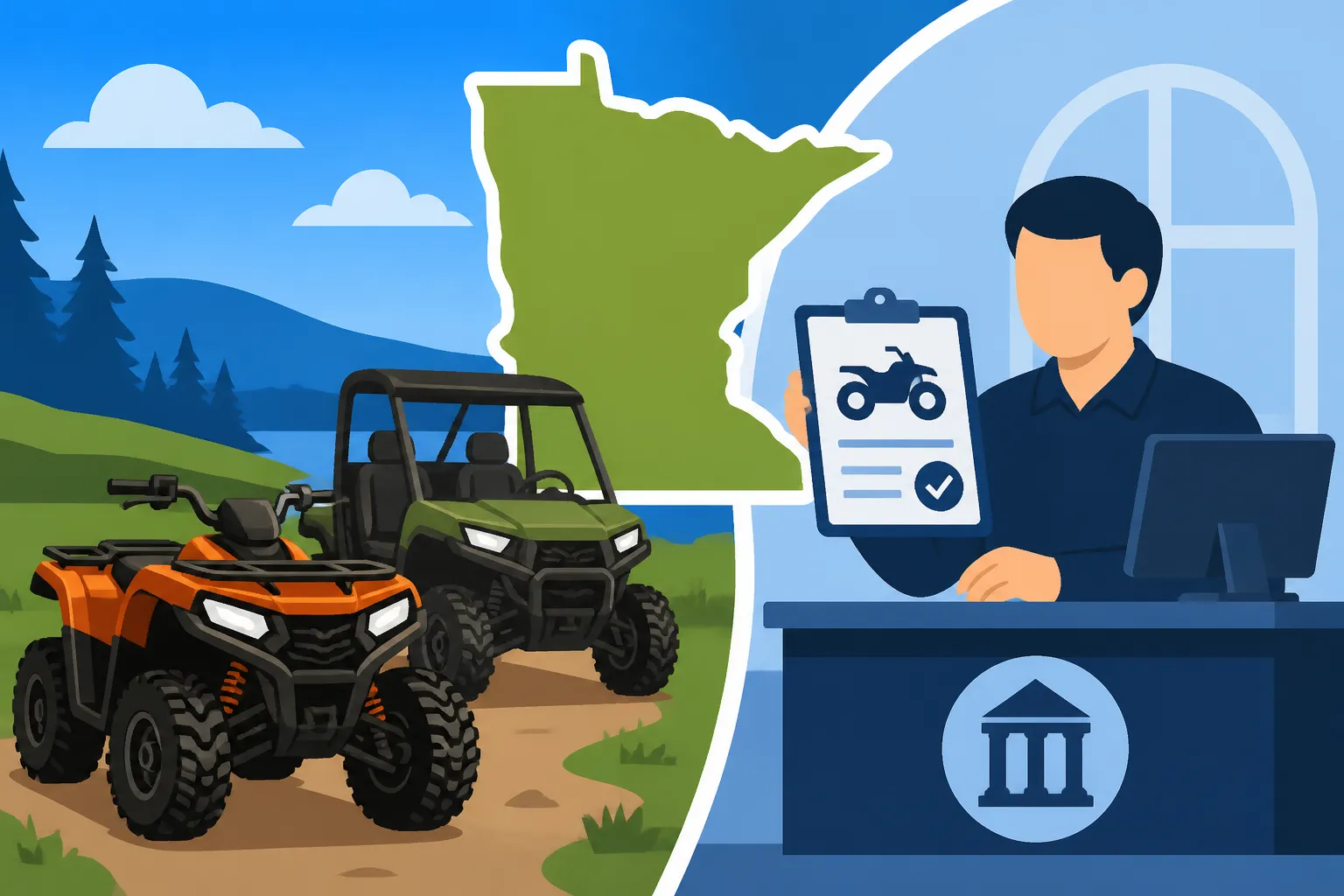
Instead, the state leverages a network of Deputy Registrar offices, which are often your local county DMV or license bureau. These offices act as extensions of the state's registration system, processing transactions for a wide range of vehicles, including your beloved off-road machines. This decentralization makes the entire process far more efficient and user-friendly, spreading the workload and bringing services closer to where you live and ride. It means you don't have to drive hours to a specific DNR outpost; a solution is often right in your community.
The Broad Reach of Deputy Registrar Offices
The beauty of the Deputy Registrar system is its accessibility. These aren't obscure, hard-to-find government buildings. Often, you'll find a Deputy Registrar office right in your county seat, sometimes even in smaller towns. They are designed to be a one-stop shop for vehicle-related services, making it convenient for you to register your car, truck, motorcycle, and your ATV all in one place.
This wide distribution means that whether you live in a bustling metro area or a quiet rural community up north, there's likely a Deputy Registrar office within a reasonable driving distance. They understand the local needs and the importance of outdoor recreation in Minnesota, and their staff are trained to handle the specific requirements for off-highway vehicles, ensuring that your registration is processed correctly and efficiently. It’s this local presence that really makes the system work for everyday riders.
Services Offered by Deputy Registrars for Off-Highway Vehicles
So, what exactly can these Deputy Registrar offices do for you when it comes to your ATV or UTV? The answer is: quite a lot! They are equipped to handle almost every aspect of OHV registration and titling, making them your primary go-to resource.
Initial ATV and UTV Registrations
This is often the first interaction riders have with the registration system. Whether you've just brought home a brand-new side-by-side from a dealer or purchased a trusty used quad from a private seller, a Deputy Registrar office is where you'll initiate its registration in Minnesota. They'll walk you through the paperwork, verify your documents, and get your machine officially on the state's registry.
This initial registration involves presenting proof of ownership, like a bill of sale or title, and paying the necessary fees. The staff are familiar with the various scenarios, whether your machine is fresh off the showroom floor or an older model with a less clear paper trail. They can help clarify what's needed for different types of machines, like those designated as Class 1 or Class 2. Make sure you understand [Registering an ATV in Minnesota] and have all your ducks in a row for this first visit. They'll issue you your registration card and the all-important sticker you'll need to display on your machine.
Renewing Your Minnesota ATV Registration
Just like your car tabs, your ATV or UTV registration isn't a one-and-done deal. In Minnesota, off-highway vehicle registrations typically last for three years. When that time rolls around, you'll receive a renewal notice, usually by mail. A Deputy Registrar office is the most common and convenient place to handle this renewal. You can simply bring your renewal notice, your current registration card, or even just your machine's registration number, and they can process it for you on the spot.
Renewing is usually a quicker process than initial registration, as most of your information is already in the system. They'll collect the renewal fee, update your record, and provide you with a new set of stickers to place on your machine. It’s a straightforward task, but an important one to ensure you stay legal on the trails. If you're wondering about the timing, you'll find more details in [Minnesota Registration Renewal Every Three Years].
Transferring Ownership and Other Paperwork
Life happens, and sometimes you'll need to transfer ownership of your ATV or UTV, whether you're selling it, gifting it, or inheriting it. Deputy Registrars are fully equipped to handle these ownership transfers. If you're selling your machine, you'll need to sign over the title or provide a proper bill of sale. If you're the buyer, you'll bring those documents to the Deputy Registrar to register the machine in your name. This is where getting the paperwork right is crucial.
For buyers of used machines, understanding [Buying a Used ATV in Minnesota: The Paperwork] is essential. You’ll want to ensure you have a solid bill of sale, perhaps one you even drafted using a template from a service like LawDepot, to prove your purchase. The Deputy Registrar will review all documents to ensure a legal transfer. They can also assist with other administrative tasks, such as correcting errors on a registration, replacing a lost registration card, or updating your address on file. They really are a comprehensive resource for all the ins and outs of OHV ownership changes. Understanding [Transferring a Minnesota ATV After a Sale] is a key step in this process.
What to Bring to a Deputy Registrar's Office for ATV Services
Before you head out, it's always a good idea to know exactly what documents you'll need. Showing up unprepared can lead to extra trips and unnecessary frustration. Let's make sure you're ready!
Essential Documents for a Smooth Visit
The exact documents you need will vary slightly depending on the service you require, but there are some foundational items you should almost always have on hand:
- Proof of Ownership: This is paramount. For a new machine, it's usually the Manufacturer's Statement of Origin (MSO) or Certificate of Origin (MCO). For a used machine, it's typically a signed-over title or a legally executed bill of sale. If you purchased your machine from a private seller, a detailed bill of sale is crucial. Resources like LawDepot offer templates that can help ensure your bill of sale includes all the necessary information, protecting both buyer and seller. Without proper proof, you'll face an uphill battle. Check out [Proof of Ownership for a Minnesota ATV] for more specifics.
- Identification: A valid government-issued photo ID, such as your Minnesota driver's license or state ID card, is a must. This verifies your identity and ensures the registration is issued to the correct person.
- Payment for Fees: Be prepared to pay the registration fees, any applicable sales tax (if it wasn't collected by a dealer or if it's a private sale you haven't paid tax on yet), and a small Deputy Registrar service fee. Most offices accept cash, checks, and credit/debit cards, but it's wise to confirm their accepted payment methods beforehand. Knowing [Minnesota ATV Registration Fee for Three Years] can help you budget.
- Application Forms: While many forms can be filled out at the office, it can save time to download and pre-fill any necessary forms from the Minnesota DNR website if you know what you need.
Preparing for Common Scenarios
Let's look at a few common scenarios and what specific items you'll want to gather:
- New Purchase from a Dealer: Bring your MSO/MCO, the purchase agreement, and your ID. The dealer should have provided you with all the necessary paperwork, and they often handle the sales tax at the time of purchase.
- Used Machine from a Private Seller: This one requires more diligence. You absolutely need the machine's title, properly signed and dated by the previous owner. If the machine doesn't have a title (some older machines didn't, or if it's a utility machine never registered for public use), then a comprehensive bill of sale is critical. Again, using a template from a service like LawDepot for [What a Minnesota Bill of Sale Should Carry] can be incredibly helpful to ensure all legal bases are covered, including the VIN, sale price, and signatures of both parties. Also be ready to pay any [Minnesota Sales Tax on a Private ATV Sale in Minnesota] that applies.
- Out-of-State Machine Moving to Minnesota: If you're a new resident bringing your ATV or UTV to Minnesota, you'll need the title or registration from your previous state, along with proof of Minnesota residency and your ID. The process is similar to an initial registration, but they'll convert your out-of-state record to a Minnesota one. Learn more in [Minnesota Registration for a New Resident].
- Lost Title: If you've lost the title, but you're the registered owner, you might need to apply for a duplicate title first, which the Deputy Registrar can also help with. If you're buying a machine with a lost title, it gets complicated; ensure the seller gets a duplicate first, or you might need a court order in extreme cases.
Fees and Payment Methods
When you visit a Deputy Registrar office, you'll encounter a few types of fees:
- Registration Fee: This is the core fee for the three-year registration period. It's a set amount determined by the state.
- Sales Tax (if applicable): If you purchased your machine from a private party and sales tax wasn't collected, you'll pay it at the Deputy Registrar's office.
- Deputy Registrar Fee: These offices are typically county-run or privately owned and authorized by the state. They charge a small service fee on top of the state fees for processing your transaction. This fee covers their operational costs and is usually a minor amount.
- Payment Methods: Most offices accept various forms of payment, including cash, personal checks (with valid ID), and major credit/debit cards. However, it's always a good practice to call ahead or check their website to confirm their specific payment policies, especially for larger transactions like those involving sales tax. Having multiple payment options available ensures you won't be caught off guard.
Finding Your Nearest Deputy Registrar and Making the Most of Your Visit
You've got your documents, you know what services you need, and you're ready to get your ATV or UTV registered. Now, how do you find the right place to go and ensure your visit is as smooth as possible?
How to Locate an Office Near You
Finding a Deputy Registrar office is usually quite straightforward. The Minnesota Department of Public Safety (DPS) website, which oversees driver and vehicle services, often has a locator tool where you can search by zip code or city. Simply type in "Minnesota Deputy Registrar offices" or "Minnesota DMV" into your search engine, and you should find a list of official resources.
Many county websites also list their specific Motor Vehicle Services or License Bureau locations, which are almost always Deputy Registrar offices. Don't be shy about calling your county government's main line and asking for directions or hours for vehicle registration services. While [Registering Online Through Minnesota eLicense] is an option for renewals, for initial registrations or complex transfers, an in-person visit is often required. You can also look up Deputy Registrar Offices That Register ATVs through official state resources.
Tips for a Hassle-Free Experience
To make your trip to the Deputy Registrar as quick and painless as possible, here are some pro tips:
- Call Ahead: Always, always, always call the specific office you plan to visit before you go. Confirm their hours of operation, accepted payment methods, and any specific documents they might require for your transaction. This simple step can save you a wasted trip.
- Avoid Peak Times: Just like any government office, Deputy Registrars can have peak hours. Try to go mid-morning or mid-afternoon on a Tuesday, Wednesday, or Thursday. Mondays, Fridays, and lunchtimes are often the busiest.
- Have Everything Organized: Present your documents in an organized fashion. This helps the clerk process your request quickly and minimizes confusion. A folder with all your paperwork neatly arranged can make a big difference.
- Be Patient and Polite: Clerks at these offices handle a constant stream of inquiries. A little patience and courtesy go a long way in ensuring a positive experience for everyone.
When a Deputy Registrar Can't Help
While Deputy Registrars are incredibly versatile, there might be rare instances where you need to contact the Minnesota DNR directly. These situations are typically for very specific, complex issues or enforcement-related questions.
For example, if you have a highly unusual scenario with a salvaged machine that needs special inspection, or if there's a dispute over ownership that requires legal intervention, a Deputy Registrar might advise you to contact the DNR's OHV program or even legal counsel. Similarly, questions about trail rules, safety courses, or specific grant-in-aid trails are best directed to the DNR, as those fall under their purview, not vehicle registration.
For the vast majority of your ATV and UTV registration and titling needs, however, your local Deputy Registrar office is your most convenient and efficient resource. They are there to serve you and help keep you legal on Minnesota's fantastic trails.
Disclaimer
This article is for general informational purposes only and does not constitute professional advice. Laws, prices and regulations vary by location and change over time. Consult a qualified professional for guidance on your specific situation.